

There are several reasons people should think twice before trimming bushes and trees that don’t belong to them
05:00, 10 May 2026Updated 08:22, 10 May 2026
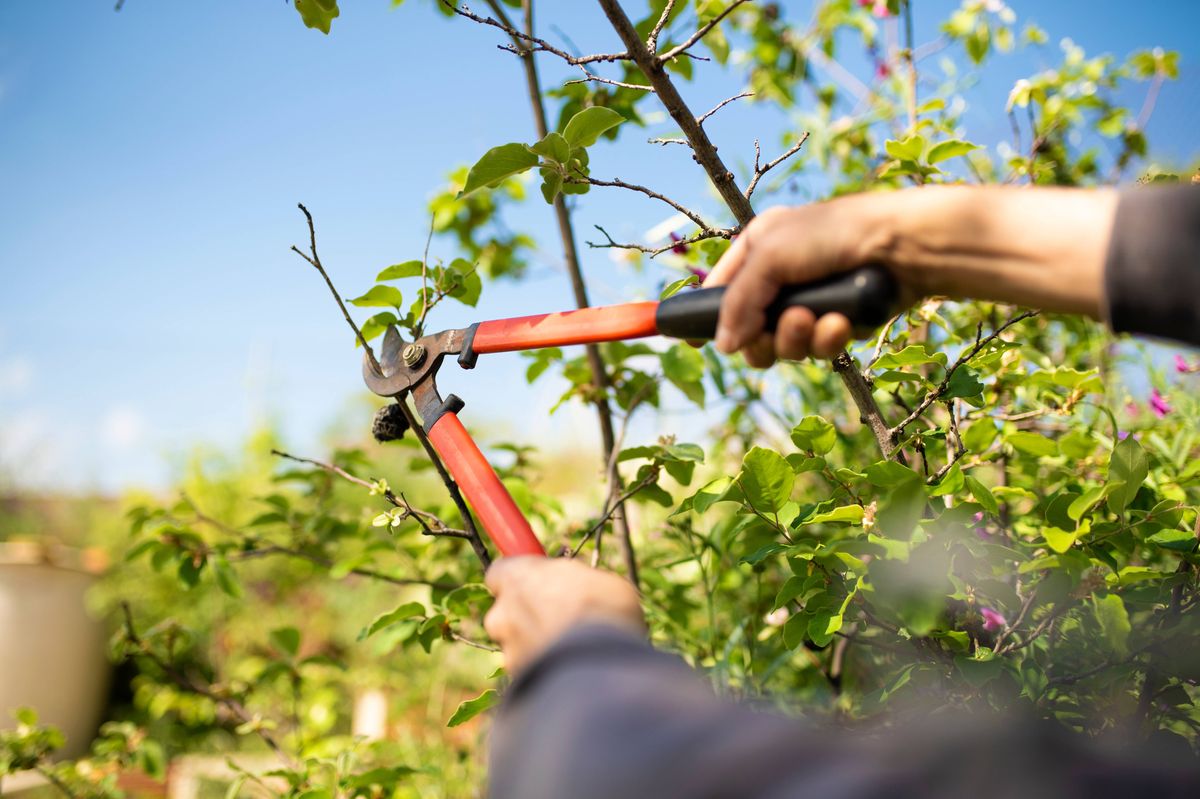
Know what is right when it comes to overhanging bushes and branches in your garden(Image: bettphotos / 500px via Getty Images)
With summer arriving soon, Brits will likely spend more time outdoors and want to freshen up their gardens. People might spot certain plants creeping over from a neighbour’s side of the fence, which, if left untended, could cause an unsightly overhang.
Dealing with an overgrown tree or bush can be irritating – particularly when it isn’t even growing in your own garden. Homeowners who have grown tired of plants spilling into their space may well be tempted to solve the problem themselves.
However, it’s crucial to understand exactly where the legal boundaries lie. People who fail to understand this could find themselves in serious hot water.
According to Gov.uk, you are perfectly within your rights to trim branches from trees or bushes that grow into your property from a neighbour’s garden or a public road. That said, homeowners must be mindful of just how far they can go before a straightforward gardening task turns into a full-blown dispute, reports the Express.
A statement on Gov.uk reads: “You can trim branches or roots that cross into your property from a neighbour’s property or a public road. You can only trim up to the property boundary. If you do more than this, your neighbour could take you to court for damaging their property.”
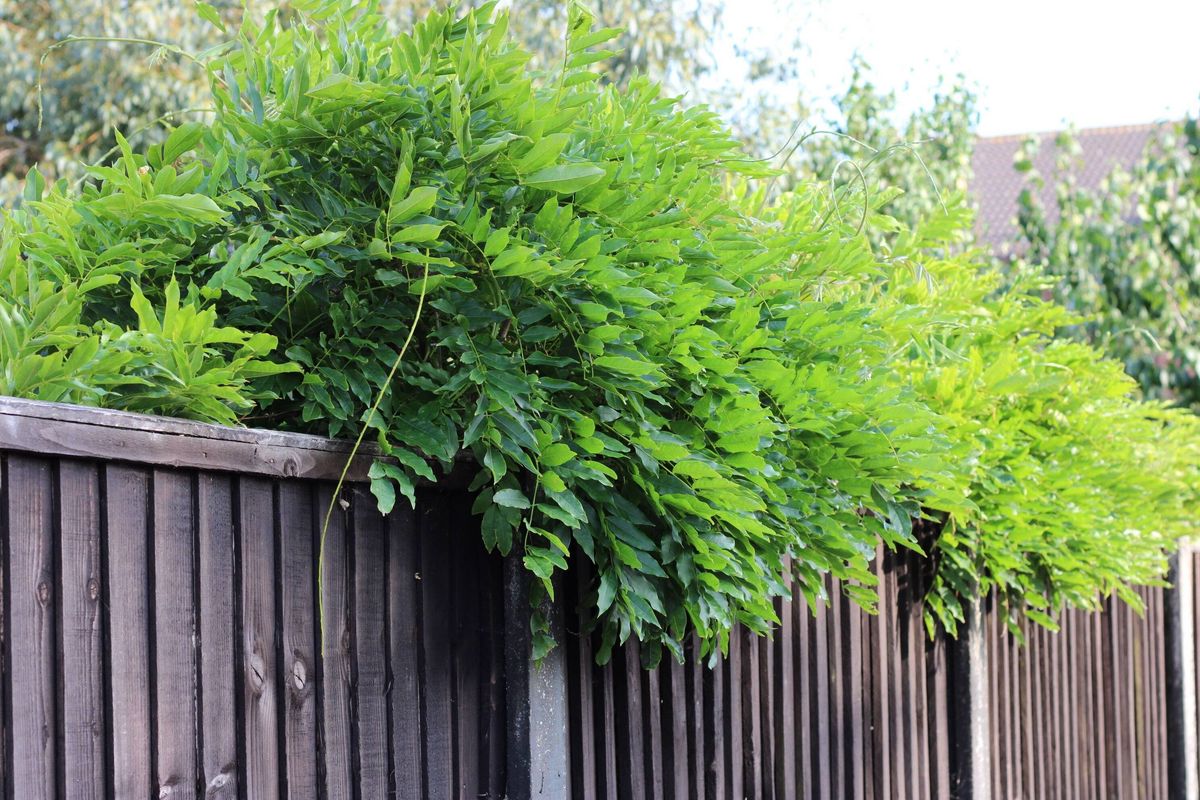
Trimming trees and bushes that hang into your garden can lead to issues(Image: Getty)
Legal professionals warn that homeowners must be careful not to overstep the mark and carry out any work from their own side of the fence. Blythe Liggins Solicitors said: “There is a right to cut overhanging branches without the need to give any notice to the owner, although this must be carried out without going on to the adjoining land, since otherwise this would be to commit trespass.”
It’s also worth checking whether any trees are protected by a ‘tree preservation order’. Regardless of what side of the fence it is on, you may need your local council’s approval before anyone can carry out any trimming.
How to tackle the issue
Homeowners can take straightforward measures to settle the issue before involving the local authority or lawyers, according to Citizens Advice. Begin by speaking directly with your neighbour and keep a written record of what was discussed or agreed upon.
A statement on the Citizens Advice website said: “It’s often best to find a compromise, for example sharing the cost of pruning a hedge even if you think your neighbour owns it. It could help you keep a good relationship and might be cheaper than paying a solicitor to resolve the disagreement.”

Talk to your neighbours about a solution that benefits everyone(Image: JackF via Getty Images)
It further advises that, should an agreement still prove impossible to reach, an impartial mediator trained in dispute resolution can be brought in to help. Look for a mediator via Gov.uk, though this service may come at a cost.
Homeowners can find themselves embroiled in all manner of neighbourly disputes – from rows over bins and parking to boundary disagreements. A property lawyer has recently shed light on how to establish which garden fences actually belong to you.
Knowing the answer could save you a great deal of trouble, as carrying out work on a fence you don’t legally own – even if it sits within your garden – could land you in hot water for damaging someone else’s property. Studies reveal that six in ten Brits have been caught up in garden-related disputes with neighbours that could put them on the wrong side of the law, and one surprisingly common trigger is simply painting your fence.
Comments are closed.