
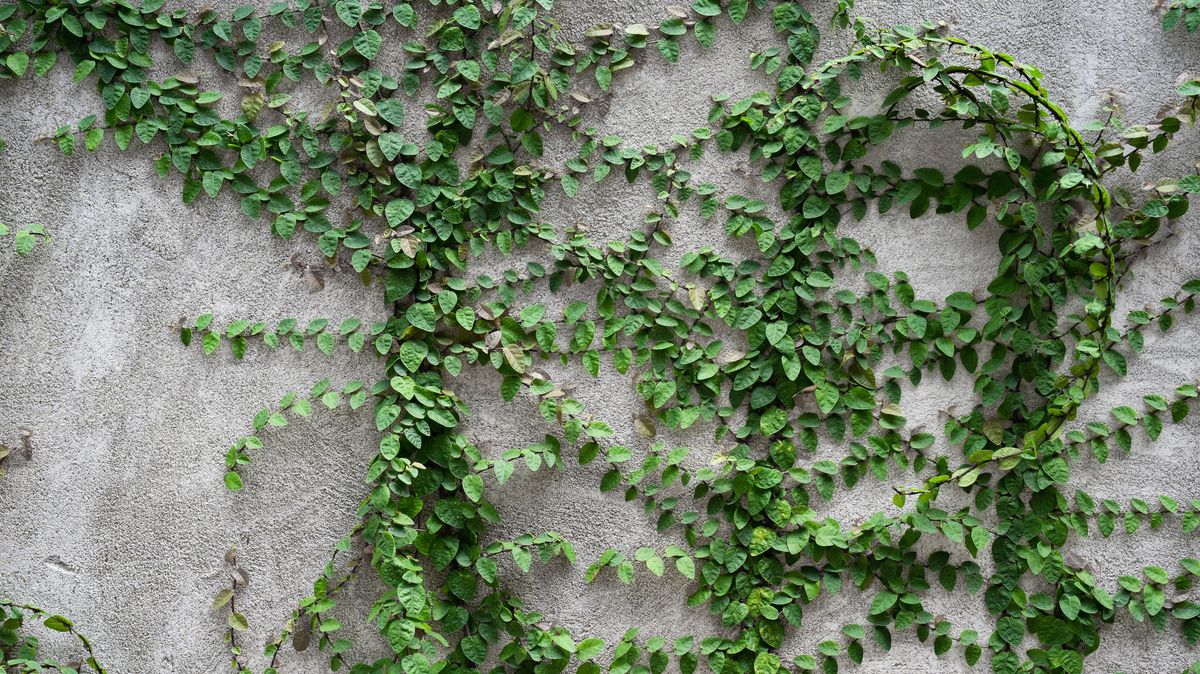
If you’ve got an ivy problem in your garden, you’ll want to keep reading. Gardening experts say this natural ivy removal method could help get rid of it in around five days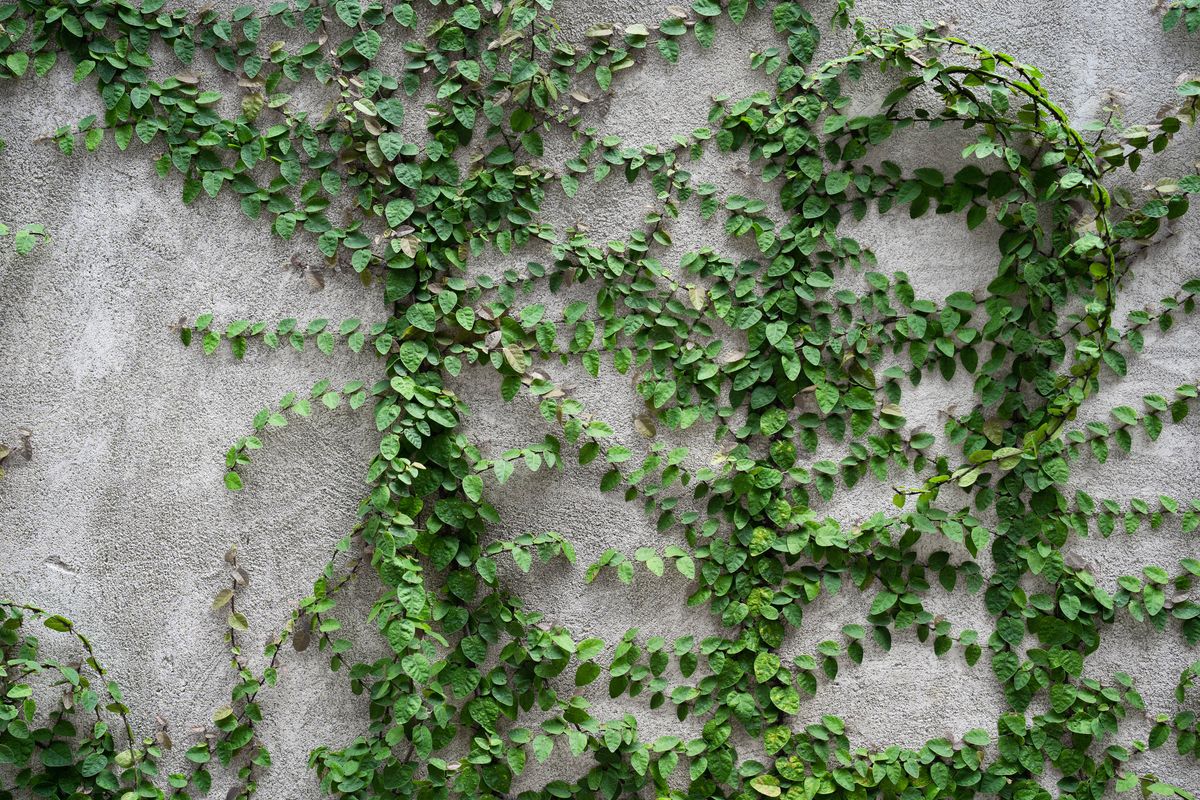
Get rid of ivy in your garden with 1 natural item that kills the plant in 5 days(Image: Jackyenjoyphotography via Getty Images)
English ivy is a native species in the UK and may not be as aggressive as it is elsewhere in the world, yet it can still display invasive tendencies. In regions with moderate temperatures and regular rainfall, it becomes particularly problematic. Soil composition also plays a significant part, as nutrient-rich ground encourages rapid growth.
Furthermore, English ivy’s remarkable tolerance for shade enables it to flourish in low-light conditions, crowding out surrounding plants.
When English ivy takes hold in gardens, it competes fiercely with other plants for vital resources such as sunlight, water and nutrients, frequently causing desirable garden plants to weaken or perish. Its thick foliage creates an ideal hideout for pests including rodents and insects, drawing unwanted wildlife onto your property.
Additionally, as the plant anchors itself using aerial roots, these can penetrate cracks and joints in walls and buildings, potentially causing serious structural damage. Fortunately, there is a method to eliminate this troublesome plant without resorting to harmful chemicals.
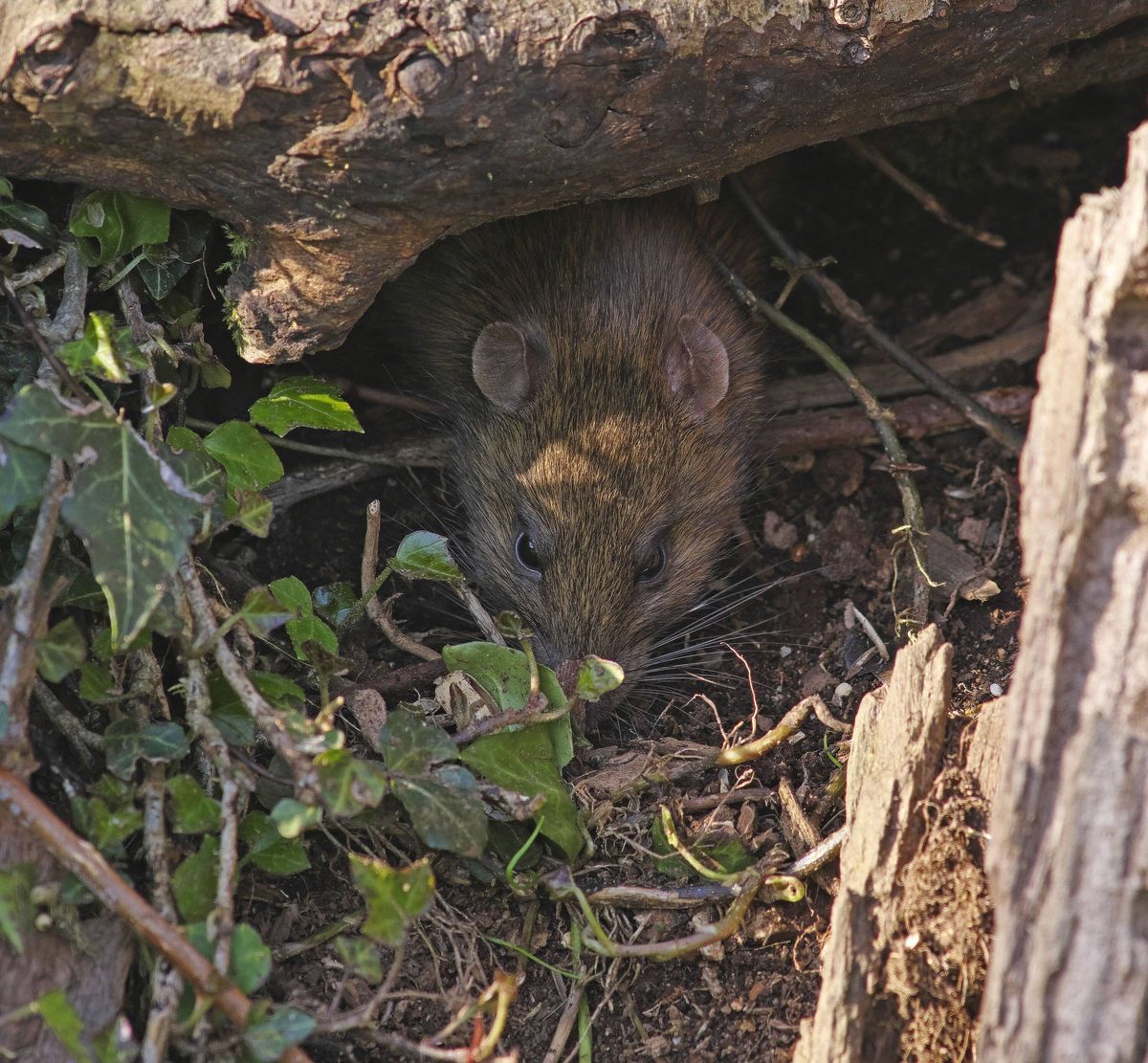
It’s dense foliage provides a haven for pests like rodents and insects(Image: Getty)
John Clifford, gardening and landscaping expert at Westminster Stone, said, “One of the most well-known ways to naturally remove ivy is by using white vinegar. This will kill the ivy in a couple of days and is pretty simple in terms of how to create the mixture.”
Simply pour a four-to-one part mixture of water and white vinegar into a spray bottle, then apply the solution as thoroughly as possible across the ivy. Even though you won’t need to handle the ivy at this point, it’s sensible to wear gloves to avoid any skin irritation.
Naturally, you must be mindful of where you direct the spray. While white vinegar is highly efficient at killing off ivy, it can also damage the plants surrounding it. So take care when spraying and steer well clear of any other greenery in your garden.
Once you’ve sprayed the leaves, stems and as much of the ivy as possible (while avoiding the plant’s base and the soil), leave the vinegar to get to work. Most experts recommend leaving it for around five days.
John told Ideal Home that if it rains, you will need to reapply the mixture and wait a couple more days.
Over time, you’ll begin to notice the ivy’s appearance changing. What was once a hardy, invasive, self-clinging plant will begin to brown and wither. This is a clear sign that the natural ivy killer has done its job.
Your next task is to remove as much of the dead ivy from your fence as you can. In certain cases, the dead branches and leaves may be so brittle that they come away with the gentlest of touches, but more often than not, you’ll need to use pruning shears to cut them back.
At this point, focus on cutting the ivy back to just a few inches above ground level. Do proceed carefully, however, as “ivy does cling very tightly to what it’s climbing up,” cautioned gardening expert and founder of Hopes Grove Nurseries Morris Hankinson.
Ivy is one of the most resilient plants you’ll encounter, capable of regrowing from even the smallest fragment of a healthy plant. This is why, when tackling ivy on a fence, removing the roots entirely is absolutely essential.
Morris advised: “Once everything has been removed, dig up the root, which can be big, heavy, and a good workout! You’ll need a decent spade and some patience.”
Given how invasive ivy can be, the last thing you want is to add it to your compost heap, where it could take hold once more. Proper disposal of the debris is therefore vital.
Ideally, place the root ball and branches on a weed-proof membrane in direct sunlight, allowing them to dry out thoroughly before disposing of them in your general waste bin.
Should you be worried about the root ball regrowing, a swift spray with a water and white vinegar solution should do the trick. However, if you don’t have the space to let it dry out, you can simply put it straight into your general waste bin.
Comments are closed.