
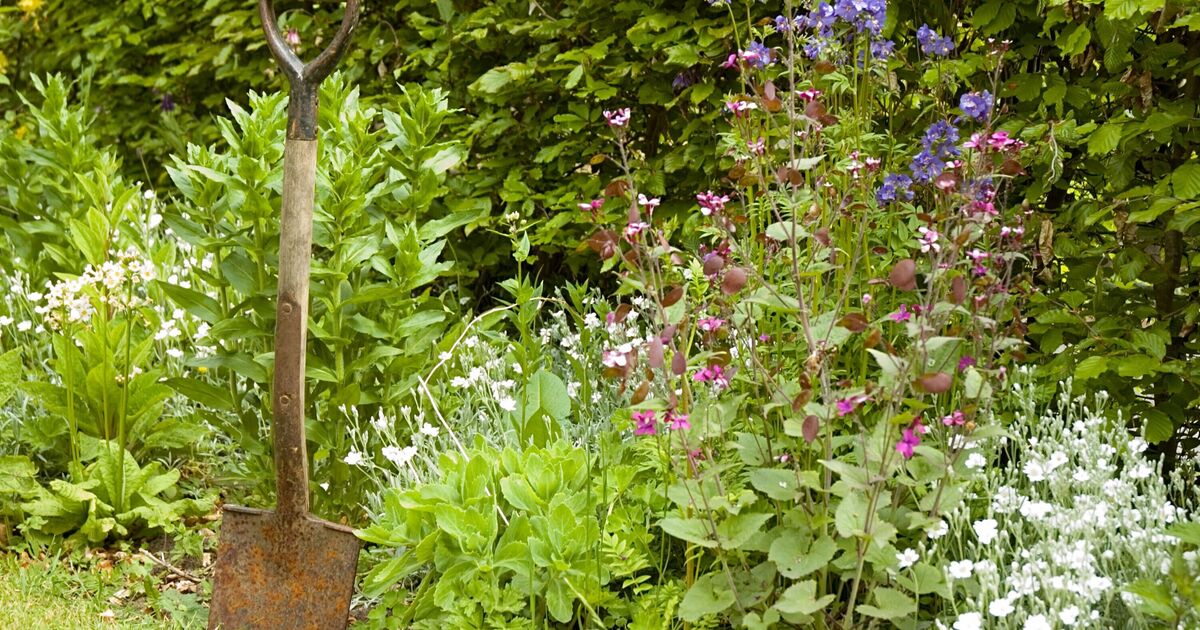
UK households have been urged to leave weeds in their gardens for all of May as part of a conservation campaign. Putting the mower away for four weeks each spring can boost biodiversity and allow wildflowers to bloom, according to experts. The No Mow May movement was launched by the charity Plantlife nine years ago and has since turned gardens around the country into thriving habitats for animal and plant life.
The benefits of leaving nuisance plants such as clover to grow include “providing an important food source for pollinators” like bees and butterflies and “helping to boost garden biodiversity at a critical time of year”, Guy Jenkins, consumer manager at Johnsons Lawn Seed, said. The flowers likely to appear in UK gardens during No Mow May depend on a number of things including soil PH and what has seeded there naturally over time, according to Plantlife.
The charity added: “Common flowers you can look for include the Bird’s-foot-trefoil, Creeping Buttercup, Daisy, Dandelion, Clover, Self-heal and Speedwells.
“The more nature you let back into your garden, the more likely you will be to see wildflowers in the future.”
Plantlife said the movement is growing, with an analysis of participants who signed up for last year’s campaign showing that 32% were first-timers.
The survey of 2,001 adults, carried out by OpinionMatters in March, found that 66% believe their garden can make a real difference for nature.
Around 97% of wildflower meadows have been lost in less than a century, with once widespread plants such as Ragged Robin and Field Scabious now on the near-threatened list in England.
But according to the Royal Horticultural Society, there are more than 25 million gardens in the UK, meaning they make up a significant proportion of land.
If managed properly, even the smallest grassy patches can help to deliver benefits for nature, communities and the climate, Plantlife said.
Nicola Hutchinson, chief executive of the charity, added: “Your garden is one of the easiest ways to help nature, providing a lifeline for wildlife – yet social pressure keeps lawns short.
“No Mow May is the time to act: to come together as communities, let grass and wildflowers grow, and turn that belief into real change.”
Comments are closed.