

A colder-than-usual spring across Manitoba may have gardeners eager to get planting, but experts say patience will be key this season as cooler temperatures continue to delay growing conditions.
Shea Doherty, operations manager at Our Farm Greenhouses, says Manitoba gardeners have become use to several years of unusually warm springs, making this season feel much later than normal.
“We have been spoiled for the last four to five years with beautiful, lovely springs,” says Doherty.
Related stories:
While many gardeners are anxious to get outside, Doherty says it is still too early for many warm-weather vegetables. Crops like tomatoes, peppers, cucumbers, squash and melons should remain indoors or in greenhouses for at least a few more weeks until overnight temperatures improve and soil conditions warm up.
Instead, gardeners should focus on colder-weather vegetables such as peas, radishes, lettuce, spinach and Swiss chard. Doherty says now is also the perfect time to prepare gardens by clearing leaves, loosening soil and adding fertilizer or manure before planting season fully begins.
“This is the cleanup time. This is actually an ideal perfect spring in my opinion,” notes Doherty.
The slower spring conditions have also delayed the arrival of some Manitoba-grown trees, shrubs and perennials, as frozen ground continues to limit what suppliers can dig up and transport.
Waiting out the frost risk
Frost remains one of the biggest concerns for Manitoba gardeners this time of year. Doherty says gardeners should continue watching long-range forecasts closely before moving sensitive plants outdoors permanently.
Covering plants with blankets, sheets or pails overnight can help trap heat and protect against frost damage. Doherty also recommends placing covers over plants in the evening before temperatures begin dropping overnight.
For gardeners caught off guard by frost, sprinklers can also help protect crops during colder mornings by creating a protective layer of ice around the plants.
“It’s incredible because all the plants have a layer of ice on them and it slowly melted. It’s the most beautiful thing ever,” adds Doherty.
Doherty says the technique has been used successfully in large farming operations during severe spring cold snaps.
What can safely be planted now
Some flowers, herbs and perennials are already handling Manitoba’s cooler temperatures well this spring.
Petunias, salvia and rudbeckia are among the flowers that can tolerate colder weather, while herbs like parsley, mint and rosemary are also more frost-resistant than tropical varieties.
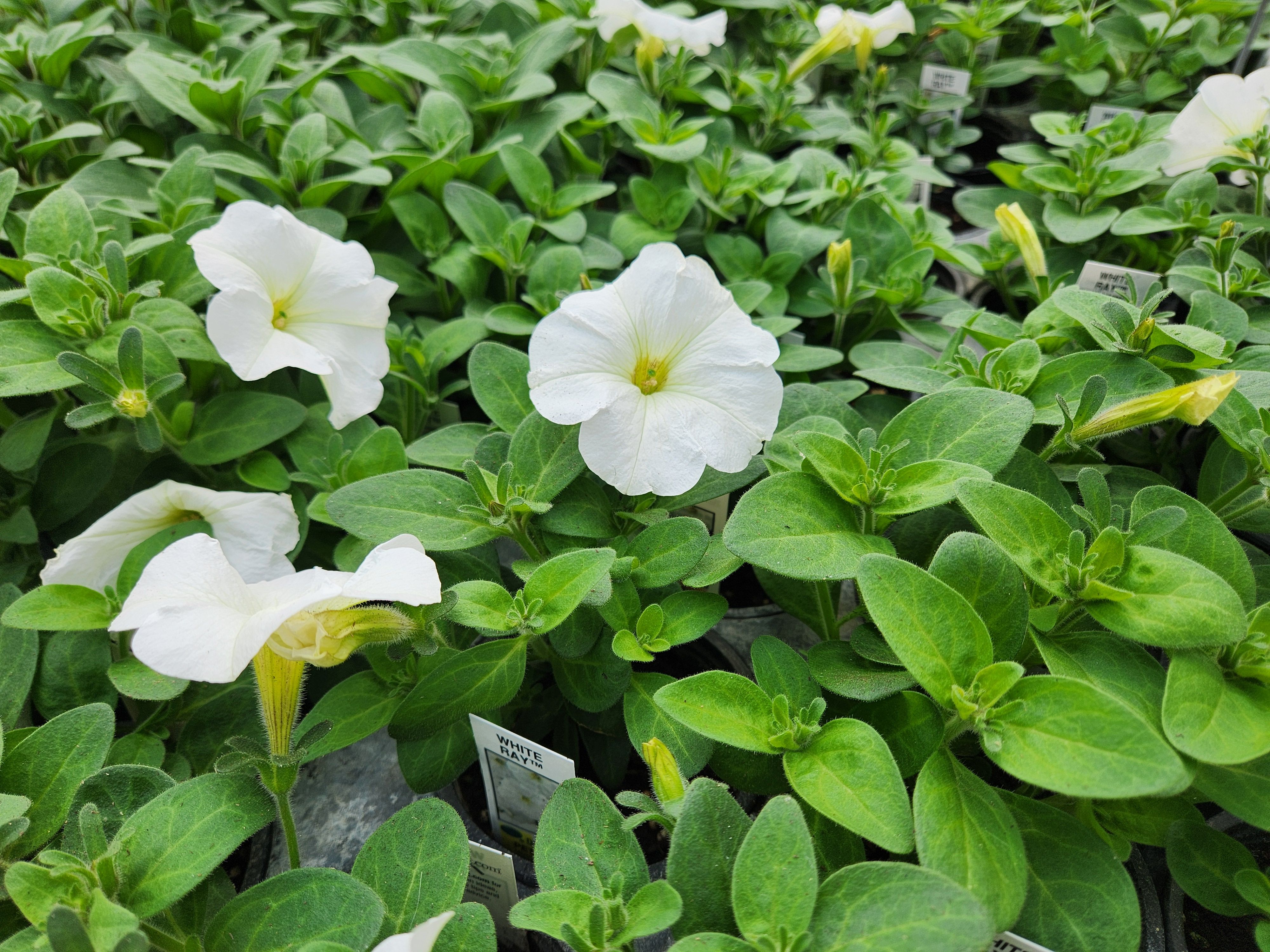 White petunias grow inside Our Farm Greenhouses as lighter flower colours trend among Manitoba gardeners this spring. PortageOnline/Tristen Sokolosky
Tropical flowers and herbs such as basil, impatiens and begonias should remain indoors longer to avoid damage from overnight temperature swings.
Trees, shrubs and most Manitoba perennials are also safe to plant now, though Doherty says gardeners should be cautious with products brought in from warmer provinces.
“If it’s fully green, you better protect it for the next two weeks,” says Doherty.
Strong start for Manitoba perennials
Despite the delayed season, Doherty says several Manitoba plants are already thriving thanks to strong snow cover throughout the winter.
Rhubarb and raspberries are among the strongest performers so far, with cooler spring temperatures helping prevent early growth damage caused by sudden warmups followed by freezing conditions.
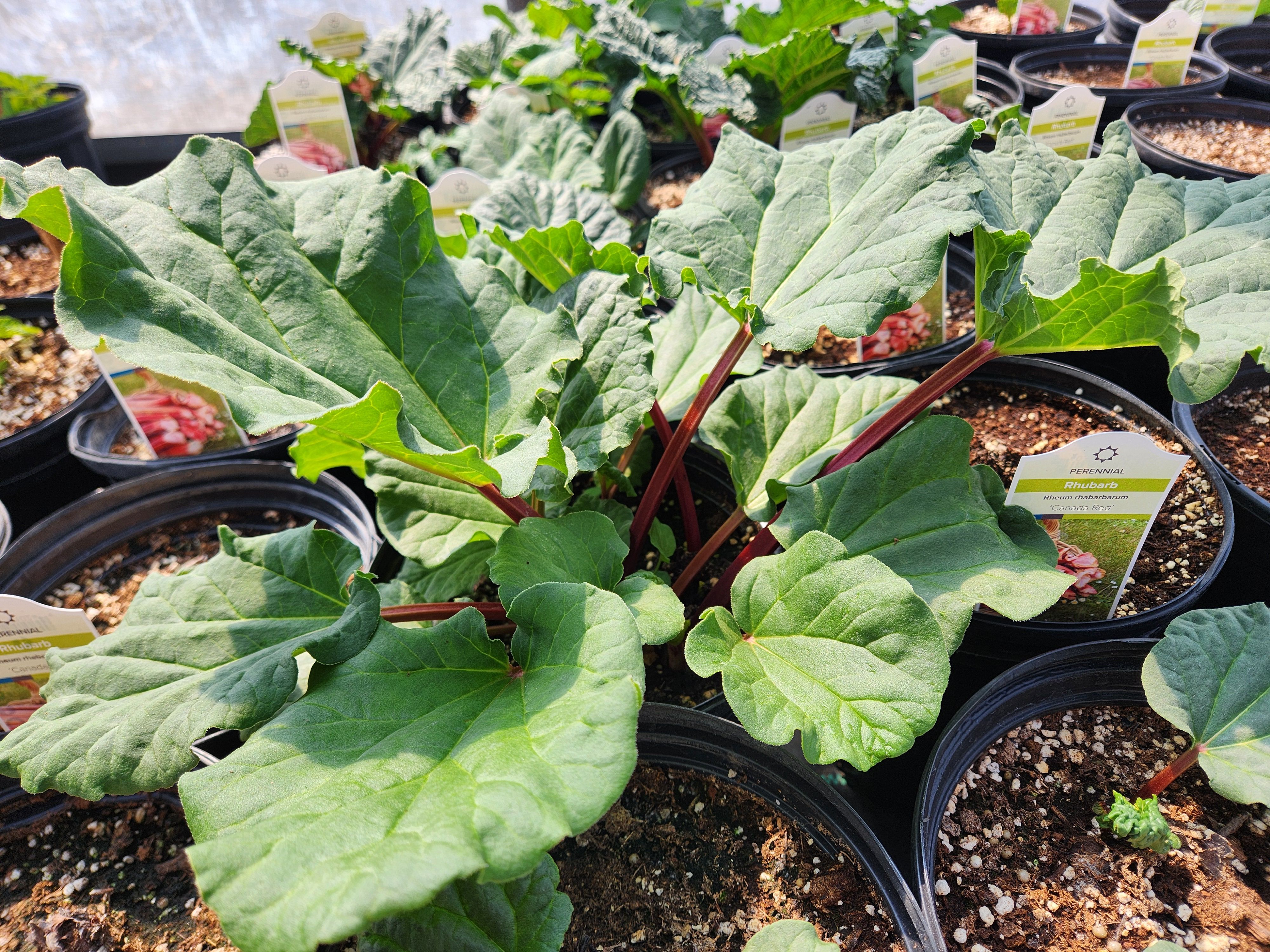 Rhubarb plants thrive inside Our Farm Greenhouses as cooler spring temperatures help Manitoba perennials return strong this season. PortageOnline/Tristen Sokolosky
“That’s what kills the perennials. It’s not necessarily the actual wintertime that kills them. It’s the springtime that kills them,” continues Doherty.
The cooler weather has slowed plant growth overall, but it may ultimately help protect perennial plants from the type of spring shock that often causes winter kill across the province.
Watering and raised garden care
Although Manitoba received a wet fall, Doherty says many areas are already beginning to dry out. Watering needs will depend heavily on local soil conditions, especially between sandy and clay-based regions.
Raised gardens may require even more maintenance because moisture escapes more quickly above ground. Doherty says raised beds often need watering every couple of days during spring and potentially daily during the hotter summer months.
“So raised gardens are convenient, but more maintenance,” says Doherty.
In addition to watering, raised gardens also require more fertilizing because nutrients are used faster in contained soil.
Common gardening mistakes
Planting too early remains one of the most common spring gardening mistakes, according to Doherty. After a long winter, many gardeners are eager to get outside as soon as temperatures begin to warm up, but Manitoba’s unpredictable spring weather can quickly create problems for young plants.
Cooler soil temperatures can shock plant roots, stunt growth and force gardeners to spend extra time protecting plants from overnight frosts and sudden temperature drops. Doherty says larger greenhouse-grown plants are especially vulnerable because they are often not fully hardened off before being moved outdoors.
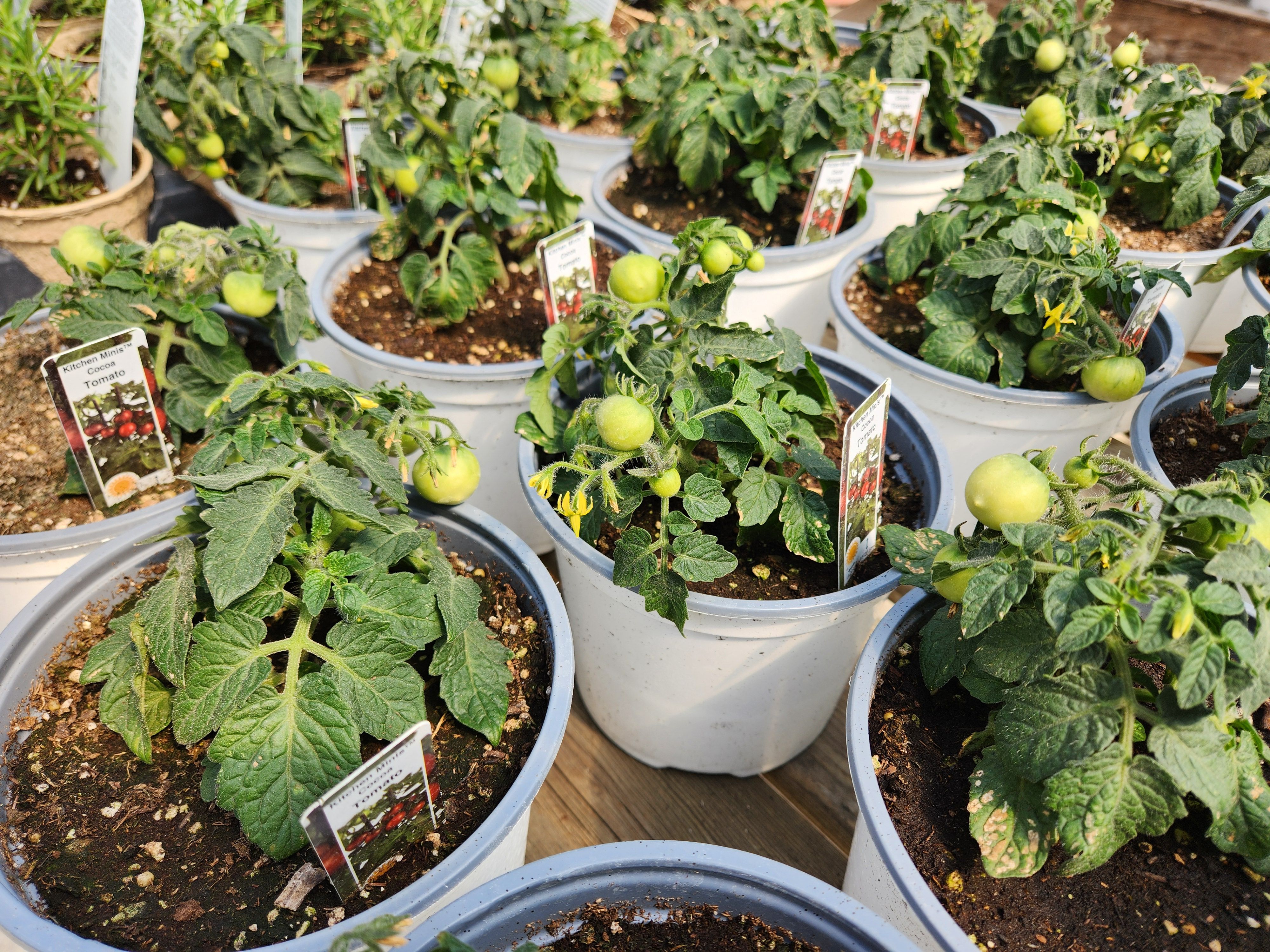 Tomato plants continue growing inside the greenhouse at Our Farm Greenhouses while gardeners wait for warmer temperatures before planting outdoors. PortageOnline/Tristen Sokolosky
Many gardeners also make the mistake of bringing plants home too early without having proper lighting conditions inside. Doherty says tomatoes and peppers should only be purchased early if gardeners have strong south-facing windows or enough sunlight to properly maintain the plants until outdoor conditions improve.
Overwatering is another frequent issue, especially for plants being kept indoors before transplanting outside.
“We’re actually drowning the plants,” notes Doherty.
Doherty says many people overwater because they are worried plants will dry out while they are busy or away from home. However, constantly soaking the soil can damage roots and weaken plants before they even make it into the garden.
Instead, Doherty recommends checking moisture levels regularly and watering consistently in smaller amounts rather than heavily soaking plants all at once. Allowing soil to partially dry between waterings can help encourage healthier root growth and stronger plants heading into the growing season.
Gardening trends this season
This year’s gardening trends are already surprising greenhouse staff as customers begin filling greenhouses earlier than expected despite the cooler weather.
While many expected bold pinks, purples and darker tones to dominate flower sales this spring, Doherty says shoppers are instead gravitating toward brighter and lighter colours. White flowers have quickly become one of the top sellers so far this season, while orange varieties are also drawing significant attention from customers looking to brighten up their yards after a long winter.
“The public will decide what goes. It’s a guessing game,” says Doherty.
Doherty believes the popularity of brighter colours may simply reflect how eager Manitobans are for warmer weather and more time outdoors after a colder start to spring.
Among the products generating the most excitement this year is a new shorter-season watermelon variety designed specifically for Manitoba’s growing conditions. Doherty says the smaller watermelon variety matures in about 60 days, giving gardeners a much better chance of harvesting successful crops before cooler weather returns later in the season.
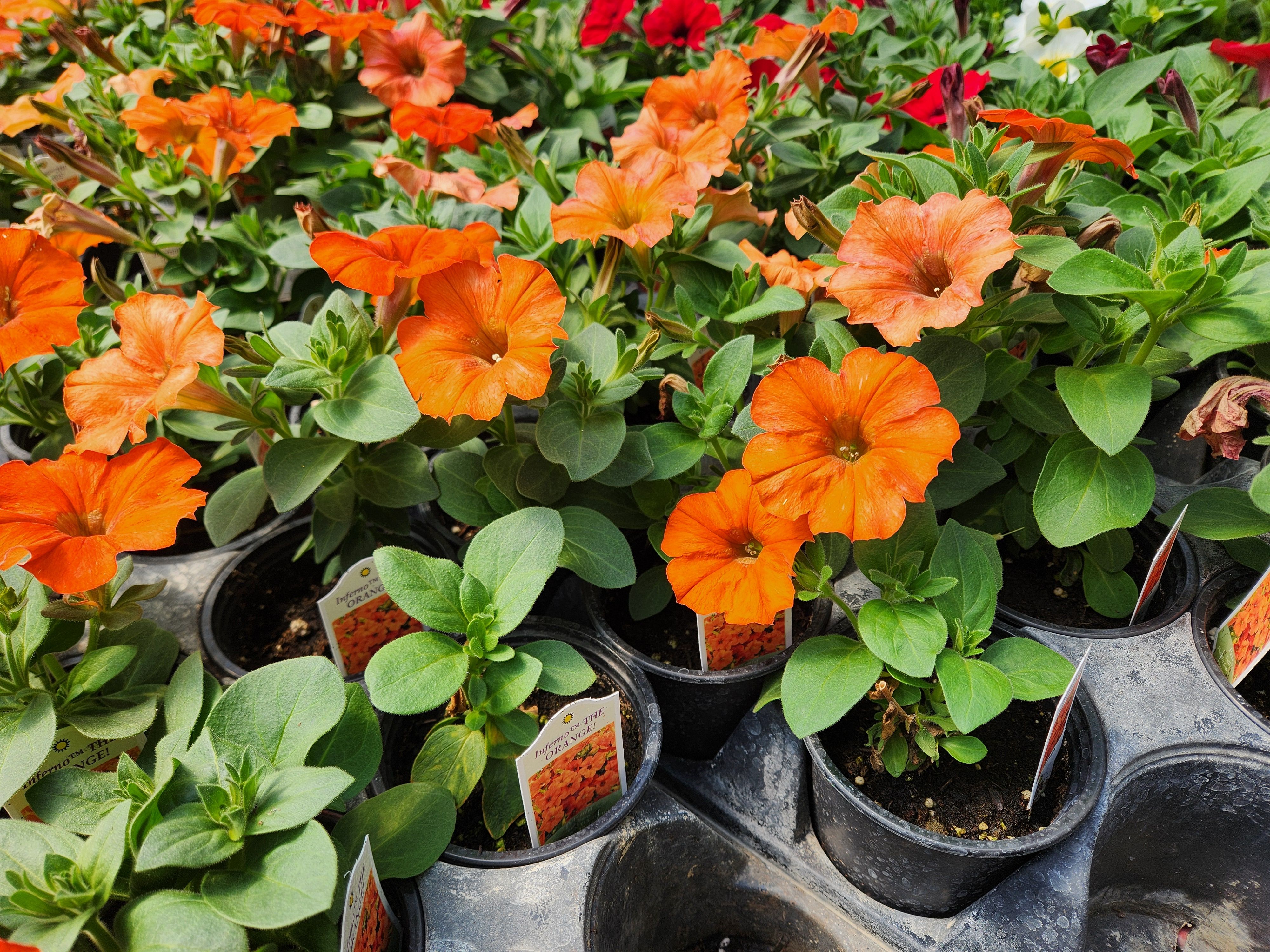 Orange petunias bloom inside Our Farm Greenhouses as brighter flower colours trend early this spring among Manitoba gardeners. PortageOnline/Tristen Sokolosky
The greenhouse is also introducing what Doherty describes as one of the first true orange petunias available to local gardeners this year, adding to the growing popularity of orange flowers already being seen early in the season.
As temperatures gradually begin to warm across Manitoba, Doherty says gardeners should continue focusing on preparation and patience before rushing into planting sensitive crops too early. With the right timing and care, the slower spring could still lead to a strong growing season across the province.
Comments are closed.