

 4 min read
It’s common for gardeners to share their favorite tips and tricks to help others grow plants successfully. One surprising hack circulating on social media claims that baking soda can make flowers like roses, hydrangeas, and other ornamentals bloom bigger and brighter. The promise sounds simple and inexpensive, but does the science actually support it? Before sprinkling baking soda around prized blooms, it’s worth taking a closer look at where this gardening myth came from, what baking soda really does in soil and whether the popular hack holds up beyond the internet hype.
Why the Baking Soda Flower Hack Is Popular
The baking soda flower hack has gained traction largely through viral TikTok videos, Facebook gardening groups, and word-of-mouth, promising bigger, brighter blooms with a simple pantry ingredient. Many of these claims are tied to the idea that baking soda “sweetens” soil by reducing acidity, which can influence how some plants grow and flower. In certain cases, gardeners may notice healthier plants or more vibrant blooms, particularly in soils that are naturally acidic. But those results are not universal, and the science is often oversimplified online.
ADD TIKTOK EMBED
What Baking Soda Actually Does in Soil
Baking soda, or sodium bicarbonate, can temporarily raise soil pH, making the soil more alkaline. For some plants, slightly alkaline conditions are acceptable or even beneficial. But many popular flowering plants, including azaleas, camellias, and certain varieties of hydrangeas, generally prefer acidic soil to thrive. In some mophead hydrangeas, changing the soil pH can even affect bloom color, turning some blue flowers pink as the soil becomes more alkaline.
What baking soda does not do is provide the nutrients plants need to produce larger or healthier blooms. Flowering plants rely heavily on phosphorus, the “P” in the NPK fertilizer ratio, which supports bloom production and root development. Potassium, represented by the “K,” helps regulate overall plant health, water balance, and flower quality. Together, these nutrients are what truly encourage stronger blooming, not household baking soda.
Healthy soil, consistent watering, sunlight, and proper fertilization are what really produce gorgeous blooms. Moreover, repeated use of baking soda can cause sodium buildup in the soil, which may stress roots and interfere with the plant’s ability to absorb water properly.
Tatiana Maksimova//Getty Images
What Gardeners Should Do Instead
Gardeners hoping for bigger, healthier blooms are usually better off focusing on long-term plant care rather than chasing quick internet hacks. One of the best places to start is with a soil test, which can reveal pH imbalances and nutrient deficiencies before unnecessary amendments are added.
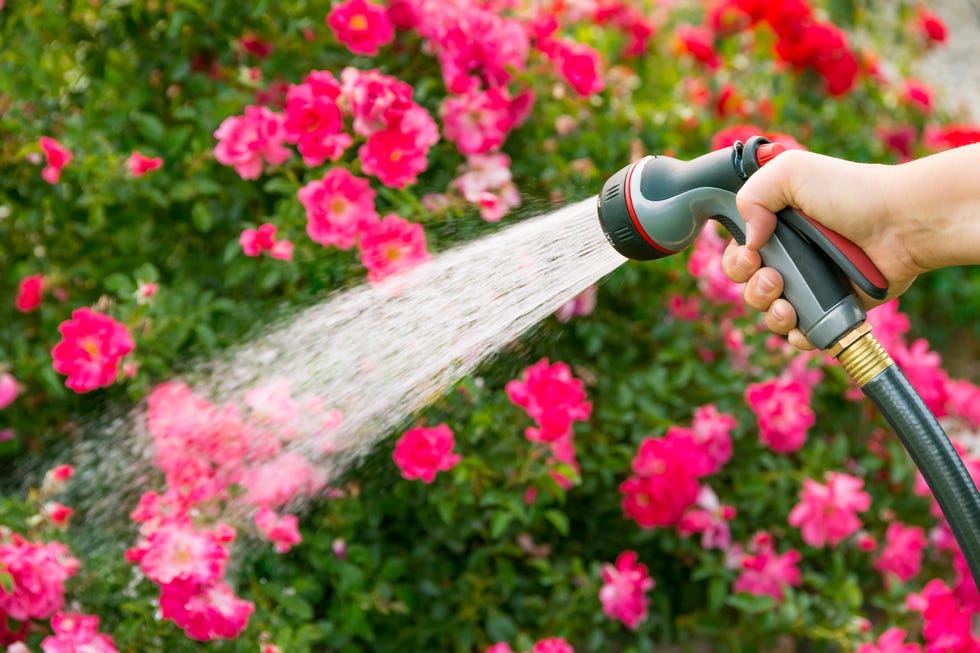
Choosing the right fertilizer also makes a difference, especially formulas designed for flowering plants. These are often labeled as “bloom boosters” or feature a higher middle number in the NPK ratio to support flower production. Consistent watering is equally important, since proper moisture levels reduce plant stress and encourage stronger root systems. Adding mulch around plants can further support healthy growth by helping soil retain moisture, regulate temperature and protect roots during periods of heat.
MariuszBlach//Getty Images
Sunlight plays a major role as well, since most flowering plants require several hours of direct sun each day to perform their best. Checking the plant tag or researching a plant’s light requirements can help gardeners ensure their plants are receiving the right quality and quantity of light each day.
Improper pruning is often one of the biggest reasons plants fail to bloom. Pruning at the wrong time of year can remove developing flower buds, leading to few or no blooms at all. Taking the time to understand a plant’s pruning needs, or whether it needs pruning at all, can make a significant difference. Deadheading, the process of removing spent or faded flowers, is another simple but effective practice that encourages many plants to redirect energy into producing new blooms rather than setting seed.
In successful gardens, vibrant blooms are the result of healthy soil, proper care, and patience, not shortcuts.
When Baking Soda May Help in the Garden
While baking soda is unlikely to produce dramatically bigger blooms, it does have a few practical uses in the garden when applied carefully. Some gardeners use diluted baking soda solutions to help manage mild fungal problems, such as powdery mildew, on certain plants. Because baking soda can create a less favorable surface environment for fungi, it may offer limited short-term support when combined with proper plant care and airflow.
Beyond plant care, baking soda is also useful as a gentle cleaner for garden tools, pots, and outdoor surfaces. Its natural deodorizing properties can help reduce odors in compost bins, trash cans, or other damp garden areas where odors tend to build up.
Baking soda may sound like an easy solution for bigger, brighter flowers, but it is not the miracle bloom booster social media often claims it to be. While small amounts can serve a few limited garden purposes, using too much can cause more harm than good. When it comes to fuller blooms, healthy soil beats trendy hacks every time.

Debbie Wolfe is a writer, photographer, and author. She has contributed hundreds of home and garden articles and DIY tutorials to leading media outlets and retailers. Debbie covers all home and gardening topics and has published hundreds of DIY tutorials with step-by-step photography for leading home and garden media outlets.
Comments are closed.