

Gardening expert Alan Titchmarsh has shared his top tips on choosing the best climbing plants for your garden this May – but there is one key thing you need to know before you buy
Alan has one important tip if you’re buying plants this weekend
With summer fast approaching, May represents a vital period for keen gardeners. This weekend, many will be making trips to their local garden centres, selecting additional plants to plug any spaces that have emerged in their flower beds and borders.
However, on his Gardening with Alan Titchmarsh channel, Gardeners’ World expert Alan offers several indispensable pointers to consider before loading up your basket with potted specimens.
Climbing varieties, particularly, can introduce a fresh element to your outdoor space while proving extremely useful for concealing unattractive walls and water storage containers. Yet Alan emphasises the importance of careful consideration regarding which areas you intend to populate before spending your money.
“There’s a wide range of climbing plants available,” he says, “so it’s important that you study where they’re going to grow before you decide which ones to pick.”
Alan encourages gardeners to thoroughly contemplate the destination of their new acquisitions, selecting varieties suited to the environment in which they’ll do best.

Alan has a personal reason for growing Scabious in his garden(Image: Getty)
For positions receiving direct sunlight, Clematis might prove an excellent option. However, Alan highlights that this “Queen of Climbers” must always have its root system positioned in shadier conditions. Provided this requirement is met, Clematis works brilliantly for covering walls, fencing, and pergola structures, reports the Express.
For those seeking continuous visual appeal throughout the seasons, options like Clematis armandii and C. cirrhosa provide early-season colour while retaining their foliage during autumn months.
Alan explains: “Varieties like Shimmer give you large purple flowers and are good for smaller areas, while a more vigorous variety like Clemetus Montana can grow up to 12 metres and has masses of pink flowers early in the season.”
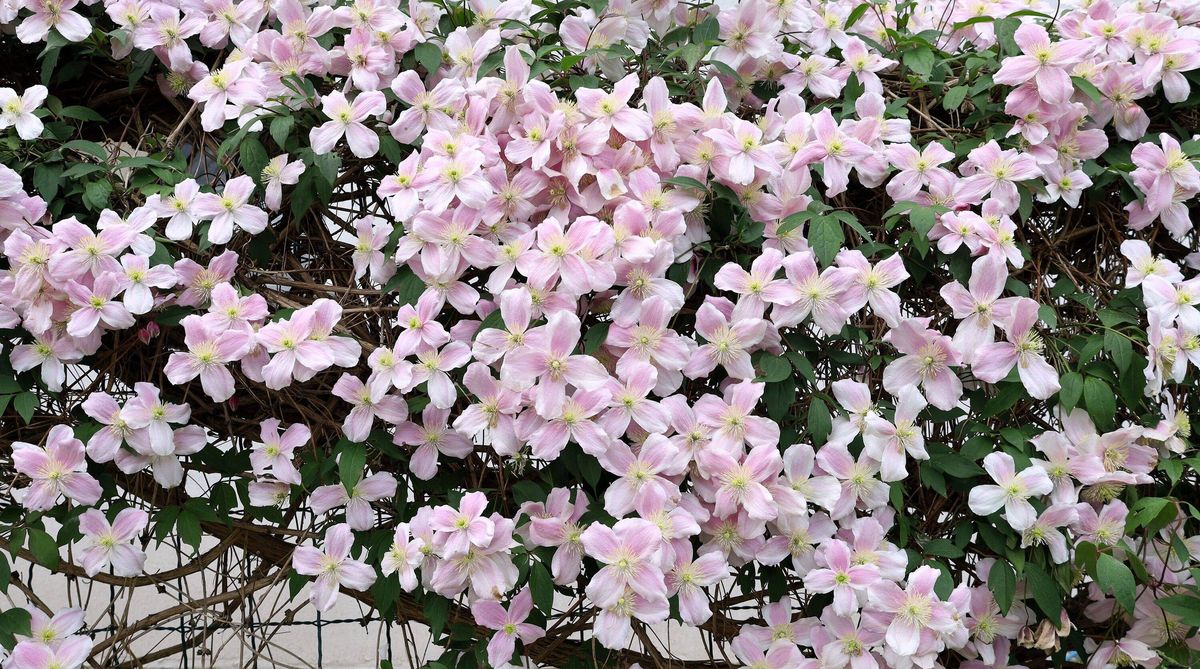
Clematis can conceal unsightly walls with a ravishing display of blooms(Image: Getty)
For spots receiving limited sunlight, Alan proposes an alternative solution, stating: “If you’re planting in a shady spot or a north or east facing wall, a reliable option is Hydrangea petiolaris, it has fresh green foliage in spring and pretty white flowers in summer.”
Come autumn, the Hydrangea’s leaves transform into an appealing yellow hue, making it an excellent selection for adding vibrancy to those challenging north-facing locations.
For more compact gardens, Alan suggests considering Solanum crispum Glasnevin. This energetic, semi-evergreen climbing plant grows rapidly, offering swift results for those eager to see progress, and produces plentiful, scented violet-blue blooms with yellow centres that flower throughout summer into autumn.
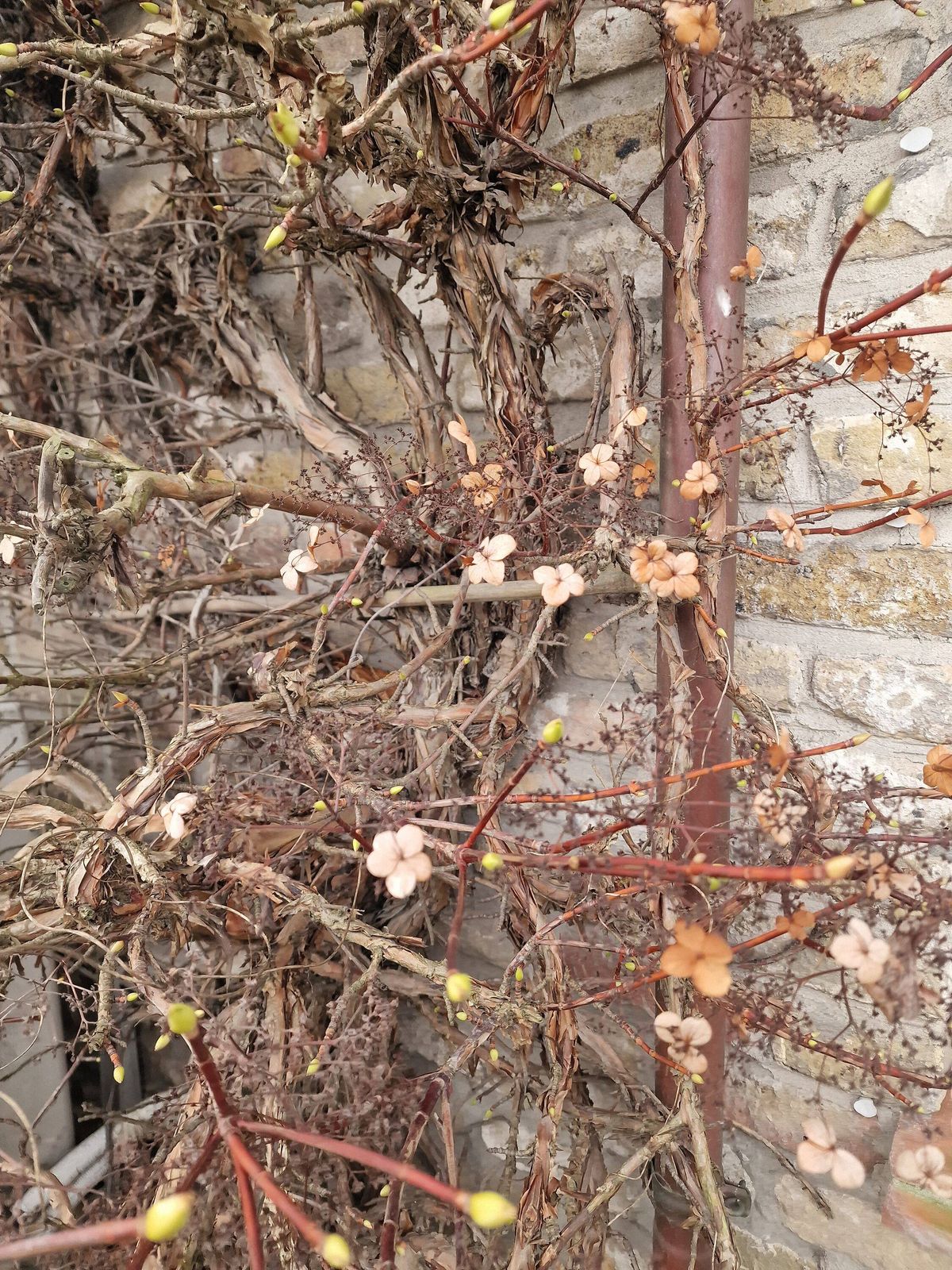
Hydrangeas will thrive in shady conditions(Image: Getty)
It’s equally crucial to consider not just the growing conditions but also what’s already established nearby. Alan notes: “With lots of new plants going into the garden this month, the one thing you should be thinking about is companion planting,” Alan says.
“By planting flowers on the veg patch, you encourage pollinating insects to visit and they make sure that flowers on things like peas and beans are much more likely to set fruit.”
Alan suggests opting for plants featuring large, daisy-like blooms such as Cosmos and Dianthus, which draw numerous bees and butterflies into the garden, and he has a personal motivation for including Scabious in the selection as well: “My grad-dad grew it,” he reveals.
Comments are closed.