
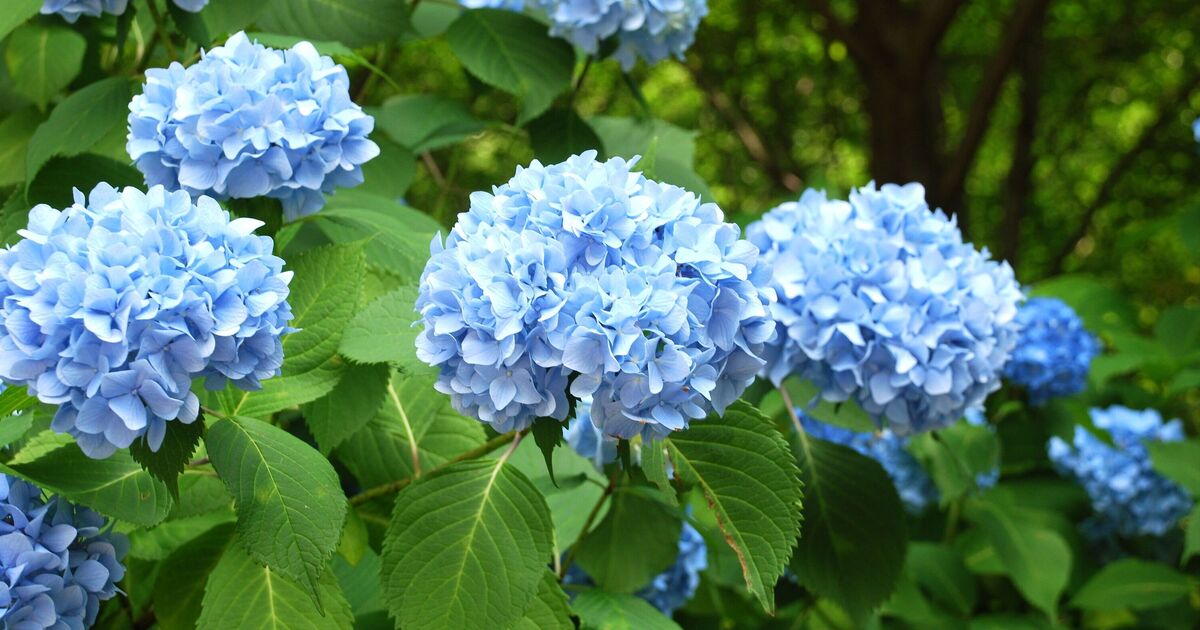
I love Hydrangea, particularly Blue Hydrangea. There is something stunning about seeing blue mopheads in a garden bed or pot. The conditions have to be just so to achieve and maintain blue mopheads. If the Blue Hydrangea is planted just anywhere, it may not keep the blue mopheads going, so seasonal care is important to keep them in top form.
A Blue Hydrangea needs to be in an acidic soil in the ground and ericaceous compost in pots and containers. The PH should be between five and 5.5 for blue Hydrangea, this will give the Hydrangea the best possible chance to achieve and maintain the bright blueness.
A Blue Hydrangea should be planted in the suggested PH level, with the soil and compost supplemented with a Blue Hydrangea feed to keep the PH levels up. A regular testing of the PH levels will help to get the conditions just right.
As with all Hydrangea they need regular watering during dry spells as it is helpful to remember my saying Hydrangea by name, Hydration by nature. The plant will wilt and mopheads droop if not kept watered in drier and warmer spells of weather.
The mopheads can be left on the plant all the way until the other side of wintertime, to give some protection to new buds below. The best spot for a Hydrangea is part sun, it doesn’t need all day sun.
If you have an existing Hydrangea that is pink in a pot, then you can turn the colour by supplementing the compost with blue hydrangea feed.
You can also transplant the potted Hydrangea into ericaceous soil and slowly the mopheads will change colour. We will need to be committed to the plant as it may take a year or two to turn, and then the compost will need supplementing to keep the acid levels up.
If you would like to order Blue Hydrangea please visit www.thompson-morgan.com and use Tom’s promo code TWTAWTOM12 to get 12% off your order when you spend £20 or more.
Please do follow Tom on Instagram and TikTok @garden_with_tom for more seasonal gardening advice and tips.
Comments are closed.