
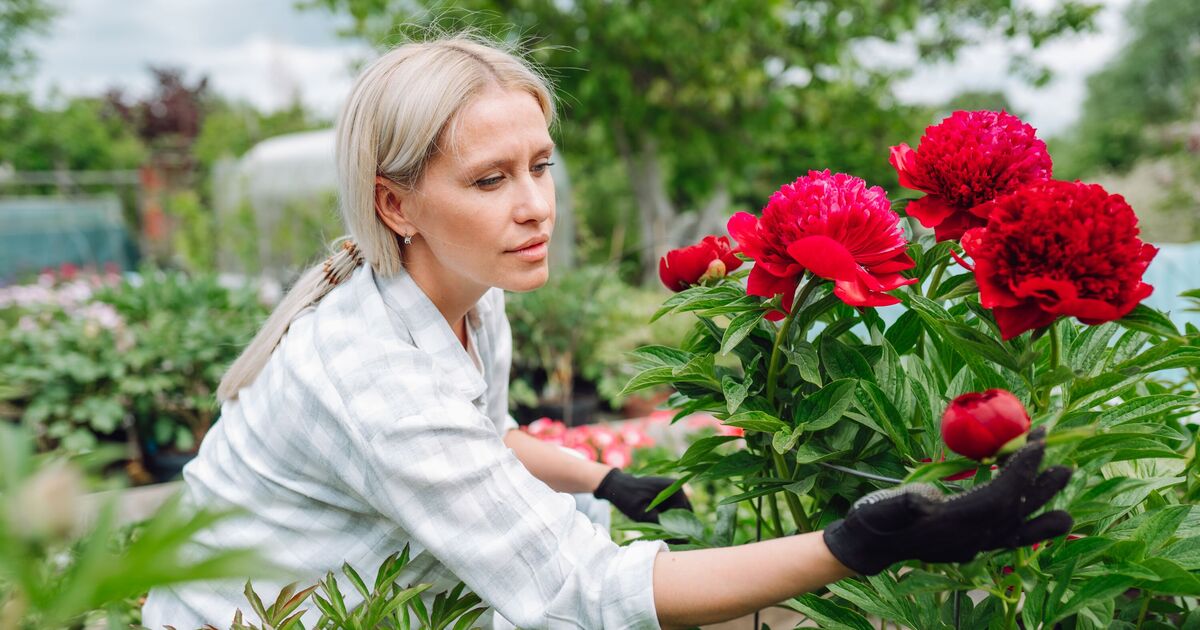
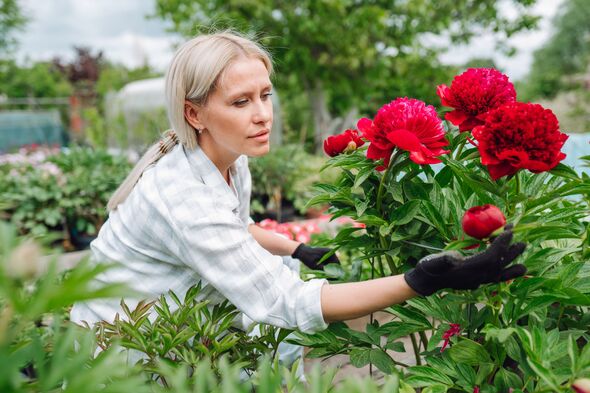
Peonies are a reliably hay fever-free plant to grow in your garden (Image: Getty)
For many garden lovers, this is the time of year when everything feels alive again. Borders are filling out, blossoms are still lingering, and being able to spend time in the sun is improving each day. However, it can be a little more challenging for hay fever sufferers. But there are plenty of alternative planting options to make gardens a welcome space for all without affecting symptoms. It simply comes down to understanding which plants are best for you.
Why do some plants cause hay fever symptoms?
The main differences come from how plants are pollinated. Wind-pollinated plants release very fine, lightweight pollen, which is designed to travel long distances through the air. This is the time most likely to trigger hay fever, as it’s easily inhaled. Alternatively, insect-pollinated plants have heavier and stickier pollen, clinging to visiting insects instead. This means it stays closer to the flowers and is far less likely to cause irritation. Once you understand this difference, narrowing down planting choices becomes much easier.
Plants to be mindful of
For a hay fever-friendly garden, it helps to be selective with plants that release fine pollen into the air, especially wind-pollinated trees and shrubs. Birch, alder, hazel and oak are worth avoiding if you are planting from scratch, while male yew, juniper and cypress can shed pollen from small cones. In borders, take care with very open, pollen-rich flowers such as chrysanthemums, asters, sunflowers, dahlias and daisies, particularly near doors, windows or seating areas. Read on for some beautiful alternatives that still bring colour, structure and seasonal interest.
Read more: I’m a gardening expert – here’s my no.1 tip for instant outdoor colour
Read more: Transform Your Garden with David Domoney’s Dream Gardens Spring/Summer Specia…
Plants that keep pollen in place
There are many familiar garden favourites that fall into the insect-pollinated groups. Roses, peonies, hardy geraniums and aquilegias all provide strong, reliable colour, without the risk of large amounts of airborne pollen. Lavender and salvias also work well, adding structure and scent, whilst still supporting pollinators. Another feature that can reduce pollen exposure is choosing double-flowered plant varieties.
Tree and shrub options
Trees and shrubs can also have a significant impact. Choose flowering, insect-pollinated options. Camellia, viburnum, hydrangea and philadelphus are all reliable shrubs. For trees, ornamental varieties like crab apple, flowering cherry and magnolia offer blossom and structure without contributing much to airborne pollen.
Simple changes that make a difference
Besides planting, a few small habits can improve outdoor comfort. Try to water borders and paths on dry days, as this helps to settle pollen. Position seating areas away from likely pollen sources to reduce the impact. A garden should be a place to relax for everyone, and a few thoughtful choices can make gardens much more enjoyable and peaceful, and much kinder to hay fever sufferers.
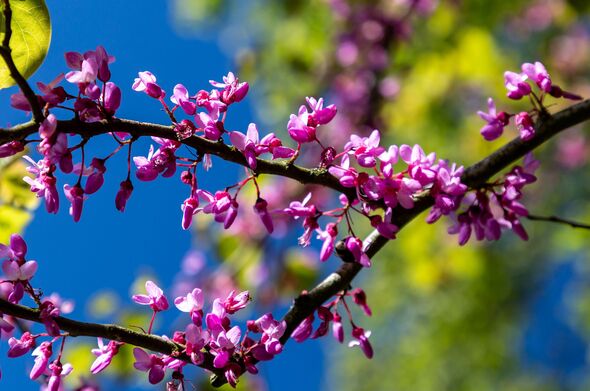
The deep pink flowers on a Judas Tree, Cercis Siliquastrum, in springtime (Image: Getty/iStockphoto)Focus Plant – Cercis siliquastrum (Judas tree)
This month, the Judas tree, Cercis siliquastrum, becomes a striking centrepiece. Before the canopy has filled in, clusters of rosy-pink, pea-like flowers appear on the bare branches and older wood. On mature trees, they can even bloom straight from the trunk, giving a wonderfully unique look.
A good choice for a small ornamental tree, it offers more than a single season of interest. After the flowers, rounded, heart-shaped leaves emerge, usually turning yellow in the autumn. During the summer, flattened purple seed pods can follow, adding more interest once the blossom has finished.
Plant somewhere warm and sheltered, with full sun or light partial shade. Well-drained soil is best, but once it’s established, it can cope with drier conditions. Young trees will still need watering during dry spells whilst they settle in. In smaller gardens, it works well as a specimen in a border or lawn, and can be trained against sunny walls.
Pruning is best kept light. Remove dead, damaged or awkward growth only when needed, rather than cutting hard into the older wood. For rich, purple-pink flowers, ‘Bodnant’ is a lovely option, whilst ‘White Swan’ provides a softer, white-flowered option.
Behind the Name: The name ‘Judas tree’ is linked to the legend that Judas Iscariot hanged himself from one. However, it may also come from ‘tree of Judea’, referring to the region where it widely grew.
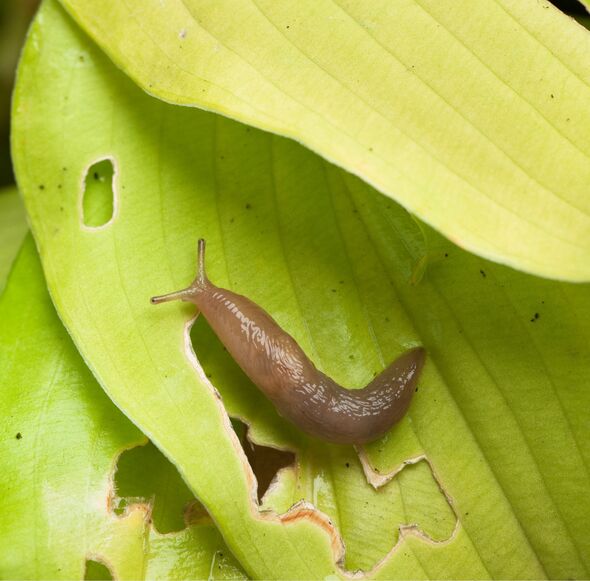
Watch our for slugs at this time of year (Image: Getty)Gardening Jobs
1. Now is an ideal time to set up a watering routine for your pots and containers, as warmer days and fresh growth mean they are drying out quicker. Check the compost with your finger, water thoroughly when needed, and aim for the roots rather than the leaves. Morning is ideal, especially before hot days.
2. Add plant supports early, before stems flop or become tangled. Lupins, peonies, delphiniums and other tall perennials are much easier to guide when growth is still young. Push supports in firmly, then let the plants grow through them naturally. You can see this in episode 11 of Step-by-Step Gardening, filmed at Blue Diamond Garden Centres’ Bridgemere Show Gardens, available on my YouTube channel @daviddomoney.
3. Remove suckers from grafted trees and shrubs as soon as you spot them. They often appear from the base or below the graft, and can take energy from the plant you actually want. Pull or cut them away cleanly, as close to the source as possible.
4. Protect vulnerable containers from slugs while new growth is soft and tempting. Check under rims and saucers, remove hiding places, and use targeted barriers or controls where plants are especially at risk. Young hostas, dahlias and seedlings are worth watching closely. Learn more about organic slug deterrents in episode 12 of Step-by-Step Gardening, on my YouTube channel @daviddomoney.
5. Make a runner bean trench before planting, so the ground is rich and moisture-retentive. Dig a trench where the beans will grow, add garden compost or well-rotted organic matter, then cover it back over. This will pay off later.
Facebook – https://www.facebook.com/DavidDomoneyTV
Instagram – https://www.instagram.com/daviddomoney/
Pinterest – https://www.pinterest.co.uk/daviddomoney/overview/
TikTok – https://www.tiktok.com/@daviddomonry
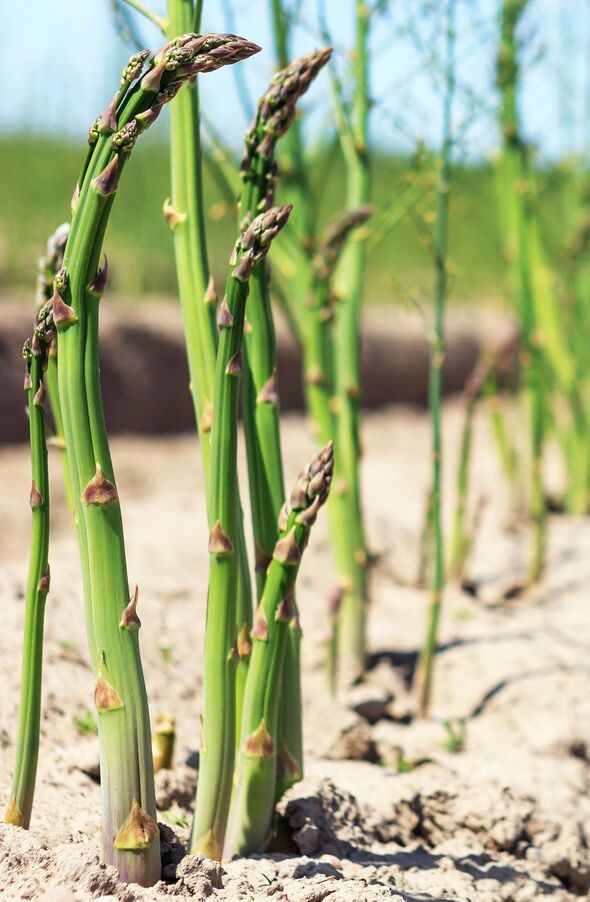
Asparagus spears are young stems, harvested before they grow on (Image: Getty)Did you know?
Herbaceous peonies can become a part of the family. Once settled in the right sunny, well-drained location, they may return for decades, with well-grown plants lasting up to 50 years.
Asparagus spears are young stems, harvested before they grow on. Leave them uncut and they develop into tall, ferny growth which helps to feed the crown for next year’s crop.
Cowslips have long been linked with keys in folklore. Their nodding yellow flowers were called ‘keys of heaven’ or ‘St Peter’s keys’, thanks to their shape and old spring legends.
Some acacias appear to use airborne chemical signalling when grazed. Damaged leaves can release ethylene, which may prompt nearby trees to increase tannin levels, making their foliage less palatable. It is not a conscious warning, but clever plant chemistry at work.
Comments are closed.