
Like many gardeners, I have a complicated relationship with weeds (note my use of the plural here). So while I do my best to sensitively manage them in my garden so that they don’t take over, I simultaneously can’t help marvelling at their tenacity and ability to endure.
It’s almost impossible, for example, not to feel wonder at the indomitable lifeforce of a dandelion growing in the thinnest of cracks on a sun-baked city pavement. Or the ingenious way in which the colonising runners (technically modified stems) of creeping buttercup are perfectly engineered to enable them to swiftly maraud across a flower or vegetable bed, or even an entire field.
Dig up the long, fleshy root of a dock, and I challenge you not to feel a grudging sense of respect for its steely ability to plunge itself deep into even the most compacted of soils, while simultaneously extracting and then hoarding valuable plant nutrients. Or to not be in awe of horsetail’s capacity, as what’s known as a bioaccumulator, to extract metals from the ground including zinc, arsenic, gold and mercury.
 Wild flowers growing on the verges of a rural lane. Photograph: Getty
Equally, is it not gloriously gobsmacking that the golden-yellow petals of a buttercup are ingeniously designed to both illuminate and gently heat the centre of the flower as a way of attracting pollinating insects? Or that the spreading perennial weed known as silverweed was once cultivated as a food crop, on account of its crisp, nutty flavour? Or that the other common name of ground elder – “bishop’s goutweed” – hints at this non-native weed’s very long history of use as a valued medicinal plant for the treatment of arthritis, rheumatism and disorders of the bladder and intestine, going back to the Roman era?
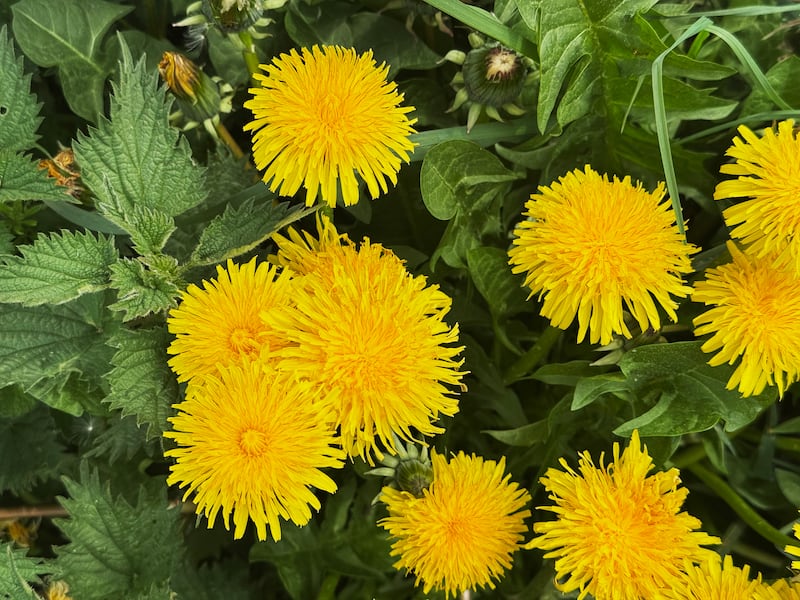
Of course as any environmentalist will confirm, weeds’ versatility and dogged resilience are worthy of more than just our reluctant admiration. Without our native “weeds”, entire habitats would collapse, food crops fail and soil health dwindle. The humble dandelion, for example, is a vital early source of nectar and pollen for pollinating insects emerging in late spring, while its distinctive fluffy “clocks”, or seedheads, are a valuable food source for birds, and its leaves for small mammals. Another outstanding example of a bioaccumulator or dynamic accumulator, its probing tap roots also help with drainage and counter compaction, making it an invaluable pioneering species for the phytoremediation of damaged or contaminated soils.
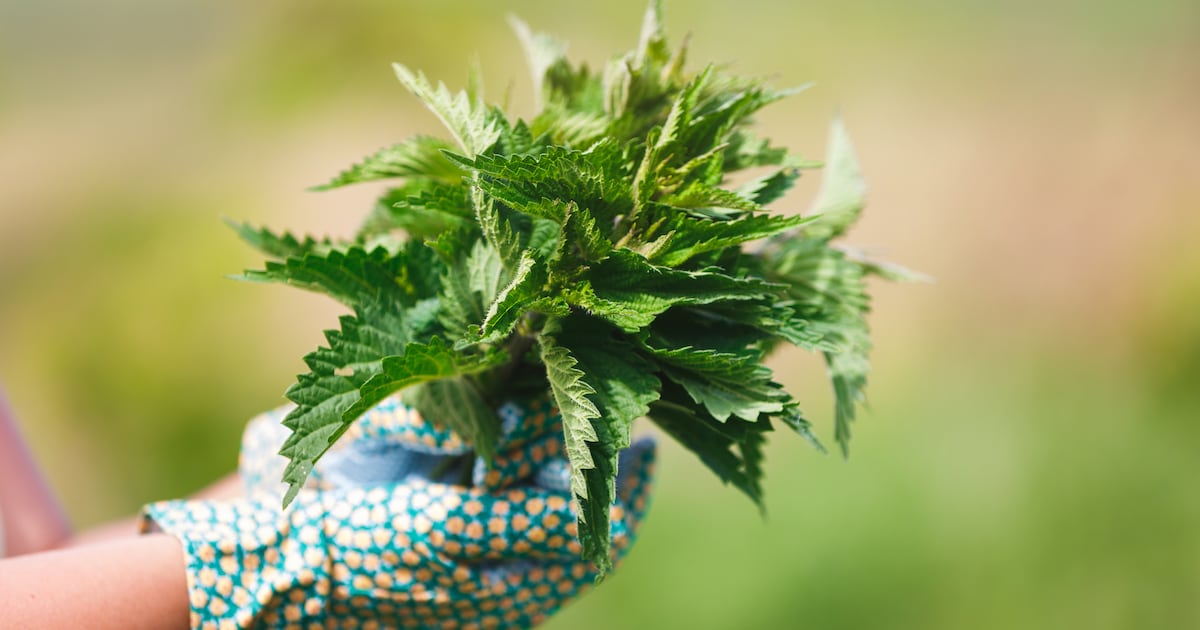
Meanwhile the common nettle is a vital host plant for the eggs and larvae of some of our best-loved butterflies, including the small tortoiseshell, peacock, red admiral and painted lady, as well as for many native species of moths such as the nettle-tap, burnished brass, buff ermine and flame moth. Considered a cornerstone species for biodiversity, a wide variety of pollinating insects including those same butterflies and moths also feed on its flowers, while its seeds are prized by birds including finches and sparrows.
[ Is cardboard safe to use as a weed suppressant in my garden?Opens in new window ]
Non-native weeds, it’s true, are often harder to love than their native counterparts. Many are highly invasive and can be disruptive and even destructive of natural habitats. Examples include Japanese knotweed, a long-lived herbaceous perennial originally introduced as an ornamental in the Victorian era before its thuggish ways led to it being outlawed, albeit too late. Famed for its rapid growth, dense wiry root systems and ability to form tall, almost impenetrable stands, it outcompetes native wild plants, destabilises river banks, and impedes wildlife corridors. Its only small plus from a biodiversity point of view is that its abundant white flowers, which appear in late summer to autumn, are a very rich source of nectar – knotweed honey is considered a great delicacy and sells for high prices – but even this comes at a cost to native species.
It’s a similar story for rhododendron ponticum, the evergreen shrub first introduced in the mid-18th century. Now classed as an invasive, it’s become naturalised in many parts of the country to the point where it poses a serious threat to native woodlands and the wildlife that depend upon them.
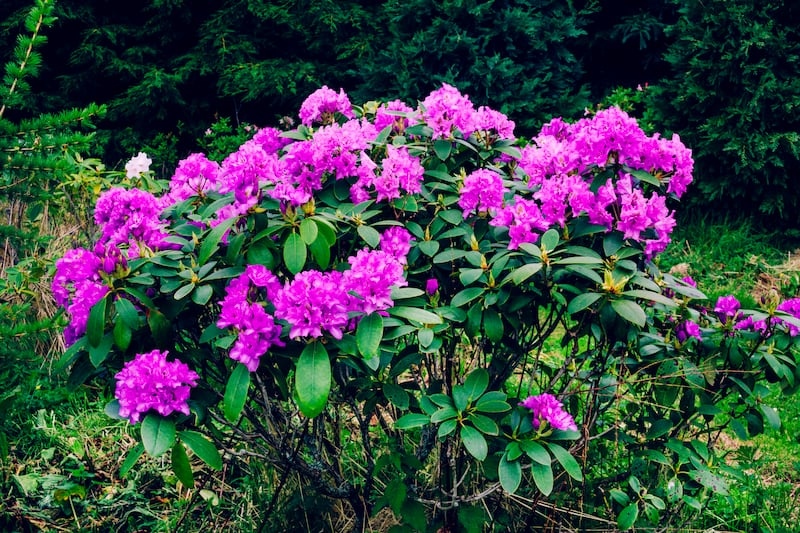 Rhododendron ponticum. Photograph: Getty
The moral of this story? Garden weeds come in many shapes and sizes, their roles and interactions within the natural world are complex and multilayered, and there is no “one size fits all” approach in terms of successfully managing them, something we gardeners ignore at our peril. For all these reasons, tempting as it may be, the use of weedkiller is hard to justify except in cases where the weeds in question pose a very real threat to either the natural or built environment.
[ My hedge is full of weeds. How can I get rid of them?Opens in new window ]
In my own garden, we’re taking a multipronged organic approach to managing its diverse weed population, using a combination of hand-weeding, hoeing, mulches of manure, straw, old leaves, home-made garden compost and high-quality commercial products (see geeup.ie and rhs.org.uk) as well as temporary “smothering” mulches of black plastic and cardboard in areas used intensively for the cultivation of food and ornamental plants. Scything, mowing and strimming are also helping to gradually reduce the seedbank of weeds in these areas. So is adapting a “minimum dig” approach where possible, which helps to prevent any weed seeds already in the soil from easily germinating. We also use nutrient-rich weeds such as nettles, dock and dandelions to make liquid plant feeds or “weed tea”, a wonderful boon for plant health.
But elsewhere in the garden, from the dandelion-fringed avenue to the herb Robert that sprinkles itself along the tops of the old stone walls, and the scarlet pimpernel that daintily studs the gravel paths, its “weeds” hold sway, just waiting for an opportunity to recolonise what’s theirs.
This week in the gardenHold off mowing areas of the lawn where spring bulbs are growing to allow the foliage to naturally die back and ensure a good flowering display next year.As temperatures continue to rise, day length extends and plants’ need for water increases, make sure to keep pots and containers well-watered to avoid a sudden check to plant growth.Dates for your diary
Mount Congreve Garden Festival Kilmeaden, Co Waterford; Sunday, May 10th (9am-5pm). With specialist plant stalls and a talk by horticulturist Elmer Dool, son of former garden director, the late Hermann Dool. mountcongreve.com
RHSI Russborough Garden Show Blessington, Co Wicklow; Sunday, May 17th (8am-5pm). With plant stalls, garden suppliers, expert talks and demonstrations. rhsi.ie
Comments are closed.