

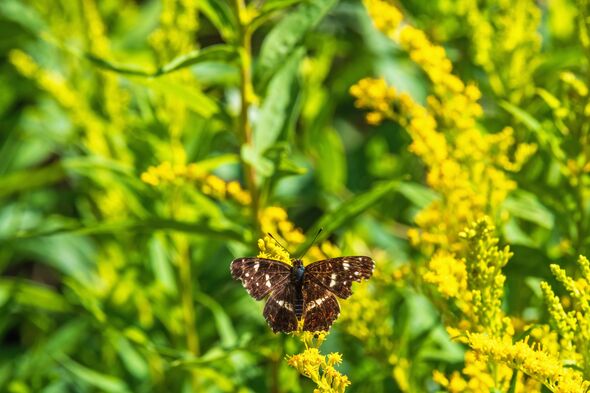
Butterflies add colour and life to your garden (Image: TT via Getty Images)
With milder conditions already emerging and summer officially beginning next month, May represents a vital period for homeowners to prepare their gardens ahead of the warmer season. From straightforward maintenance tasks to simple improvements, the effort invested now can significantly impact how your outdoor area looks and performs in the coming months.
Christopher Murphy MBE, founder of Dunster House, garden building specialist, shares six garden tasks to complete in May to guarantee your garden reaches its best during the summer period.
Garden tasks to complete in May
Deep clean patios, decking and fencing
Algae, dirt and mildew can accumulate on patios, decking and fencing throughout the winter period, leaving some with an unappealing green tinge. As conditions gradually improve and garden time increases, it’s advisable to give these surfaces a thorough clean to prepare your surroundings for summer.
You’ll require a stiff brush or pressure washer, an appropriate outdoor cleaner, and protective treatments for timber or stone. Begin by removing debris, then wash surfaces completely, focusing on joints, ridges and corners where grime can readily gather. Once dry, apply a sealant or timber treatment to safeguard against summer conditions and frequent use.

Christopher Murphy MBE, founder of Dunster House (Image: Dunster House)
Read more: Couple buy £169k house aged 19 without help by cutting four things
Read more: Property lawyer explains when you can cut neighbour’s overhanging branches
Refresh and upgrade garden buildings
Following a lengthy, bitter winter, applying a fresh coat of paint or stain to your garden buildings ranks amongst the easiest methods to revitalise their look and prolong their longevity. You’ll require exterior wood paint or preserver, brushes or a roller, and essential preparation tools such as sandpaper and a cleaning solution.
Begin by clearing and cleaning all surfaces, stripping away any dirt or peeling paint, then lightly sand the area to achieve a smooth foundation. Once prepared, apply a fresh, weatherproof coating evenly, selecting a colour that suits your garden’s aesthetic or helps open up the space if your garden is compact, such as soft natural greens, light neutrals or cold greys.
Once the exterior has dried, improve the interior with straightforward additions such as shelving for storage or lighting to make the area more functional.
Support wildlife and pollinators
Bees, butterflies and other pollinators are vital not only for biodiversity but also for enhancing flowering and crop yields throughout your garden. To encourage them, choose pollinator-friendly plants such as lavender, alliums and wildflowers, which offer abundant sources of nectar and pollen across the season; however, if you have pets or young children, ensure you investigate the toxicity of any plants you select before introducing them to your garden.
Some highly toxic plants to be aware of include:
FoxglovesLily of the ValleyOleanderHydrangeaWisteriaRhododendronAzalea
It’s also worthwhile to provide a shallow water source for wildlife including birds, hedgehogs and bees. The RSPB advises changing the water daily and cleaning containers weekly to help prevent the spread of disease.
Sow summer harvest vegetables and fruit
Planting in May enables crops to fully benefit from warmer soil and extended daylight hours, resulting in improved yields. Prepare seed trays or garden beds, quality compost, and suitable seeds for the season.
Vegetables such as runner beans, French beans, courgettes, carrots, beetroot, lettuce and sweetcorn all flourish at this time of year. For fruit, consider strawberries, tomatoes, cucumbers and even melons in warmer or sheltered spots. Follow packet, or label (if you are buying plants), instructions for spacing and depth, water consistently, and protect young seedlings from pests, such as slugs and birds.
Early lawn maintenance establishes the groundwork for a dense, healthy lawn capable of withstanding summer use. From May onwards, aim to mow weekly, but never remove more than a third of the blade height at a time, as cutting too short can stress the grass and encourage weeds.
Apply a seasonal feed, tackle any bare patches, and aerate compacted areas if needed. Regular lawn maintenance now prevents patchiness and improves resilience, delivering a lush lawn throughout the summer. If you’re participating in No Mow May, think about allowing certain sections of your lawn to grow longer to help pollinators, while keeping high-traffic areas trimmed as required. This measured strategy enables you to enhance biodiversity without sacrificing the functionality of your outdoor space.
Enhance shed and garden building airflow
Sheds, summer houses and greenhouses can serve multiple purposes, whether for storage, pastimes or leisure. Better ventilation enables you to utilise them more consistently year-round by establishing a more pleasant and stable interior environment.
Proper airflow is essential for temperature control, stopping spaces from becoming excessively hot in direct sunshine, while also reducing moisture accumulation during cooler or damper periods. With appropriate ventilation installed, these buildings can stay practical and pleasant to use throughout shifting seasons.
Straightforward solutions are frequently successful, such as installing vents or making greater use of windows and doors to promote natural cross-ventilation. In greenhouses, roof vents and automatic openers can assist with more efficient temperature management, while shade netting in greenhouses can offer extra comfort and plant protection on especially warm days.
Begin by confirming existing airflow points are unobstructed, then expand on this with further ventilation where necessary to sustain a consistent flow of fresh air.
Comments are closed.