

Experts say simple changes at home can help support wildlife and boost biodiversity.
As David Attenborough turns 100, experts are urging people to make their gardens more wildlife friendly.(Image: Colin Davey/Getty Images)
As David Attenborough celebrates his 100th birthday, gardening experts are encouraging households to honour the broadcaster’s environmental legacy by transforming their gardens into wildlife friendly spaces.
Sir David, whose documentaries have shaped public understanding of the natural world for decades, has long highlighted the importance of biodiversity and habitat protection. Experts now say his message can be reflected in everyday gardens through simple changes that support pollinators, insects and local wildlife.
Chris McIlroy, lawn expert at The Grass People, said many viewers inspired by Attenborough’s work can apply those lessons directly to their outdoor spaces.
“David Attenborough has taught millions about the natural world. And for viewers that feel inspired by his work, they can take action and apply those teachings to their own back garden.”
Experts say people can take inspiration from David Attenborough by making simple wildlife friendly changes to their gardens.(Image: Getty Images)
One of the key recommendations is planting wildflowers, following dramatic declines in Britain’s natural meadows over recent decades.
Around 97% of UK wildflower meadows have disappeared since the 1930s, a figure Sir David has previously discussed publicly as concerns around biodiversity loss continue to grow.
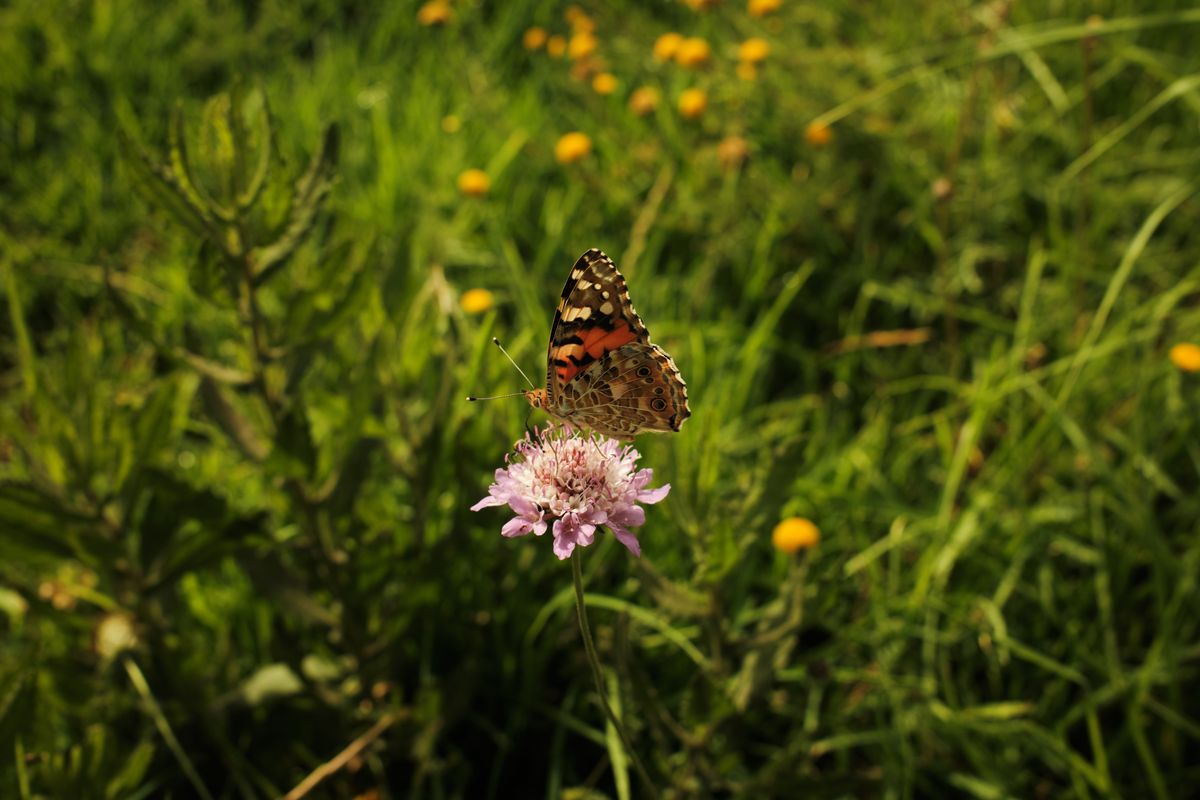
Mr McIlroy said adding wildflowers to gardens remains one of the easiest ways to attract pollinators such as bees and butterflies.
“Planting wildflowers in your own garden is one of the simplest ways to boost biodiversity and give a helping hand to bees, butterflies and other pollinators who might visit,” he explained.
“Spring is a great time to plant wildflowers as you need soil to be warm and moist to enable seeds to germinate. And it’s a time when local wildlife also come alive and are looking for resources.”
Gardeners are also being encouraged to consider adding clover to lawns as a more sustainable alternative to traditional grass only spaces.
Clover naturally fixes nitrogen into the soil, reducing the need for fertilisers and additional lawn treatments. Experts say it can also help attract pollinators while requiring less maintenance.
“As well as attracting bees and other pollinators, clover also requires less mowing and can maintain its green colour all year round. You can add seed to your normal lawn to give it an ecological boost,” Mr McIlroy added.
Creating habitats for wildlife is another way homeowners can support local ecosystems, particularly as urban development continues to reduce natural shelter for insects and small animals.
Mr McIlroy said even small features can have a significant impact on biodiversity.
“Letting a wildflower section grow, adding a log pile, or installing a bug hotel can all provide shelter for insects, hedgehogs and other small creatures.”
“David Attenborough has long championed the importance of every species in the ecosystem, and gardens can become important stepping stones for wildlife struggling with habitat loss.”
Experts are also encouraging households to think more carefully about water use outdoors following repeated dry summers and hosepipe restrictions across parts of the UK.
Collecting rainwater in water butts can help reduce pressure on water supplies while keeping plants and lawns hydrated during warmer weather.
“Making water saving changes is a great way to make your garden more sustainable. Collecting rainwater in a water butt can help reduce waste, especially during warmer months when grass and plants need more hydration,” Mr McIlroy said.
“We’ve seen hosepipe bans over the last few summers as water reserves dwindled, so being prepared will also ensure your garden continues to thrive.”
Comments are closed.