

There’s nothing like a marigold to bring a sense of sunshine to your garden. Celebrated for their vivid orange blooms – and long growing season (they’ll be flowering from summer to autumn) – this fast-growing aromatic annual is a great companion in a kitchen garden and looks lovely displayed in the home, too.
Its pretty petals are also edible, with a punchy, peppery taste, bringing a burst of sunshine to salads or even risottos (they look cheery on a cake, too).
May marks the perfect time to sow marigolds outdoors, once the soil warms and the risk of frost has passed. One of the fastest-growing flowers, you’ll only have to wait about 8 weeks before you’re basking in the glow of unfurling flowers!
We asked Dr Russell Sharp, Founder of Eutrema and a UK plant scientist and former Senior Lecturer in Horticulture, for his top tips for growing:
Where should you plant marigolds?
Marigolds flower best in full sun. Clear any weeds, rake the soil so it’s crumbly, and make sure it drains well – marigolds hate sitting in wet soil. If your soil is heavy clay, mix in some garden compost, plus a little horticultural grit, to help water drain away.
You can sow outdoors for the simplest option, or start seeds under cover for earlier colour. If you’ve started them indoors, harden them off first, then plant out from late May (or early June in colder areas).
Water regularly while they’re settling in. After that, water well but less often – it pushes roots down and makes plants tougher. Pinch out the tips when plants are young for bushier growth, feed lightly once they’re established, and keep deadheading to keep flowers coming.
How do you sow marigold seeds?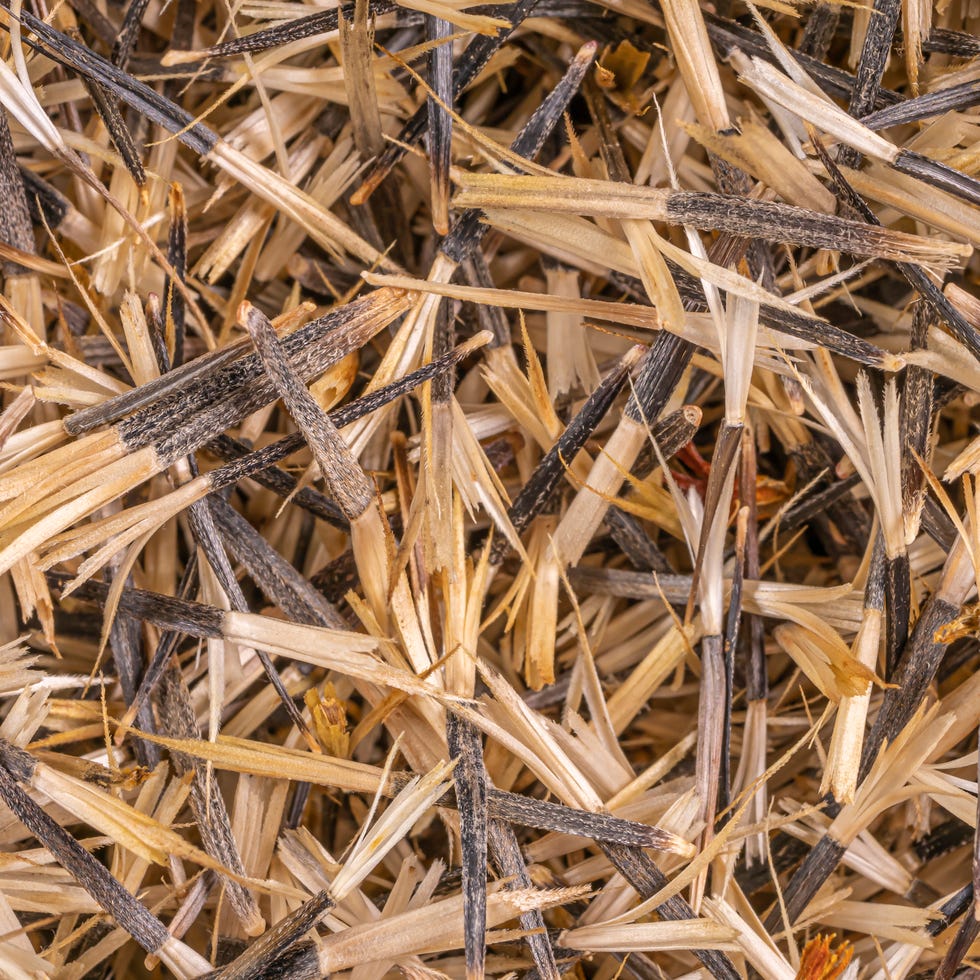
 GenRy//Getty Images
Sow seeds into soil that’s damp
For outdoor sowing, water the shallow groove (drill) first so seeds go into damp soil, then sow thinly and cover with about 0.5 to 1 cm of soil.
Gently firm it down, label the row or pot, and keep the surface lightly moist until seeds sprout. Indoors, sow into seed compost in trays or modules somewhere warm (around 18 to 21°C).
Cover lightly with a fine sprinkle of compost (vermiculite is great if you have it, but not essential). As soon as seedlings appear, give them plenty of light to avoid weak, leggy growth.
How do you nurture marigold seedlings after germination?
After germination, they’ll need lots of light, not too much water, and no big temperature swings. Keep compost just moist rather than soggy. When you see the first true leaves, move seedlings into their own small pots (a 9 cm pot is fine) using a free-draining compost mix.
Before planting out, harden them off for 7 to 10 days so they get used to outdoor conditions like wind, sun and cooler nights.
How can you encourage better growth in marigolds?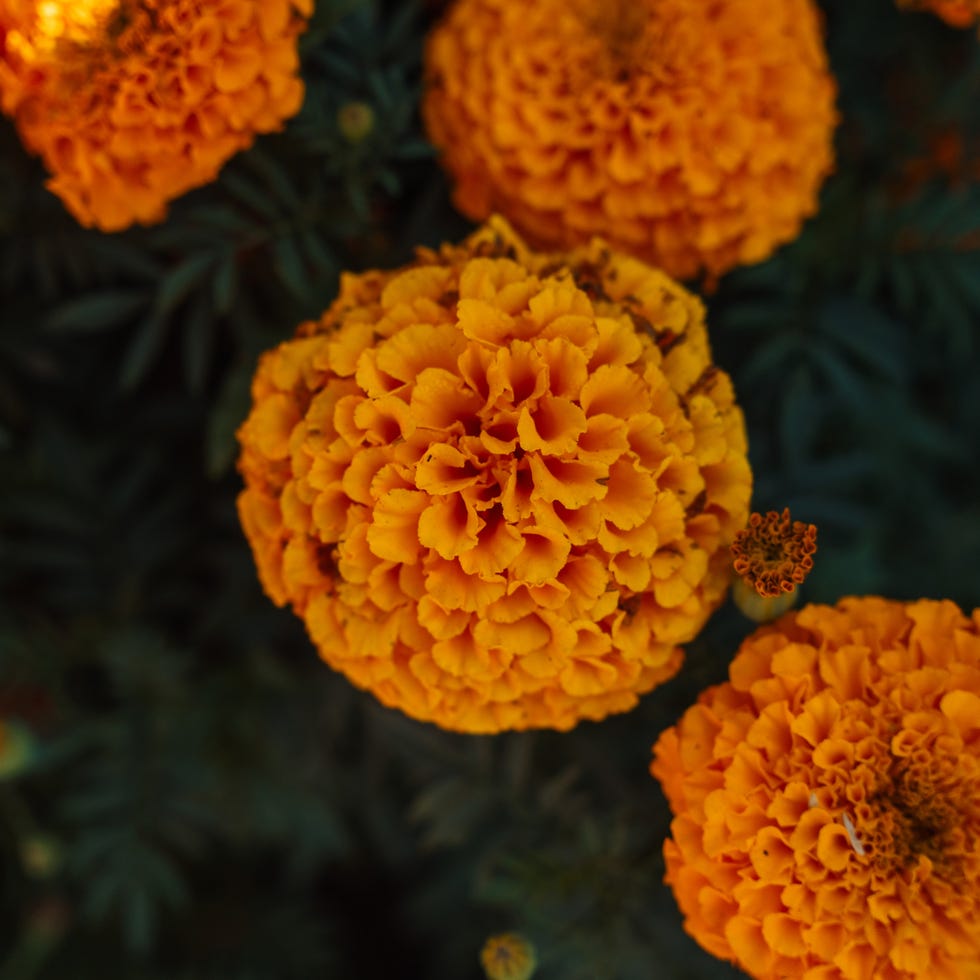 Anastassiya Bezhekeneva
African marigolds are native to the Americas rather than Africa…
Give them the right spacing for the type, so they’re not fighting each other for light and water. French marigolds suit about 20 to 25 cm, African marigolds 30 to 40 cm, and Calendula around 25 to 30 cm. When plants are about 10 to 15 cm tall, pinch out the tip – it usually makes them branch and flower more.
About two weeks after planting out, feed every fortnight with a balanced feed. When buds start forming, switch to a higher potash feed to support flowering rather than lots of leaf.
If the weather’s very dry or up and down, a seaweed feed can help plants settle and cope, especially in pots.How should you care for marigolds once they have bloomed?Once they’re flowering, consistency is the main thing.
Deadhead frequently, keep watering steadily in hot spells, and continue light feeding to support blooms.
If they look tired in mid-summer, cut them back by about a third, then water and feed – they’ll often bounce back with fresh growth and more flowers. At the end of the season, pull plants up and compost them if they’re healthy, and clear away fallen leaves and stems to reduce pests and disease carrying over.
How should you water marigolds?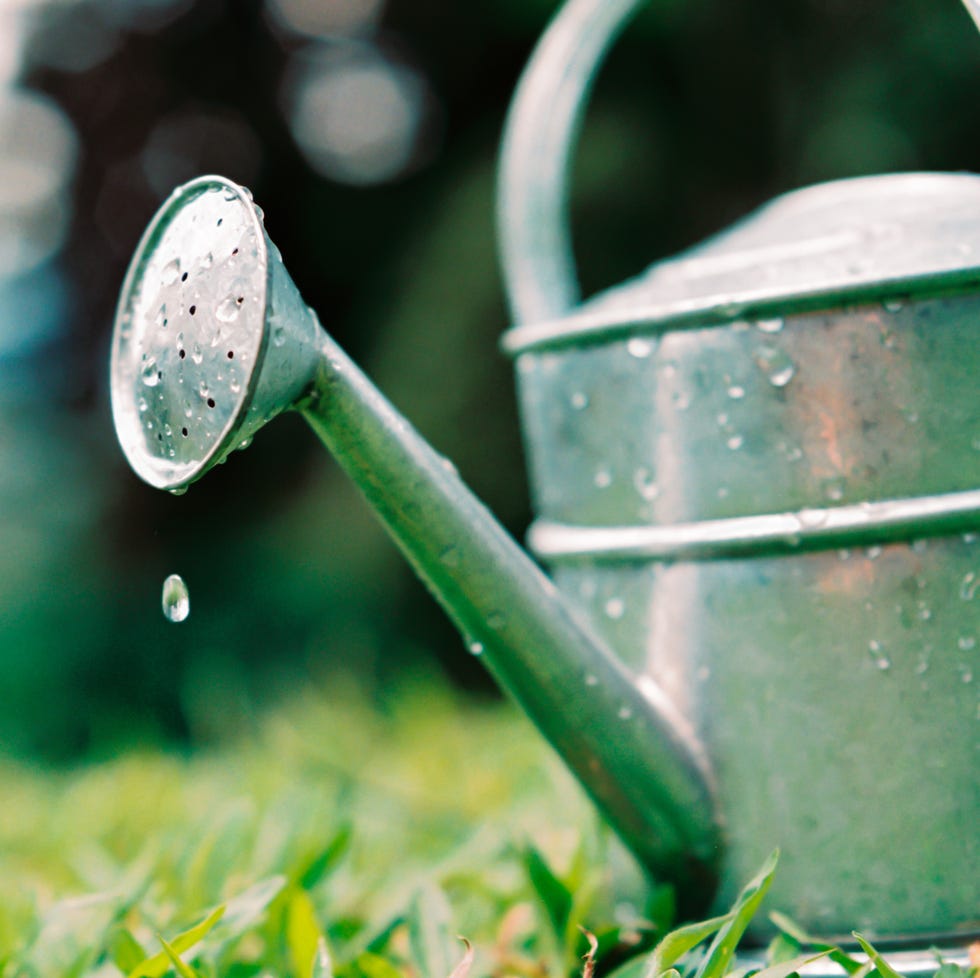 Flavio Coelho//Getty Images
Water marigolds, morning watering works best
Water well at the base, then wait until the top couple of centimetres of soil feels dry before watering again.
In borders, that usually means a deep soak once or twice a week in hot weather, while containers may need checking daily. Morning watering works best because foliage dries quickly. Try not to do little and often sprinkling – it keeps roots shallow and plants struggle more in the heat.
What soil do marigolds prefer?
Marigolds like moderately fertile, free-draining soil. They’re not fussy, as long as they’re not sitting wet. If you’ve got clay soil, improve drainage with compost and a bit of grit, and avoid low, waterlogged patches where roots can struggle and flowering suffers.
How do you cut and deadhead marigolds?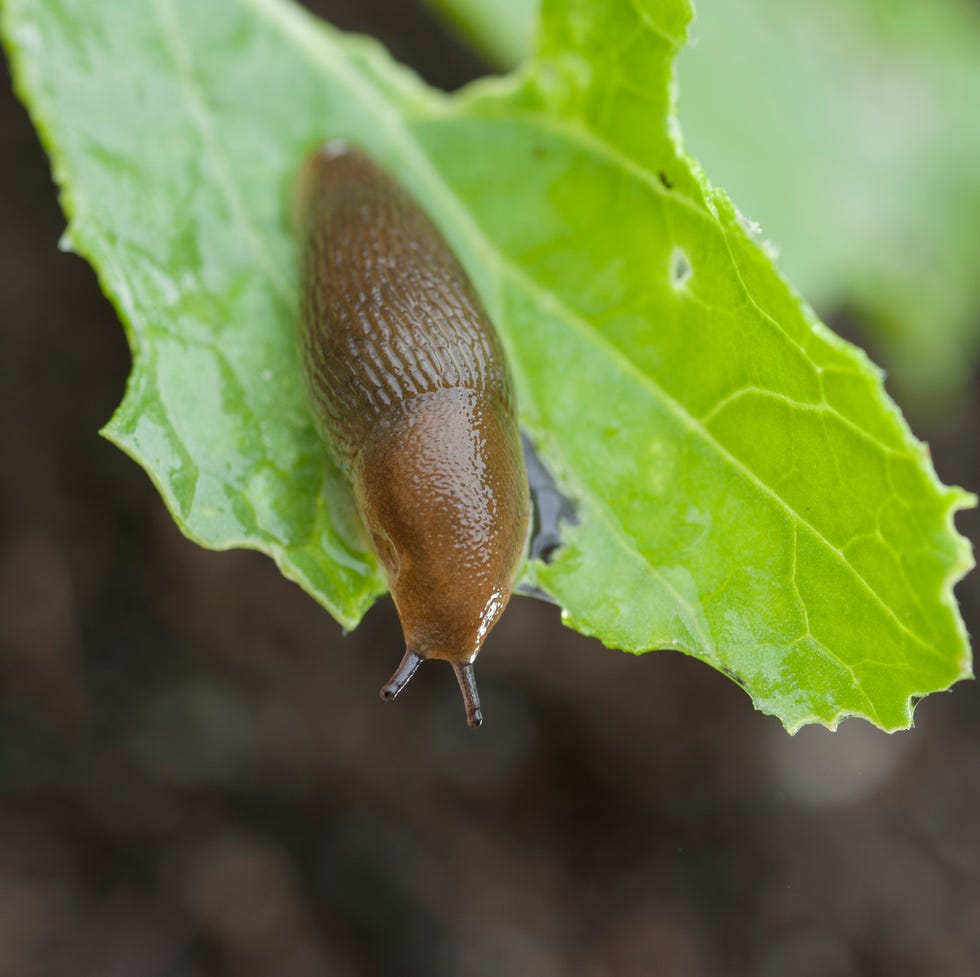 Joseph De Sciose / Aurora Photos//Getty Images
Stop slugs in their tracks with liquid ferric phosphate
To deadhead, snip the spent flower and its stem back to just above a leaf joint – that encourages new shoots and more buds. For Calendula, cutting flowers for the vase does the same job and often leads to more blooms.
If you want to save seed, leave a few flowers to dry fully on the plant, then collect and store them somewhere cool and dry.
If pests like aphids or whitefly appear, a gentle ‘insecticidal soap’ spray can help, and it’s worth encouraging beneficial insects like ladybirds and lacewings. For slugs on young plants, apply a protective solution of liquid ferric phosphate.
Calming garden plants edit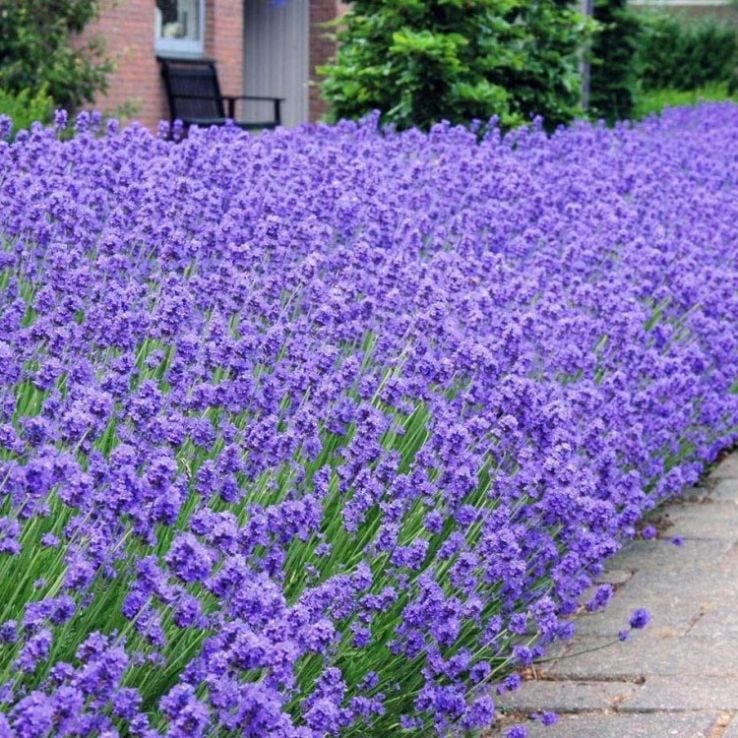 Munstead English Lavender
 Handsome Heuchera Collection
Now 50% Off
Comments are closed.