
Key Points
Begonias may not bloom for a variety of reasons, often linked to some form of stress.
Proper watering, light, and fertilization are key to healthy blooms.
Temperature extremes can delay blooming, with cold causing dormancy and heat stressing the plants.
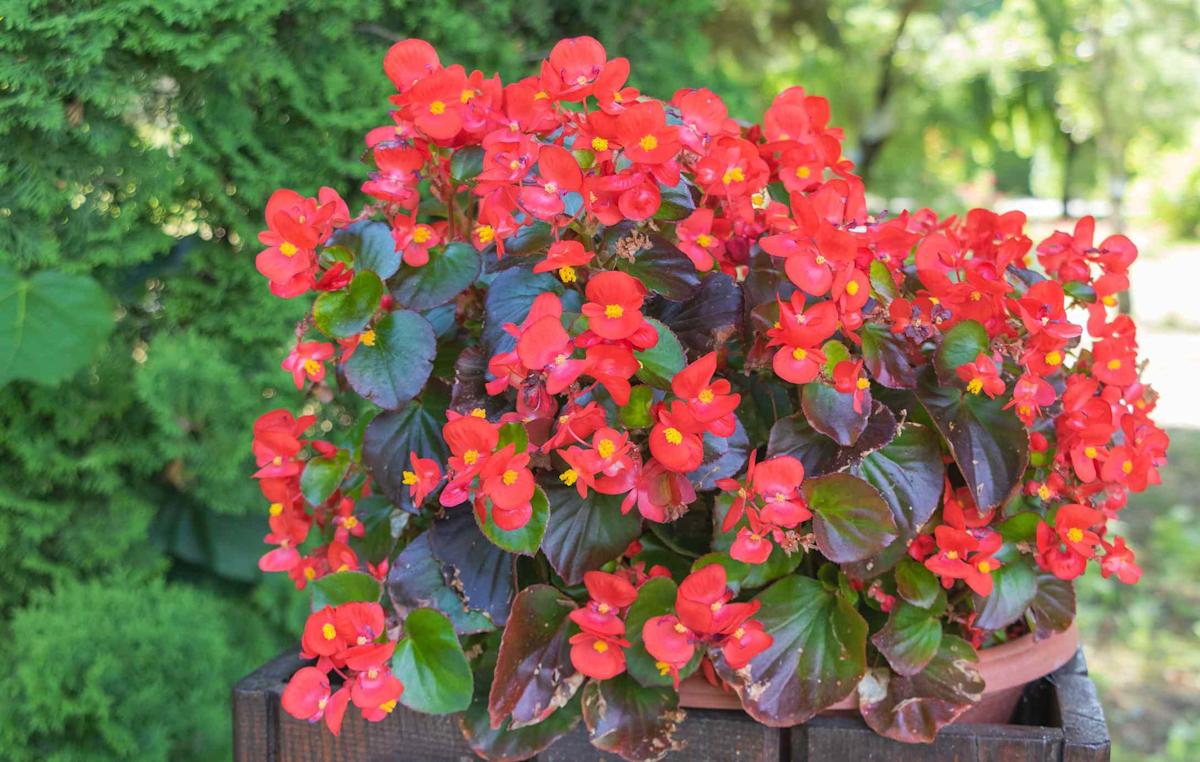
Begonias are a staple of the shade garden, and they provide long-lasting color and interest. This large genus of over 2,000 plants varies in form, with some grown primarily for their foliage (like rex and polka dot begonias), while others are grown for their stunning flower displays.
Under the right conditions, begonias flower from spring to early fall, going dormant in the cooler months or dying off completely in below freezing temperatures. If you’re not seeing blooms this spring or summer, it might come down to a few common, fixable issues.
Here are five reasons your begonias aren’t blooming, plus exactly how to get them back on track.
Meet the Experts
Ondrea Kidd is the lead floral designer and founder of Sowing Joy Farm in Post Falls, Idaho.
Alicain Carlson has a PhD in horticulture, is the head of marketing for Syngenta Flowers America, and is a National Garden Bureau member.
Sean McManus is a horticulturist, National Garden Bureau member, cohost of the Spoken Garden YouTube channel, and coauthor of The First-Time Gardener: Growing Plants and Flowers.
You Bought the Wrong Type of Begonia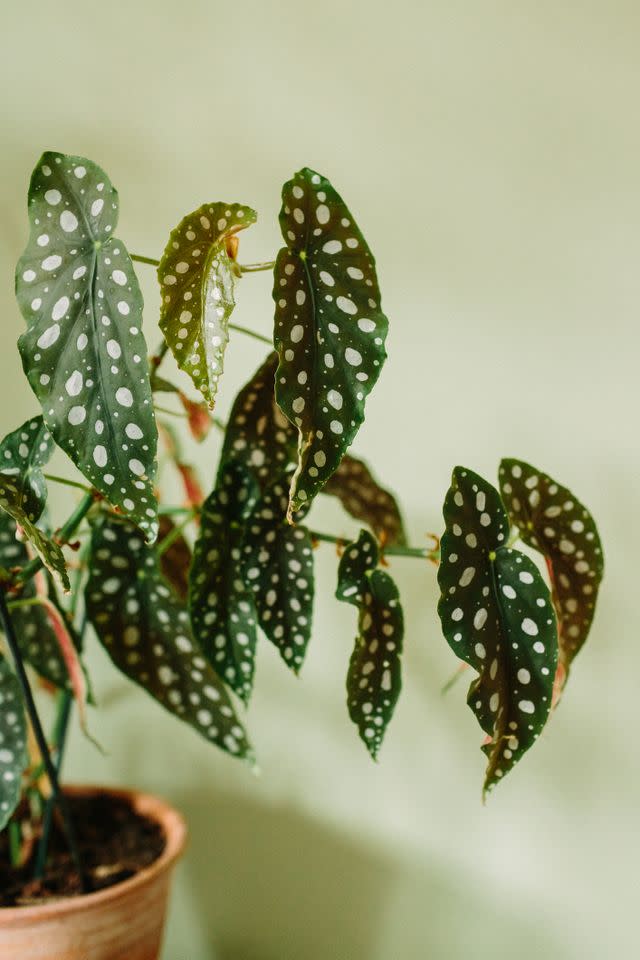
Credit: Hanneke Vollbehr / Getty Images
First and foremost, it’s important to ensure you are growing the right kind of begonia for blooms, says Ondrea Kidd, lead floral designer and founder of Sowing Joy Farm.
Advertisement
Advertisement
Some begonias, like polka dot begonias and rex begonias, are more sought-after for their interesting foliage, and they actually have short-lived, relatively underwhelming flower displays.
Tuberous, fibrous-rooted, and hardy begonias are the ones known for their beautiful, long-lasting blooms. These include popular varieties like the Nonstop series, Solenia ‘Dusty Rose’ begonia, ‘Bedding’ begonia, Cocktail series, Ambassador series, and more.
You’re Over or Under-Watering
As with many plants, over- or under-watering your begonias can become a real problem affecting flowering. Begonias thrive in evenly moist soil and are sensitive to both drought and soggy, overwatered conditions.
The key to ensuring you’re watering your begonias properly? Dr. Alicain Carlson, head of marketing for Syngenta Flowers America, says you should never water your begonias on a strict schedule.
Advertisement
Advertisement
Rather, you should water your plants when the soil indicates its ready, since fluctuating factors like temperature, light, and humidity can affect how quickly a plant’s roots absorb water.
“Stick your finger an inch into the soil; if it feels damp, wait. Always apply water to the soil at the edge of the pot, avoiding the stems and the center of the plant,” she says.
Insufficient Light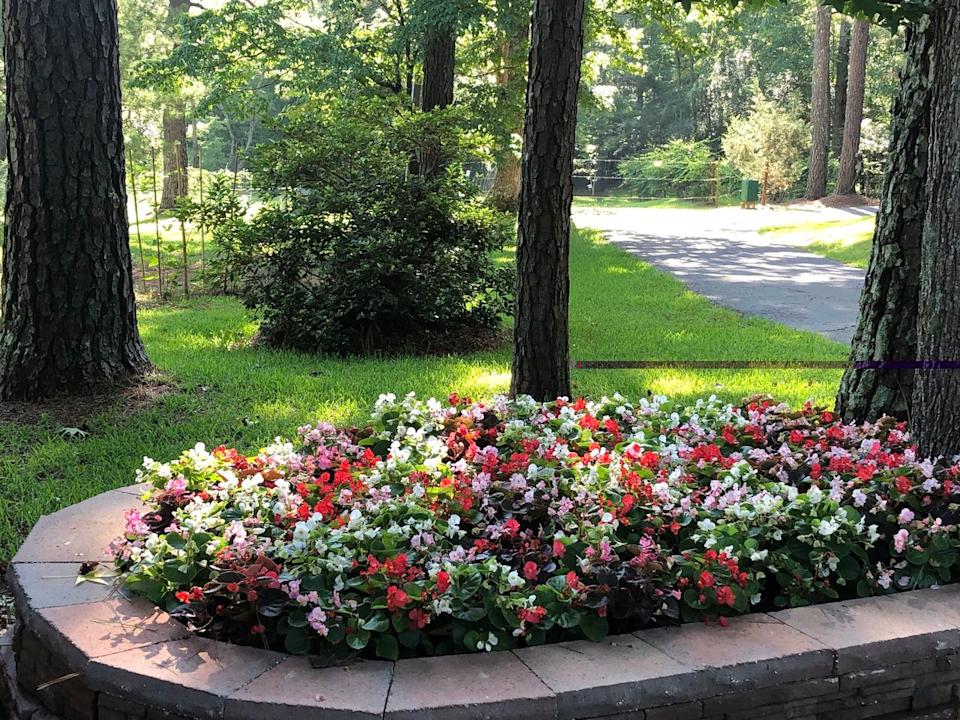
Credit: ANCHASA MITCHELL / Getty Images
Begonias are known for thriving in shady conditions, but that doesn’t mean they will produce flowers in total darkness. In fact, even deep shade may be too dark for them. Instead, you should plant your begonias in a location that receives partial shade or dappled light throughout the day.
“Most begonias only like around six total hours of partial sun each day, but the average range of partial to dappled light is four to six hours, daily,” Sean McManus, horticulturist and co-host of the Spoken Garden YouTube channel, says.
Advertisement
Advertisement
The caveat, McManus adds, is your climate. For example, in hot southern regions, begonias will need more respite from the sun than plants grown in cooler northern climates.
As a general rule of thumb, keep your begonias out of the hottest afternoon sun of the day, but remember they still require some indirect light to encourage blooms.
Improper Fertilization
Fertilizing your begonias properly is a delicate balancing act. Tuberous begonias are known to be heavy feeders that appreciate regular fertilization throughout the growing season to maintain their thick stems and oversized flowers. Underfertilized plants will look stunted, struggle to bloom, and may display pale, sickly-looking foliage, Carlson says.
However, using the wrong fertilizer, or overfertilizing your plants can lead to a buildup of nitrogen, resulting in unwanted vegetative growth, Kidd adds.
Advertisement
Advertisement
For best results, Carlson recommends using a balanced fertilizer, such as a 10-10-10, every two weeks during the growing season.
Testing the soil pH can also give you a good understanding of your plant’s baseline and tell you if the soil is unusually high in nitrogen so it can be remediated.
The Temps Are Too Extreme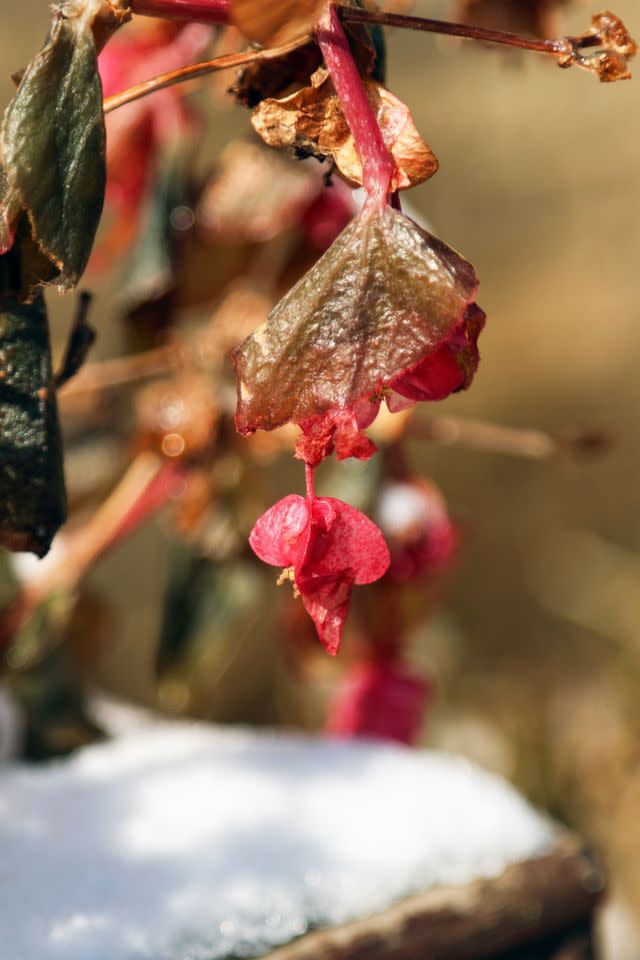
Credit: zhang eva / Getty Images
Lastly, the experts agree that temperature can play a role in whether or not your begonia will bloom. If temperatures are too cold, the plant will remain in dormancy, postponing blooms until temperatures are more favorable.
Conversely, begonias are sensitive to overheating, especially if they are not adequately watered when temperatures spike. Ideally, Kidd says they like to cool down in the evenings, so they may suffer in extreme heat waves and temporarily stop blooming.
Advertisement
Advertisement
Read the original article on The Spruce
Comments are closed.