
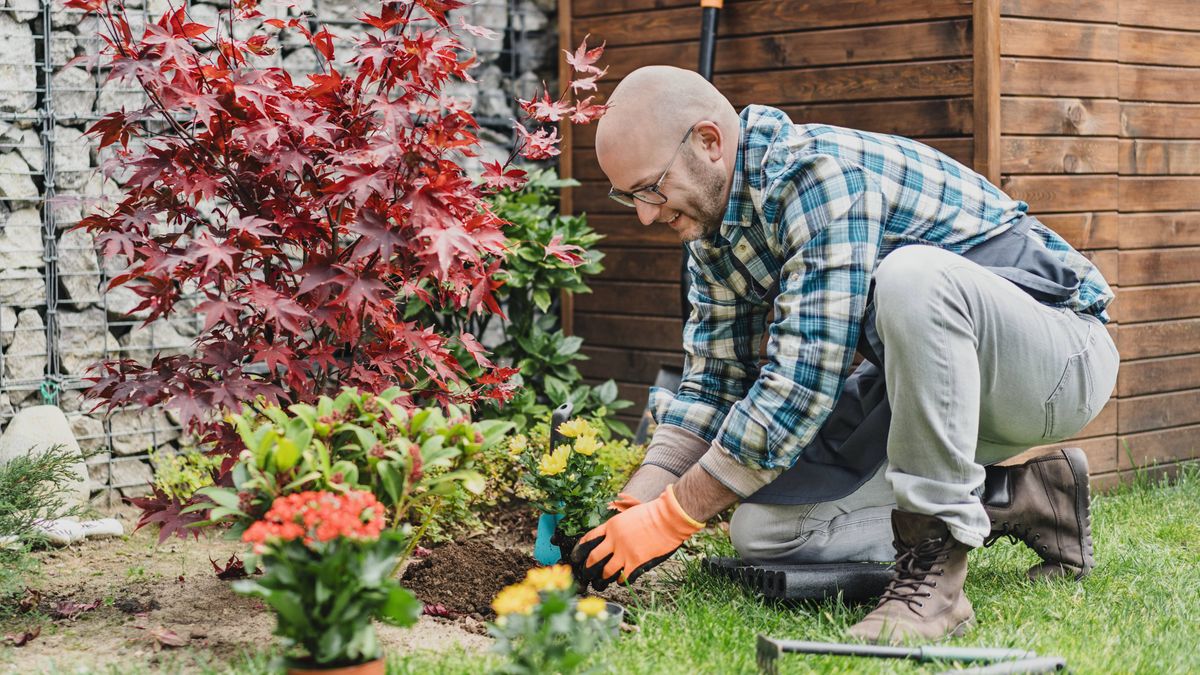
A gardening expert has shared the three jobs all households should be doing over the next month, as well as one common mistake that should be avoided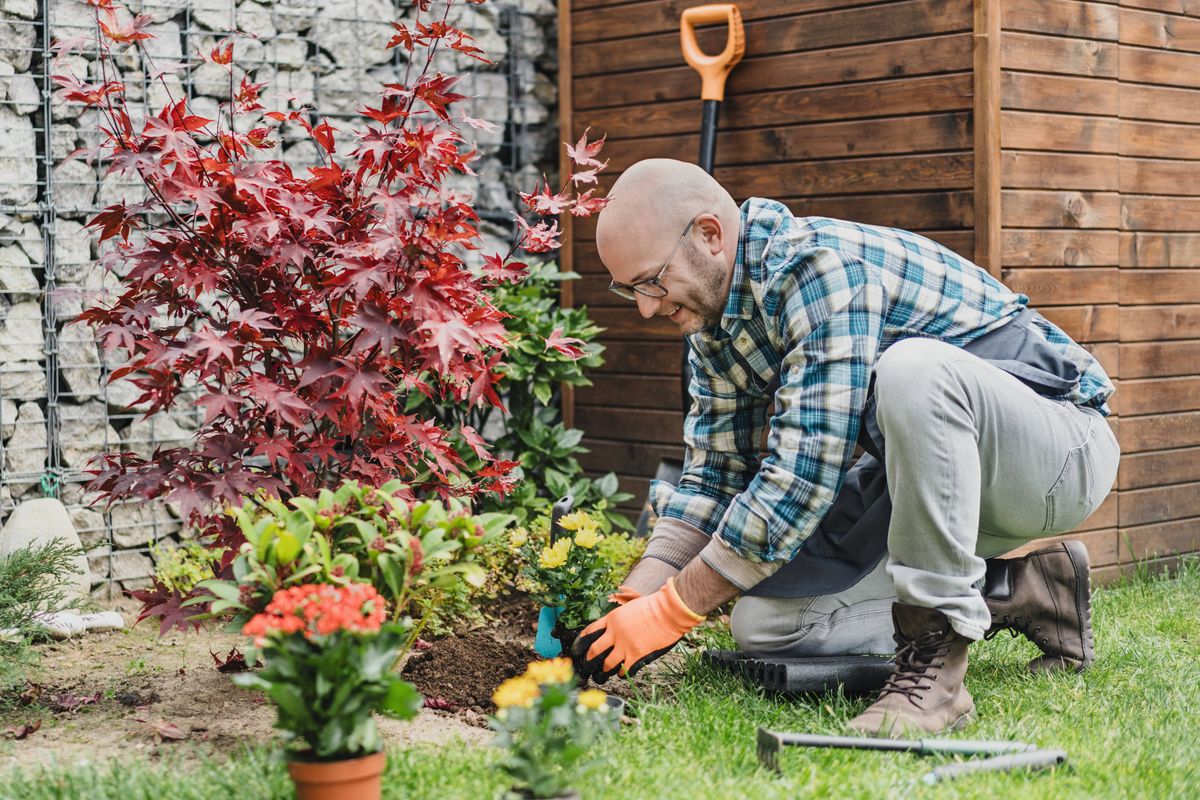
There are three jobs you should be doing in your garden this month (stock photo)(Image: BobOlito via Getty Images)
May is now well underway, and it’s an ideal time to tackle some crucial gardening tasks.
The final month of spring has officially arrived, and for those with outdoor spaces, that means starting to consider your strategy for the warmer months ahead. Your plants might already be bedded in, but there are numerous jobs left requiring attention – particularly if you’re keen to ensure your blooms survive the summer warmth.
It’s also the moment to consider your lawn. This month is sometimes referred to as “No Mow May”, when people cease cutting their grass throughout May, and sometimes extend it into mid-June. However, if you’re planning to participate in the initiative, which aims to support wildlife and insects thriving in longer grass, you might want to give your lawn a swift trim now to prevent it from becoming too overgrown.
A gardening expert has compiled a list of three essential tasks that every household should be completing in their gardens this month – along with one thing you must avoid.
Adam Kirtland shared a video on TikTok where he explained that May is a “busy” period for gardeners, so getting ahead on the various jobs is worthwhile if you’re hoping to complete them all before June arrives.
1. Mow your lawn
If you haven’t chosen to take part in No Mow May or fancy giving your grass a quick trim before storing the mower away for the month, Adam noted that the bright weather makes it the perfect opportunity to cut your grass.
Content cannot be displayed without consent
However, one mistake you must avoid is cutting your lawn too short. Adam suggested using your mower on one of the middle settings, as this will provide your grass “the trim it needs” while still permitting air to flow through, which can help your lawn grow fuller and more vibrant over time.
He added: “While you’re there, make sure to reseed bare patches, too.”
2. Fill gaps in your borders
Spring blooms like daffodils and hyacinths will be fading away around now, so if you planted these earlier in the year, you’ll have empty spaces in your borders and containers that require filling with summer varieties.
Adam suggested plugging the gaps with flowers such as dahlias, which develop from a tuber. You can simply plant this into the ground, ensuring that the stem remains visible above the soil surface. Water it thoroughly, and then you can leave it to flourish – and it will reward you with spectacular blooms throughout the summer months.
3. Give your plants the “Chelsea chop”
Adam claimed that performing something known as the “Chelsea chop” could deliver more flowers this summer. Some plants can produce blooms throughout spring and summer, but their summer display can be disappointing if you wait for the plant to shed its faded flowers and produce new ones naturally.
Choose 10 packs of bulbs in £25 pick and mix deal
This article contains affiliate links, we will receive a commission on any sales we generate from it. Learn more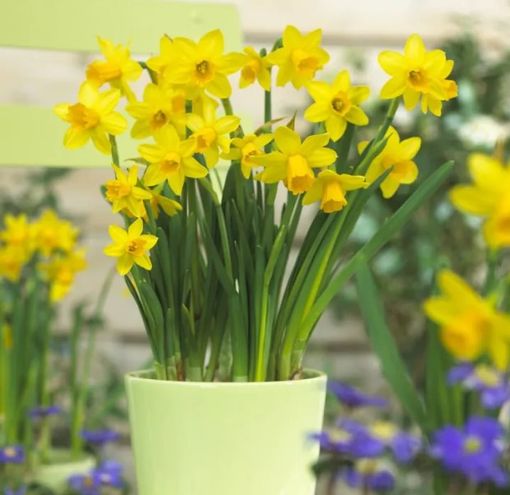
£25
Gardening Express
See the deal
With many of us looking to begin sprucing up our outdoor space for spring, now is a good time to look at planting bulbs to lay the groundwork for a splash of colour early in the year. Thompson and Morgan has plenty of options live already while Gardening Express has unveiled their pick and mix flower bulb offer, with 10 packs of bulbs for £25
The gardening expert explained: “If you want more flowers in summer, now is the time to do something called the Chelsea chop. Plants like this Geum are in flower now, but as soon as those flower stems fade, cut them right back to the ground and you’ll get more flowers right at the end of summer.”
He noted that your plant may appear “sad” for a fortnight or so, but you’ll be thankful you made the effort later in the season. It’s equally essential to carry out this process on your tulips, as doing so gives them the greatest possible chance of returning the following year.
In the comments section, Adam noted that the “Chelsea chop” technique can be applied to plants such as sedum, asters, chrysanthemums, helenium, rudbeckia, echinacea, nepeta, penstemon, along with hardy geraniums and campanula, should they be “getting a bit leggy”.
Comments are closed.