
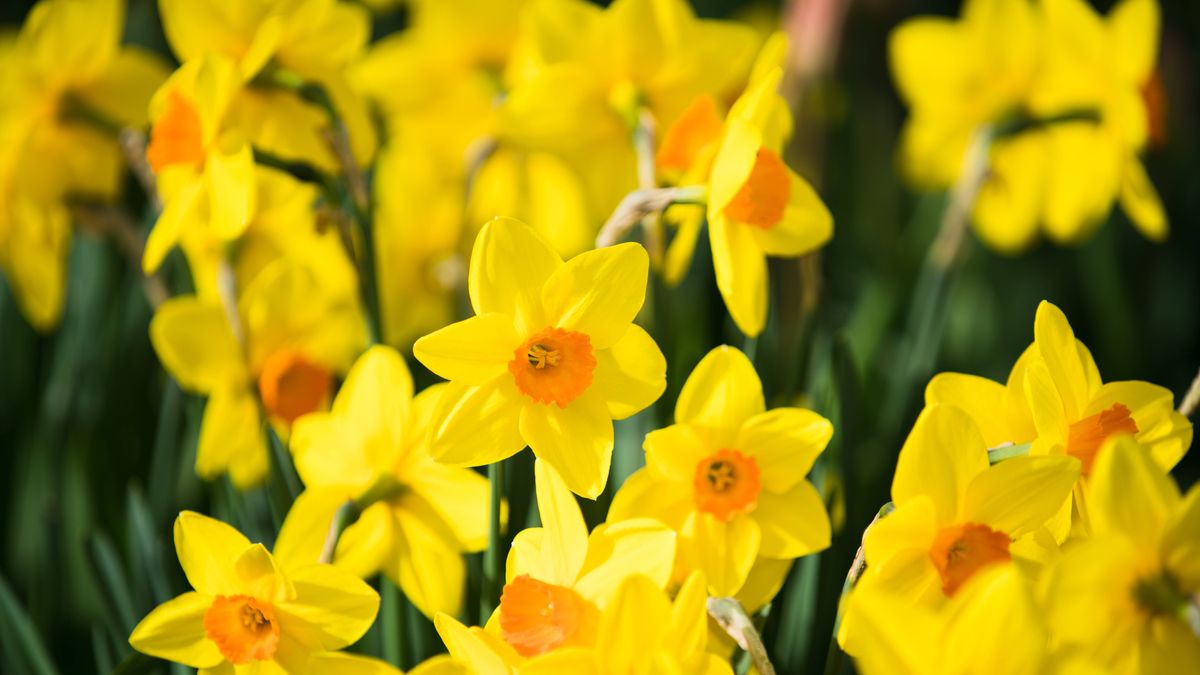
Less is more when it comes to growing more flowers.
Sophie Harris and Ketsuda Phoutinane Spare Time Content Editor
13:55, 07 May 2026Updated 14:21, 07 May 2026
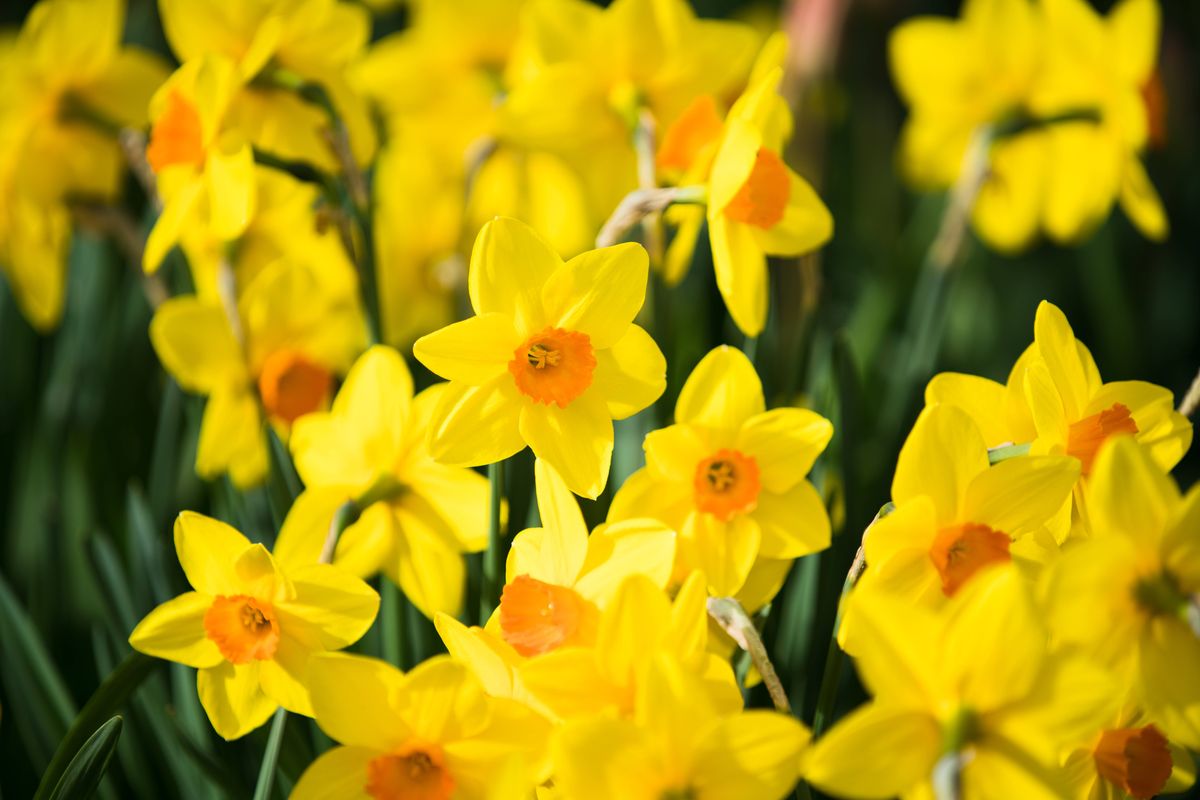
Daffodils will flourish next year if you leave them alone now(Image: Nazar Abbas Photography via Getty Images)
Daffodils always herald the start of spring. But as they bloom from February to May, their blooming period is rapidly drawing to a close.
They can appear rather untidy once they’ve stopped producing flowers. While it may be appealing to cut them back immediately, gardening expert Alan Titchmarsh suggested resisting this urge.
Instead, Alan recommends waiting six weeks before removing the withered blooms. Following this six-week period, gardeners can trim them down to ground level, resulting in a far tidier appearance.
The expert also revealed a straightforward method to “guarantee” daffodils will bloom next year, which requires feeding them, reports the Express.
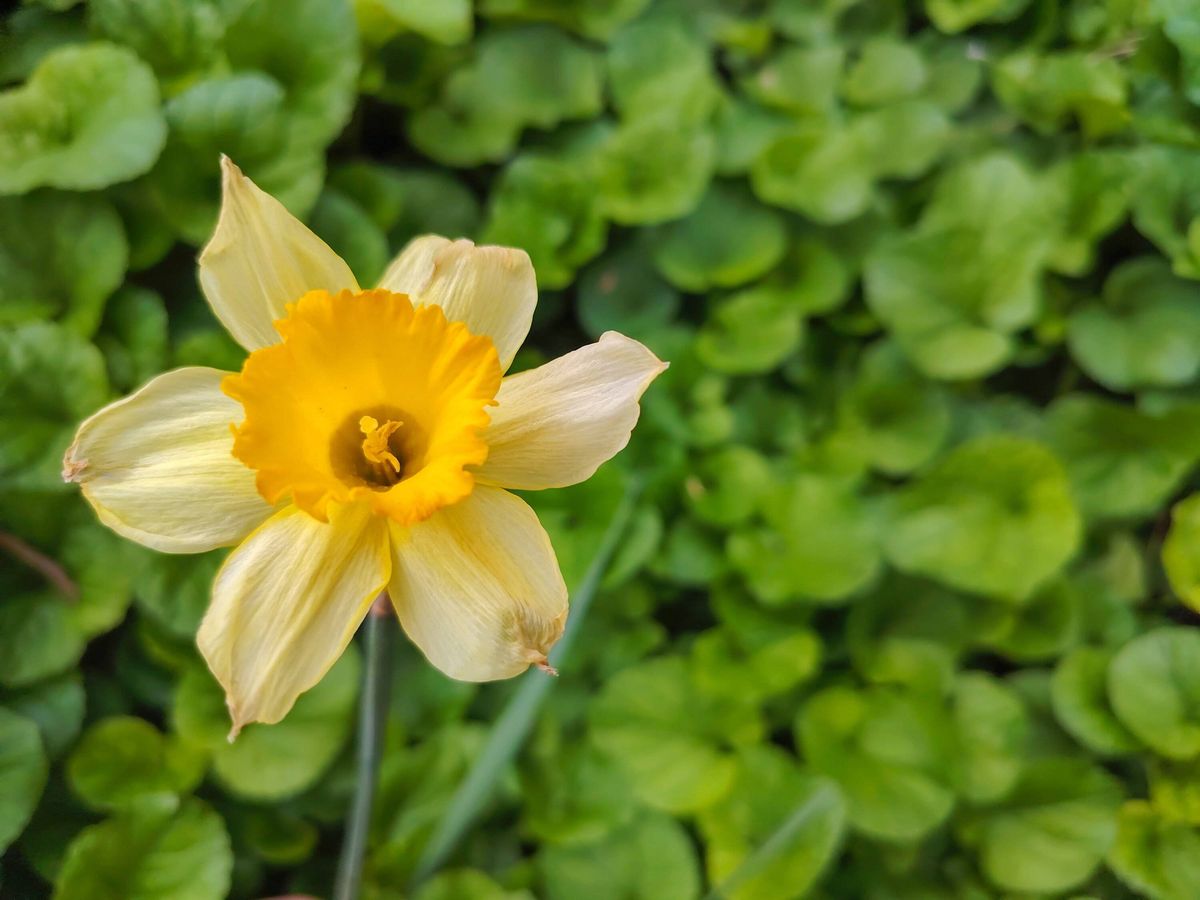
Alan Titchmarsh shares crucial daffodil task to ‘guarantee’ flowers next year(Image: Getty)
In a YouTube video with Waitrose & Partners, he said: “One thing you can do to give them an extra helping hand is to feed them.
“I’m an organic gardener and blood, fish and bone for me is the fertiliser of choice.”
“It contains the three main plant nutrients – nitrogen, phosphates and potash.”
Alan explained that nourishing daffodils with one or two handfuls of blood, fish and bone fertiliser ought to ensure the plant yields more blooms the following year.
He added: “The combination of taking off those seed heads, allowing the sun to photosynthesise through the leaves and stalks and feeding the bulbs, and bunging a bit of fertiliser around them will guarantee you flowers next year.”
Should you discover daffodils generating foliage but failing to flower, they may be experiencing “blindness”, which can result from insufficient space, excessive shade or inferior soil quality. Should this occur, simply lift them in autumn and transplant them to a more suitable spot in the garden, making certain they have the right growing conditions.
Bear in mind, however, that it could take a year or two before the plant blooms once more.
Comments are closed.