
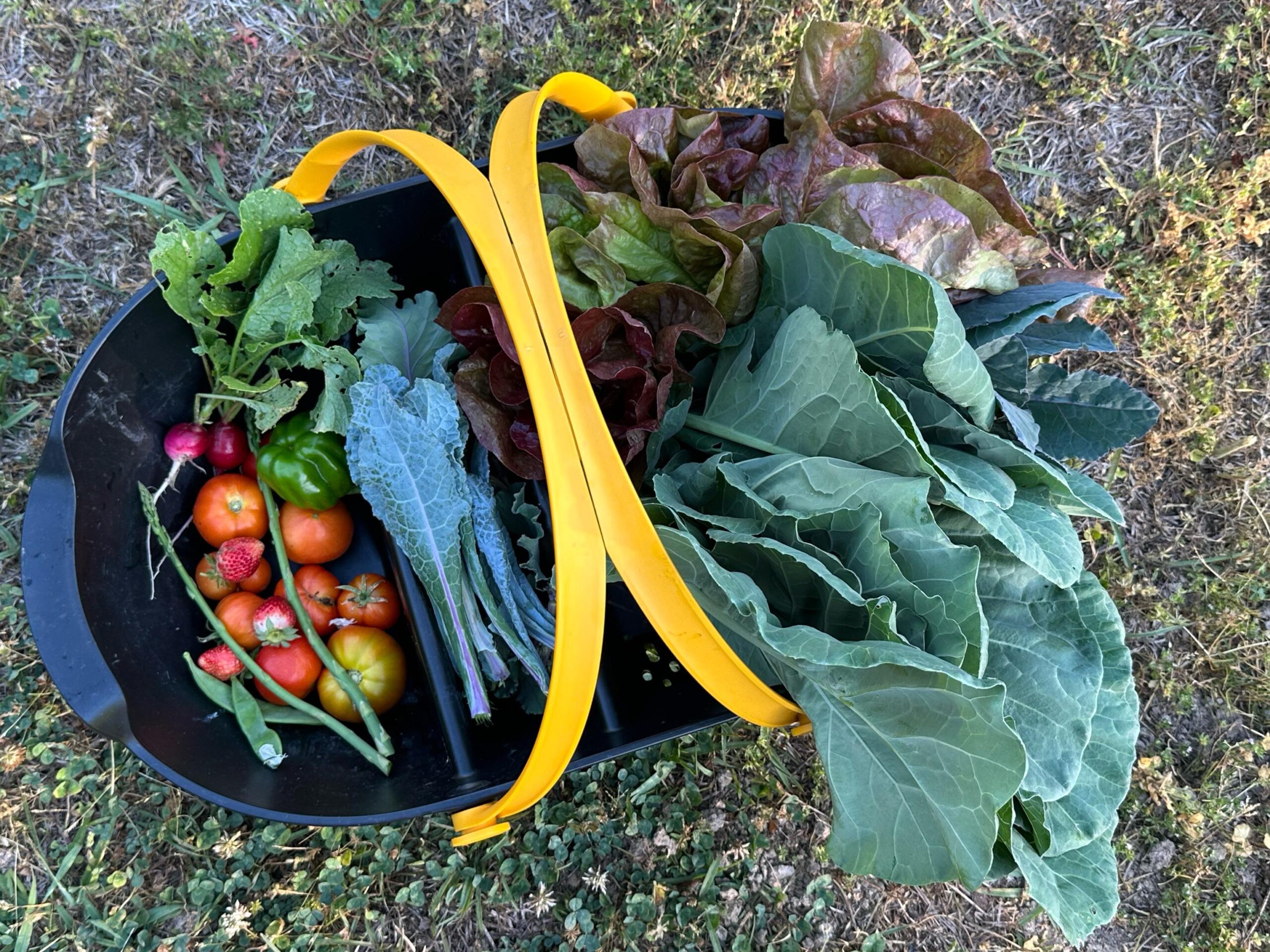
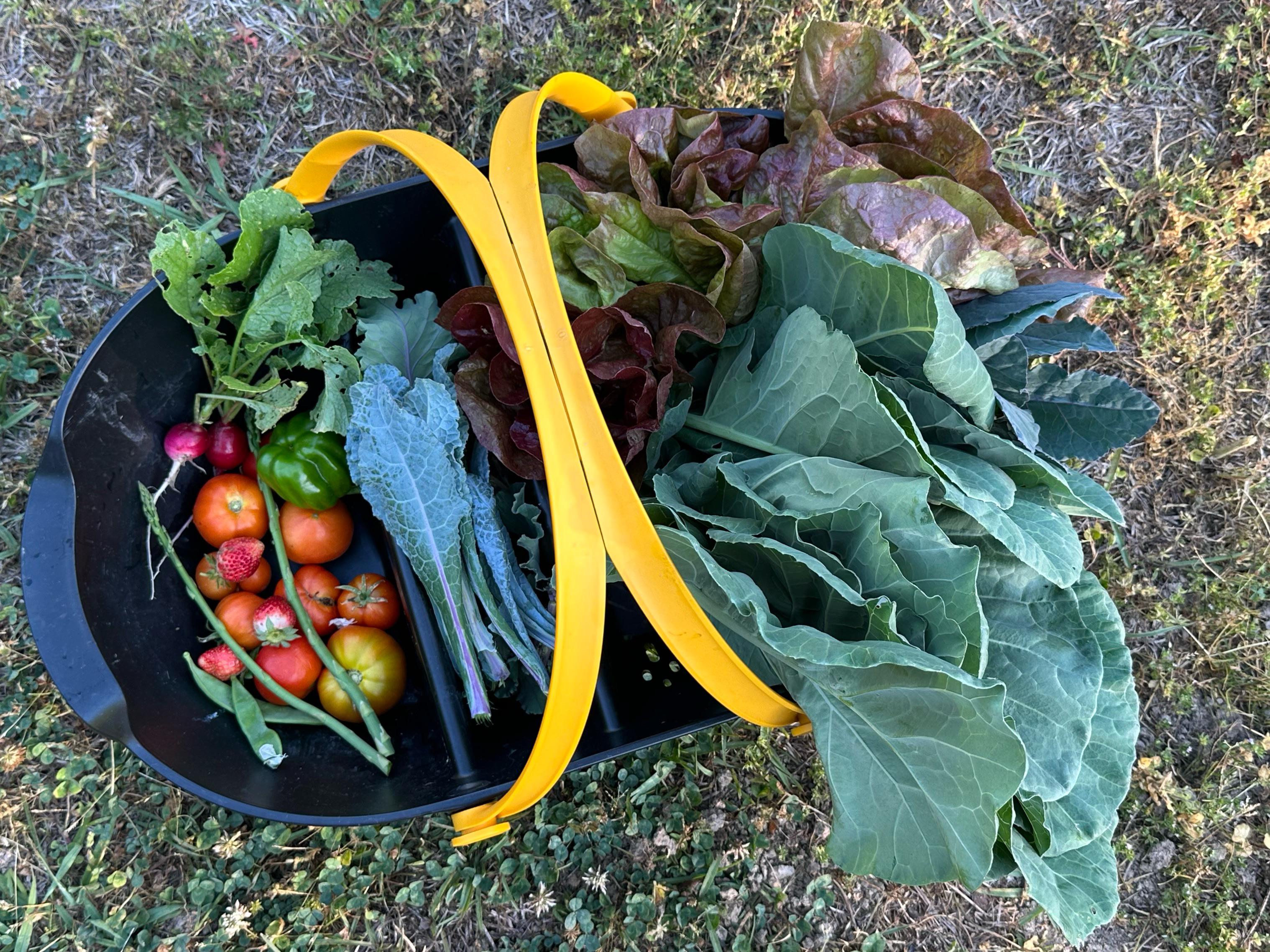
I see all these garden influencers/educators touting companion planting and healthy soil while supporting the ecosystem as the key to never having to use sprays. However, I’ve noticed none of them reside in the humid, pest ridden climate of the southeastern US. I’ve been trying to garden like that and I want to be a believer, but I’m tired of getting one or two harvests of greens before I lose the entire crop to flea beetles, caterpillars, etc. My beautiful greens above looked like a skeleton plant two weeks later. I’ll keep trying this if there’s someone in the region that has won the battle, but if I’m just growing a pest buffet I’d like to know now.
by Gardeningcrones
11 Comments
I live in east coast swamp land. As soon as plant brassica seeds, I cover them with insect netting.
This year I built a frame with mesh over my greens and such that get attacked by cabbage loopers etc. so far they’re doing amazing with no pests. I’m in kc so it’s hot and humid with lots of pests. Way different from the northern Midwest that I was used to.
I do not use any sprays, even if it’s “natural and organic”. My garden is definitely not void of pests but the trick is to find out what eats whatever you have issues with and invite those beneficial insects in with their host plants. Example being lacewings for flea beetles. Lacewing host plants include small flowered Asteraceae (daisy), yarrow, dill, cosmos etc.
You’ll have to fight these battles continuously, especially in the beginning while you wait for the prey insects to show up. But it’ll eventually balance out.
It’s a war zone down here. Netting is the answer, but frankly I don’t like it or want to deal with it. Attracting predators does truly help and hard insecticides usually end up doing more damage to the predators than the pests. I have grown to love wasps. BT is such an easy solution to caterpillars IMO. Potassium bicarbonate/castile soap for fungus. I keep some diatomaceous earth around the base of my plants. Most things get caught during the morning garden walk and can just be sprayed off with water. Ants are a big problem for me and will farm aphids. Peanut butter/honey with just a tiny bit of borax takes care of that. The key is to get ahead of it before it gets out of control.
I don’t spray. I do plant several plants all together, never just one big area of the same thing. I think it helps a lot.
I also try to avoid planting squash plants too early (when the vine borers are very active). And using cloth to cover things that are magnets or have very vulnerable periods in their season ex) cabbages and carrots
I use a spray but it’s just Castile soap, neem oil, and peppermint essential oil dissolved in water. Once the plant is strong enough for me to not prune flowers it’s usually strong/resilient enough to not need the spray
Bt and neem oil with milk works
I use neem oil when necessary. Outside of that, I go out of my way to plant a TON of things to attract predatory insects & TRAP pests. Right now i have garden Huckleberry near my tomatoes which I’m hoping to use as a trap crop. I also have sunflowers galore, rosemary, etc. The goal is to bring in as many praying mantis / wasps / ladybugs / etc as humanly possible. So far I’m finding that a lot of the pests go for the stems of the sunflowers, where baby praying mantis are currently having the time of their life at.
Also putting in a mini frog pond when I get the chance so they snack on the pests.
I still find some of them on my cherry tomatoes and whatnot. So I get rid of them by hand if I gotta. It can be so hard to keep pests away from the garden with how humid it gets. If I think something is likely to FAFO (ahem, squash vine borers)… I plant extras. Just in case. I lost a cantaloupe to something munching on it but had a backup ready so it didnt sting too much.
I’m in Houston & mostly don’t spray. I’ll get the neem out if I see aphids. I lose some plants, but it happens. I have a pretty small square footage of garden though.
Cayenne pepper spray, diatomaceous earth, and clearing a lot of lower leaves can do wonders. I also cover my raised beds in netting, and only uncover them for a few hours at a time, allowing pollinators to visit.
Diatomaceous Earth, slug pellets. I see James Prigioni on YouTube likes his kaolin clay spray for cucumbers/Squash.