


Joe Swift shared his garden makeover secrets (Image: Western Daily press)
Garden designer Joe Swift been creating stunning gardens for almost three decades for the BBC’s Gardeners’ World, Small Town Gardens and Alan Titchmarsh’s How to be a Gardener series.
Now he’s sharing his six key tips for creating the perfect garden, and says that now is the ideal time to be getting all of them done.
Joeadds that, even if you’re happy with your little plot as it is, there’s always room to make a small improvement that will give it a new lease of life.
Plants
Speaking to the I, Joe says that planting a garden isn’t something you do once then forget about it. It’s a continuous process of renewing and refreshing. He urges gardeners to concentrate you planting efforts on areas you’ll see every day, such as near windows and seating areas.
Plants in pots and containers can be particularly effective, brightening up seating areas. May-flowering shrubs, such as cornus, lilac, deutzia and viburnums, as well as perennials such as peonies, iris, aquilegia, geum and poppies are great choices for small gaps in your garden, Joe says.
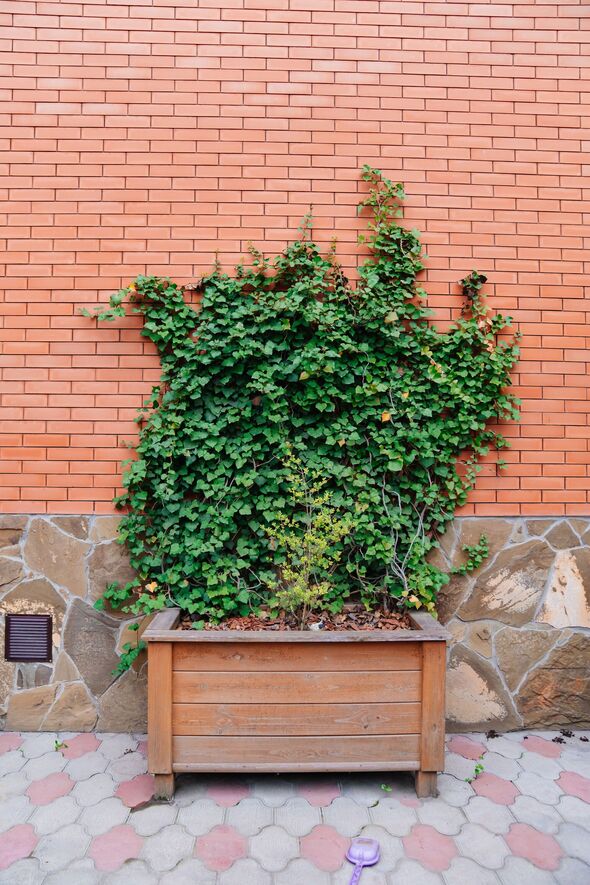
Climbing plants are a great way to hide an ugly wall (Image: Getty)
Read more: Eight gardening jobs to complete in May for ‘colourful blooms’
Read more: Jasmine will have an ‘abundance of flowers’ this summer by doing key spring task
Joe adds: “We’re fast approaching the time for planting tender annuals and herbs too. Buy them from the garden centre and nurseries now but, depending where you live, perhaps don’t plant out for another two weeks. If you do, watch out for a cold snap.”
For near-instant gratification, Joe recommends annual climbers. Plants such as such as sweet peas, morning glory, Spanish flag, black-eyed Susan and climbing nasturtiums are fast-growing, and will provide some extra colour in your garden all summer.
To give a border area extra height, or to mask an ugly wall, you can make a wigwam using basic materials like bamboo or hazel canes, tied together with twine or gardeners’ wire, and train your climbers along it.
Joe says that now is also the time to consider refreshing your herb garden: “Annual herbs – such as basil, chervil, coriander, dill and lemongrass – and hardy herbs (such as sage, oregano, mint and chives) can go in now,” he says. “Many are ornamental as well as tasty.”

A splash of colour can freshen up plant pots (Image: Getty)Walls and boundaries
We can’t all have perfect garden fences, and if you have a wall that’s unattractive, Joe recommends disguising it inexpensive materials such as bamboo, willow or heather, tied on to screw eyes and fixed to the wall. Construct a simple frame that’s anchored in the earth to give your climbers some support.
It’s worth considering a lick of paint before you start planting though, Joe advises: “Some gardens — especially small ones or courtyards — benefit from permanent colour, which sets off the colours of the planting in front.”
Colour choice is key decide what you’ll be growing nearby and choose your palette accordingly: “Cool blues and greys may work well in summer but feel cold in winter,” Joe says. “I prefer warm, earthy colours, such as off-whites and ochres.
“Tonally light colours help lift shady spaces and, while black may sound scary, it recedes and can look superb, a bit Scandi-cool, intensifying the colours (especially green) of what’s grown in front to great effect.”
While masonry paint is ideal for stone walls, consider a wood stain for wooden garden furniture, as reapplying it in future seasons will be a lot less effort than sanding and repainting.
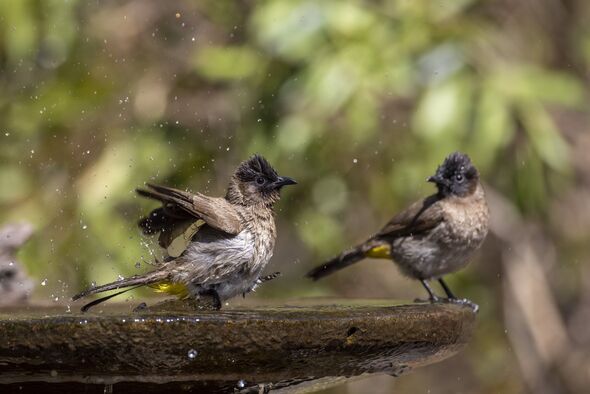
Most birds enjoy a bath – and a birdbath’s a decorative garden feature too (Image: Getty)Ornamental features
Bird-baths are a great addition to any garden, although remember that they will need occasional cleaning and refilling. A tasteful sculpture can provide a pleasing surprise for your garden visitors. Joe suggests raising features and ornaments up to eye level, using a wooden block or old tree stump, to bring it closer to eye-level.
Weeding and mulching
It’s a job no-one enjoys, but thoroughly weeding your beds and borders is essential, Joe says. He advises: “It’ll save you plenty of time in the long run.” Make sure you dig out the roots with a fork or a hoe to prevent those unwelcome guests returning next year.
Once the weeding’s done, and you’ve watered the area thoroughly, it’s time to mulch the soil to inhibit weed growth and lock in moisture: “From a makeover perspective, it helps with aesthetics too, bringing borders together and showing off new plants pushing through,” Joe says.
You can make mulch yourself, by gathering up fallen leaves and putting them in a rubbish bag that’s had a few air-holes punched though it, or it’s easy rough to buy some well-rotted horse manure, chipped bark or, in some areas, council waste compost.
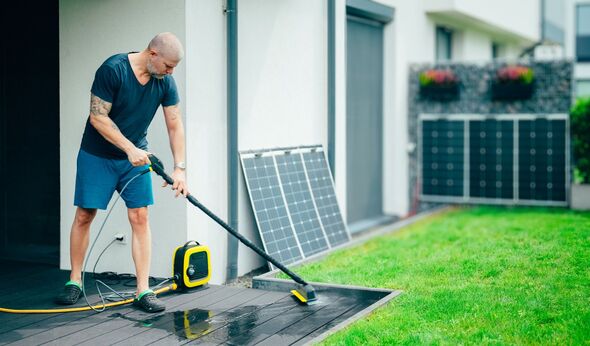
Once you’re done, it’s just a case of cleaning up (stock) (Image: Getty)Refreshing lawns
A lawn doesn’t have to be a simple square, Joe says. Strong geometry is the key, he advises, so consider circles or connected arcs. Mark out the area with string and stakes, then use a hoe or edging tool to define and sharpen up the edges. A definite border, made from bricks or treated timber, will keep everything looking neat.
Cleaning, and the finishing touch
Once your garden makeover is done, make sure you’ve washed down patios and paths with a hose, or pressure-washer if you have one. Rake up loose leaves one the lawn and sweep any stray bits of mulch back where they belong,
To finish your garden makeover, Joe says, it’s always a good idea to add an eye-catching detail to make the “big reveal” that little more dramatic: “How about a fire pit, a new piece of garden furniture, a few candles or some solar lighting?”
Comments are closed.