
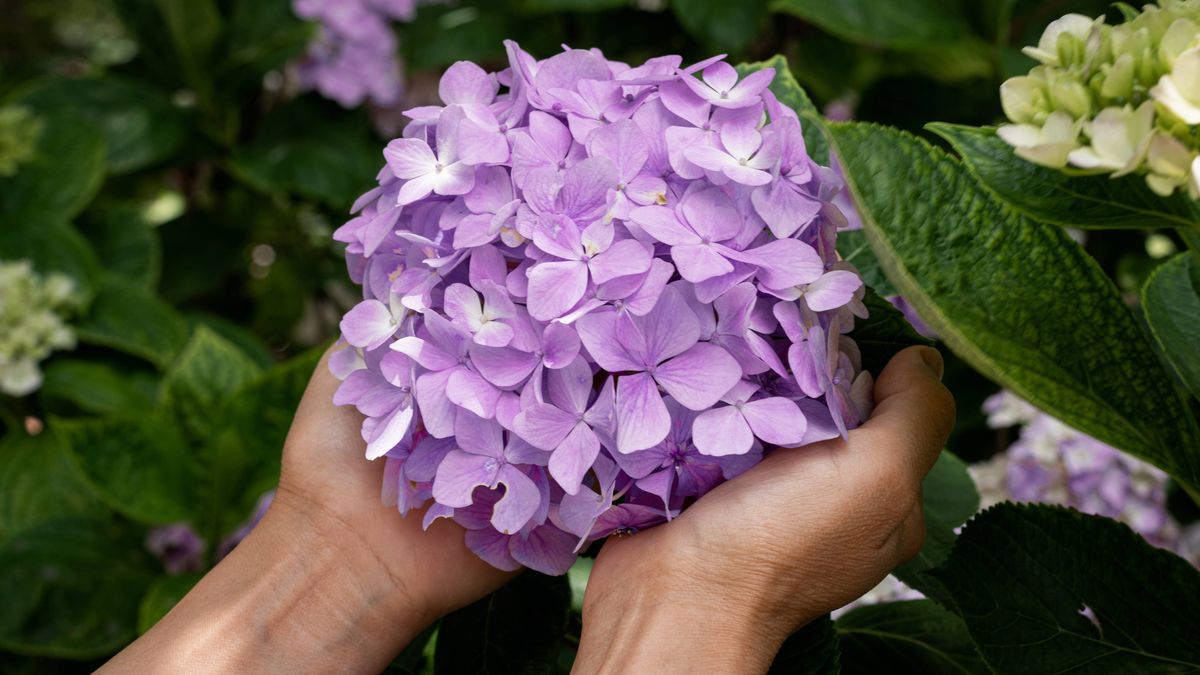
A gardening guru has shared a simple technique to help change the colour of hydrangeas in your garden using a common soil amendment. You only need a key ingredient
Katie-Ann Gupwell Content Editor
14:28, 06 May 2026Updated 14:28, 06 May 2026
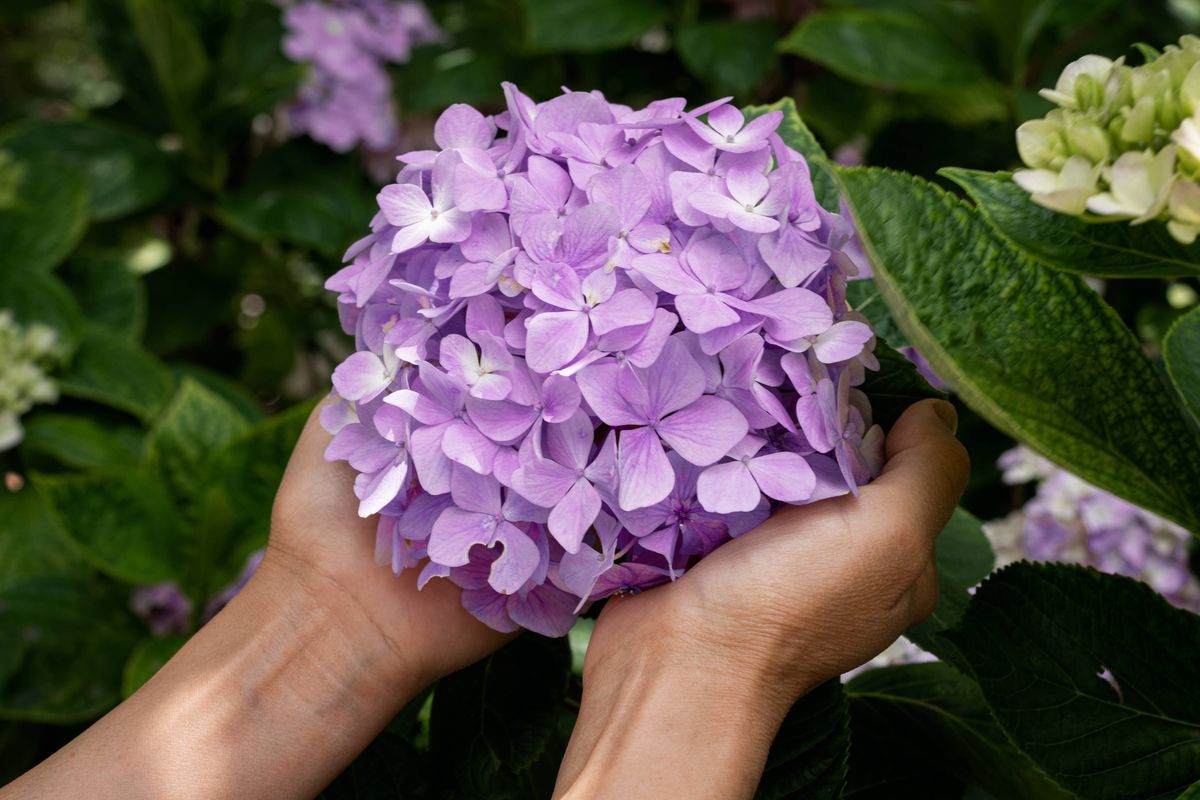
Hydrangeas can change colour thanks to the ingredient (stock image)(Image: LAW Ho Ming via Getty Images)
Many gardeners have hydrangeas growing in their outdoor spaces, but you might be taken aback to learn these plants can actually change colour. While you may already find them attractive, it’s possible to add even more character to your garden simply by introducing a key ingredient.
As it happens, adding this particular ingredient to the soil can encourage the flowers to transform, and witnessing the process is quite remarkable. A gardening expert has outlined everything you need to know, though it comes with an important warning – there’s one technique you should definitely steer clear of over the coming months when tending to your outdoor space.
Ish, known as Gardening with Ish on TikTok, explained precisely what people need to do. There are approaches you can take to care for hydrangeas without resorting to drastic measures.
However, he cautioned people against making one particular mistake. Alongside a recent video, he wrote: “A gardening tip I hear now and [it] doesn’t just seem silly, but plain dangerous. I’m talking about putting rusty nails in the soil to help boost the acidity of your plants like blue hydrangeas and rhododendron.
“Today’s gardening tips will show you some much more safer and effective ways compared to turning your garden beds into a nasty surprise.”
In the clip, he pointed out that some people believe nails will encourage hydrangea flowers to turn blue which, in theory, ought to work eventually. However, in his view, it’s not worth attempting as having numerous nails scattered around poses a real hazard.
Content cannot be displayed without consent
He said: “How else can you introduce iron into the soil? Well, a couple of things. You can either boost it with ericaceous compost, you can get something like this, which is just sulphate of iron, which will do just as good.
“You can water some of that straight in or you can even add pine bark chips on top. Allow that to break down and boost the acidity.
“So, you don’t need to stick nails in the soil to get it going. There are much more safer ways than that.”
What you might not realise is that pine bark chips can assist hydrangeas in changing colour, particularly by encouraging pink mophead hydrangeas (Hydrangea macrophylla) to turn blue or lavender. Sulphate of iron is equally effective, aiding the transition from pink to blue.
What you need to know
Certain varieties of hydrangeas can alter their colour depending on soil pH and aluminium availability. Acidic soil (pH below 6.0) produces blue blooms, while alkaline or neutral soil (pH above 6.5) produces pink or purple blooms.
White or red varieties generally do not change colour. To shift them from blue to pink, garden lime should be added to the soil to reduce aluminium uptake.
To encourage a change from pink to blue, add aluminium sulphate, sulphur or acidic organic matter (such as pine needles or coffee grounds) to the soil. Changes can take anywhere from weeks to years, and typically occur in spring.
This can be carried out in May by making the necessary adjustment. Bear in mind, however, that changes may take time or only partially affect that season’s blooms. Ish’s advice should assist you in achieving the results you’re looking for. It’s as straightforward as adding one ingredient to the soil.
Comments are closed.