
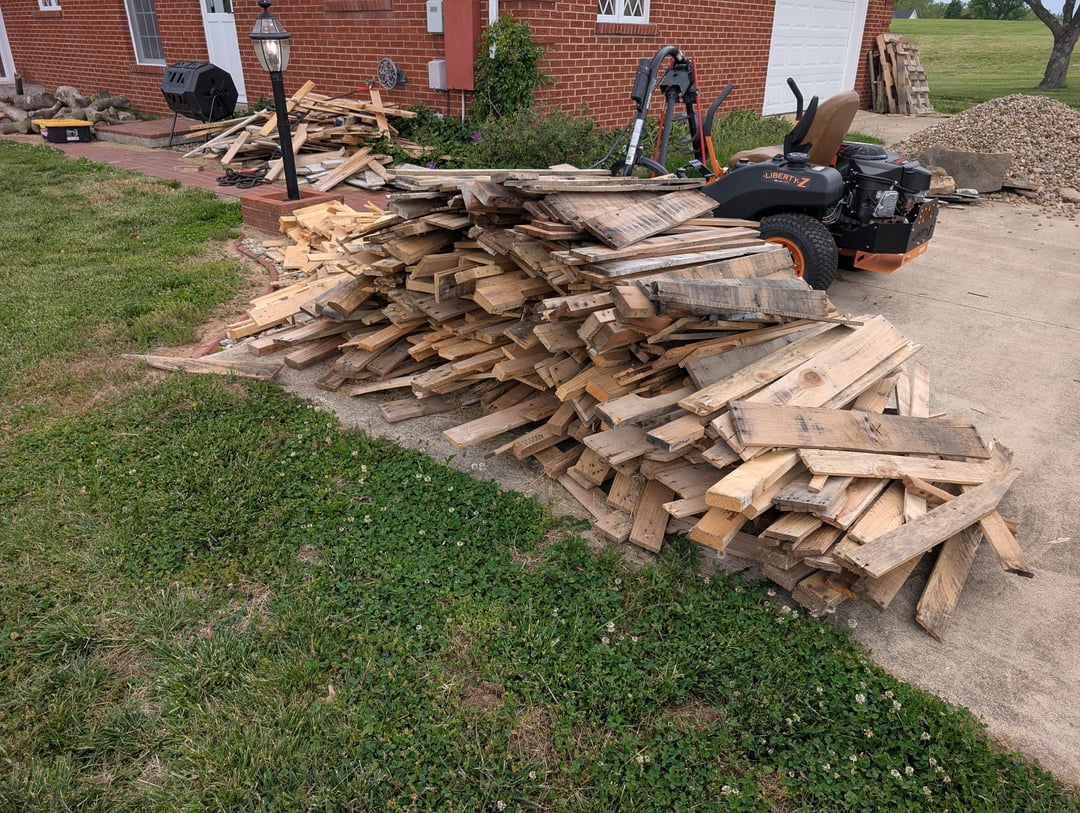
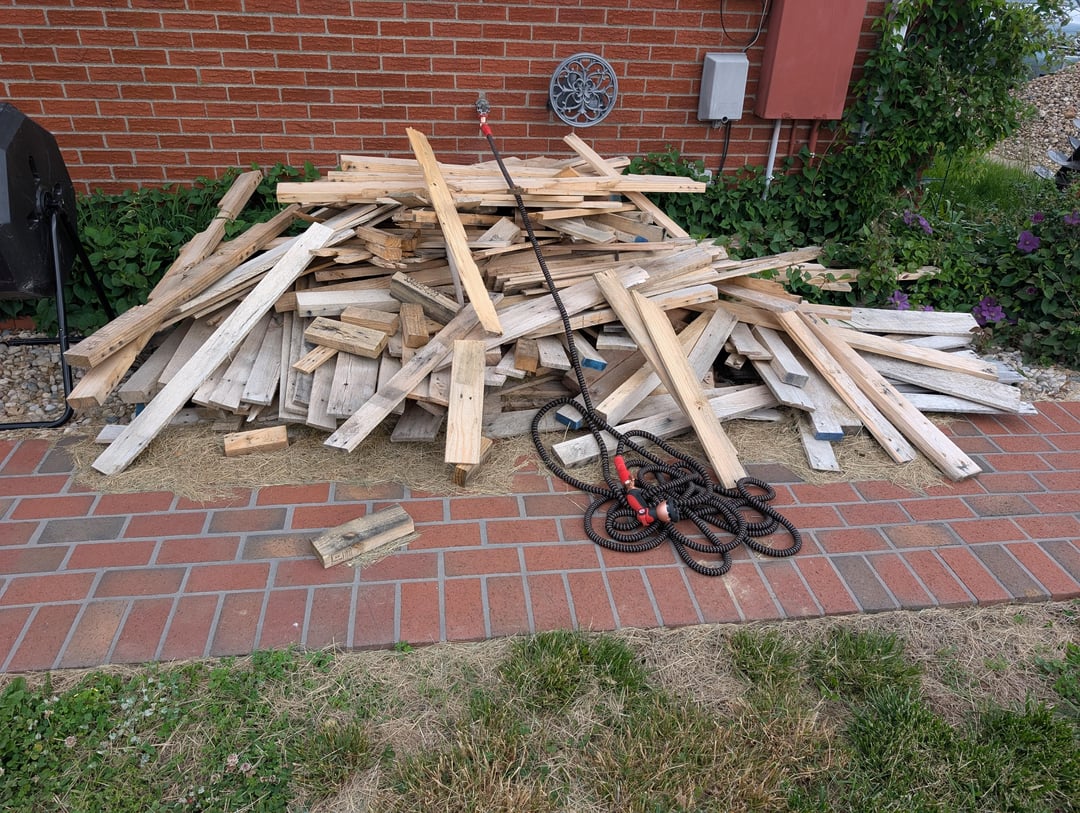
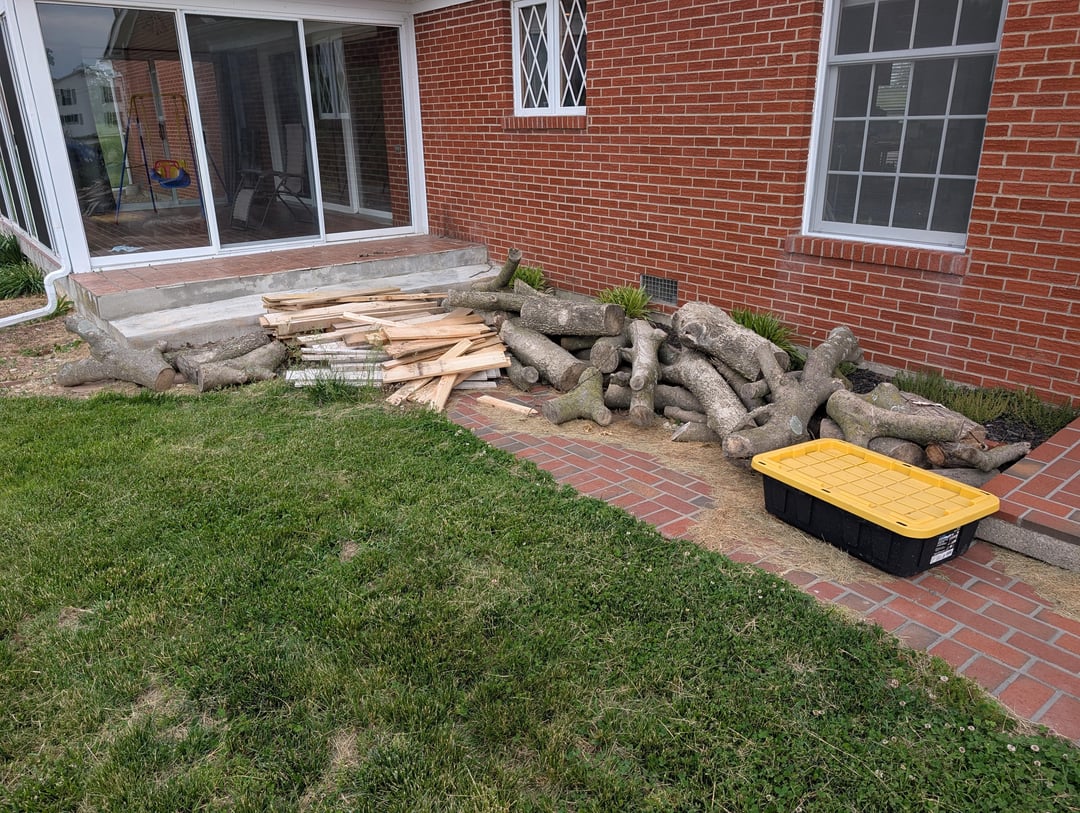
I plan on making 30 inch tall garden beds. I plan on removing wood with paint or treatment from my piles to use as fuel to make charcoal (not becoming the charcoal itself) I picked 30 inches to make it easier to work on and I'm spending the first year at this new property of ours building infrastructure and making soil for the garden beds with whatever I can bring home. Since I'm spending a whole year building these, I'm okay with the extra material necessary for 30 inches.
I'm thinking of the bottom 15 inches being filled with mostly pallet wood and some logs I've gotten a hold of. I want the benefits of water retention of the wood and logs on the bottom. I understand pallets won't last as long as logs for that purpose. It's what I have available. Constant supply from work. Pallets will be mostly de-nailed but some will likely remain.
For the top half in thinking 50% compost 40% dirt 10% biochar
I'm looking for recommendations on if what I'm thinking is reasonable, any changes you would recommend and why, with this setup will I have enough nitrogen leaching to the wood to be of concern 15 inches deep.
by Wannabe_Gamer-YT
2 Comments
I think 30″ high beds is very ambitious, but would be great once you have done all the work. With the type of wood you plan to use for the frames, I wonder what you will do to prevent the sides from bulging outwards?
What width are you doing for the beds? The more volume you have, the higher chance for blowout.
You mentioned using 8′ and 12′ long boards with the cement corner blocks, but you might have to add some t-posts every 4′ to keep the boards from bulging (sawed off and smoothed). The rebar in the cement blocks are absolutely necessary. Adding rebar every 4′ on the outside could help but it is not as strong as t-posts, and not safe unless capped off. You might also want to add a cross beam with bolts on the outside as another way to hold shape.
It isn’t just the weight of the soil, but also expansion because of moisture especially if you are in a climate where the ground freezes (water expands). If you are in an area where it freezes, you might have to tarp the beds (tent style) in late fall and allow them to dry out over winter.
The wood you have for the lasagna method probably will be fine, especially if you layer it with straw and even cinder block bricks underneath (turned to the side).
If you can line the entire bottom with cinder block bricks, you still get your height for ease of gardening, but you have 8″ less soil that you need to fill. Leave about 1″ gap between the bricks, don’t pack them in, and this makes for good drainage . While this also adds to the cost, it also massively reduces the amount of soil and other fill that you need.