
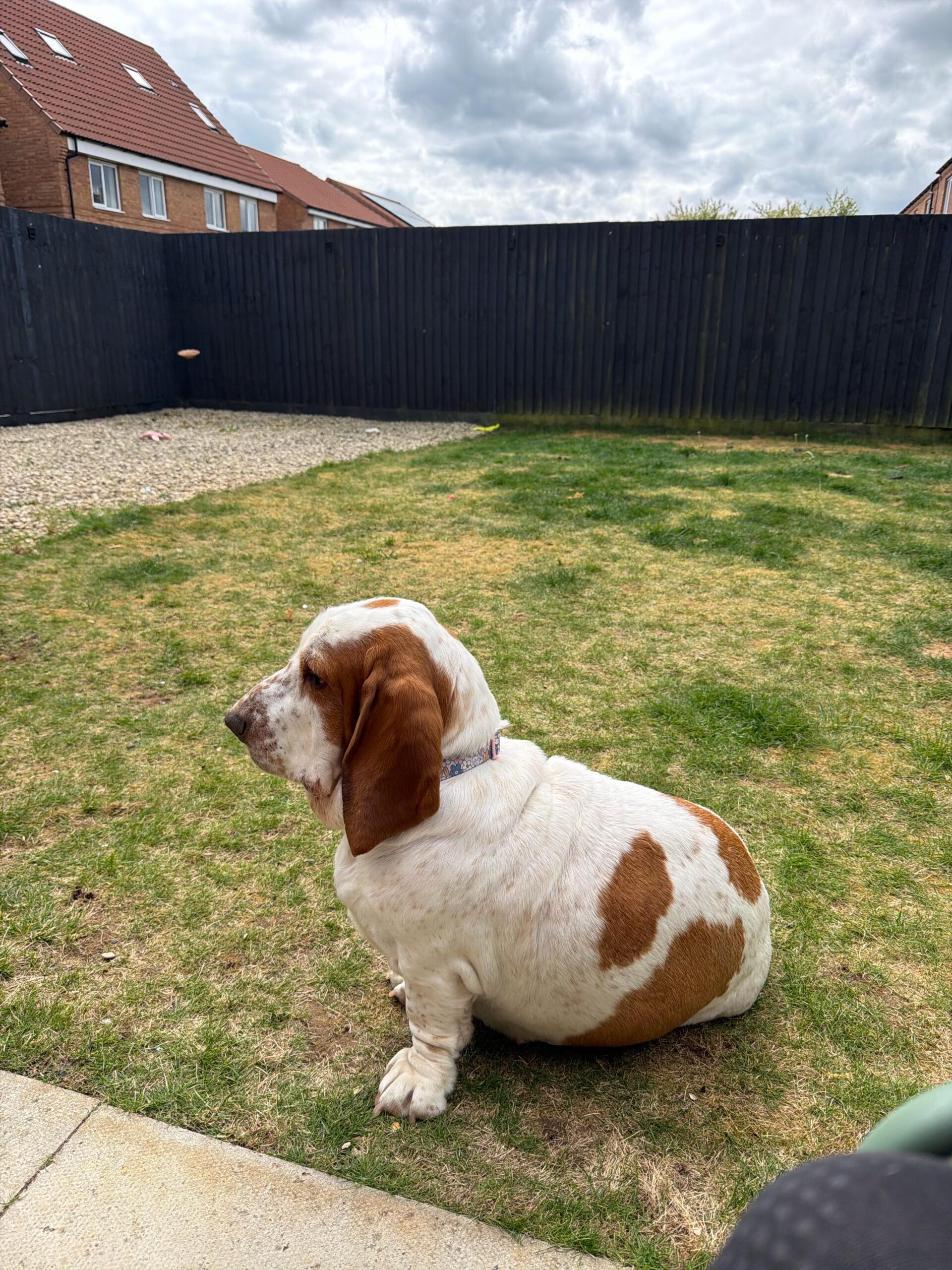

I have just moved into the UK. I am outside all the time so I’m looking to have a garden that’s lovely to look at but also helps pollinators. I have seen the cottage garden and love the idea but I have to idea how to start. This is the current state of it. It’s a south facing garden. A picture of the current state, English basset hound for your pleasure. Any tips or tricks are accepted including criticism.
by Unknown-blacksheep
6 Comments
Haven’t got any tips but just wanted to say I love the blue fence lol. You should keep the colour!
Thanks for the basset hound. We grew a wildflower meadow in an area of our south-east facing garden, using annuals seeds from Pictorial Meadows (Classic mix). You have to make sure the bed is completely grass and weed-free first, but apart from that we didn’t have to do anything. The pollinators loved it.
Apart from that we have a lot of drought resistant plants as we’re not good at watering, so lavender, rosemary, thyme, ornamental grasses…
https://preview.redd.it/uvc1h9kg0bzg1.jpeg?width=3096&format=pjpg&auto=webp&s=aa8be8712fe71a481c6e19115afac279f71c350a
I would go visit some local gardens and get some inspiration from them. Note down what flowers you like then build up on them. Gardens can take years to establish and look full so take your time and learn whilst you go.
You’ve got a good blank canvas to start with so that always helps as well. If you do have any established plants give them a full year and allow them to go through the whole seasons before deciding to take anything out just so you know what you’ve got.
Does your dog judge you? I feel like he’s judging something.
Welcome to the UK! I’m a beginner gardener too, but also aiming for a cottage garden in a small, square, plot with just a patio and lawn to start from.
Firstly assess your plot. Note down where the sun hits, when and for how long. South facing usually means lots of sun and lots of planting options – but in smaller, fenced in gardens there can still be shady spaces. Also consider the weather. South east England can be a lot warmer and drier compared to the north west, for example. So choose plants that will suit the space.
Plant labels will usually state how much sun each plant needs. Full sun = 6+ hours direct sunlight (in summer). Part shade = 3-6 hours. Shade = less than 3 hours. You want to plant things that can thrive in similar conditions.
Secondly, work out what you want from the garden. Do you want a seating area? A pond? A vegetable garden, or just ornamental plants? Do you enjoy doing a lot of gardening, or do you prefer low maintenance? Do you want to keep a lot of lawn for the dog or is that not needed? Do you want tall plants for privacy/shade?
Once you have a rough plan, do any hard landscaping first then you can mark out your beds and get going! If you don’t want to dig beds you can build raised ones instead, particularly good option for vegetables. You may need to amend soil to increase drainage or add organic matter etc if planting straight into the ground.
Spring and autumn are generally the best times to plant. Some plants can be grown all year round but it can be harder for them to establish well in midsummer.
The ‘cottage garden’ feel is generally best created by an abundance of planting, with a mix of heights and textures, often with edible plants and herbs interspersed with flowering perennials, roses and bulbs.
In our garden we have gone for mixed borders with some classic cottage (and some less-so) plants and spring bulbs. We have a shrub rose, pittosporum, sarcococca, dwarf lilac, blueberry bushes and a small cherry tree. Some are in large potsWe have planted several herbaceous perennials and self-seeders in the hope the borders will fill out over time and create free plants for us, as well as a naturalistic look. We currently have foxgloves, lavender, alchemilla mollis, campanula, verbascum, hosta, Geum, aquilegia, echinacea, Erigeron, nepeta, hardy geraniums, daffodils, camassia, tulips, alium nectaroscordum.
To keep things low cost we have mainly used neglected hand-me-down plants from friends, bare roots or grown from seed. Which means we have gaps this first full year which we are filling with annuals. I’ve got cosmos and annual salvia on the go, and have also chucked down some poppy and clarkia seeds in some empty pots and bare spots recently so will see what pops up!
Your dog is adorable