
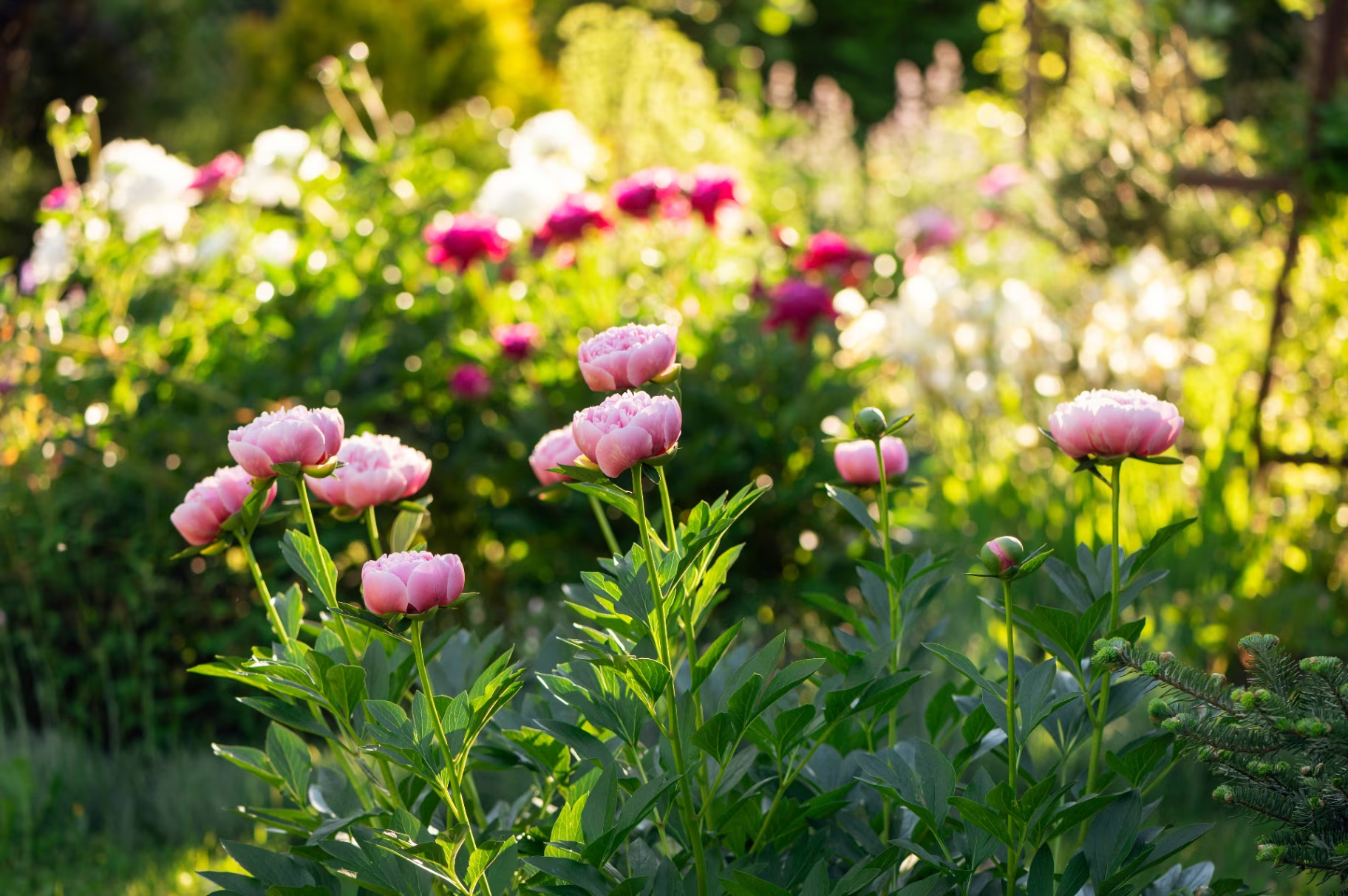
Peonies can steal the limelight in the May garden, but there is incredible colour all over the garden this month: cornflowers in striking blues, pinks and mauves, hollyhocks in every shade from buttery cream to regal purple and reliable geums filling borders and containers with shades of saffron, peach and scarlet.
This is a busy month in the garden, but it’s also one of the best times of the year to be outside.
Continue hardening off plants, plant out dahlias and turn your attention to warmer seasons by planting out summer bedding.
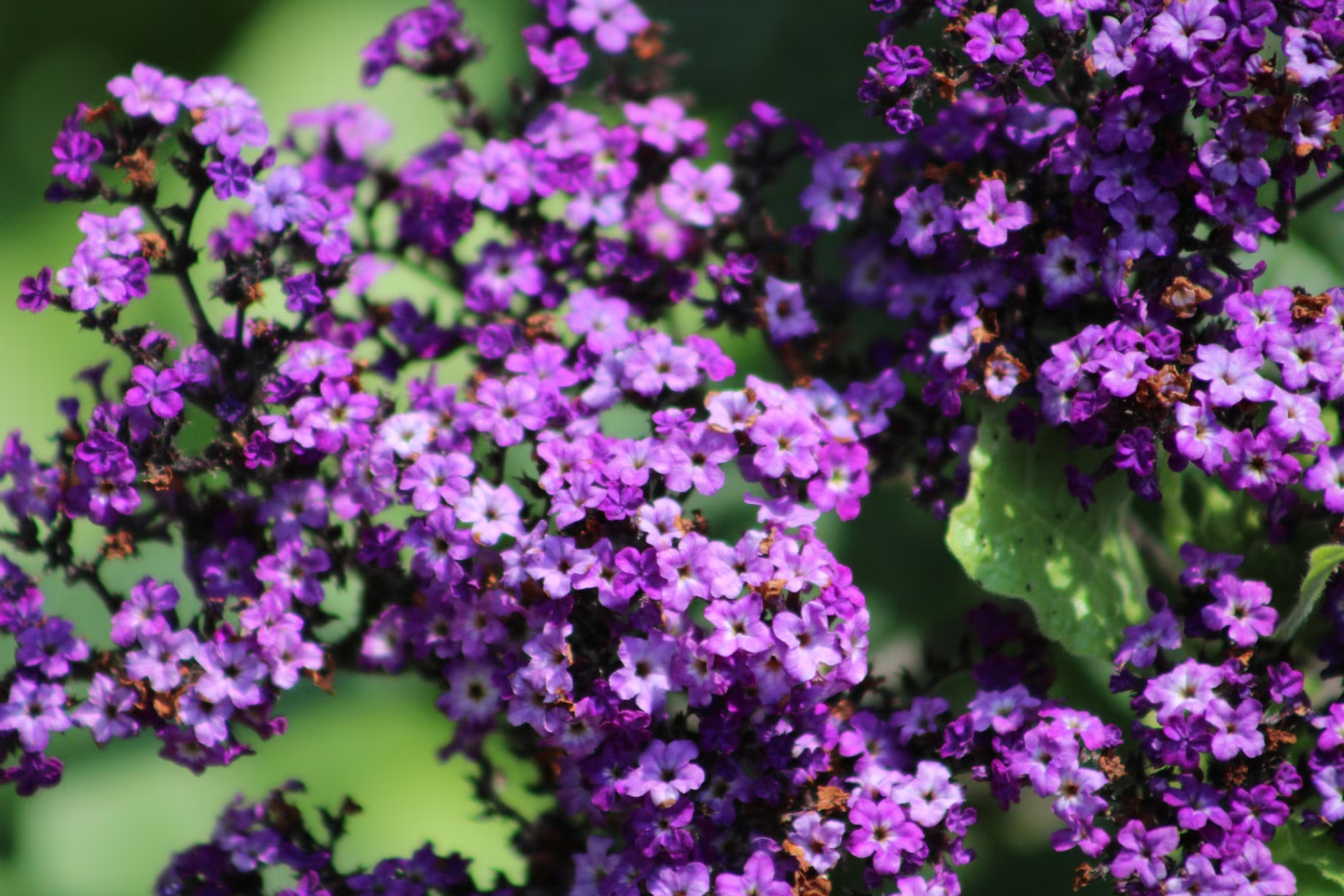 Photo credit: Shutterstock
When the risk of frost is over in your area, which could be towards the end of May in most places, tender bedding plants you’ve started under cover or bought from a nursery can go outside. Choose bedding in more subtle colour schemes to instantly achieve a more stylish look. Most of us grow these plants in containers, tubs or baskets. Use a good-quality compost, like Levington’s peat-free multipurpose compost from Amazon, to give them the best start when you’re potting them up.
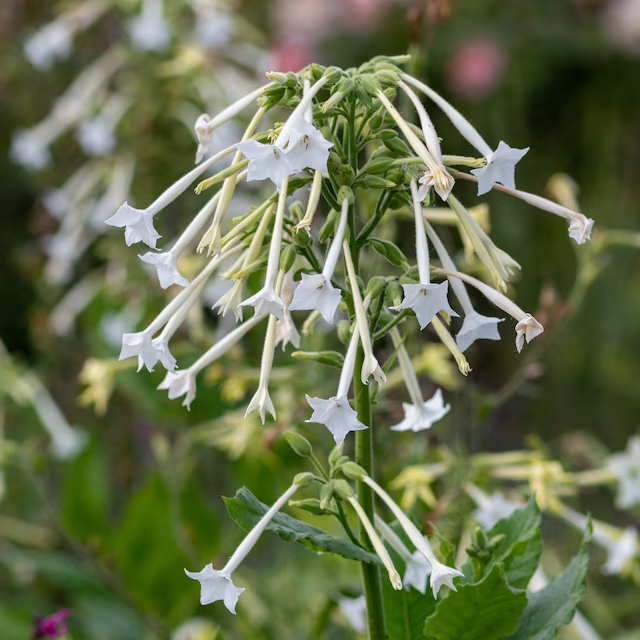
Nicotiana or tobacco plants are a fragrant addition to pots.
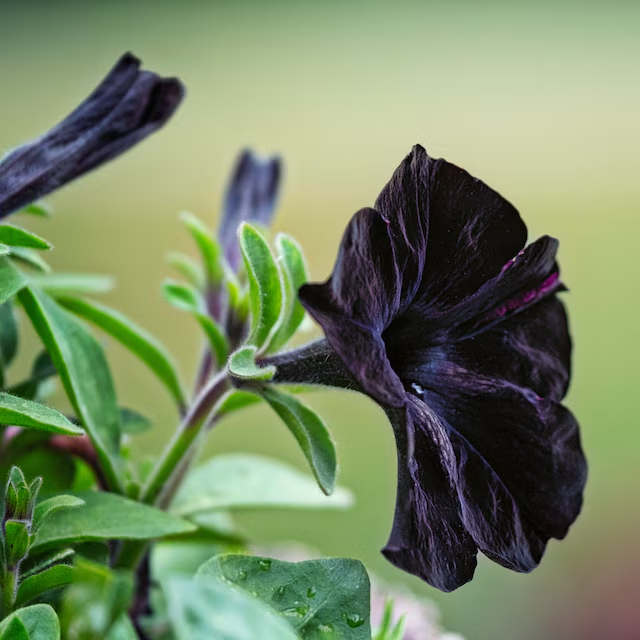
Petunias and smaller-flowered calibrachoa are great tumbling out of containers.
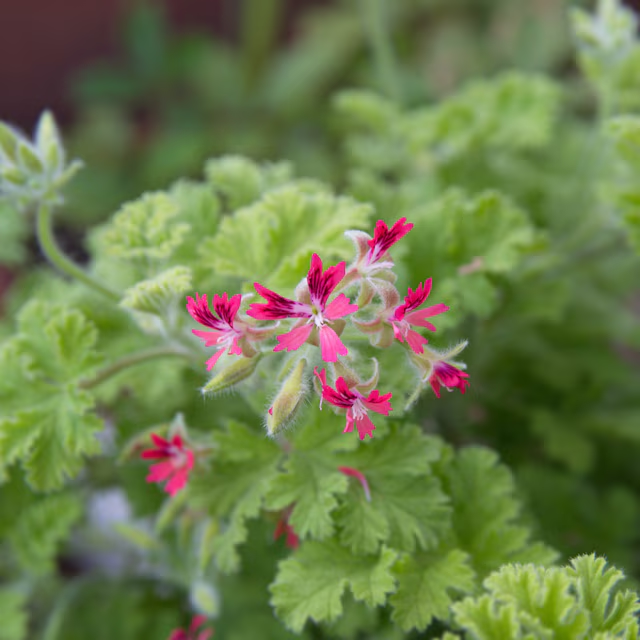
Pelargoniums make for long-flowering bedding plants, whether you choose a species type or a zonal pelargonium that is such a classic in summer pots.
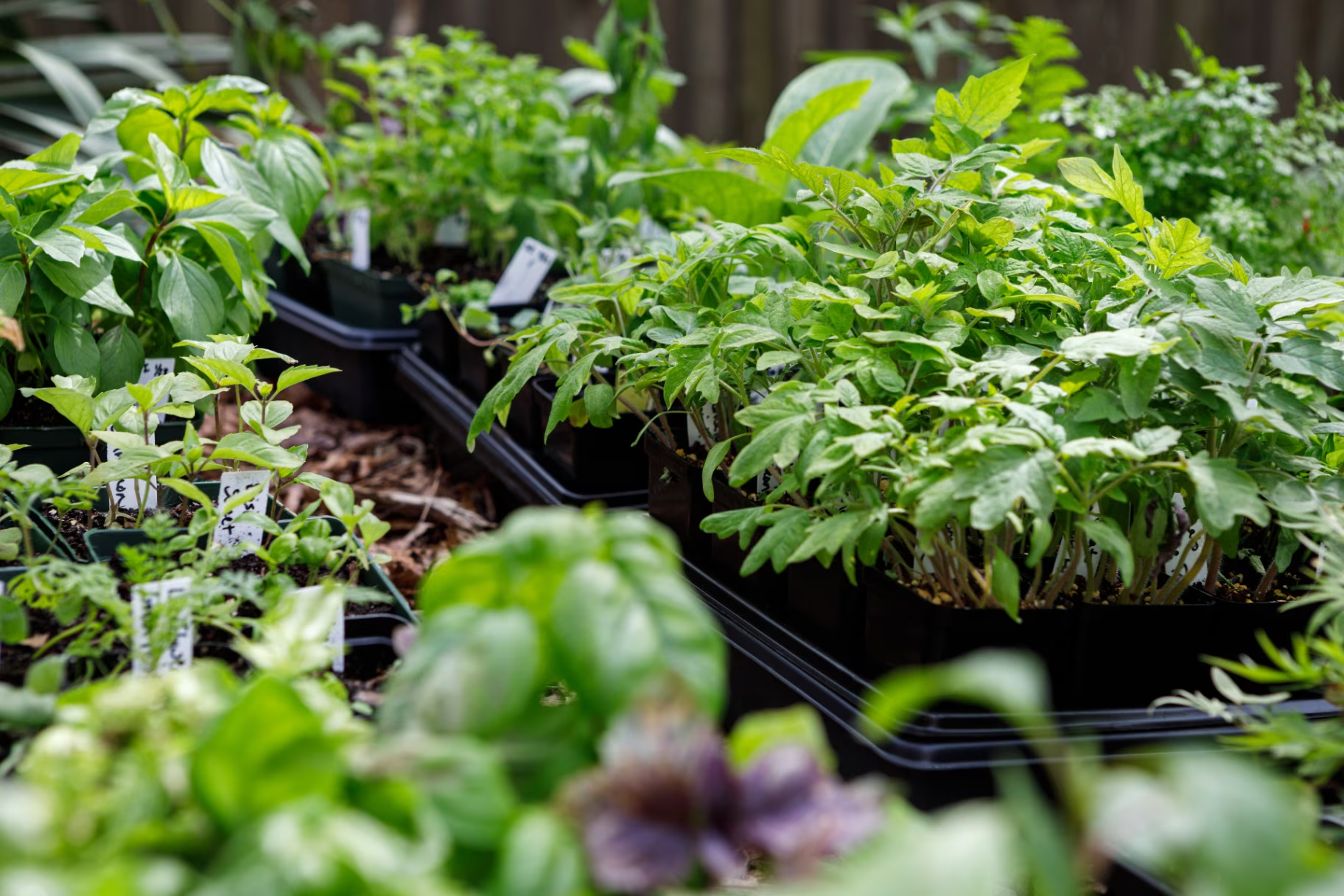 Photo credit: Shutterstock
Any young plants you’ve been raising on windowsills or in the greenhouse need to get used to outdoor conditions before you plant them out, a process known as hardening off. Vegetable seeds that have been sown undercover and are now young plants should be hardened off. If you have trays of sprouted onion and shallot sets, young broad bean or brassica plants and gutters full of pea seedlings or lettuce leaves in your greenhouse or conservatory, they’ll be approaching planting out time.
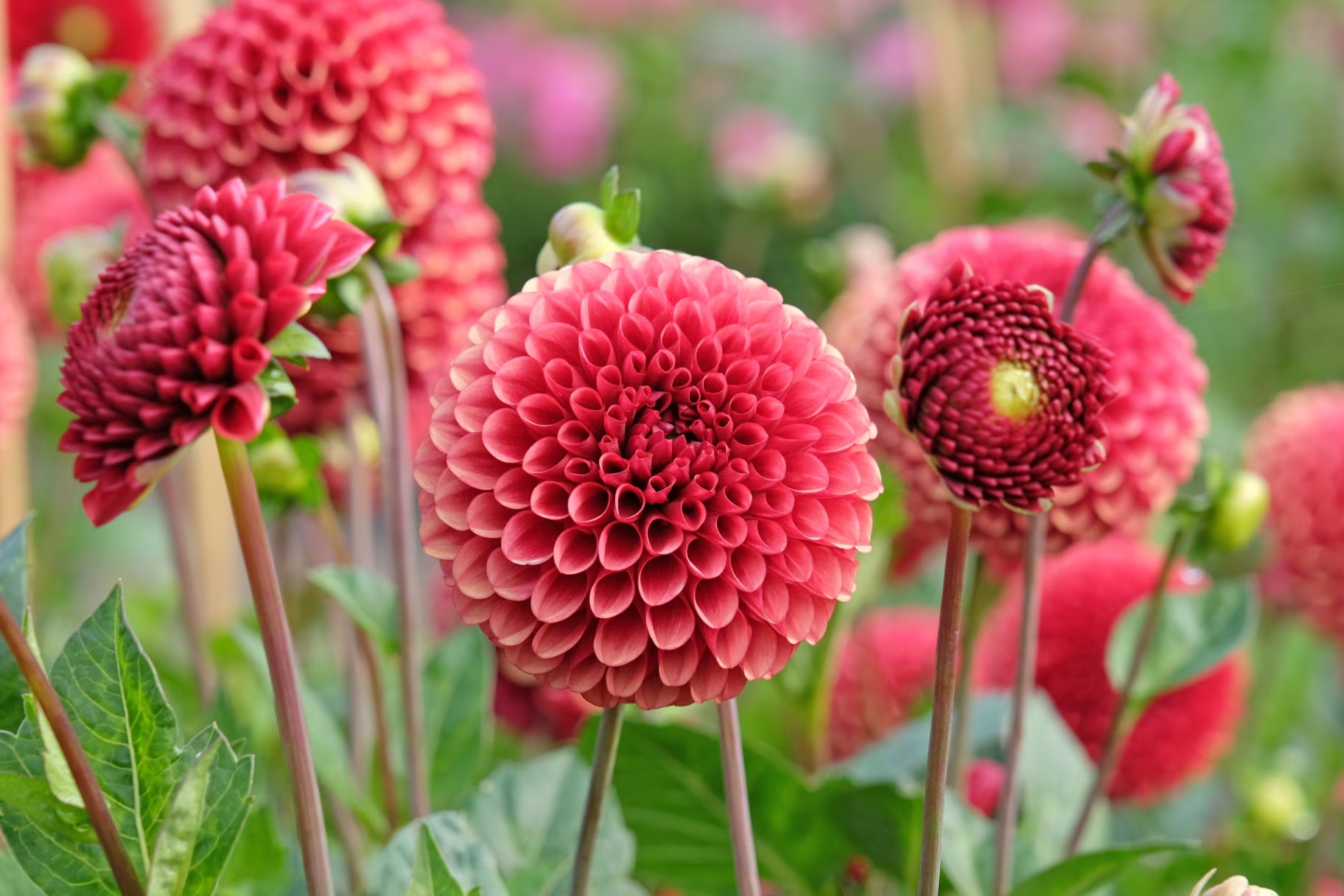 Photo credit: Shutterstock
Start your dahlias off by planting their tubers in pots of compost in the greenhouse, but don’t plant out the resulting dahlia plants until the risk of frost has passed. Harden off your dahlias before planting outside. This can be done over a couple of weeks by placing the potted plants outside during the day and bringing them indoors at night. They love full sun, so position them somewhere they can really soak up the rays.
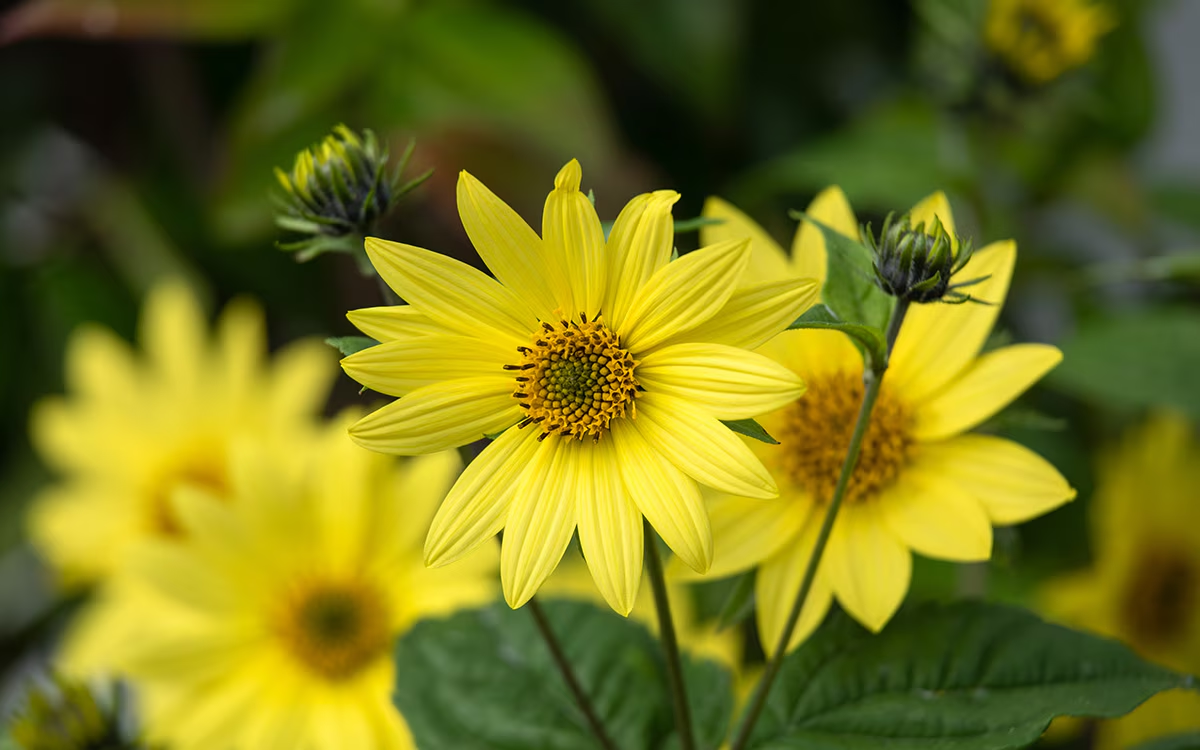 The vigorous perennial sunflower Helianthus ‘Lemon Queen’ benefits from the Chelsea chop treatment. | Photo credit: Shutterstock
The Chelsea chop is an easy technique that gardeners can try in May to prolong the flowering period of perennial plants from summer into autumn. The idea of the Chelsea chop is to cut leggy perennials back by about a third or a half, to reduce their size. By doing so, the plant is kept compact, more upright and produces more bushy growth – great if you have a perennial that’s starting to get too big for its spot. If you have a windy, exposed garden, it can help plants survive any gusty summer weather by not letting them get too tall. It also lessens the need for staking.
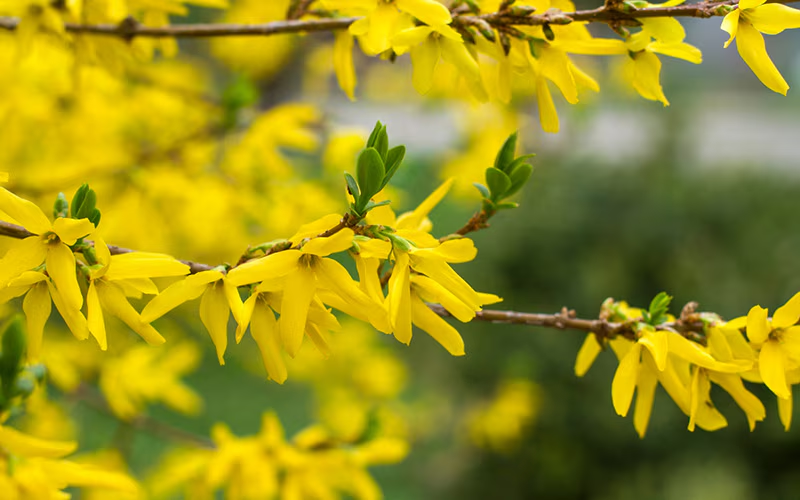 The golden-yellow March flowers of forsythia are another sure sign that spring has sprung | Photo credit: Shutterstock
Spring-flowering shrubs which have finished flowering are ideal to prune in late spring. If these shrubs grow in your garden and are in need of a prune, now’s the time to do it. For forsythia, the best time to prune is in late spring, just after the flowers have faded. Chaenomeles, or flowering quince, doesn’t need much in the way of pruning, but you can encourage more flowers if you take a little time to prune in late spring; ornamental currants should also be pruned after they have finished flowering.
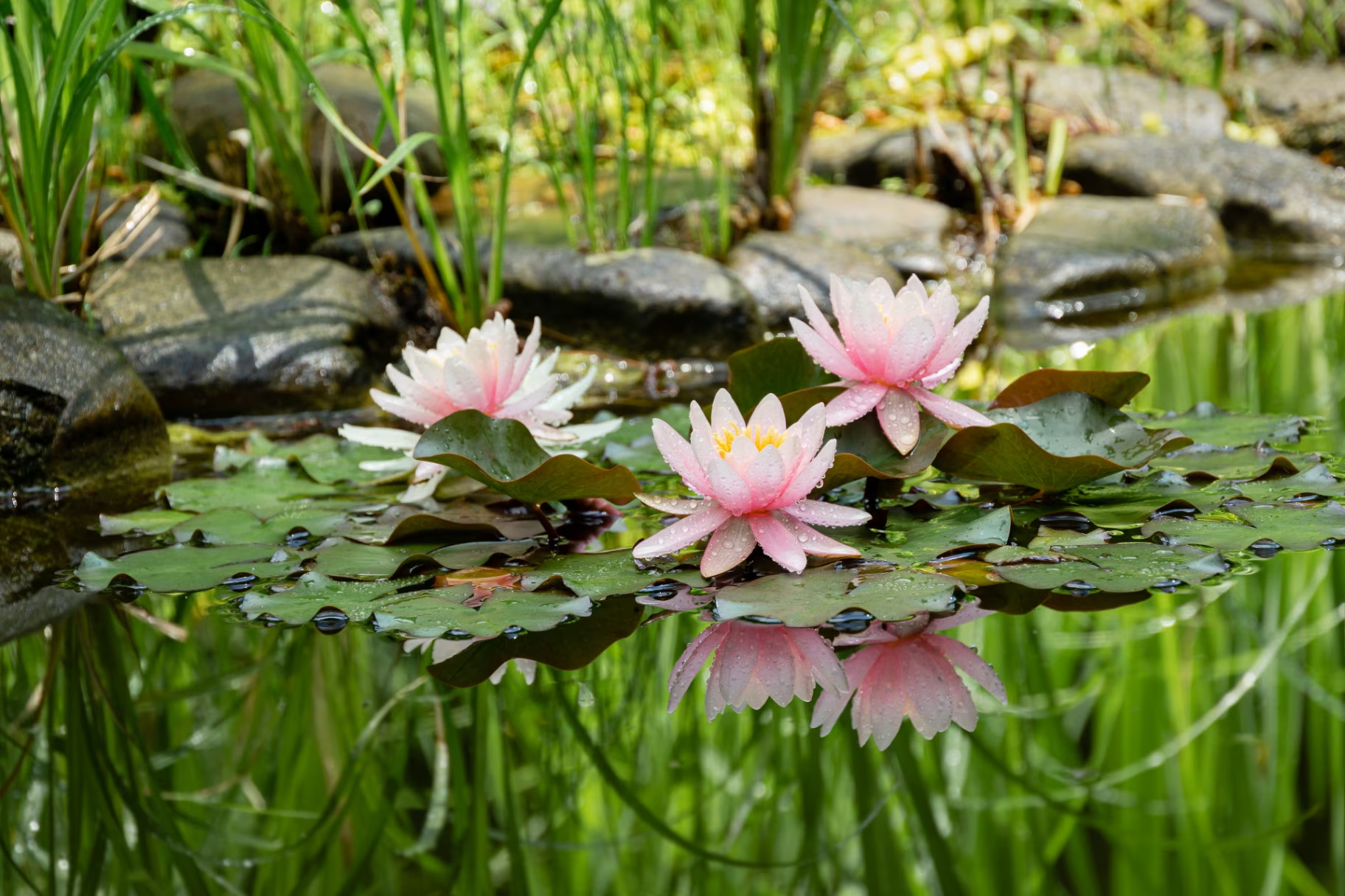 Photo credit: Shutterstock
If you have a new pond or you want to add new plants to an existing one, spring’s a good time to do it. Oxygenators will help to keep the water in good health, and floating plants will provide a source of shade for the pond’s inhabitants and will also control excessive algal growth. Editor Clare Foggett recommends pretty pink amphibious bistort Periscaria amphibia available from Crocus for wildlife, golden-yellow marsh marigold Caltha palustris from Crocus for pond edges, and native oxygenators such as hornwort Ceratophyllum demersum from Crocus.
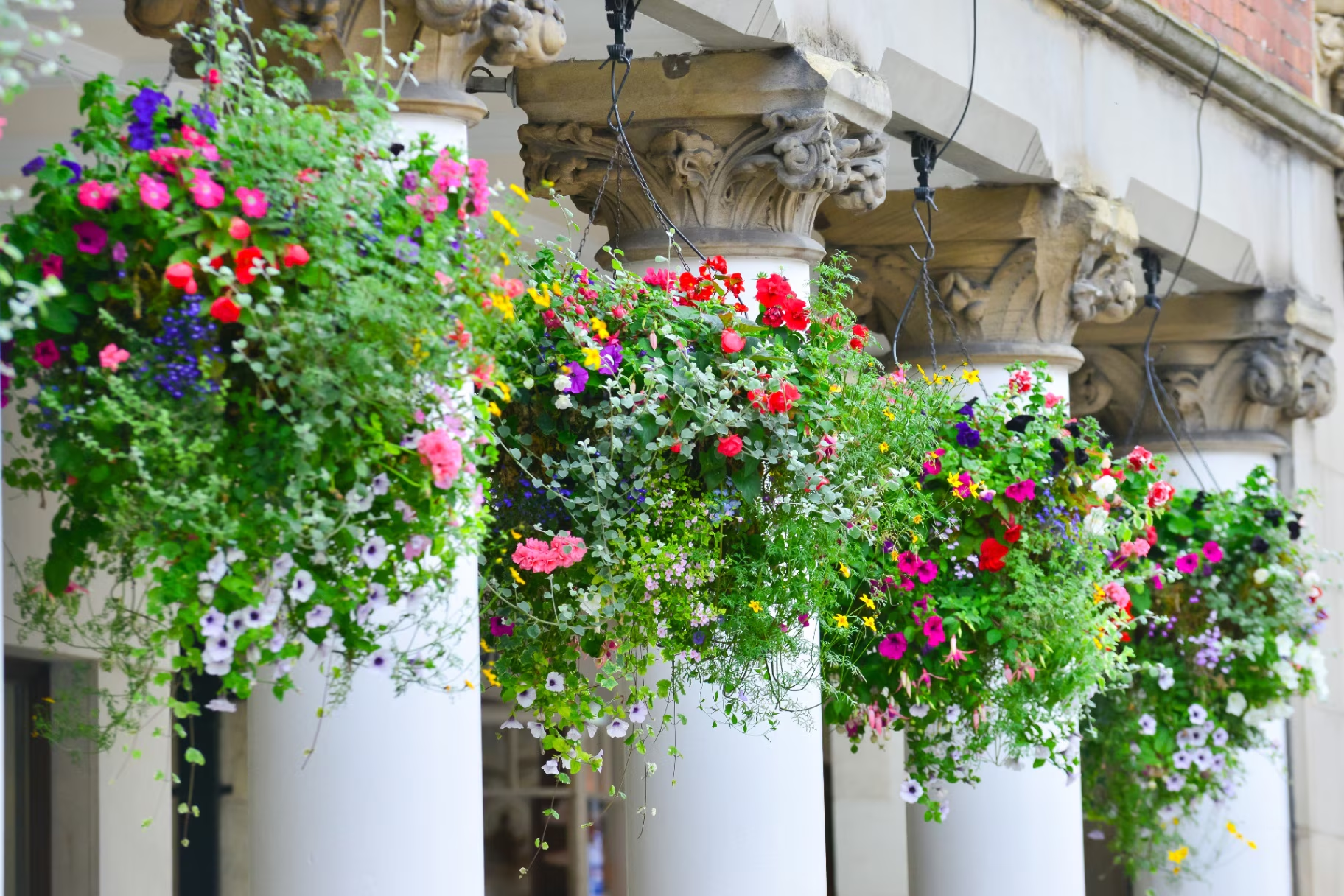 Photo credit: Shutterstock
Hanging baskets have the ability to elevate our outside spaces – literally. Zonal pelargoniums, with their kidney-shaped leaves, are a beloved traditional choice. The hardy ‘Octavia Hill’ available from Thompson & Morgan offers height to a hanging basket and produces the classic scarlet-red blooms, whilst Petunia Surfinia available from Crocus works well in hanging baskets. A trailing perennial in a broad array of bold colours, this variety will produce hundreds of tumbling blooms throughout summer until the first frosts. Petunias do best in very sunny positions and are tolerant of dry spells and drought. So, they are a great choice for the forgetful gardener, too.
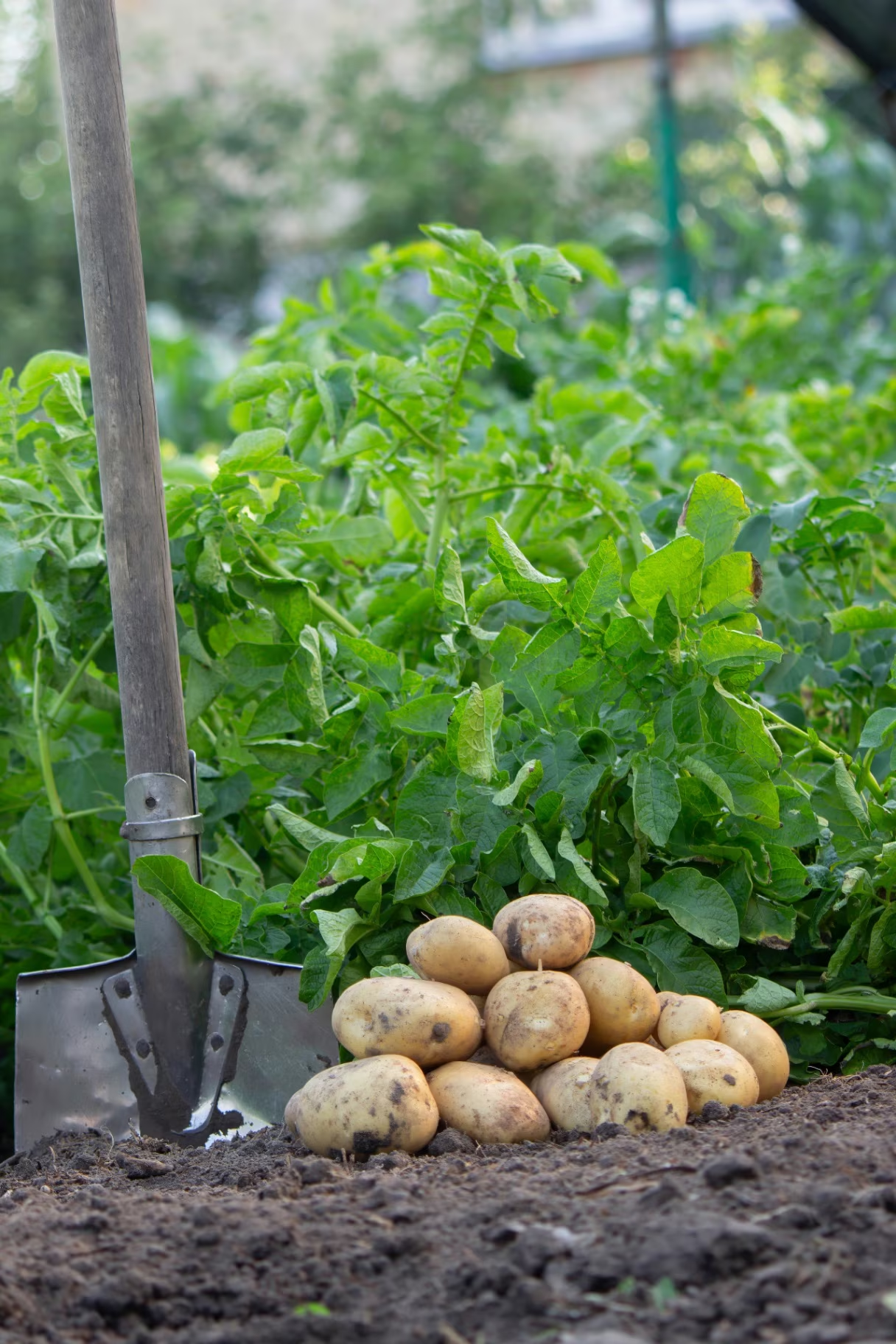 Photo credit: Shutterstock
Increase your harvest by making sure potatoes are earthed up as they grow. Simply heap soil around the stems – it encourages more tubers to form, and stops them turning green.
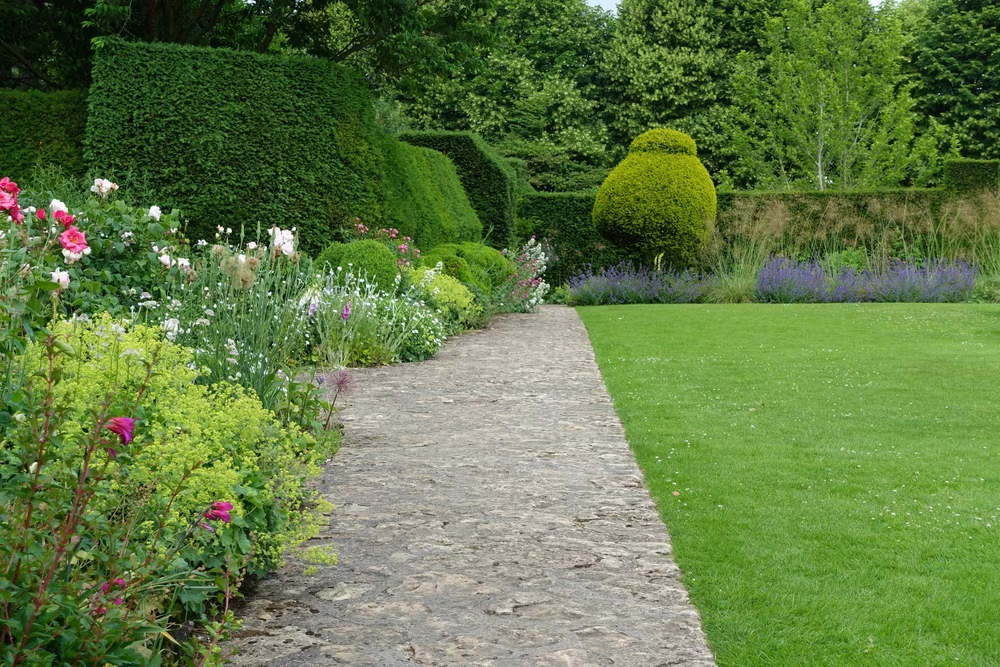 Photo credit: Shutterstock
Now that summer’s on its way, the lawn will be growing steadily, so mow whenever it needs a trim, which could be weekly in warm weather. There is still time to carry out the essential spring jobs – aerating, scarifying, treating weeds, over-seeding and feeding – that will soon get grass growing healthily.
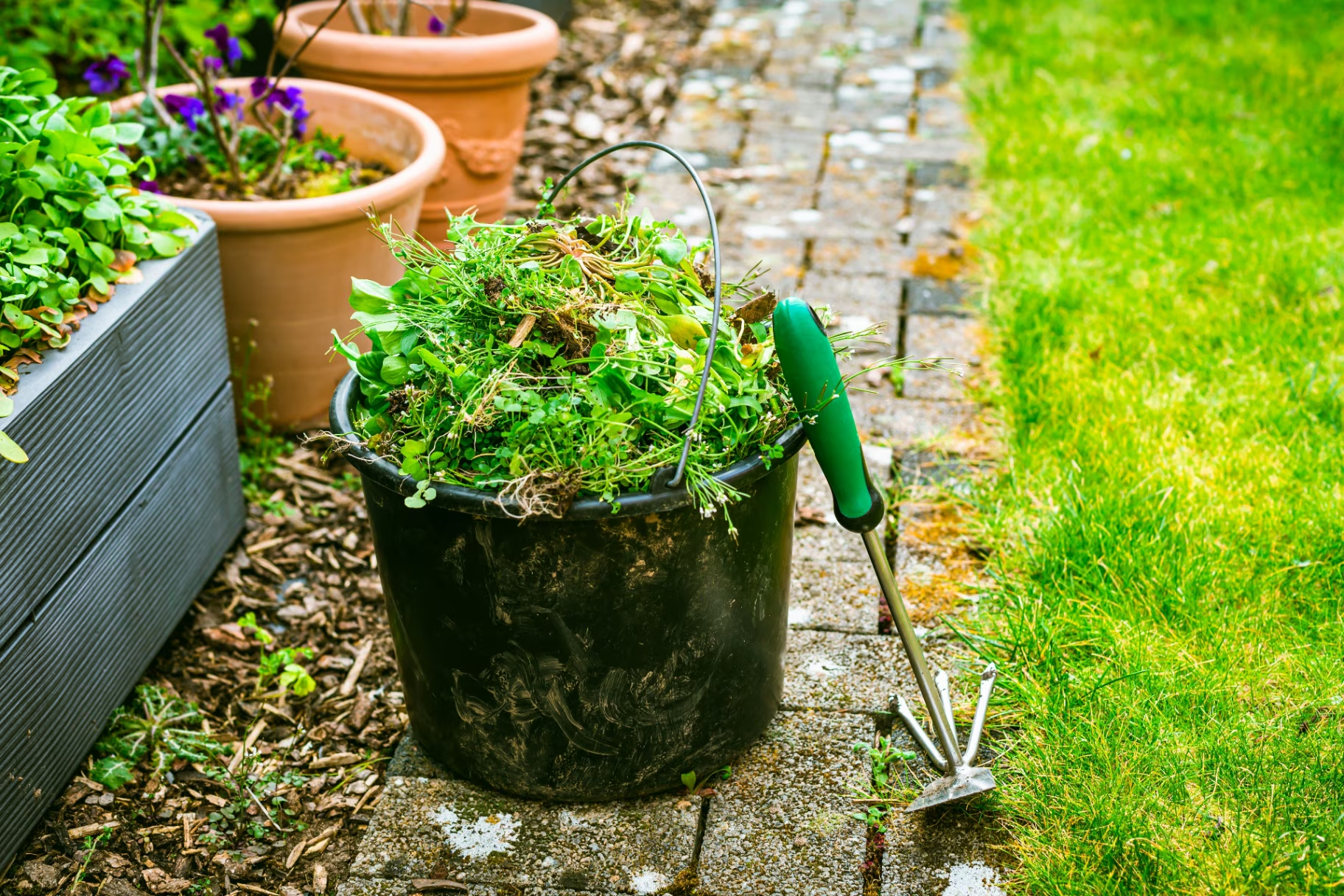 Photo credit: Shutterstock
Whether your garden consists mainly of patio, lawn or flowerbed, it will contain some plants you didn’t intentionally grow. Weeds are often given a bad rep, and though you’ll indeed want to keep them manageable – it’s not nice to have your whole plot dominated by a single, straggly species – it’s also true that they can be very beneficial to garden wildlife. It is far better to use hands or garden tools to extract weeds rather than reach for the harsh chemicals. A must-have is a hori hori knife from Niwaki.
As May is a time for planting, now is a good time to consider your essential garden tool kit and ensure you have a decent hand trowel. We’ve put ten of the market leaders through their paces, and discovered that the best all-round gardening trowel was the Kent & Stowe Capability trowel from Amazon, whilst the best for planting was the Burgon and Ball planting trowel from Amazon.
Comments are closed.