
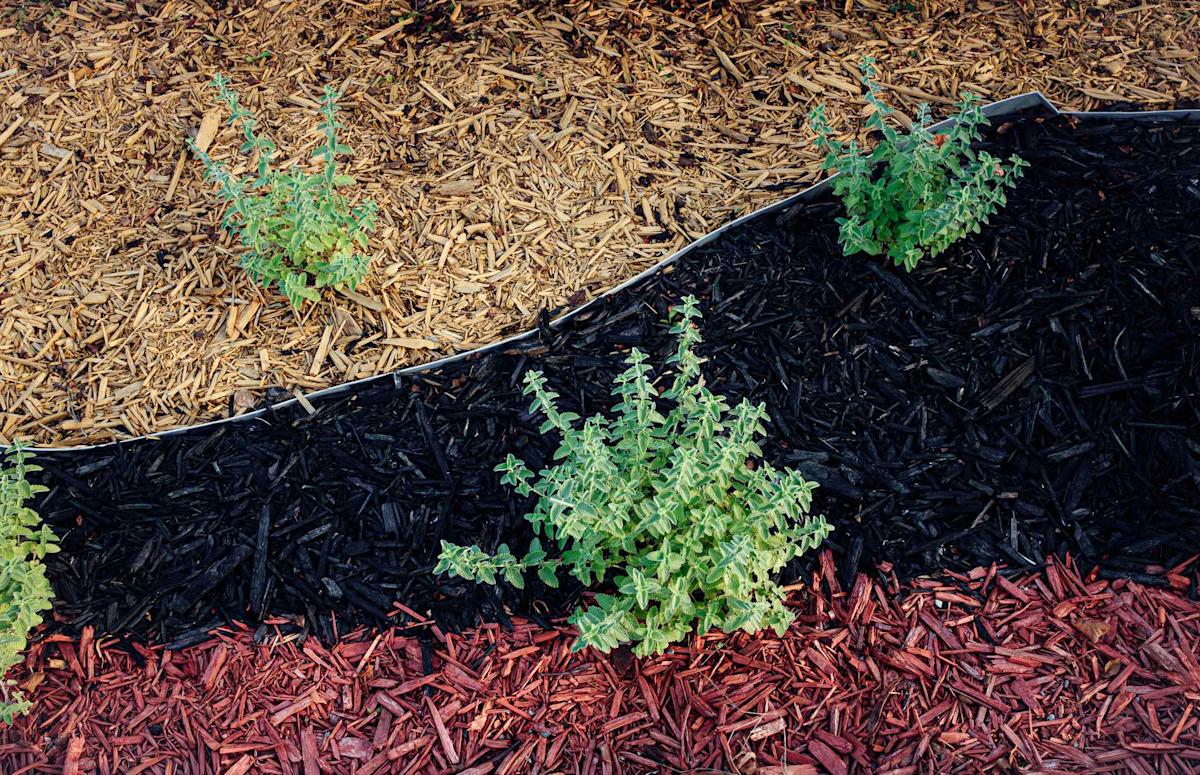
Homeowners have many a foe, but weeds are arguably one of the most persistent and pesky of them all. You spend hours (or pay someone else a hefty sum) to pluck each weed from the earth, and within a week or two, they’re back for another round. Mulch is positioned as an eco-friendly, low-maintenance way to suppress weeds, but does this trick really work as well as people say? We spoke with landscapers and gardeners who’ve tried every weed suppression method out there, and here’s how mulch stacks up.
Meet Our Expert
Sara Bendrick, a licensed landscape contractor, TV personality, and spokesperson for STIHL
Susan Martin, veteran horticultural expert at Proven Winners
Related: 4 All-Natural, Homemade Weed Killers That Really Work
How Effective Is Mulch at Suppressing Weeds?
Mulch is one of the most effective tools in landscaping to suppress weeds, but how it’s installed and maintained matters. It works by blocking sunlight, which prevents weed seeds from germinating. At the same time, it helps soil retain moisture so plants can thrive, explains Sara Bendrick, a licensed landscape contractor and STIHL spokesperson.
Advertisement
Advertisement
“If a site is riddled with weeds, they must be cleared out first. In some cases, applying a thicker layer of mulch is the best option,” Bendrick says. “I’ll sometimes go as thick as six inches if the goal is to really choke out weeds. A pre-emergent can also be used after clearing an area and before the mulch goes down.”
This helps prevent new seeds (often sitting on top of the soil) from growing and pushing through. Also, while mulch suppresses the bulk of weeds, some can still poke through regardless of your efforts. Bendrick says the key is removing newly emerging weeds early, before they set seed, so you’ll have fewer issues over time. Also, note that mulch should be relaid about once a year.
When Using Mulch Works Best to Prevent Weeds
Mulch can work anywhere, but it tends to suppress weeds best in these scenarios:
Around Plant Bases: “Spread it liberally around the base of all the plants in your garden,” advises Susan Martin, veteran horticultural expert at Proven Winners. This prevents weeds from choking out your plants. She adds, “Take care not to pile it up against the plants’ stems or branches since that can invite unwanted pests
Defined Planting Areas: This includes planting beds, around trees and shrubs, and even between rows in vegetable gardens. “Mulch works best in defined, planted areas where you’re trying to control weeds while also improving the overall health and appearance of the space,” Bendrick says.
Larger Landscaped Areas: Mulch is especially valuable in larger landscaped areas because it helps regulate soil temperature, retain moisture, and create a clean, finished look across the space.
Where You Want to Reduce Maintenance: “It’s generally really effective in areas where you want to minimize ongoing maintenance, as long as it’s installed correctly from the start and any new weeds are addressed early,” Bendrick says.
Where Should You Not Apply Mulch?
There are a few non-ideal places where mulch should be avoided. A big one is right against the home’s foundation, because it creates an invitation for termites, other critters, and waterlogging. Leave at least six inches to a foot of space between the mulch and the side of your house.
Advertisement
Advertisement
Also, Martin says not to pile too much mulch on top of plant or tree stems, crowns, or trunks. This can also invite pests and can potentially create root rot. Finally, do not directly lay mulch on top of existing weeds or grass without proper removal beforehand.
Read the original article on Real Simple
Comments are closed.