
 5 min read
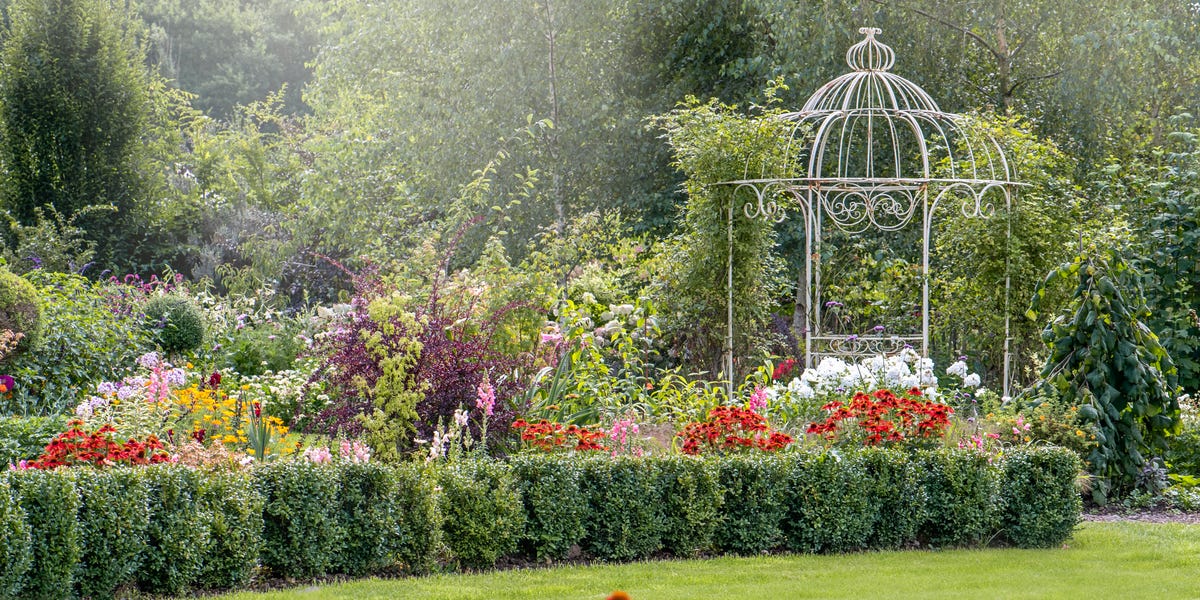
Cultivating a garden is one of the most rewarding—and challenging—journeys a homeowner can take. Whether it’s starting the potager of your culinary dreams or simply planting a few fragrant flowers to liven up an entry, gardening can better your overall mental and emotional health, support the local ecosystem, and elevate your home’s curb appeal. However, some rookie mistakes can sorely reduce the benefits of your garden—and even make your yard look rather cheap.
There are some key factors and planting rules to keep in mind that can make or break the appearance of your garden, whether you’re starting from scratch or simply giving your existing landscape some much-needed TLC. We asked landscape designers to reveal the common mistakes home gardeners make—and what to do instead to ensure your garden is not only beautiful, but also a place where you want to unwind. Read on to discover the things that can make your garden look cheap, according to the pros.
Starting Without a Cohesive Plant Plan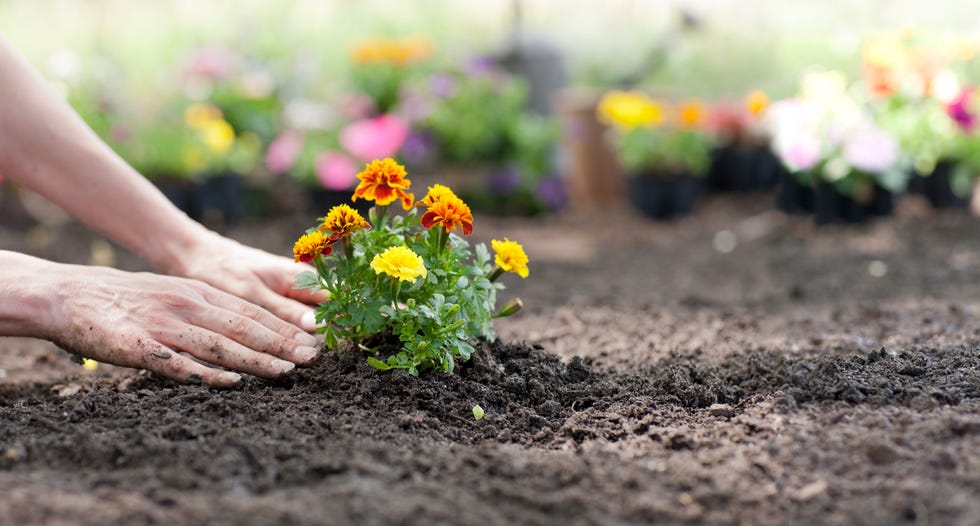
Liliboas//Getty Images
Landscape experts all agree: Understanding the bones of your garden and the overall growing conditions are necessary in cultivating a green space that will thrive for decades. We’ve all fallen victim to being a little too eager to get our hands dirty, but California-based landscape designer Stephen Block believes starting with a clear plan of action is the most crucial step in succeeding in the garden: “Don’t start digging until you have developed the plant palette first in each area, and preferably do not remove the existing plants until you have identified and found the plants you are going to eventually plant.”
Connecticut-based landscape architect Renée Byers adds that in addition to developing a clear plant palette, understanding how to group plants and pair them together with existing plantings is another important factor. New gardeners tend to only plant one or two of each type of plant, which can make flower beds or boxes look sparse and like an afterthought. As a solution, Byers says, “Groupings of five (or many, many) of the same plants, interwoven with other varieties of contrasting form and leaf texture, that thrive in similar environments are much more effective.”
Having Messy or Overgrown Plantings
Southern California-based landscape architect Adam Kober warns against selecting plants that “have a growth rate inconsistent with the scale of the space.” Nothing can instantly make your yard look messier than overgrown shrubs and trees that look as though they are taking over the entire landscape. Plus, out-of-control plantings can even lead to foundational problems for your home in the long run. “While shrubs can be more forgiving, trees that outgrow their space can damage sidewalks, architecture, and power lines,” Kober says.
Before planting anything, take the time to research how large different varieties can grow to find the perfect one for your space. Plus, make sure you understand how to prune and manicure the selected plantings to ensure you can properly care for them and stop them from looking overly wild.
Overlooking Furniture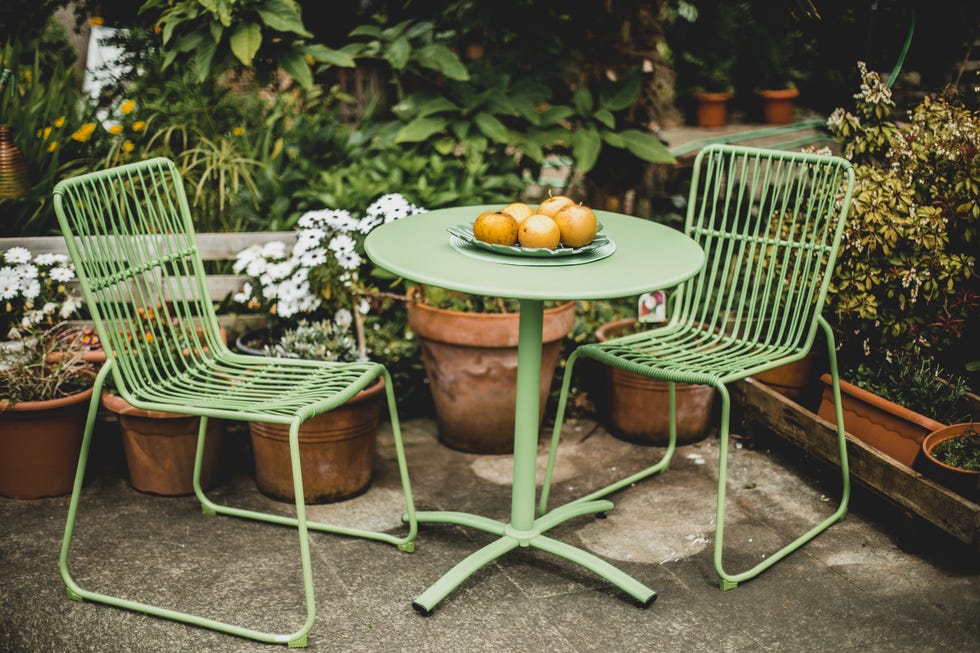
Carol Yepes//Getty Images
Gardens often serve as a gateway for getting people to embrace the indoor-outdoor way of living. With this in mind, outdoor furniture plays an important role in creating rooms that people feel as comfortable in as they do in the living room. However, Jacqueline Harrison, principal of New York-based landscape design studio Harrison Green, has noticed homeowners increasingly overlooking their patio sets and settling for pieces that detract from the appearance of the landscape. “Exterior spaces are often not held to the same standards as interiors—but they should be,” Harrison says. “Think of outdoor furniture the way you might think about an antique passed down through generations: well‑made pieces can age beautifully.”
While Harrison admits there are upholstered and fabric‑heavy outdoor pieces that certainly can withstand the elements, these pieces often need routine maintenance and exterior-grade materials to ensure they remain beautiful for years to come. Instead, the landscape designer prefers sculptural, durable furniture that works well with or without cushions. She says, “Pieces that can develop a bit of patina often look even better with time and continue to contribute to the landscape even when not in use.”
Abandoning Shade Trees
Planting and caring for trees, whether a miniature variety or a flowering beauty, takes a lot of time and commitment even after they’re fully grown. The extra work of trimming the branches, raking leaves, and picking up their fruits or nuts can be a major turnoff for some homeowners—but mature trees actually make your landscape more attractive and provide necessary habitats for local critters and pollinators. Both Byers and Harrison advocate that people should not be afraid of larger shade trees even if they produce a little “mess.”
“We always advocate a timeless approach that includes large, mature shade trees, and remind homeowners that large trees are our outdoor, natural architecture that sets the stage for the garden around them,” Byers says.
Harrison adds, “We love encouraging people to plant more canopy trees instead of relying solely on smaller understory or flowering trees. Dogwoods, redbuds, and cherries are lovely, but there’s an incredible world of trees beyond them. Oaks, maples, tupelos, poplar, ash, Kentucky coffee trees—the list goes on, and that’s just among deciduous species. These larger trees provide unmatched beauty, shade, and ecological value.”
Leaving Metal to Rust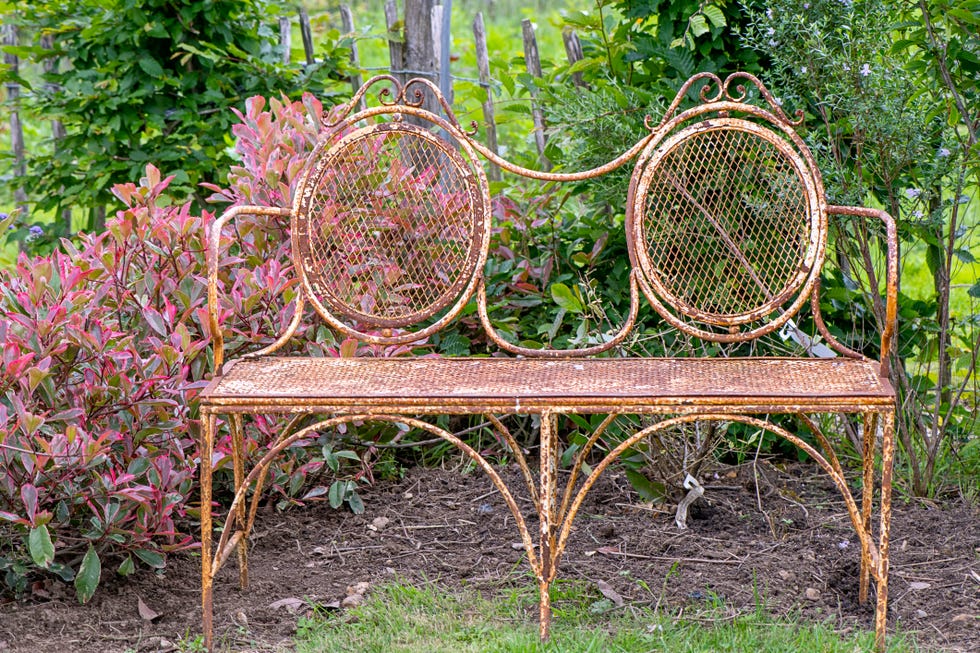
Jacky Parker Photography//Getty Images
As with the furniture you choose, the materials used for different landscape elements like fences, gates, and arbors matter. Nothing ruins the look of a verdant English-style garden more than a rusty old pergola or pavilion. “Wrought iron, in fencing and in outdoor furniture, can be beautiful, but requires a lot of maintenance,” says Byers. “When budget allows up front, bronze for special gates and railings is preferred as they are literally a lifetime material.”
Not Maintaining Your Fountains or Ponds
Water features create a sensory experience in the garden that instantly soothes the mind and helps everyone to relax. While thoughts of a bubbling fountain seem peaceful, Block warns that fountains and ponds can be a bit of a headache to care for. He says, “They require special care that your gardener likely will not be able to provide—koi ponds especially. The birds and the raccoons will win.”
While there are lower-maintenance, self-contained fountains on the market, they still require regular maintenance to ensure algae or debris doesn’t build up and cause the pumps to clog. Instead, something like a birdbath that is much easier to clean may be a more sustainable option. Plus, it attracts more birds to your yard, offering hours of entertainment and joy there.

Sarah DiMarco (she/her) is the associate editor at VERANDA, where she produces and edits engaging content covering design, architecture, art, gardening, and travel. Since joining the team in 2019, she has written captivating house tours, in-depth features on emerging design trends, practical gardening guides, and inspiring travel stories. Over the course of her five-year career, she has cultivated a strong network of multidisciplinary designers whose expertise she frequently draws on for her stories. Prior to joining VERANDA, she earned her master’s degree in Magazine, Newspaper, and Online Journalism at Syracuse University. When she’s not writing or researching her next feature, you’ll find her experimenting in the kitchen, making pottery, or volunteering at the Desert Island Supply Co.
Comments are closed.