
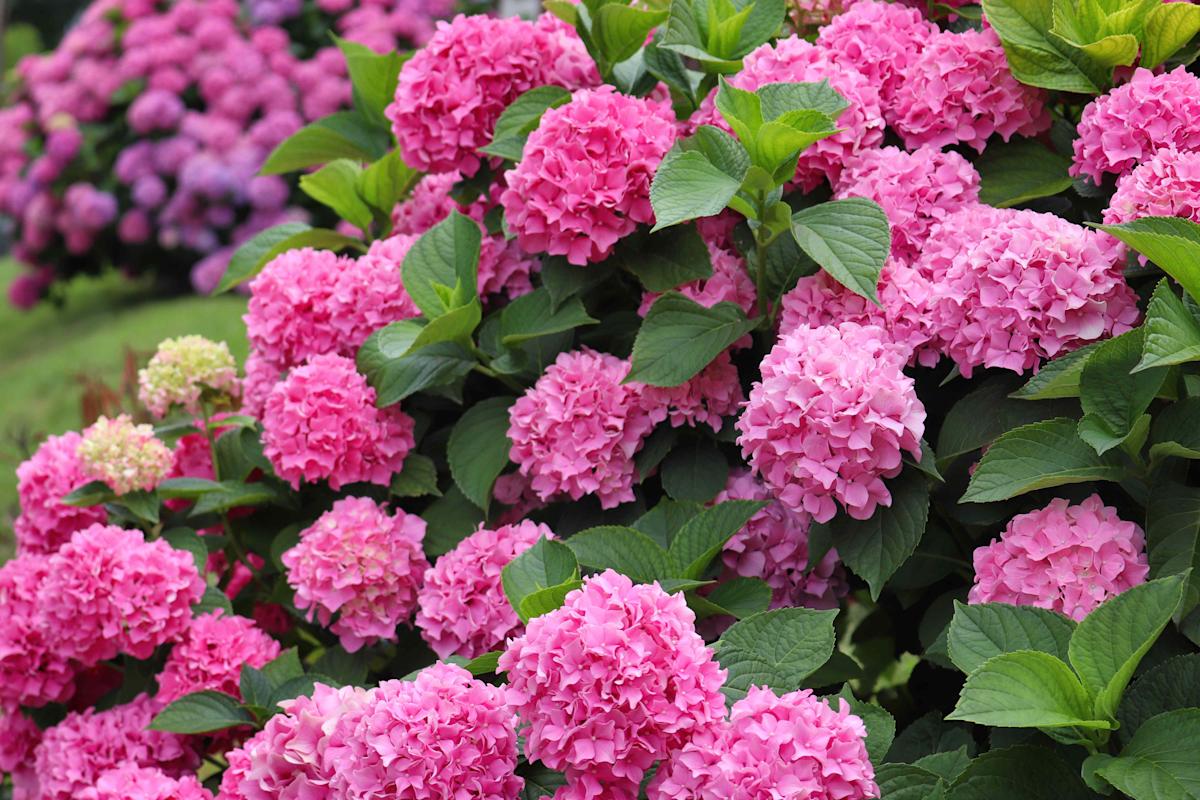
Key Points
Transplanting hydrangeas at the right time helps them thrive in their new location with less stress.
Move hydrangeas in early spring or late fall when they are dormant to protect them from heat and blooming stress.
Prepare the plant by keeping the soil moist, choosing a nutrient-rich spot, and watering deeply after transplanting.
Hydrangeas are one of the most popular shrubs in the garden, beloved for their low-maintenance care requirements and showy blooms in various colors. If yours has outgrown its current spot or you’re planning to update your garden’s layout, transplanting hydrangeas is sometimes a necessary endeavor for gardeners. While hydrangeas are resilient plants, transplanting at the wrong time or the wrong way can stress these plants, resulting in reduced flowering or even death. Ahead, gardening experts share their tips for transplanting hydrangeas the right way.
Meet Our Expert
Ryan McEnaney, gardening expert and author of Field Guide to Outside Style: Design and Plant Your Perfect Outdoor Space
Andrew Bunting, vice president of horticulture for the Pennsylvania Horticultural Society
Related: How to Grow and Care for Hydrangeas for Beautiful Blooms Every Year, According to Experts
When to Transplant Hydrangeas
The best time to transplant hydrangeas is when the plant is dormant or just transitioning in or out of dormancy. “This means early spring or late fall to reduce the stress on the plant,” says gardening expert Ryan McEnaney. “Transplanting in early spring or late fall allows the hydrangea to establish its root system at a time of year when the plant isn’t being stressed by summer heat or while blooming.”
How to Prepare Hydrangeas for Transplanting
Preparing hydrangeas for transplanting will ease their transition and alleviate stress. The key is keeping the soil around these plants hydrated before, during, and after transplanting. “This will help to reduce the stress when the plant is being removed from the home it’s previously settled into,” says McEnaney.
Where to Transplant Hydrangeas
Hydrangeas are tough plants, but they can be particular about their soil and sunlight requirements. When choosing a new location for your hydrangeas, ensure the soil is nutrient-rich and moisture-retentive, but still well-draining, says Andrew Bunting, vice president of Horticulture at the Pennsylvania Horticultural Society. He also recommends choosing a location with dappled shade to not stress the hydrangea, unless you’re growing a full-sun variety.
How to Transplant Hydrangeas
Now that you have prepared your hydrangea and have chosen a suitable location, it’s time to move it into its new home. Below, Bunting and McEnaney share their tips for transplanting hydrangeas.
Slightly moisten the soil around the hydrangea.
Hydrangeas have lateral roots, so dig at least along the drip line (where the furthest branch or flower reaches from the crown), and down 12 to 18 inches.
Get under the hydrangea and gently lift it out of ground, keeping the soil intact with the roots.
Dig a hole where you want to transplant your hydrangea, ensuring it is 1 1/2 times as wide as the rootball.
Place the hydrangea in the hole so that the crown is even with the soil. Backfill with soil and compost.
Pack the soil and water deeply. Cover the base of the plant with mulch.
Tips
If you are transplanting the hydrangea a far distance, Bunting recommends laying it on a piece of burlap and tying together the ends. “This will help to keep the soil remaining with the roots during transport,” he says. “The tied together corners of the burlap can be used to carry the hydrangea to the planting hole.”
How to Care for Hydrangeas After Transplanting
After care is essential to ensure your hydrangea thrives after transplanting. “Once the hydrangea is planted in its new home, the biggest priorities will be to reduce the stress on the plant by protecting it from extremes in heat, sun exposure, and soil moisture,” says McEnaney. “Hydrangeas prefer evenly moist soil, so give it a good soak as often as needed to maintain moist soil but not dry or wet.”
Hydrangeas will likely still bloom in the same season they’re transplanted, especially if you get a significant portion of the root ball and transplant early in the season. “The hydrangea will settle in after a couple of weeks, and you may see more consistent new growth within a month, and then take a growing season to be fully established,” says McEnaney.
Read the original article on Martha Stewart
Comments are closed.