
Weeding and watering are my two least favorite gardening activities, especially in summer. Thorough mulching takes care of the first issue, but reducing the second also requires choosing the right plants. I prefer those that sip, not gulp. In fact, any plant that can’t go a week without me standing at the end of a hose will suffer a short and miserable life.
Please understand that I am talking about plants that are growing in the ground, not containers. With the exception of succulents, most plants growing in pots require watering about every other day because they have such little soil in which to grow and the soil dries quickly. With that said, I hereby present to you 10 flowers that, once established, will bloom all summer with only a modicum of H2O. Just give them plenty of sun and well-drained soil.
Blanket Flower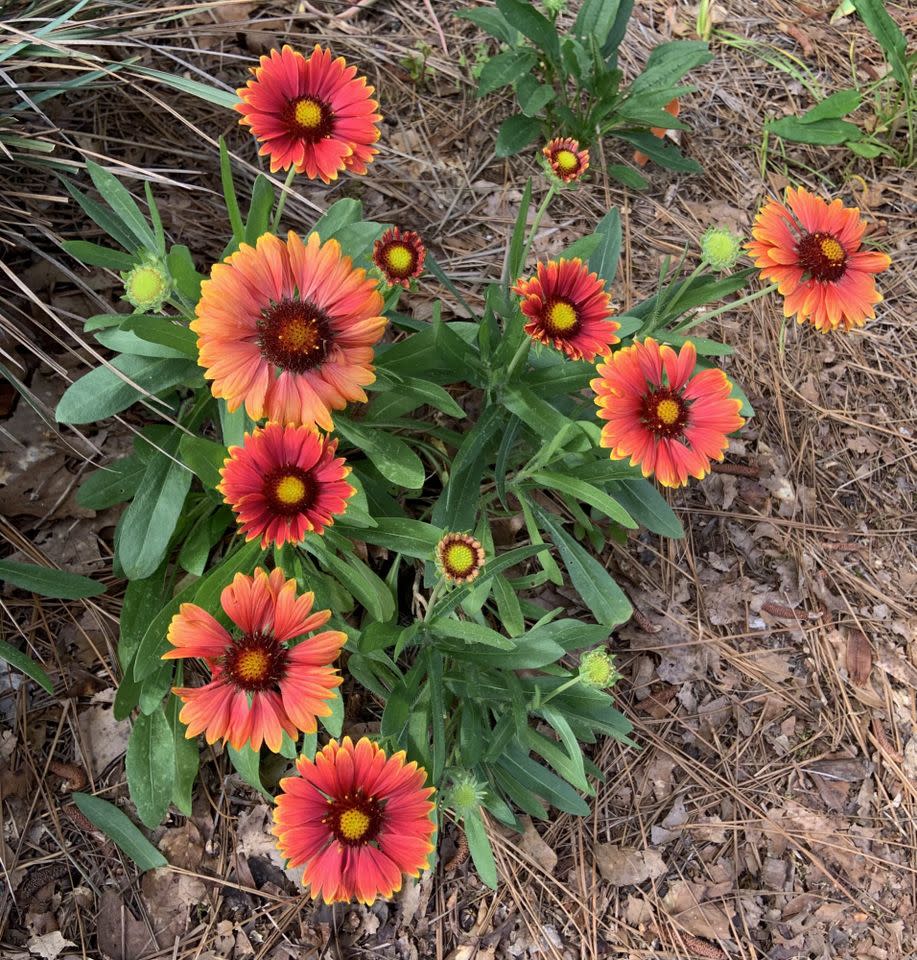
Credit: Steve Bender
Botanical Name: Gaillardia x grandiflora
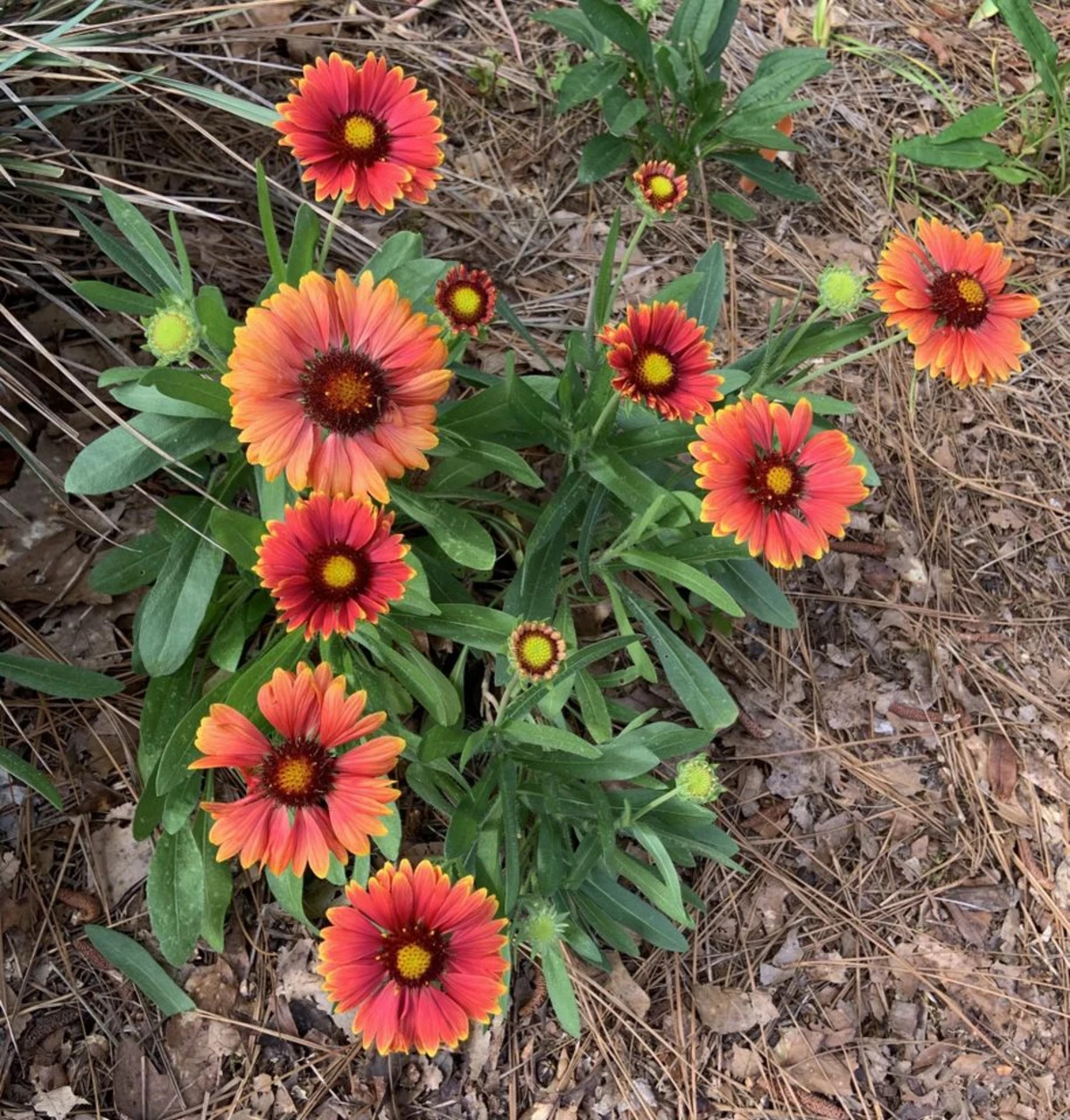
If you live near the beach, you’ll often see blanket flowers growing right on the dunes in pure sand. Hybridizers have done a lot of work with them to produce bigger flowers, different colors, and bushier forms. The Southern Living Plant Collection includes ‘Sunset Celebration’ gaillardia, which is red and yellow and resists fading. The daisy-like ‘Mesa Yellow’ features sunny petals and a golden center. Both grow 14 to 16 inches tall and wide. Butterflies love them. Clip old seedheads to keep new flowers coming.
Credit: Van Chaplin
Botanical Name: Angelonia angustifolia
Soil Type: Moist, well drained
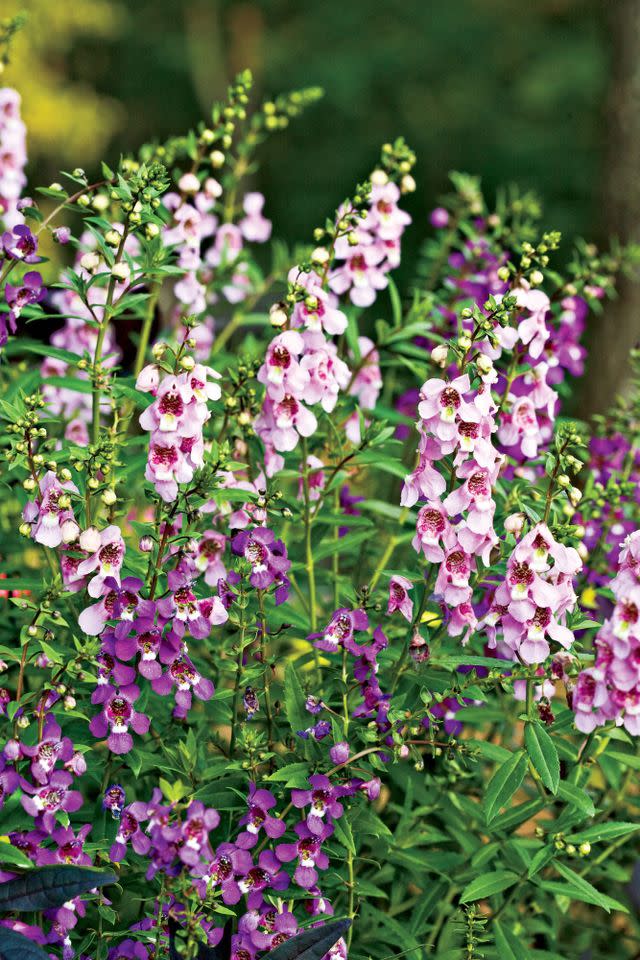
Old-fashioned snapdragons (Antirrhinum majus) hate summer heat. Summer snapdragons (above) love it. These tropical natives come in two forms: upright and trailing. Spikes of blue, purple, lavender, red, pink, or white blossoms adorn the foliage. Plants need only occasional deadheading. Butterflies like them, but deer don’t. If flower production wanes a bit, give them a drink of liquid fertilizer.
Globe Amaranth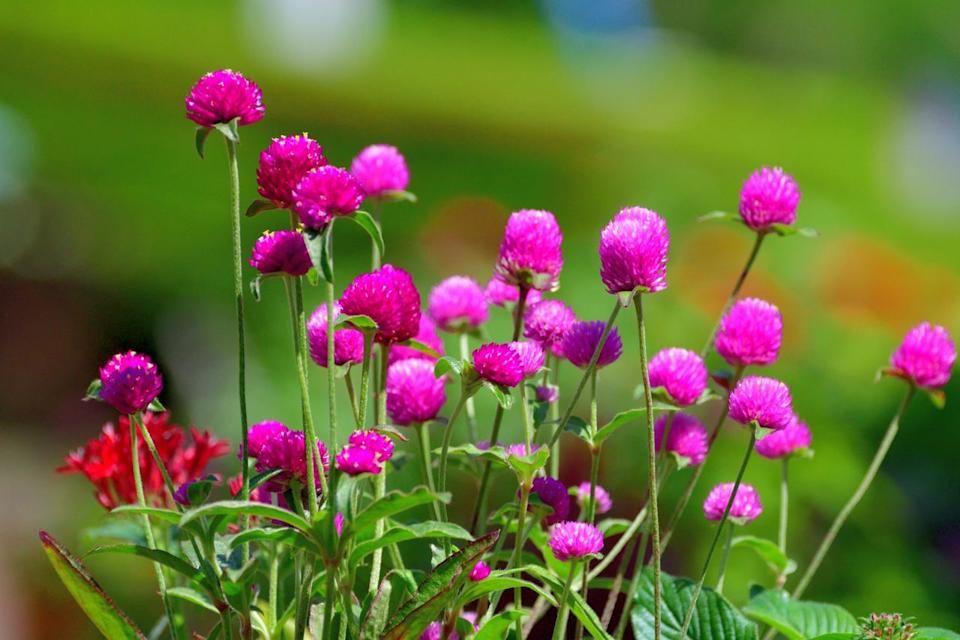
Botanical Name: Gomphrena globosa
Easy to start from seed and just as easy to grow in a garden, globe amaranth (above) is a lazy gardener’s dream. Clover-like blooms in pink, purple, white, orange, and red appear nonstop. They make great cut flowers, as they hold their colors when they dry. Some types, like ‘Strawberry Fields,’ can grow 2 feet tall. My favorite, though, is ‘Buddy,’ a purple dwarf that reaches only 6 to 8 inches. Plants don’t need deadheading, and deer don’t eat them.
Credit: Getty Images
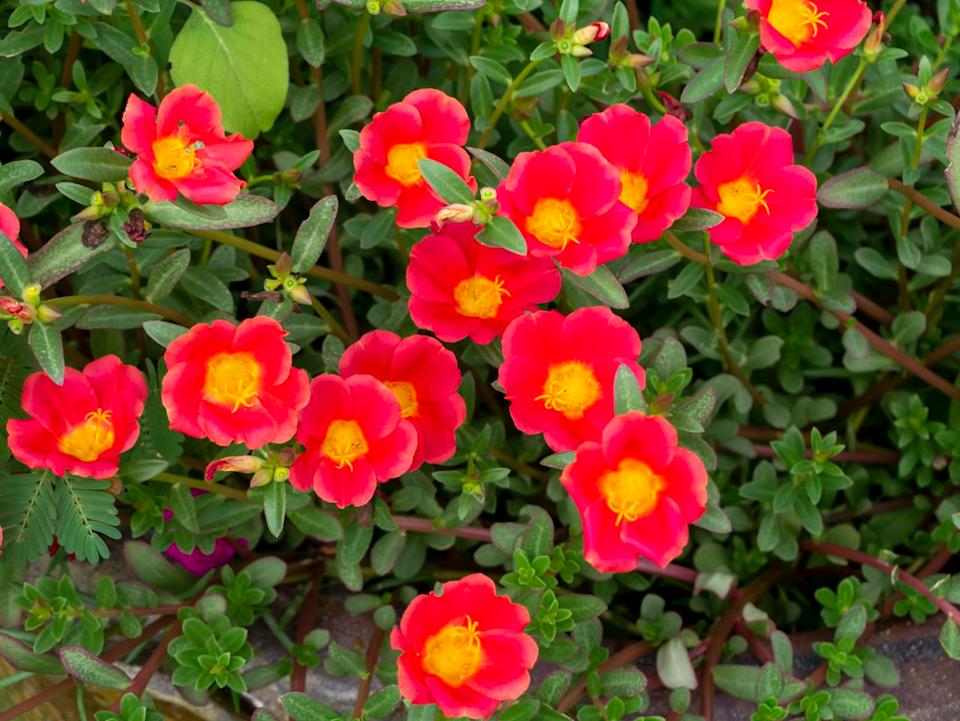
Botanical Name: Portulaca hybrid
It’s hard to believe that a terrible lawn weed could give birth to an amazing flower, but it happened. Plant breeders crossed common purslane (Portulaca oleracea) with other species to produce an ornamental marvel (above) that pairs succulent, paddle-shaped leaves with showy flowers that may be red, orange, peach, yellow, or white. Flowers open in the morning and close in the evening. Because of its trailing nature, ornamental purslane makes knockout hanging baskets, but you can also use it to edge flower borders. Butterflies like it, but deer don’t. Minimal attention is required—just don’t water too much.
Credit: Alison Miksch
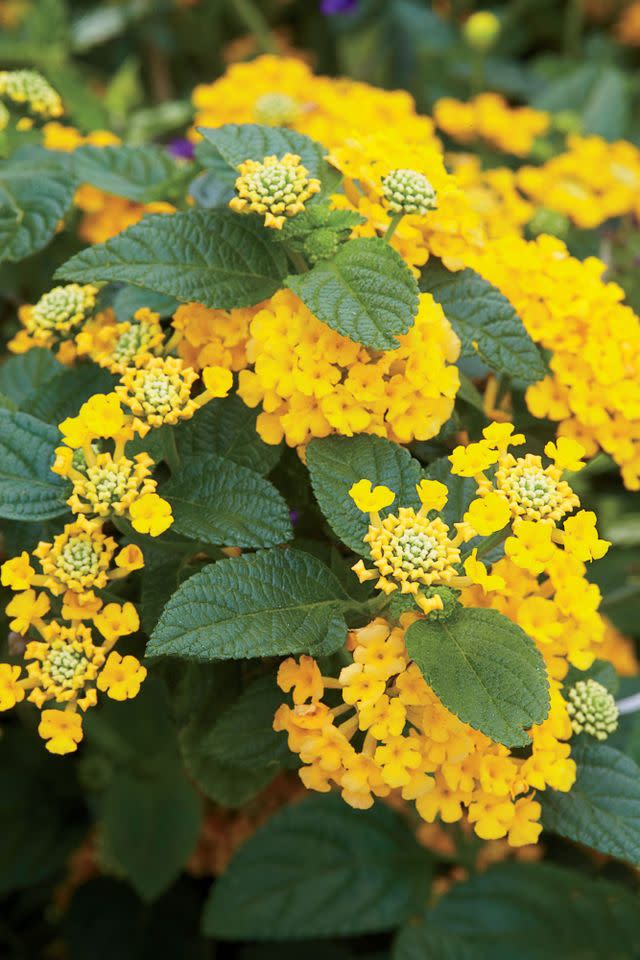
Botanical Name: Lantana sp.
Why do you see sweeps of lantana planted so often at shopping malls and neighborhood entrances? Because they supply continuous color with just about zero care. Rounded flower clusters about an inch in diameter usually consist of light yellow blooms in the center with orange, red, pink, peach, yellow, or white blooms surrounding them, though some selections offer solid colors. Butterflies love lantana. It needs no deadheading. Check the label for height and spread, as some grow large and mounding while others hug the ground.
Credit: Westend61/Getty Images
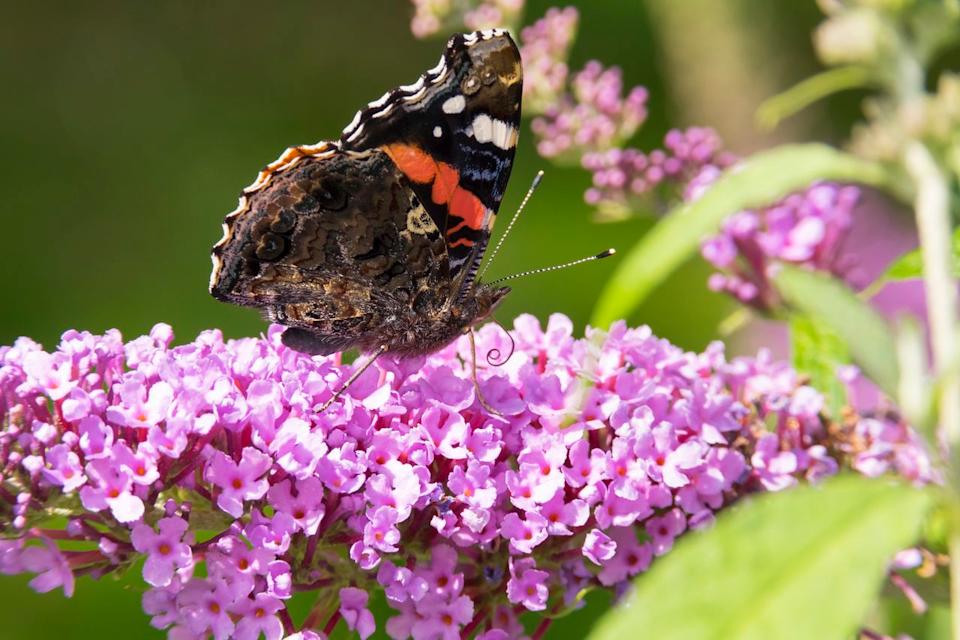
Botanical Name: Buddleja davidii or Buddleia davidii
Add a lush butterfly bush to your garden for color from spring through summer. The fast-growing shrub features pink, purple, yellow, or white flowers that attract pollinators. This plant can go for a couple of weeks without water during extremely dry weather once established.
Credit: Remedios/Getty Images
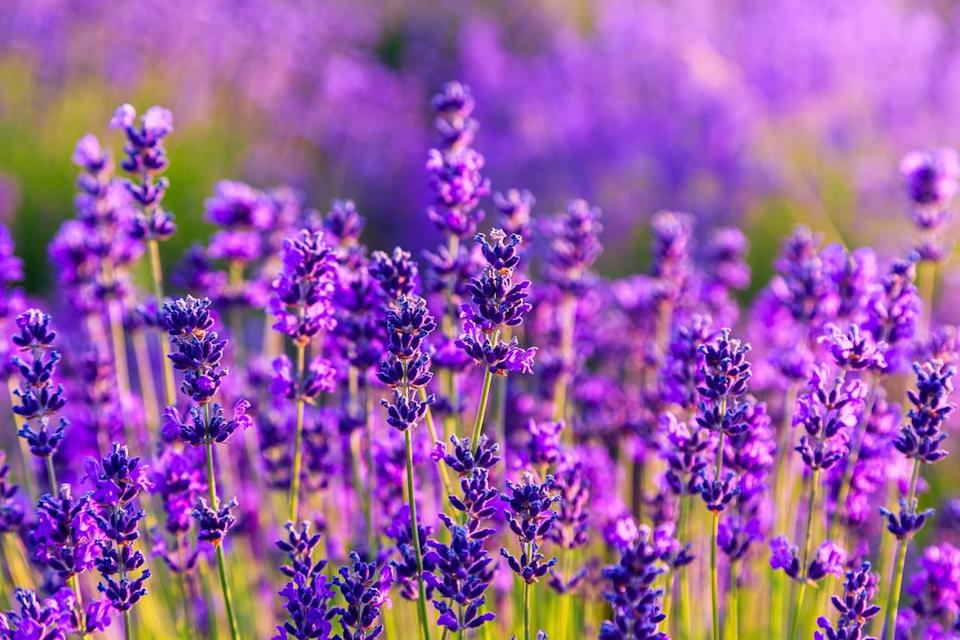
Botanical Name: Lavandula sp.
Soil Type: Sandy, well drained
Give this sun-loving plant a bright spot in your garden. Native to the Mediterranean, lavender is not afraid of the summer heat. Flowers planted in garden beds need to be watered only during prolonged periods of drought. Watering every couple of weeks will satisfy this fragrant perennial.
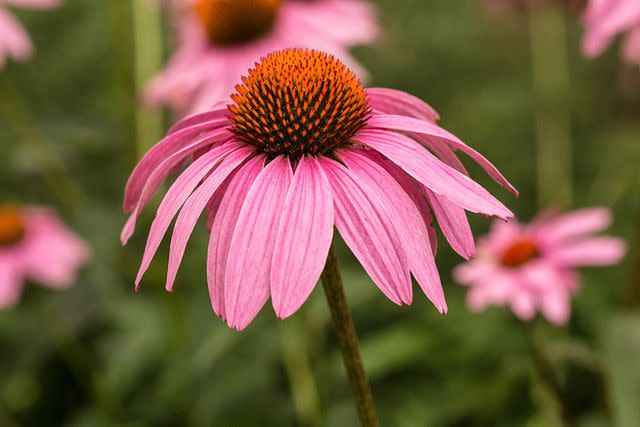
Credit: Getty Images
Botanical Name: Echinacea purpurea
Soil Type: Moist, well drained
A patch of these tall flowers can add color to your garden all summer long. They’re easy to grow in almost any soil, as long as it’s not wet. The drought-resistant blooms attract pollinators to your yard. Deadhead purple coneflowers to encourage new growth. If you don’t deadhead, the dying cones will provide seeds for finches who come to your garden.
Dianthus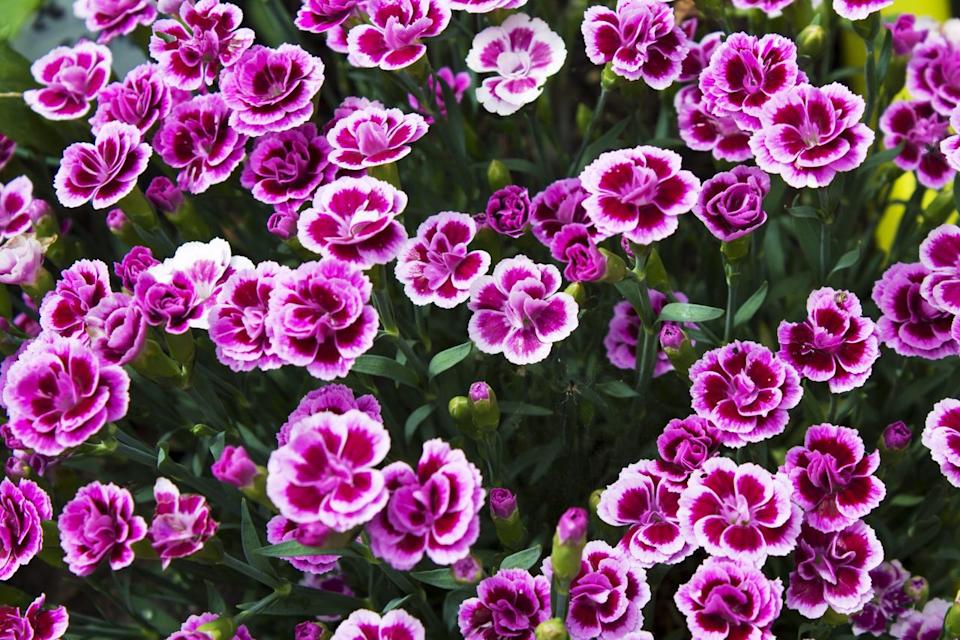
Credit: Westend61/Getty Images
Botanical Name: Dianthus caryophyllus
Soil pH: Neutral or slightly alkaline
These mounding plants are easy to care for. Plant them early in the season so they’ll have time to become well established before the hottest summer temperatures arrive. They’re drought tolerant but don’t like extreme midsummer heat. Aim to water them weekly, but avoid overwatering and creating soggy soil. Deadheading these brightly colored perennials will help them bloom again.
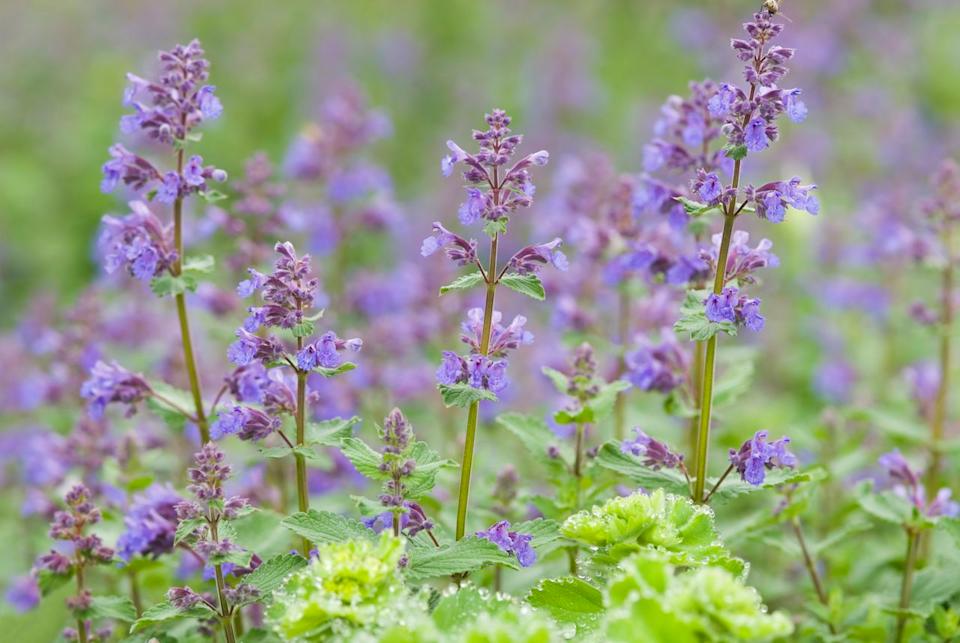
Credit: AlpamayoPhoto / Getty Images
Botanical Name: Nepeta sp.
Soil pH: Acid, neutral, or alkaline
Bring color to garden borders. Catmint blooms all summer and doesn’t mind Southern summers. Once established, it is drought tolerant. Small purple flowers attract bees and butterflies, but deer typically stay away. Like its relatives in the mint family, catmint does spread, but it can be confined to a specific area.
Read the original article on Southern Living
Comments are closed.