
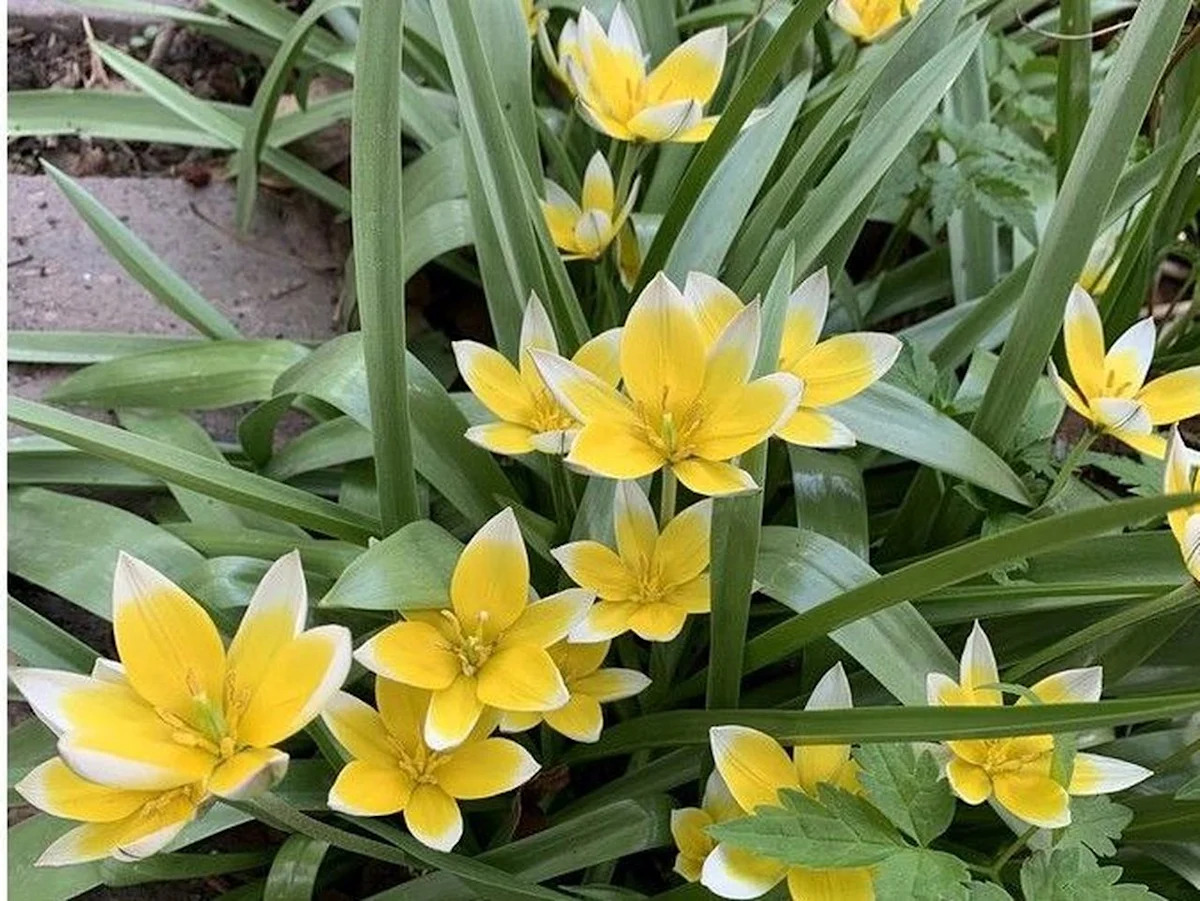
As early as February, we’ve been teased by periods of lovely warm weather that make gardeners itch to get growing. These warm spells were promptly followed by snowy ones. Now that May is here, we can be more confident that the outdoor growing season is imminent.
But don’t let the first balmy day in May fool you; until after the long weekend, overnight frost is not unusual. It doesn’t mean that we need to wait for the risk of frost to pass before starting our gardening projects. There’s plenty that can be done.
One of the first tasks is to take stock of what is happening in the garden. Are plants up? Is the soil moist? Is anything in bloom? If your garden doesn’t have any early spring colour, then consider adding some early flowering shrubs and spring flowering bulbs to your plant wish list. The shrub can be planted now, but the bulbs will need to wait until they are available and planted in the fall.
If you see a lot of bare soil, get mulch. Mulch helps keep moisture in the ground. It also helps control weeds and makes the garden look better, especially before herbaceous plants emerge. Applying compost and then mulch in the spring feeds and protects the soil.
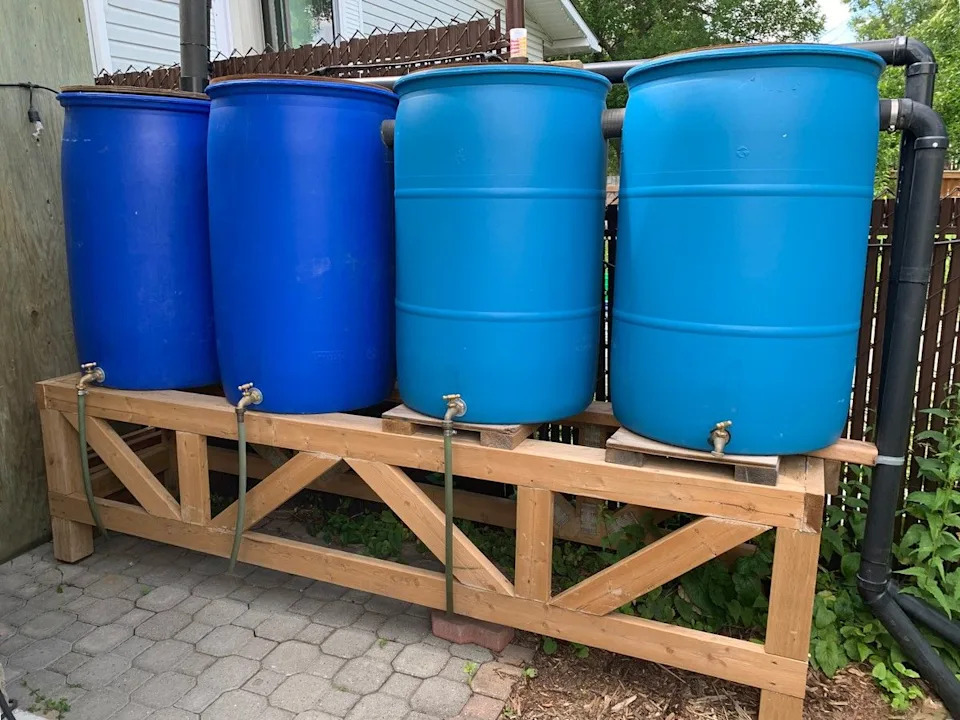
Spring brings lots of rain, so get your barrels ready for hookup in May. Photo, Deborah Maier
It is also time to connect rain barrels to downspouts. Rainwater is great for plants. As rain falls through the air, the water drops absorb nitrogen that can feed plants. It is one of the reasons plants often are greener after it rains.
If you need a rain barrel, did you know that the City has a rebate program offered in partnership with Green Calgary? Calgary residents can receive up to $50 per rain barrel and up to three rebates per household. Details about the rebate program can be found on The City’s (calgary.ca) or Green Calgary’s (greencalgary.org) websites or by calling 311.
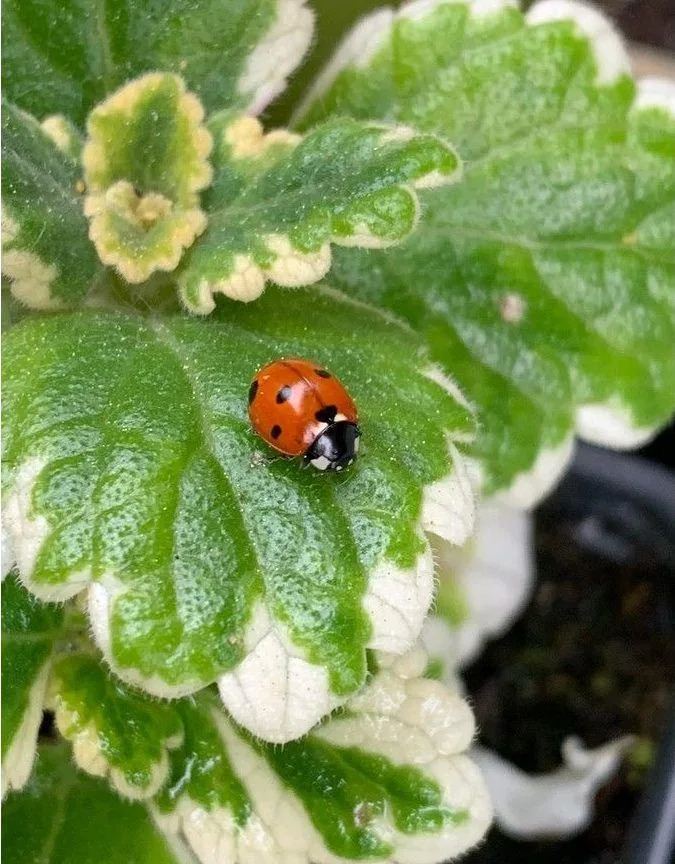
Don’t be in a hurry to clean up leaves and debris in the yard this spring. They can provide shelter for insects and small animals. Photo, Deborah Maier
Garden cleanup is often a task that gardeners want to tackle as soon as they can get into the garden. Ideally, the task should be put off until late May, as last year’s leaves and stems provide shelter for garden critters when temperatures drop. If you really need to clean up, do it in stages so these critters can still find areas of protection.
If you need to do hand digging, early May is a good time to do it. The freeze-thaw cycles and high soil moisture content make even compacted soil easier to dig. If you like a cut edge on your in-ground garden beds, now is the time to get the edging tool out and tidy them up.
Early spring is an important time to weed. Weeds are often some of the first plants out. Pull them as soon as you see them, before they grow an extensive root system or go to seed. Even quack grass can be managed if it is pulled in the early spring. The soil is soft, so often a long rhizome can be pulled, setting the plant back and, if you are lucky, can remove it.
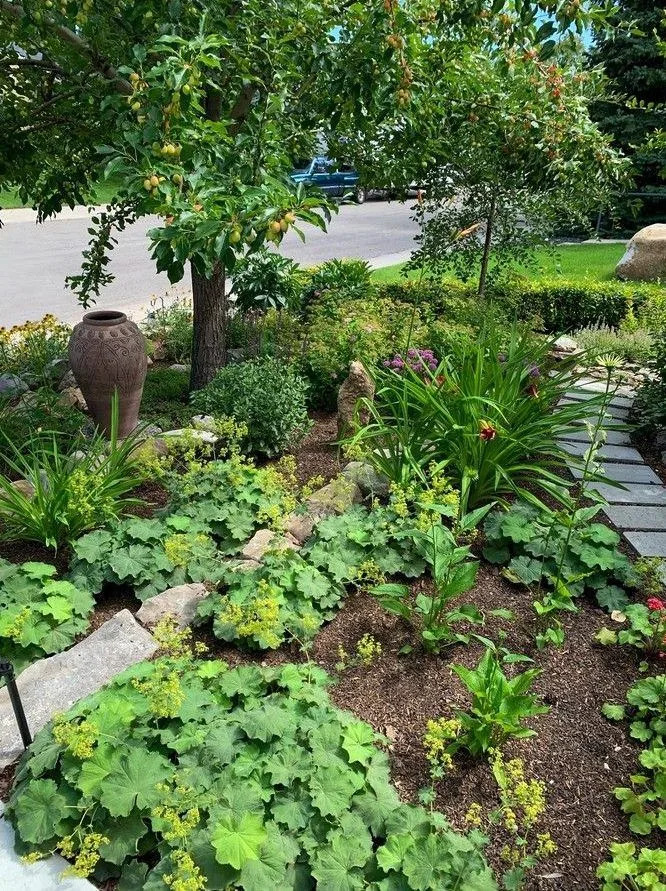
Mulch your garden to help keep moisture in the soil. Photo, Deborah Maier
But what about planting? Seeds of cool-season crops can be sown, including greens such as lettuce and spinach, root crops such as carrots, beets, radishes, and members of the cabbage family such as broccoli and kale. Cool-season flowers include sweet peas, pansies, violas, snapdragons, calendula, and dianthus. You can even plant cool-season seedlings, but as they have been greenhouse-grown or grown indoors, they could be affected by temperature drops, so be prepared to cover them with floating row cover, frost cloth, or even an old sheet.
For the best protection when frost threatens, cover the plants while it is still warm outdoors and leave an air space between the plant and the fabric by using a support, such as a garden hoop. Using support for the fabric will also help prevent plants from being crushed by a late-season snowfall. For additional insurance, save some seedlings for planting after the last frost.
Whether we get more snow or there is frost, it is spring, and there is plenty we can do in the garden. Are you ready?
For more gardening tips, visit calhort.org.
Deborah Maier is a writer with the Calgary Horticultural Society. They are contributing garden columns every month through spring and summer.
Comments are closed.