
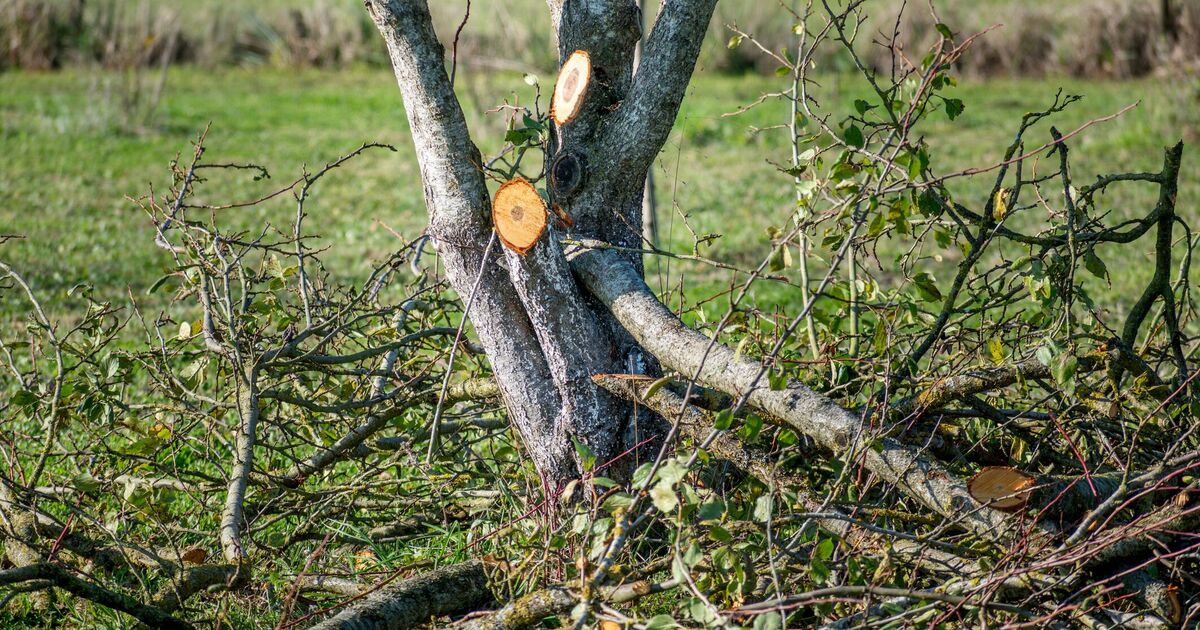
A tree that’s native to the UK is surrounded in superstition (Image: Getty Images)
Ancient English folklore is utterly fascinating, with our ancestors once venerating nature in ways largely forgotten in modern times. Yet certain age-old myths and legends endure, such as the widespread unease felt upon spotting a solitary magpie.
There exists another compelling superstition once observed throughout Ireland, England, Wales and Scotland — one that centres around a very particular shrub. Blackthorn, a tree native to the UK, grows wild and yields sloes each autumn. However, ancient beliefs surrounding this modest tree deemed it ‘forbidden’ to cut down on two specific occasions each year.
READ MORE: Fury as trees axed in Robin Hood’s Sherwood Forest by mistake – ‘disgusting’
READ MORE: UK hedges ‘under siege’ from invasive caterpillars ‘need action today’
Both May 11 (and November 11) were regarded as deeply unlucky dates to fell blackthorn in days gone by, as it was believed to be a ‘magical tree’ in Celtic mythology.
The tree is also referred to as wild plum, and the ‘wishing thorn’, and it cuts a distinctive figure when spotted in hedgerows or woodland areas in towns and parks.
The blog, Irish Stick, explained the folklore: “Blackthorn was considered as a protection against the fairies as they regarded it very highly.
“It was said to be protected by the lunantishees (moon fairies) who, at the best of times, were no friends to humans and would curse anyone foolish enough to cut down a blackthorn on November 11 (the original All Hallows’ Eve) or on May 11 (original May Day).
“The best time to harvest the tree was during the full moon, as the lunantishees would be away during that time – on a good day, the lunantishees would give inspiration to the musician or the poet as well as valour and strength to the warrior.”
Similar folklore surrounds the hawthorn tree, considered a ‘cousin’ of the blackthorn, with both shrubs deeply rooted in myth and legend.
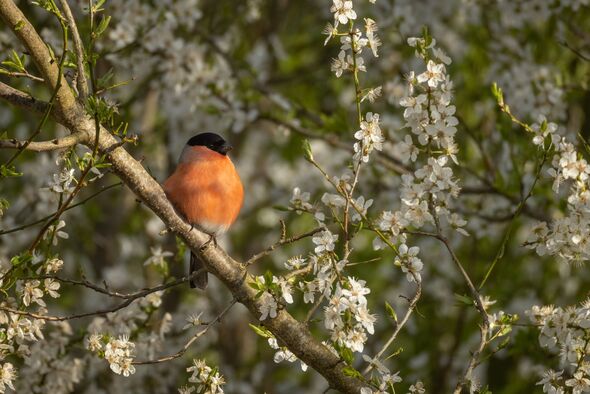
Blackthorn is a familiar sight in hedgerows across the UK (Image: Getty Images)
Hawthorns were commonly planted as a memorial when someone died and were closely associated with ‘fairy folk’ and even regarded as a portal to the ‘Otherworld’.
The hawthorn (also known as the May tree or whitethorn) produces spectacular blossoms in spring, much like the blackthorn, yet according to superstition in earlier centuries, felling a hawthorn was believed to ‘lead to instant death’.
Cutting down blackthorn at specific times of year (November 11 and May 11) would bring ‘a curse from the fairy folk’ – which is partly why these trees remain abundant, still standing in seemingly random spots to this day.
Yet even during spring when the hawthorn bursts into bloom with a breathtaking display of white (or occasionally pink) blossom, snapping off a branch or small twig bearing flowers and carrying it indoors was also considered ill-omened in times gone by – and there are likely those today who still wouldn’t take the chance.
Comments are closed.