
While proud pet owners may (rightfully) think the world of their furry friends, not everyone shares their enthusiasm.
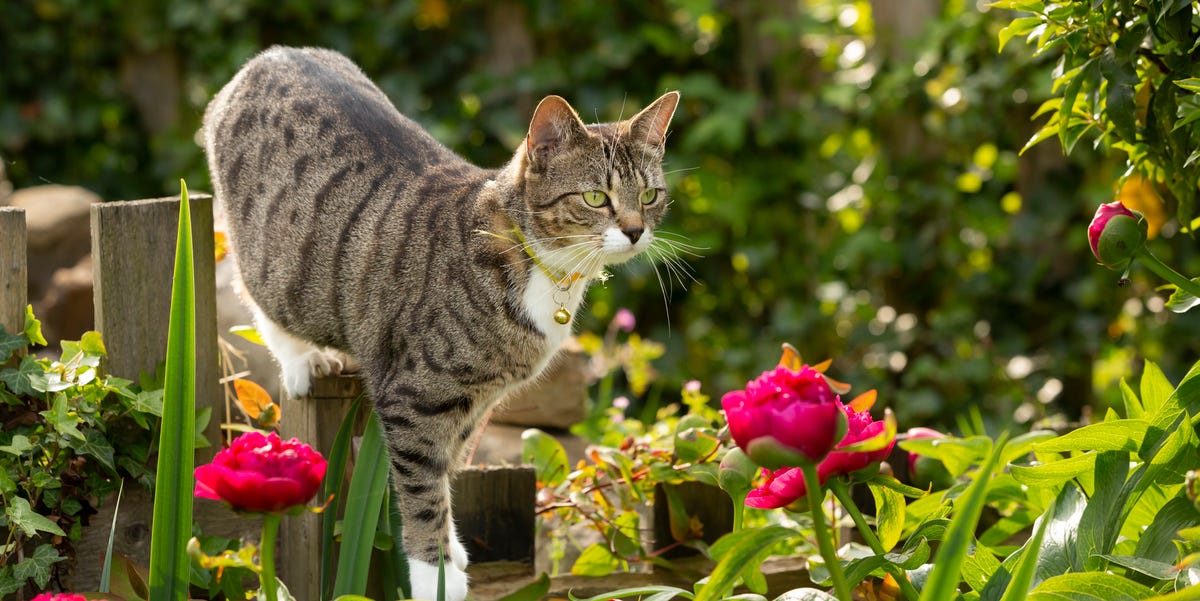
In fact, other people’s pets can be a serious problem for some, for example when free-roaming cats stray into nearby gardens, leave droppings on the well-maintained lawns, nibble on beloved plants or pick fights with other pets.
Some might welcome the occasional visit, but for others it soon wears thin.
If you are finding yourself frustrated by regular visits, there are a few simple, pet-safe ways to make your garden less inviting without turning it into a battleground.

Oksana Shufrych//Getty Images
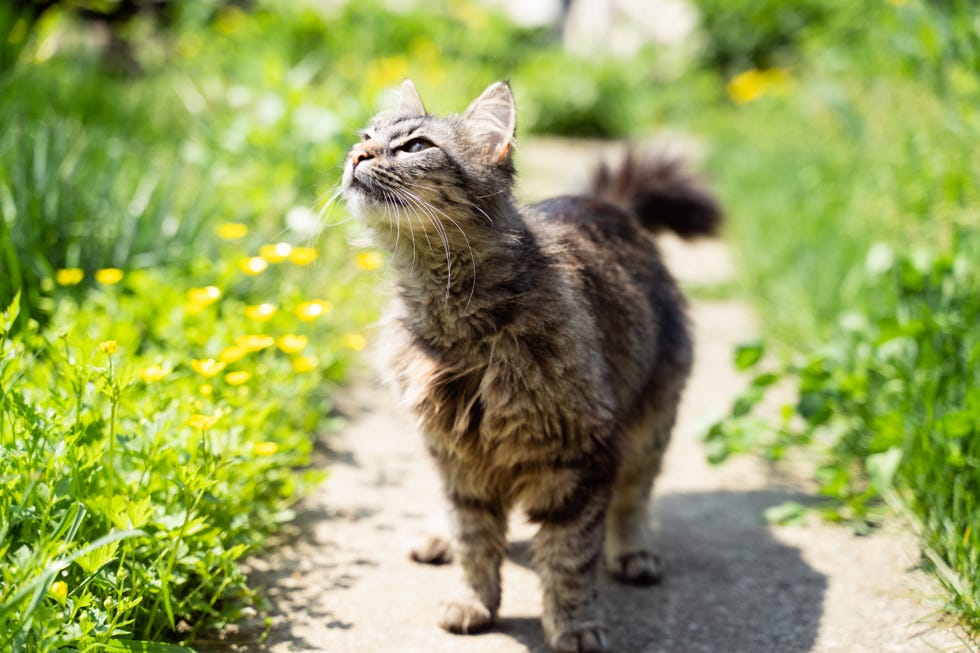
1. Cover sandboxes to stop cats using them as a litter tray
If you have (or at some point had) young children, you might have a sandbox in your garden. PDSA (People’s Dispensary for Sick Animals) vet nurse Gemma Renwick notes that sandboxes can look like a big litter tray to visiting cats and strongly recommends shielding it from the gaze of felines, by using either plastic sheeting or a cover.
While this doesn’t guarantee that you won’t get any unwanted visitors, you’re also not inadvertently inviting cats into your garden with open arms.
2. Use natural repellents to deter cats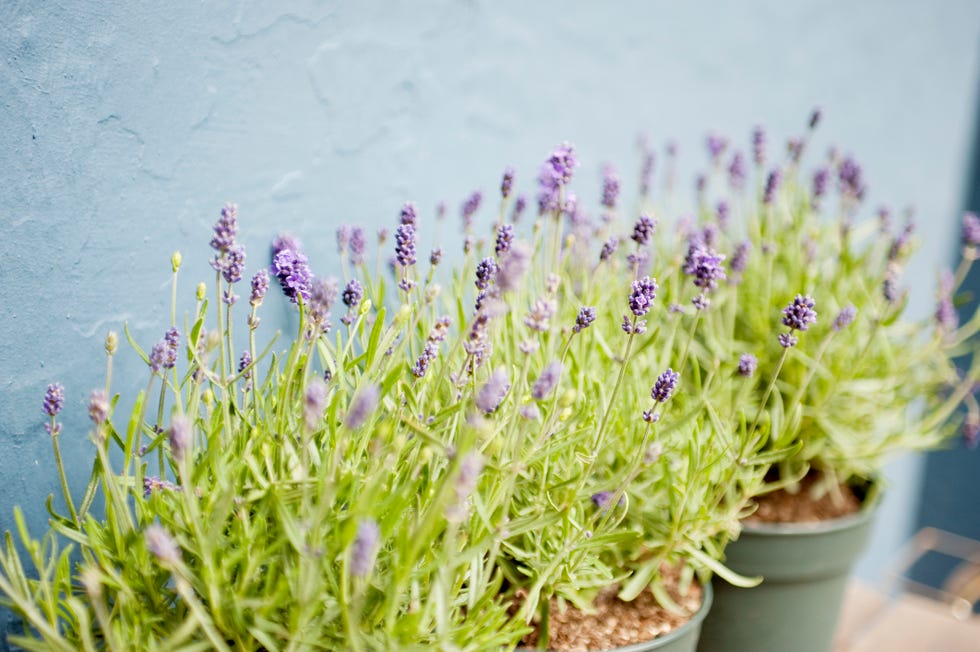
Johner Images//Getty Images
A good way of keeping pets out of your garden is to simply make the space unappealing to them.
Cats’ paws are sensitive, and there are certain terrains they don’t enjoy walking on, such as mulches, small pebbles and twigs, Gemma explains.
Scattering these materials throughout the garden might be an effective way to keep cats out. A word of caution: some bark chippings contain cocoa shells, which can be dangerous for pets if ingested.
Josh Wiesenfeld, Founder of Boxiecat, recommends the use of scent-based repellents. Adding citrus peels and coffee grounds to the soil near entry points to the garden not only give your plants extra nutrients but also puts cats off. Lavender and vinegar-soaked cloths also work wonders.
3. Plant densely to stop pets digging in borders
One solution might already be lurking in your garden. Certain plants can even help you protect your garden from neighbouring dogs and cats. Gemma’s tip: plant shrubs and bushes close together and use ground cover plants, which will make it difficult for cats and dogs to dig in and enter the garden.
4. Install fencing to keep cats and dogs out
Sometimes, the most obvious answer is the right one, so for those who find themselves frequently haunted by particularly pesky pets, a fence might be a suitable solution. Gemma says: “High, close-boarded fences next to the hedges in the garden make it difficult for cats to enter your garden.”
Of course, the same goes for dogs.
5. Talk to your neighbours about their pets
And lastly, remember that communication can go a long way. If you find yourself frustrated with strange pets wandering onto your lawn, try and talk to their owners.
“When it comes to handling the issue of other pets getting into your garden, good neighbourly communication with the homeowner is key. Use open-ended dialogue without angrily approaching them, and focus on discussing what can be done,” says Eunice Arauz, owner of Pets Avenue.
Gardening must-haves Filberts of Dorset Gardeners Hand Salve
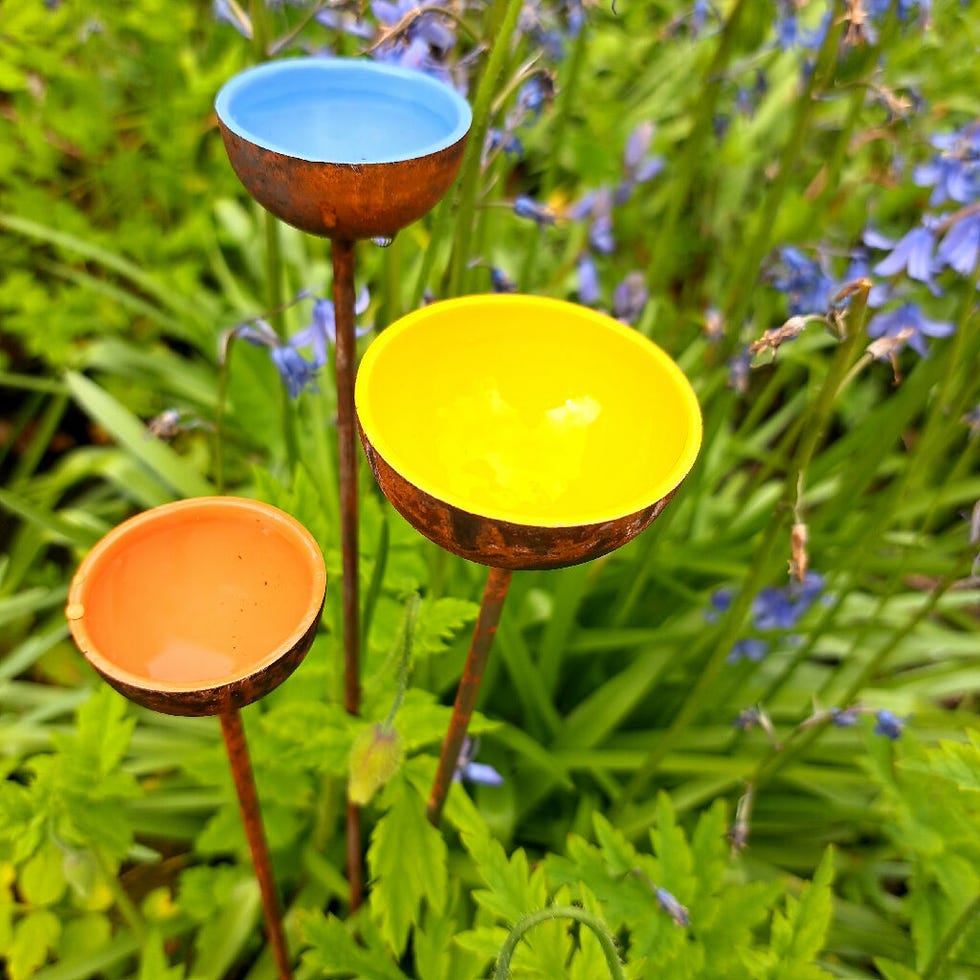 Haywards Garden Bee and Butterfly Water Stations, Garden Décor, set of three colourful bee water cups .
Now 17% Off
 Home Sussex Handmade Peg Apron
 Painted Garden Label/Marker
 The Fae Potter Wild Bird Feeder ceramic hanging
 WhinnyPoo WhinnyPoo Box of 3 Plant Feed
Wanda Sachs is the Daily Writer for House Beautiful and Country Living, exploring the latest in interior design, home trends, property news, wellbeing and sustainable living. With a keen eye for style and a passion for storytelling, she previously served as an Associate Editor at The Berliner in Berlin, where she launched and led the magazine’s monthly style vertical, covering emerging fashion trends. Wanda holds a combined BA in English and German from Goethe University Frankfurt.
Comments are closed.