
 Courtesy Lester Wallace
False Indigo
Amorpha fruticosa, Zones 4 to 9
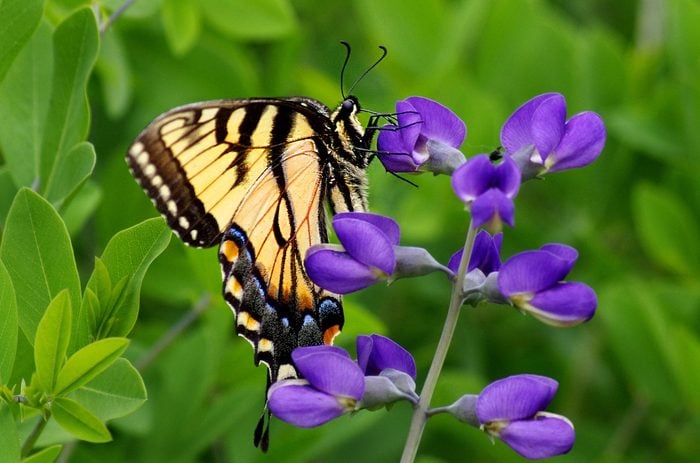
Striking deep purple flower spikes and dense branches makes false indigo a head-turner, for humans and pollinators alike. “This resilient and beautiful native shrub checks every box,” says Mary. “Its dramatic blooms add unique visual interest in late spring and early summer, its airy foliage and unique growth habit lend a soft, natural look to the landscape and it provides shelter and nesting habitat for birds and small wildlife.” Plant in full sun to part shade.
Why we love it: It grows between 6 feet and 15 feet tall and is ideal for windbreaks, privacy and erosion control. It’s also also hardy and tolerant of poor soils.
 www.provenwinners.com ‘Ginger Wine’ ninebark
Ninebark
Physocarpus opulifolius, Zones 2 to 8
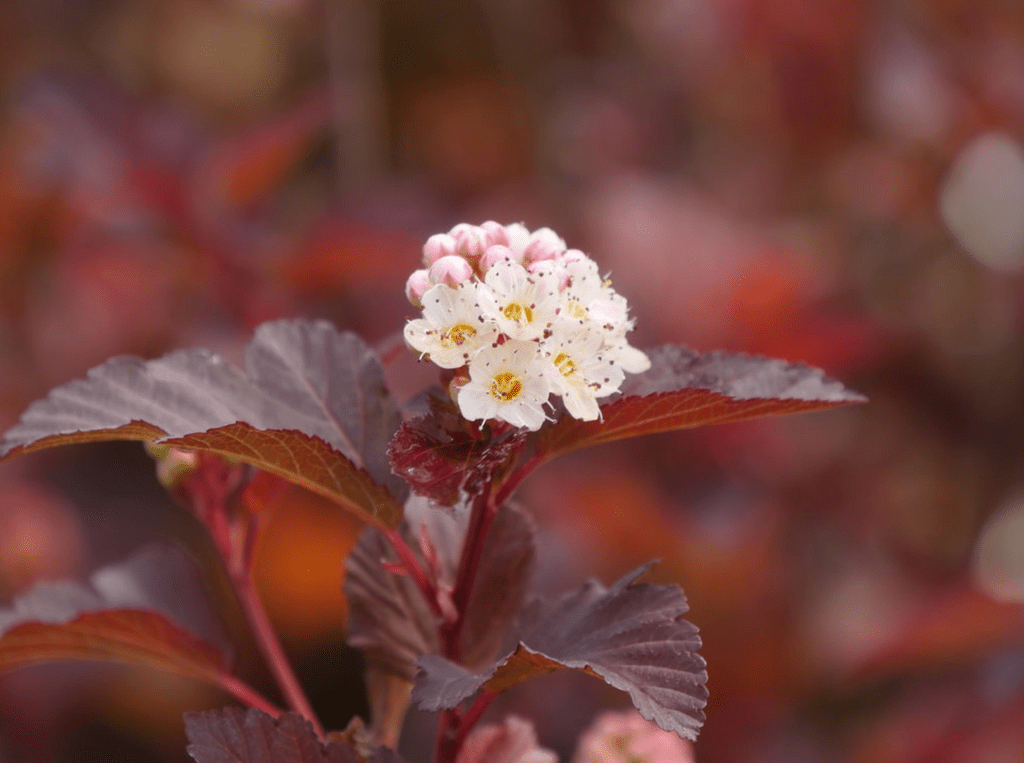
Another native shrub, ninebark adds late-spring flair with delicate clusters of white to pinkish flowers, foliage that shifts color by season and textured, peeling bark that adds winter interest. “Ninebark is a reliable, all-season shrub that brings both beauty and biodiversity to the landscape,” says Mary. Plant in full sun to part shade.
Why we love it: This adaptable shrub has a naturally arching growth habit and matures at 5 to 9 feet tall by 4 to 6 feet wide, thriving in a range of soil types.
 Courtesy Sujata Roy
American Beautyberry
Calliocarpa americana, Zones 6 to 10
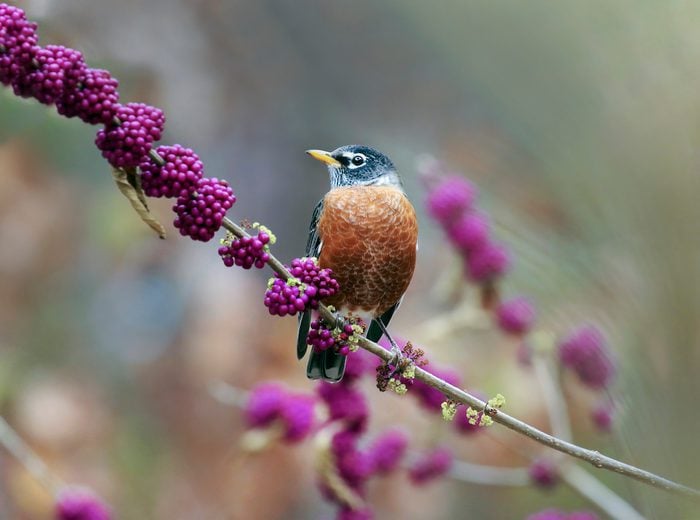
With stunning fall foliage, American beautyberry is a great choice for a border or wildlife garden. “This shrub is so unique with its showy clusters of bright purple berries,” says Mary. “It effortlessly adds beauty and structure to shady spaces, while providing food and habitat for birds, pollinators and other wildlife.” It matures to 3 to 8 feet wide and 3 to 6 feet tall.
Why we love it: American beautyberry is native to the central and southeastern part of the country and adaptable to full sun or part shade. Plus, it can handle a range of soils and moisture levels.
 Geoff Bryant/Monrovia
Glossy Abelia
Abelia x grandiflora, Zones 6 to 9
A hybrid in the honeysuckle family, glossy abelia’s long-lasting masses of delicate white or pink flowers deliver both curb and pollinator appeal. “Abelia is known as a plant-it-and-forget-it shrub that delivers a ton of value, with months of bloom, a soft, flowing shape and reliability in heat and humidity,” says Jim Putnam of Southern Living Plant Collection. Abelia thrives in full sun to part shade and adapts to a variety of well-draining soils. It grows 3 to 8 feet tall and wide, depending on the cultivar.
Why we love it: Varieties like Suntastic ‘Radiance’ take the visual interest a step further, with crimson stems and variegated foliage that ages to silvery green and cream.
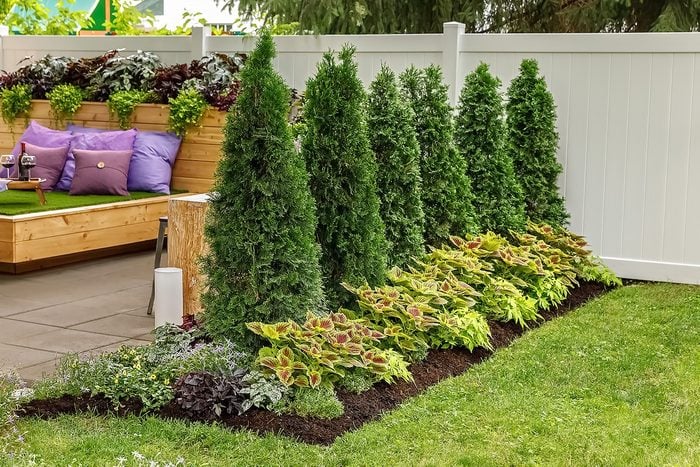 www.provenwinners.com ‘North Pole’ arborvitae
Arborvitae
Thuja spp., Zones 3 to 8
Evergreens deliver an easy curb appeal boost, providing structure, color and seasonal interest, even during the coldest months — and arborvitae is especially dependable and easy to grow. “There are so many sizes and forms now that it can be used in any space,” says Jim. “It also provides valuable year-round cover and nesting habitat for birds, offering protection from predators and harsh weather, especially in urban areas.” Arborvitae does best in full sun and well-draining soil.
Why we love it: Sizes vary from dwarf forms that peak out at 3 to 4 feet, to screening varieties that reach 20 feet. For a tidy, sphere-like shape, try Pancake arborvitae.
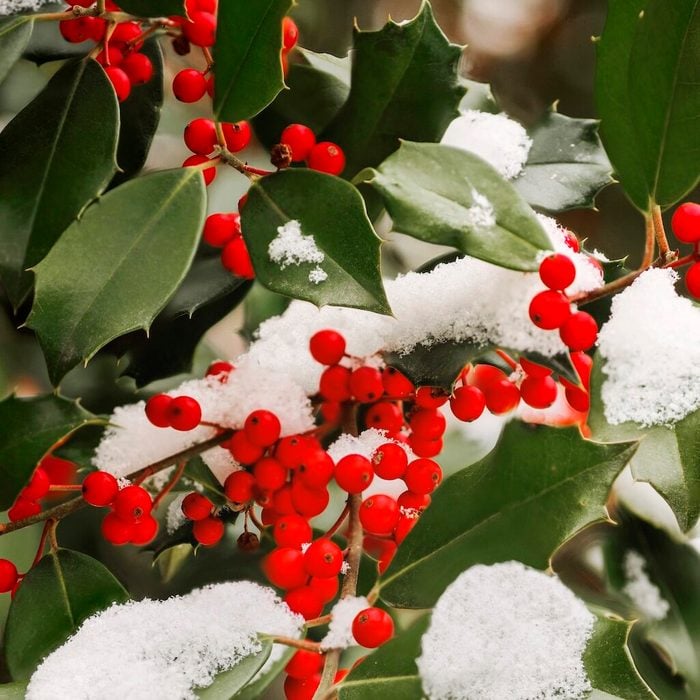 damann/Shutterstock American holly, Ilex opaca
Holly
Ilex spp., Zones 5 to 9
Versatile, compact and low-maintenance, this evergreen shrub brightens up the winter landscape while also providing habitat and berries for birds. Plant in full sun to part shade in well-draining soil. Varieties range from 3 to 15 feet tall.
Why we love it: “Holly is one of those shrubs that just works almost anywhere to add structure, year-round color and a clean look, whether as a hedge or a foundation plant,” says Jim. For a short plant with golden variegated foliage, try ‘Touch of Gold’ holly.
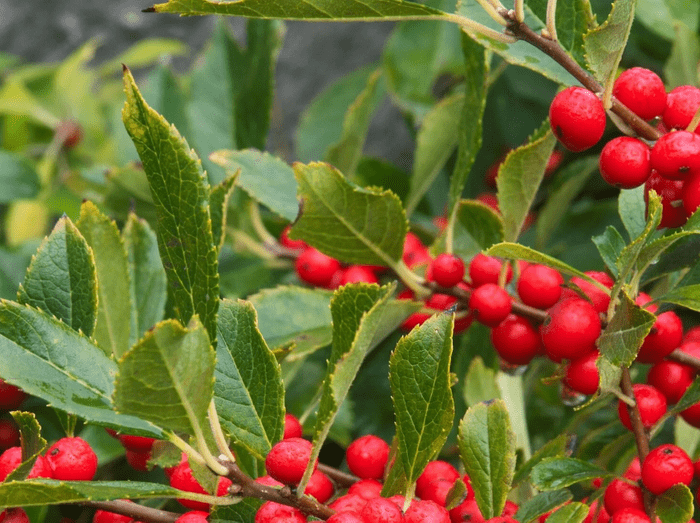 Doreen Wynja/Monrovia
Red Sprite Common Winterberry
Ilex verticillata, Zones 4 to 8
Red Sprite works well as a natural hedge or shrub boarder, where its profusion of bright-red berries adds bold curb appeal. “This compact variety with its large berries is a showstopper in winter, adding a lot of visual appeal in the dreariest part of the year,” says Sharon Yiesla of The Morton Arboretum. Red Sprite is a female cultivar, so for it to produce berries, it needs to be planted along with a male cultivar, such as Jim Dandy. Plant in well-draining soil and full sun to part shade.
Why we love it: Common winterberry is native to much of the eastern U.S. More than 20 species of birds feed on its berries.
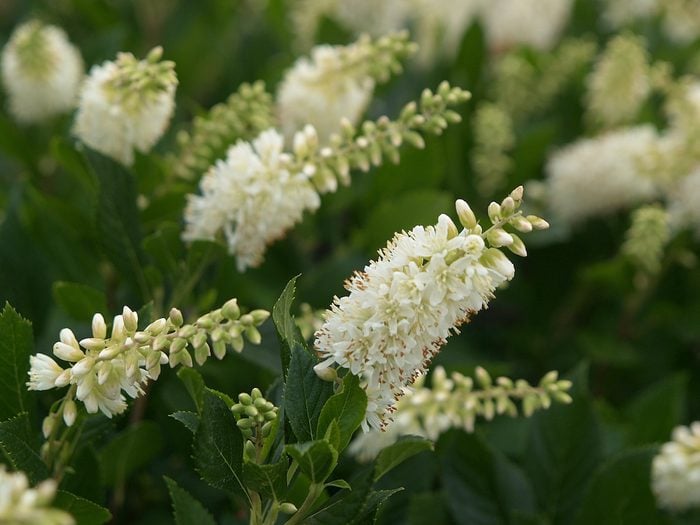 www.provenwinners.com
Summersweet
Clethra alnifolia, Zones 4 to 9
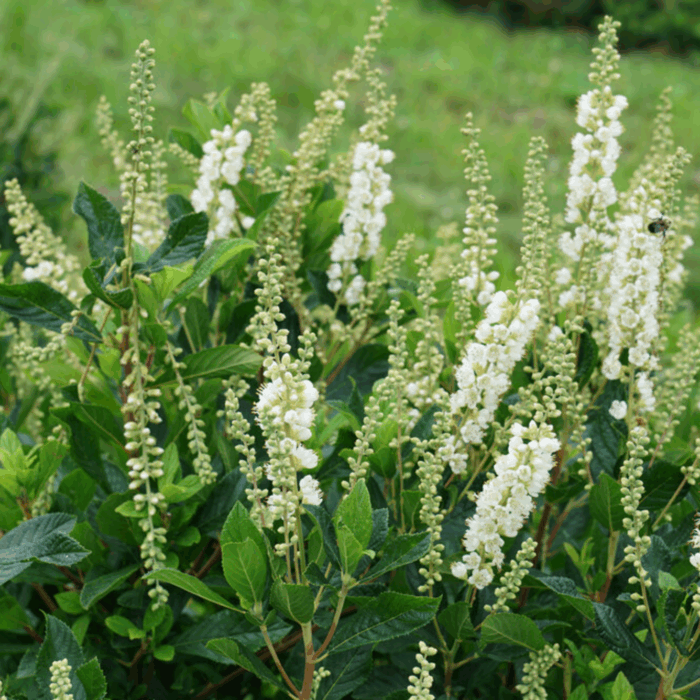
Add liveliness to your yard with summersweet’s lustrous green leaves and fragrant blooms. “Its showy spikes of tiny, white flowers and good fall color give this shrub definite curb appeal,” says Sharon. “Plus songbirds, including goldfinches, are attracted to the seed capsules.” Clethra is native to many eastern and southern coastal states, where it grows 3 to 8 feet high. Plant in part shade to full sun and moist to wet soils.
Why we love it: Summersweet is also a nectar source for butterflies and hummingbirds.
 Daniela Baumann/Getty Images
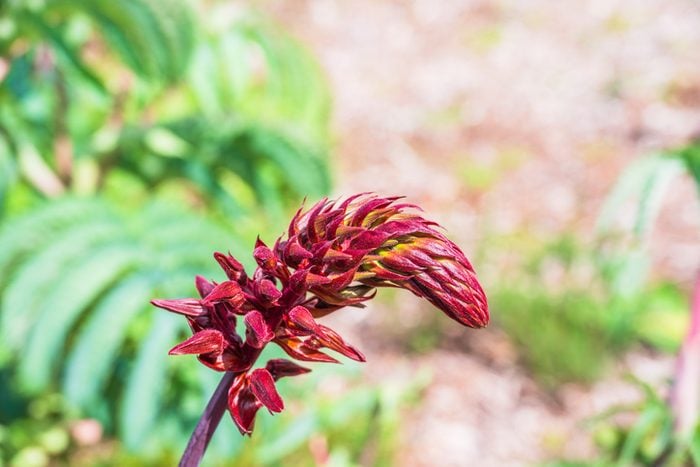
Honeybush
Melianthus major, Zones 7 to 11
A bold evergreen with showy, serrated leaves, this South African native adds instant intrigue to the landscape. “It’s dramatic, tropical-looking, soft blue-green foliage actually smells like peanut butter when touched,” says Chuck Pavlich of Terra Nova Nurseries. In late summer, it also produces tall, brick-red spikes of bottle brush flowers, which make excellent pollinator attractors. It can grow 6 to 10 feet high and 8 to 10 feet wide. Plant in full sun, in well-draining, organic-rich soil.
Why we love it: In colder areas it can be used as a seasonal ornamental, or planted in a container and taken inside for the winter.
 Courtesy Leslie Scopes Anderson
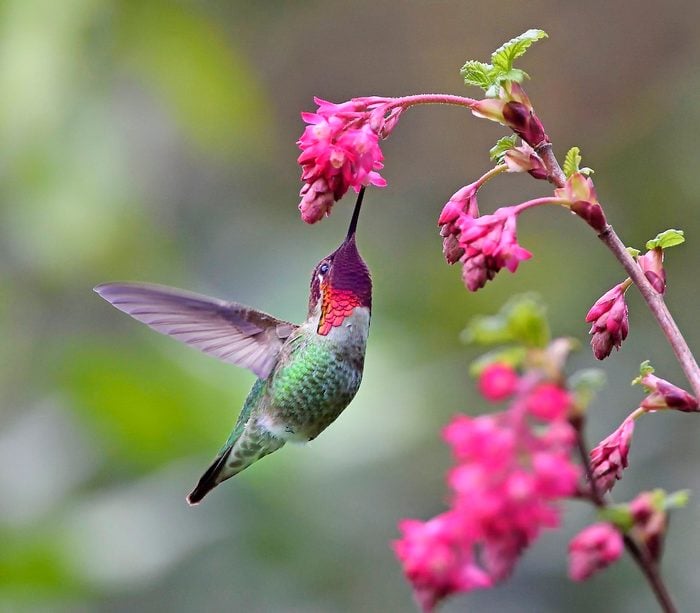
Red Flowering Currant
Ribes sanguineum, Zones 4 to 9
This medium-sized shrub is known for its fast-growth, easy care and multi-season interest. “Expect a spectacular floral display in the early spring, with white, pink or fuchsia-like flowers hanging in racemes,” says Chuck. “It’s also an excellent pollinator attractor, and its fruit entices large and small mammals and birds.” Red flowering currant is native to the West Coast, from Alaska to California, and grows 6 to 8 feet high and 6 to 10 feet wide.
Why we love it: Because of its ability to tolerate part shade, it’s a great choice for planting under trees in well-draining acidic and rocky soil.
About the Experts
Comments are closed.