
Gardeners may be relieved to hear that there will be fewer gardening chores in May, as they are being asked to put away their mowers to help their local communities.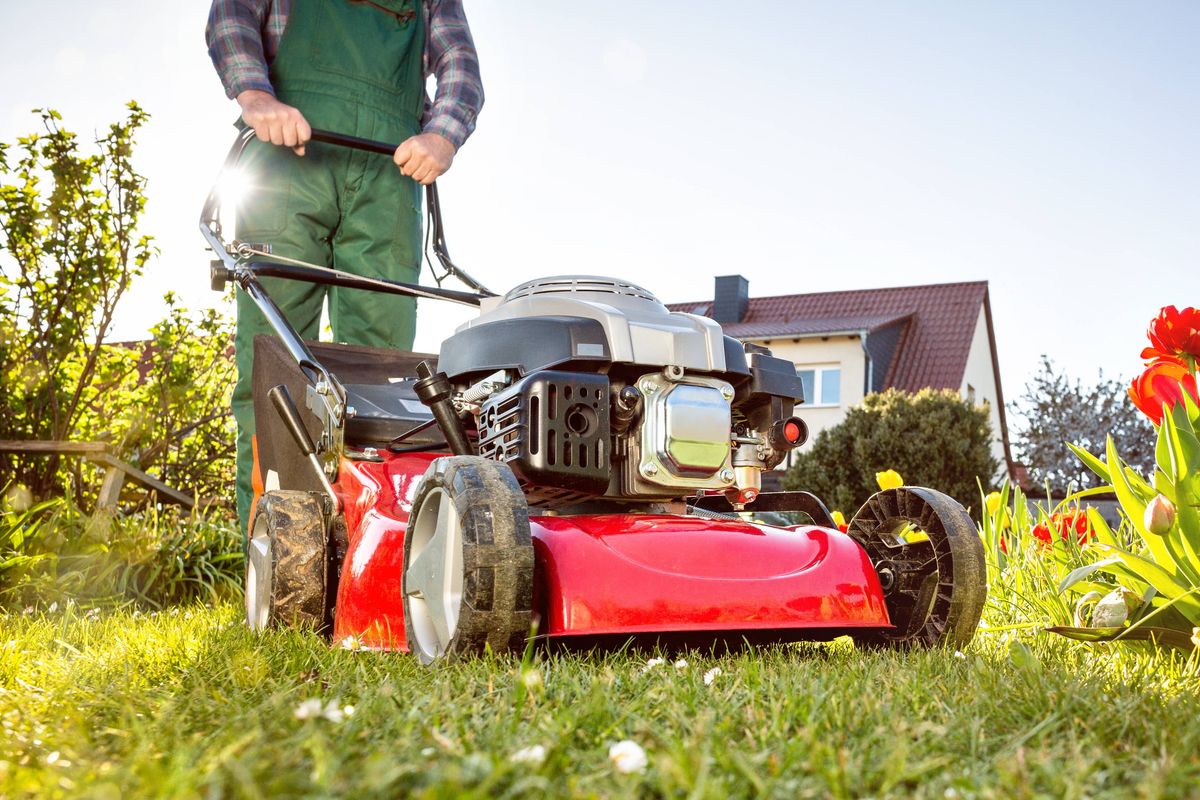
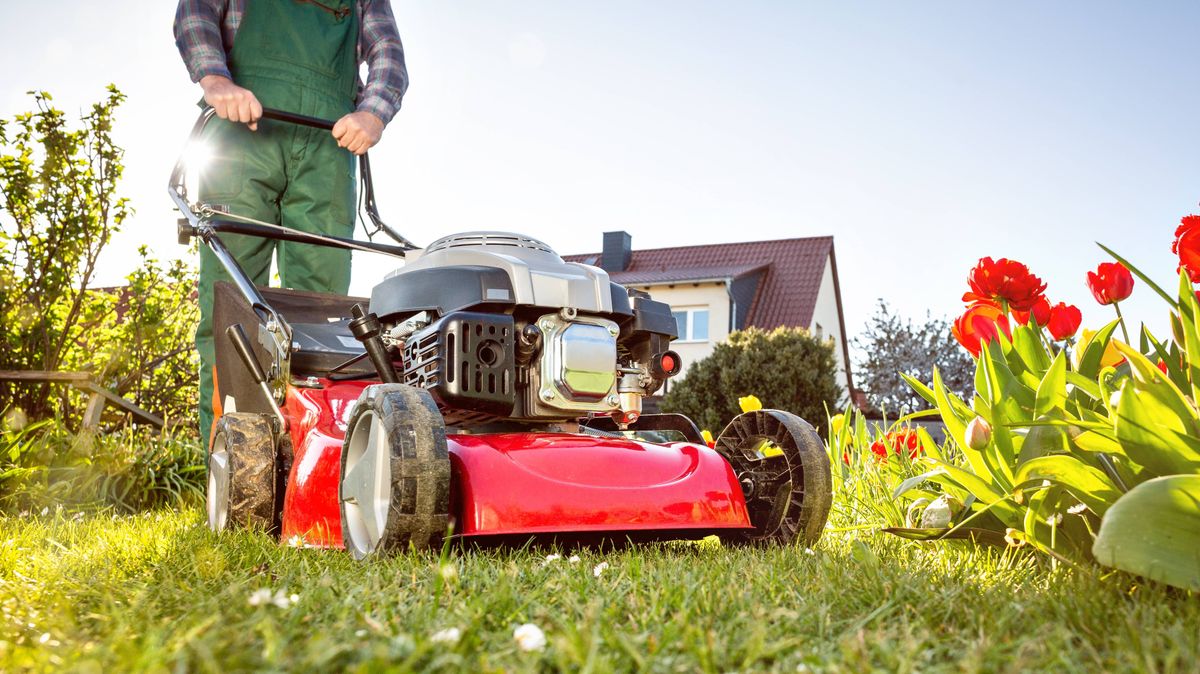
Gardeners should consider putting their mower away this weekend as it can help lawns grow greener and thicker grass(Image: photoschmidt via Getty Images)
Spring can prove a hectic period for gardeners, with many dedicating their spare time to weeding and tackling various tasks to get their outdoor spaces looking pristine as quickly as possible. Now, however, gardeners are being urged to put their lawnmowers away this weekend and avoid cutting the grass for a full month to help wildflowers flourish throughout the UK.
No Mow May is a gardening initiative encouraging British gardeners to let their grass grow as long as possible, giving local pollinators such as bees and butterflies a better chance of survival. The campaign originated with Plantlife, a UK conservation charity, which has emphasised that lawns play a vital role for wildlife during this period, and mowing them destroys a critical food source for these creatures.
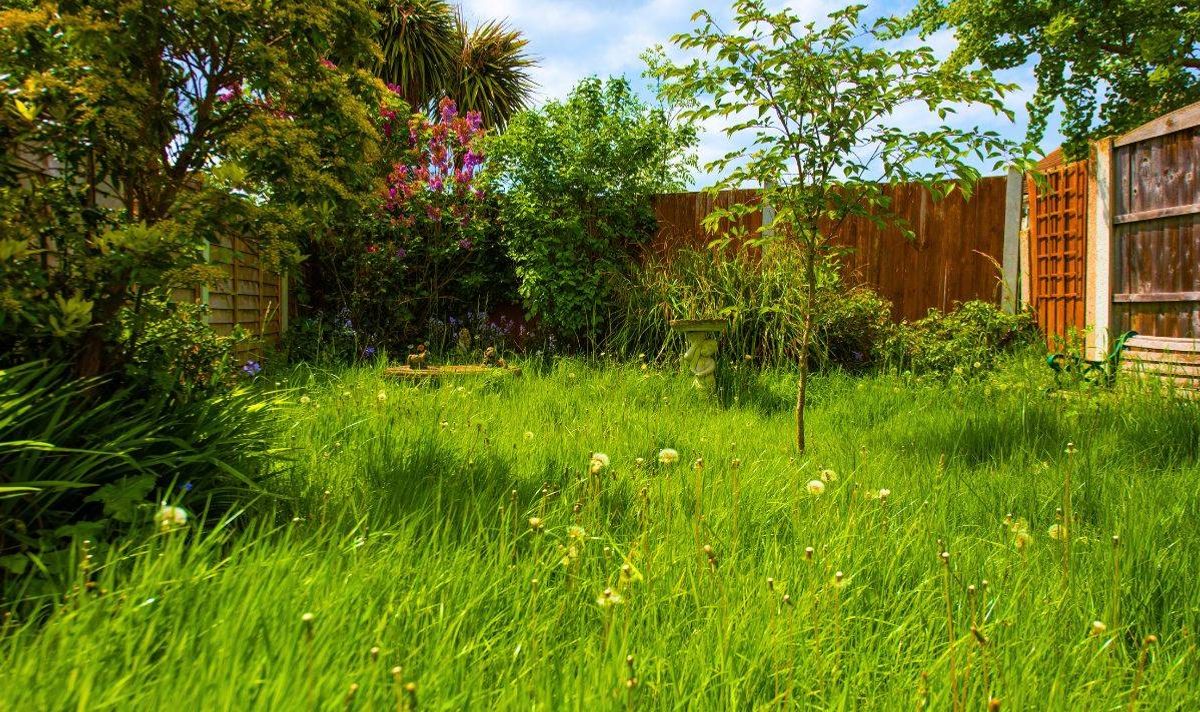
Gardeners are being asked to stop mowing throughout the whole of May(Image: Getty)
They said: “From May onwards, simply stop mowing your lawn (or even just a small part of it) and do more by doing less. No lawn is too small! Even the tiniest wild patch can provide vital food needed by bees and butterflies and give wildlife the best start to summer.”
Why does No Mow May benefit wildlife?
Spring marks the season when gardens burst back into life, but it frequently means that wildlife emerging after winter lacks dependable food sources.
With relatively few flowers in bloom at this stage, insects struggle to find sufficient pollen to feed on, which has a significant knock-on effect for birds beginning to nest. May represents a critical period, as excessive losses among pollinating insects directly impact plant growth and animal births in spring, creating long-term environmental consequences.
When lawns are left to grow naturally, however, wildflowers such as daisies, clovers and buttercups begin to flourish, offering vital nectar sources for butterflies and bees.
While maintaining a neat garden remains important to many, simply allowing a small section of your lawn to grow wild can significantly boost insect populations and benefit local wildlife.
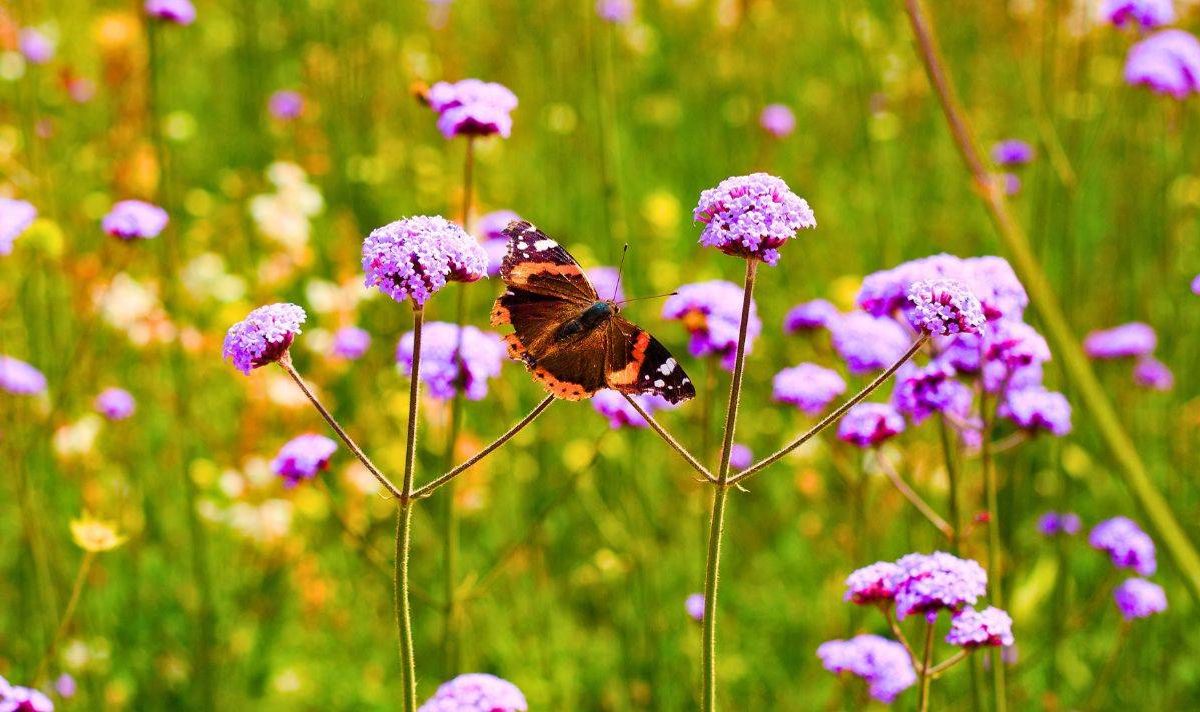
Letting wildflowers grow on a lawn can greatly help out butterflies and bees(Image: Getty)
Why skipping the mower in May benefits your garden
Spring lawns are typically recovering from winter damage, and excessive mowing during this period can place considerable strain on the grass, hindering proper growth.
Frequent cutting in spring forces grass to develop only shallow root systems, leaving it vulnerable when summer temperatures rise and making water retention difficult.
Consequently, the lawn requires more frequent watering, creating additional maintenance demands and increasing the risk of parched, dried-out patches.
To prevent unsightly yellow grass appearing, avoiding the mower throughout May allows your lawn to establish a more extensive root network, ensuring better hydration during warmer weather.
Longer grass also penetrates deeper into the soil, accessing greater nutrient supplies, which strengthens the lawn overall and produces a healthier, more vibrant green appearance over time.
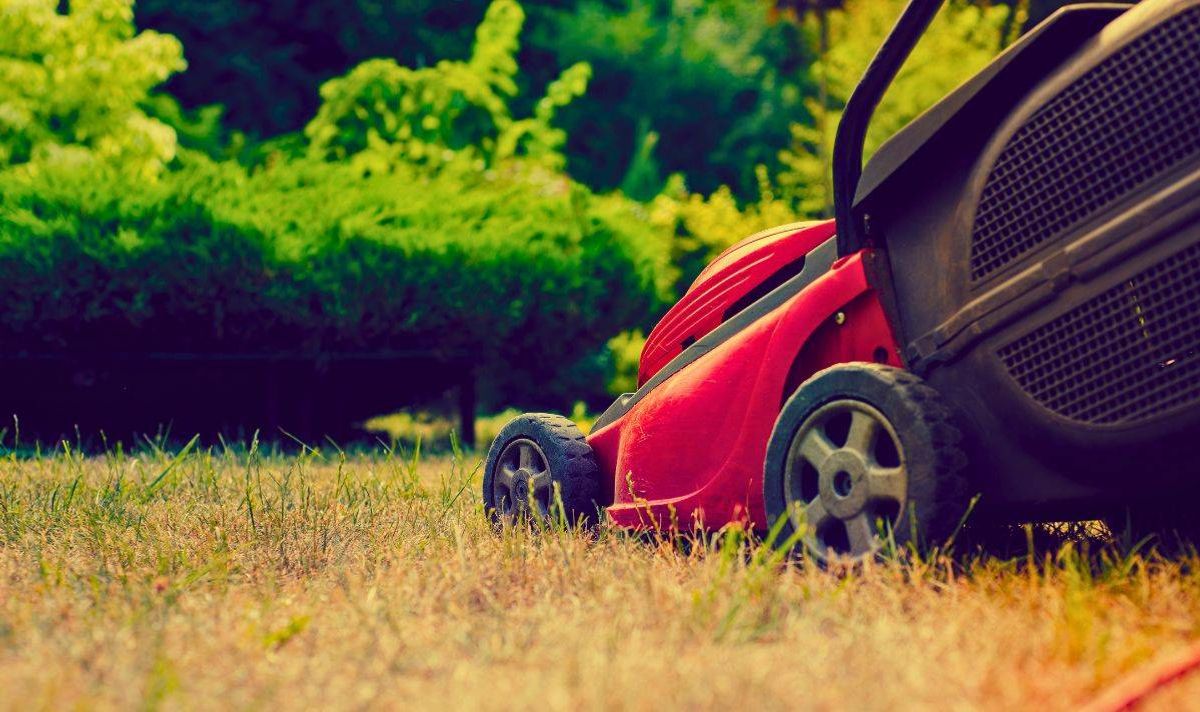
Lawns can become dried out and brittle if you mow them too much in spring(Image: Getty)
Steps gardeners can take
What makes No Mow May so brilliant is that it’s one of the most powerful ways to support nature right from your own doorstep.
The task is remarkably straightforward – simply stop cutting all or part of your lawn throughout the entire month of May to allow wildflowers to flourish.
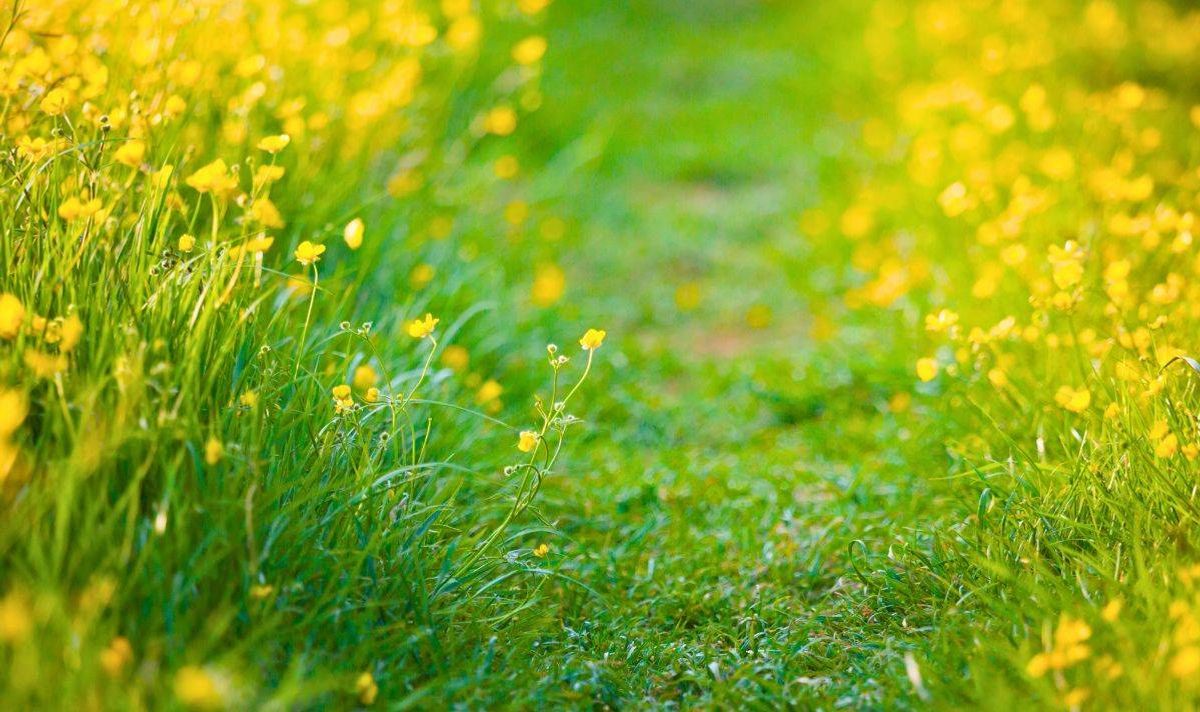
You just have to stop mowing all or part of your lawn in May(Image: Getty)
During this period, try to steer clear of weedkillers or fertilisers in your garden as well, since these products can be harmful to insects and birds.
If the thought of a completely untidy garden doesn’t appeal, then think about mowing just the pathways or lawn borders as a middle ground to maintain a tidy appearance while still supporting wildlife.
Many gardeners take pleasure in posting pictures of their longer grass and wildflower areas, demonstrating how even modest adjustments can benefit the surrounding ecosystem.
Comments are closed.