

Weeds can reportedly give your carefully-cultivated plants a boost and offer welcome relief for your wallet, and you don’t even have to leave your garden to reap the rewards
Garden weeds reportedly have a surprising, cost-effective benefit
(Image: Getty Images/fStop)
A gardener has advised people not to throw away their weeds as they have a surprising, cost-effective benefit. As one of the most hated gardening jobs, it’s easy to assume that the only benefits of weeding are to help out your cultivated plants and keep your outdoor spaces looking neat and tidy.
But it turns out weeds have a lesser-known benefit — one that could give your plants a boost and offer some welcome relief for your wallet, too. Better still, you don’t even need to leave your garden to make the most of it.
Richard, the host of Sheffield Made Gardens and Sheffield Made Plants on YouTube, has shared a method for making a homemade fertiliser “better” and cheaper than branded varieties.
Richard said: “On top of that, in the garden, it’s often better to use something organic rather than relying on synthetic fertilisers wherever you can. But what if I told you that you can make bucket loads of plant food for free?”

Richard said the vital nutrients in fertilisers are “already” in your garden
(Image: Getty Images)
“You don’t even need to leave your garden. Well, I’m going to show you how you can make a homemade garden fertiliser that costs nothing. It’s incredibly easy to make and one that your plants are going to love.”
Richard explained that the vital nutrients found in fertilisers are “already” in your garden. Indeed, you’re most likely spending a significant amount of time disposing of them.
He continued: “I’m talking about weeds, of course. Weeds are absolutely packed with nutrients, popping up in every nook and cranny of the garden. The trick isn’t getting rid of them. It’s getting those nutrients back out and putting them to work.”
1. Gather your weeds
Some of the nutrients weeds extract from the soil include nitrogen, phosphorus, and potassium, among others. Weeds store the nutrients in their leaf, stems and roots, and your plants will “love” them.
Instead of chucking away the weeds, Richard advises making “weed tea”, an easy-to-make liquid fertiliser that “costs next to nothing” and will offer a “boost” to your plants in the growing season.
He first advised foraging in your garden for weeds, selecting a variety (especially nutrient-rich comfrey if available). Ricard placed the weeds in a bucket, tearing them up loosely and filling it roughly two-thirds of the way.
Richard advised packing it in well and said the more weeds you use, the better.
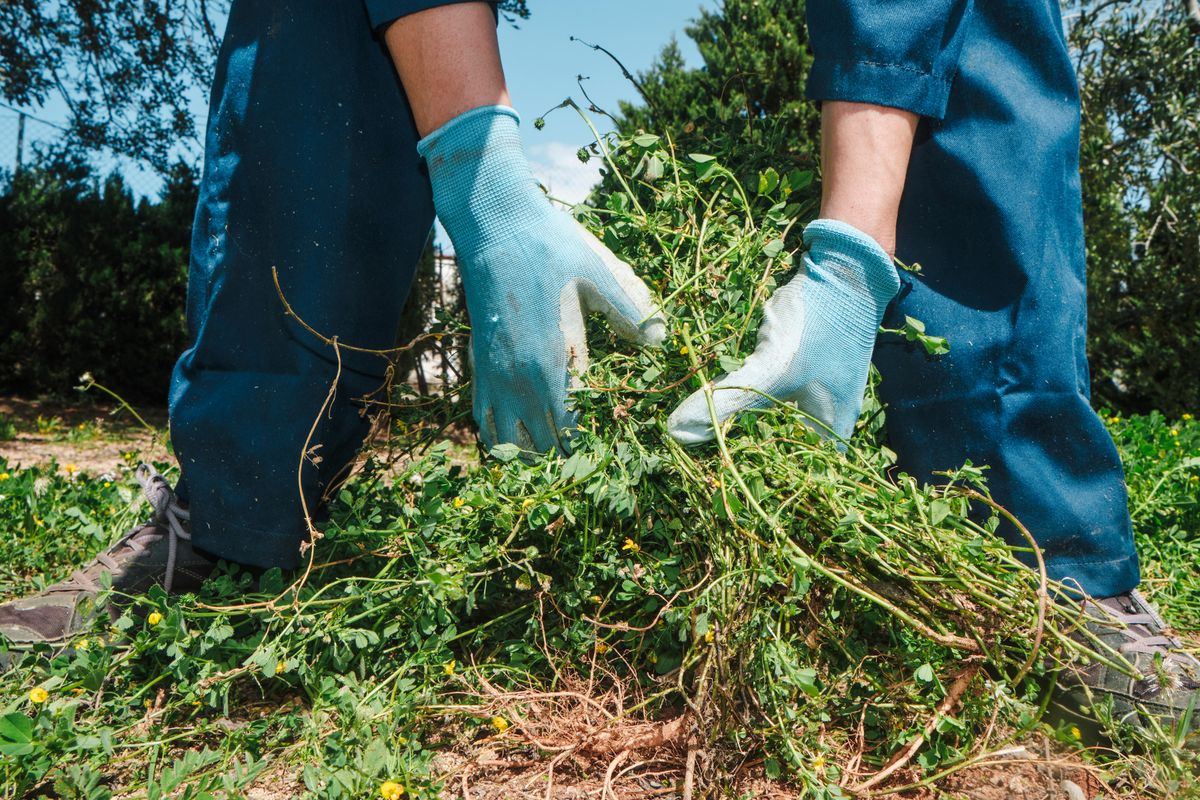
Richard advised making “weed tea”, an easy-to-make liquid fertiliser
(Image: Getty Images)
2. Add water
Richard noted that rainwater is best-suited for the job, but tap water will also work. Fill the bucket so the water covers the weeds and is almost to the top. Cover the bucket loosely (don’t seal it).
He explained that the fertiliser is created through fermentation. It will build up gas, which won’t be able to escape if the lid is on tightly.
3. Leave it in a shady area
Richard then advised us to place the bucket in a shady corner of the garden and allow it to brew for a couple of weeks. He said the weeds will decompose and the nutrients will “leech” into the water.
He also warned that it would “absolutely stink”, but that’s “exactly what you want”. Richard explained that he’d used plant pot saucers to weigh down the weeds to ensure they touched the water in a previous batch.
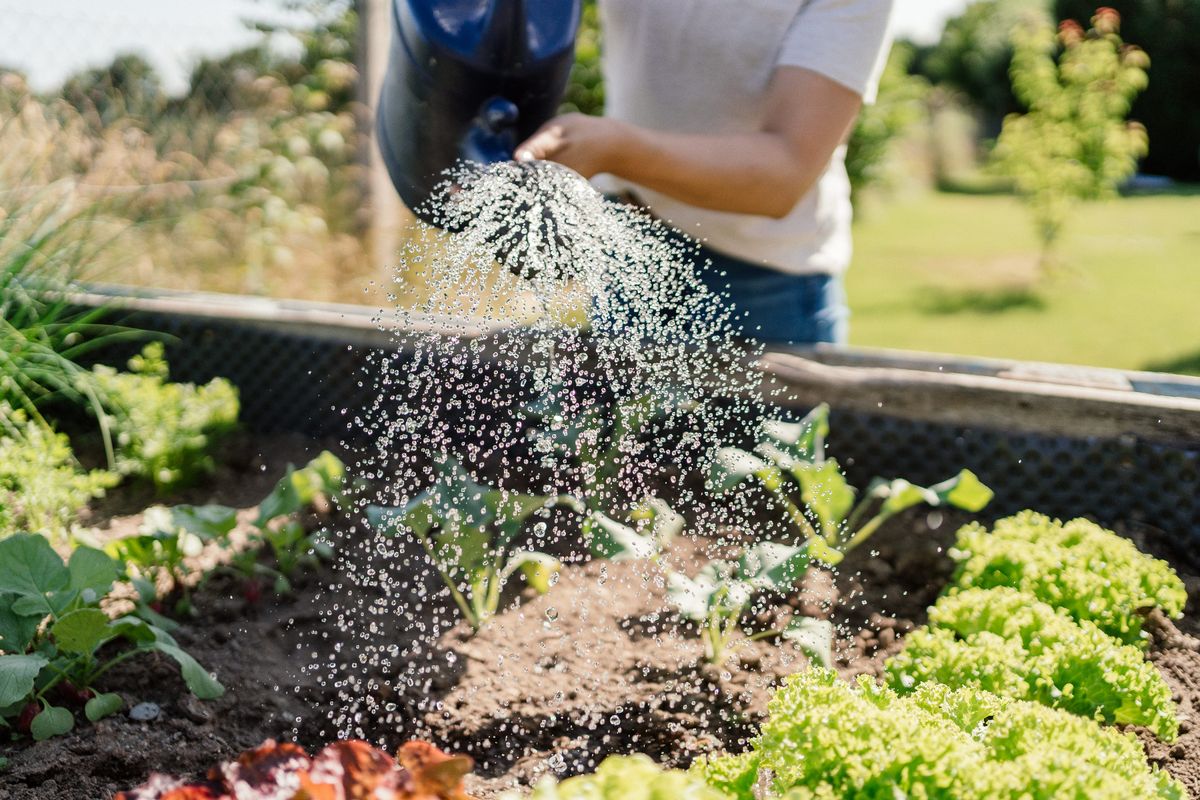
Richard said the mixture can be used “pretty much anywhere”
(Image: Getty Images)
4. Dilute
Richard said the fertiliser would be “potent” once it’s ready for use and advised diluting the mixture with water. He added roughly a measuring jug full of fertiliser to his watering can and then topped it up and mixed it.
Finally, Richard mentioned that the mixture can be used “pretty much anywhere” in your garden. He also noted that you can keep topping it up with water and weeds to “keep it going”.
Richard added that he typically uses it every two to four weeks during the growing season.
Comments are closed.