
 3 min read
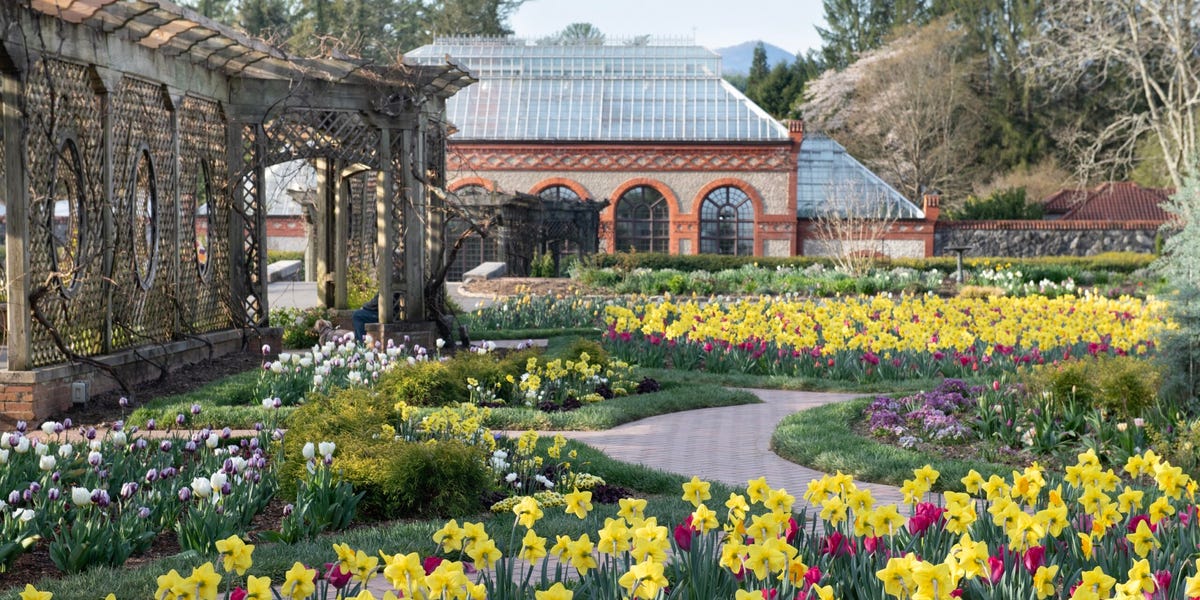
More than 100,000 bulbs bloom at Biltmore Estate each spring—but the breathtaking display is anything but an afterthought. “People think growing tulips is a ‘plant them and forget them’ situation,” says Bill Quade, the Biltmore Estate’s director of horticulture. “If you really want it done right, you have to plan for it and put in some effort.”
From timing to bulb selection, a few strategic choices can mean the difference between a fleeting bloom and a show-stopping display. Here’s how to grow tulips the right way, according to an expert.
Konstantin Trubavin//Getty Images
Start With Better Bulbs
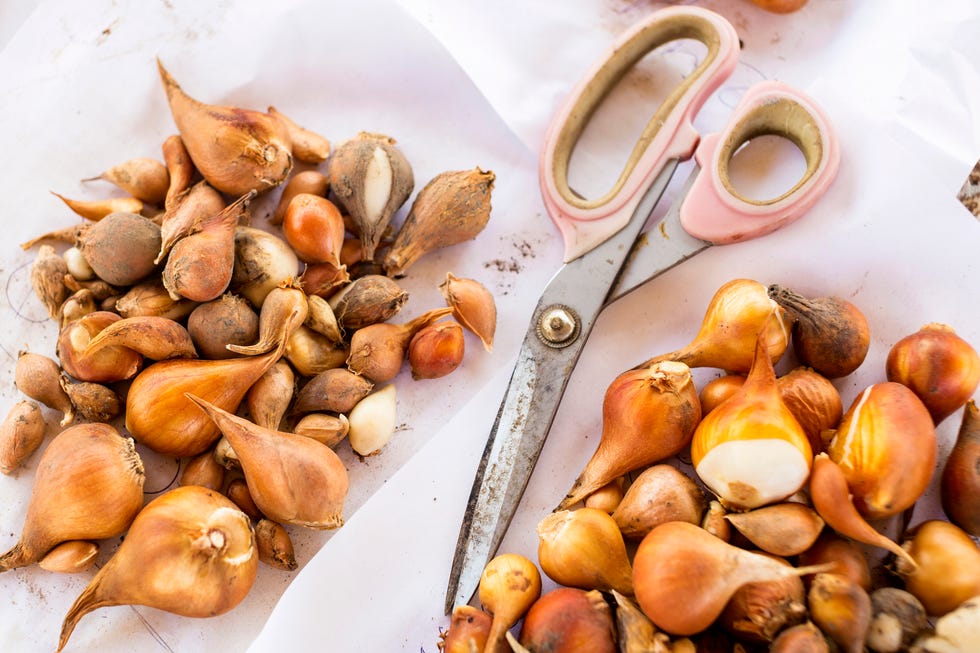
Not all tulip bulbs are created equal—and the difference shows come spring. “The size of the bulb is a big indicator,” Quade explains. “Generally, the larger the bulb, the healthier it is.” He also recommends checking for firmness and avoiding any signs of rot such as mushy texture, spots, discoloration, or a foul smell.
Quade also recommends buying your bulbs from a reputable supplier. This ensures bulbs have been properly stored and handled from harvest to planting. Poor storage—especially exposure to heat—can weaken bulbs before they ever reach your garden.
Get Your Soil Right
When it comes to planting tulips, proper drainage is everything. “Bulbs don’t like wet feet,” Quade says. “If they’re sitting in water, it can prevent them from growing at all.”
The ideal soil is a well-draining sandy loam. Heavy clay or low-lying areas that collect water can lead to poor blooms—or none at all. If your soil is dense, consider amending it with plenty of organic matter or planting your tulip bulbs in raised beds or pots.
AndreaObzerova//Getty Images
Plant Later Than You Think
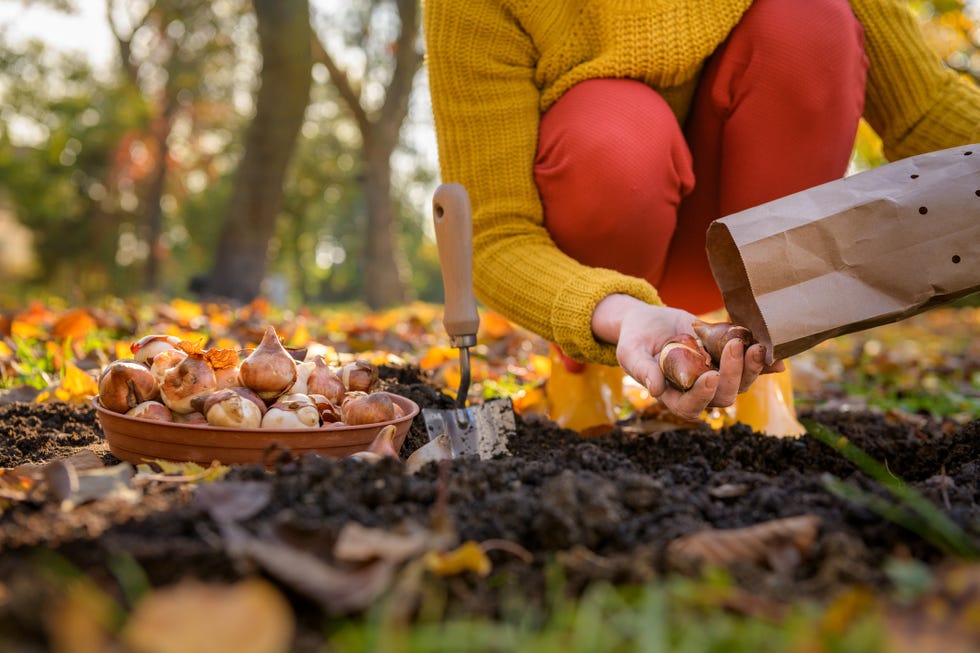
Timing is one of the most overlooked factors in tulip success. While bulbs hit store shelves in early fall, Quade advises patience: “Ideally, you don’t plant until the soil temperature drops to around 50 degrees.”
Plant too early, and bulbs may begin sprouting prematurely—only to have that early growth damaged by colder weather, draining their energy before spring. “Let Mother Nature set the schedule,” he says.
Extend Your Bloom Season by Layering
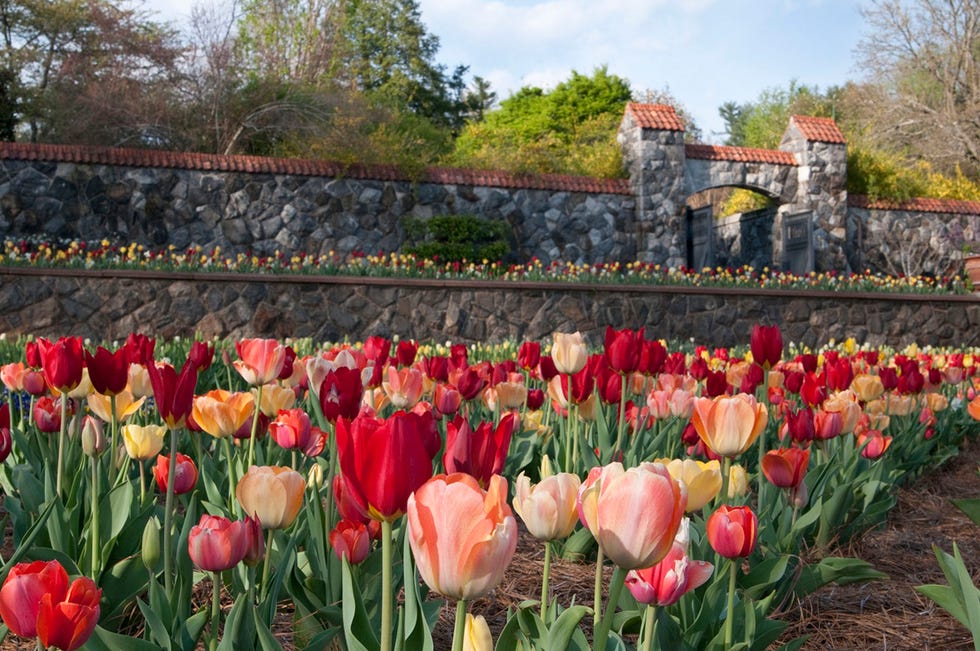
Tulips may be known for their short bloom time, but you can stretch the spring display significantly with strategic planting. At Biltmore, Quade and his team aim for a four-week bloom window by mixing early-, mid-, and late-season varieties together. “You can plant them in the same bed or even the same hole,” he says. “That way, you have continuous blooms over several weeks instead of everything flowering at once.”
Layering in other spring bloomers such as daffodils, hyacinths, and alliums not only extends bloom time but can also help deter animals like squirrels and voles, which are known to snack on tulip bulbs. Plus, they make a striking display when mixed together: “People forget that bulbs come in different heights,” Quade notes. “Mixing heights and colors makes the display much more impactful.”
Courtesy of Biltmore Estate
Create a Fuller Garden Display
One of Biltmore’s most effective planting techniques is surprisingly easy to replicate at home. Instead of spacing bulbs individually, Quade recommends digging a wider hole—about six to eight inches—and planting several bulbs together.
He says, “It creates a much more impactful display, and it’s easier than planting across an entire bed.”

Kate Lickert is the Social Media Editor at Veranda. She graduated from the University of Missouri with a degree in Journalism and has spent her career in the interior design industry, previously managing social media for Scout & Nimble and Bodine White.
In addition to her editorial role, Kate is a part-time yoga and Pilates instructor, balancing her creative work with a love of movement and wellness. Outside of work, she enjoys shopping, reading, and exploring the latest skincare trends. Follow her on Instagram @katelickert
Comments are closed.