

When May comes, garden growth really is everywhere all at once. As ever, I’m thinking about how to cope with it all realistically, so there’s a good deal of shifting jobs from the to-do list to the not-to-do list.
Around now, I contemplate how I’ll approach the grass this year. Meadows, clover lawns, wildflowers: if we stop trying to make all our grassed areas behave in the same way, the possibilities open right up.
One of the biggest time-savers in the garden is simply adjusting how, and how often, I mow. No Mow May isn’t really about not mowing at all; it’s more about variety. Short grass, mid-length grass and longer areas all support different wildlife, and together they create a richer, more resilient garden. That short-beaked blackbird? She’ll always appreciate a neatly mown patch where worms are easy to access.
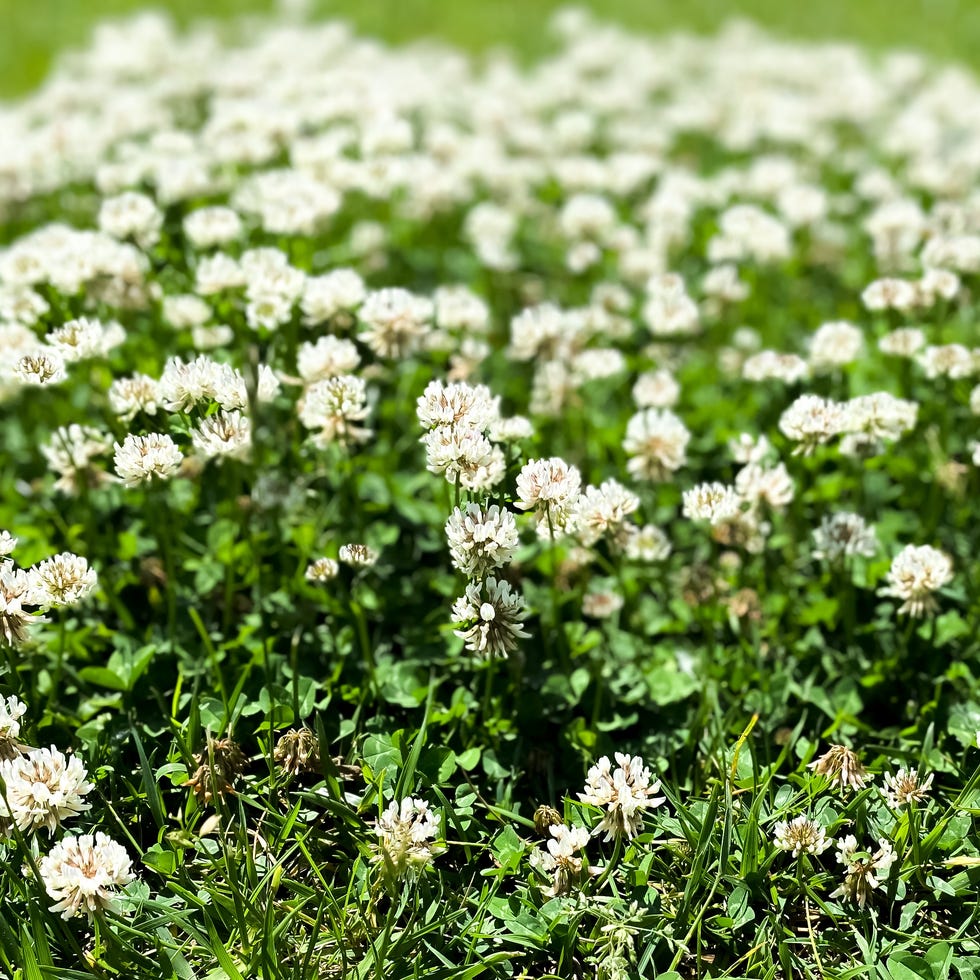

Catherine McQueen//Getty Images
That short-beaked blackbird? She’ll always appreciate a neatly mown patch where worms are easy to access
I sometimes worry that No Mow May has become a little too literal. Leaving grass long for just one month can be disruptive if wildlife has moved in and then suddenly loses its habitat or food source.
What works better is a patchwork approach: some areas left at full length for as long as possible, some kept mid-height and others cut regularly.
Short grass cut every four to six weeks allows daisies and clover to flower freely. Mid-length “meadow” areas cut just a few times a year support taller plants. And leaving strips unmown altogether, especially near hedges and fences, will create shelter and vital corridors for wildlife. We might still need the lawn for sitting, playing and for dogs to run around on, so I mow about a third, leave another third long and keep the rest somewhere in between.
Another thing I’ve learned not to fuss too much over is tulips. I deadhead those in the borders that have been coming back each year so that the energy goes into the bulb.
I’ve learned not to fuss too much over tulips
The ones grown in pots then go into a raised bed for cutting and if they return next year, great; if not, they’ll be composted. A good organic liquid feed now and that’s the job done.
Finally, watering or, rather, not watering. I’m a brutal parent to plants. They get a good soaking when first planted and then some attention for their first few weeks, but after that, I expect them to fend for themselves. Tough love builds deeper roots and far more resilient plants.
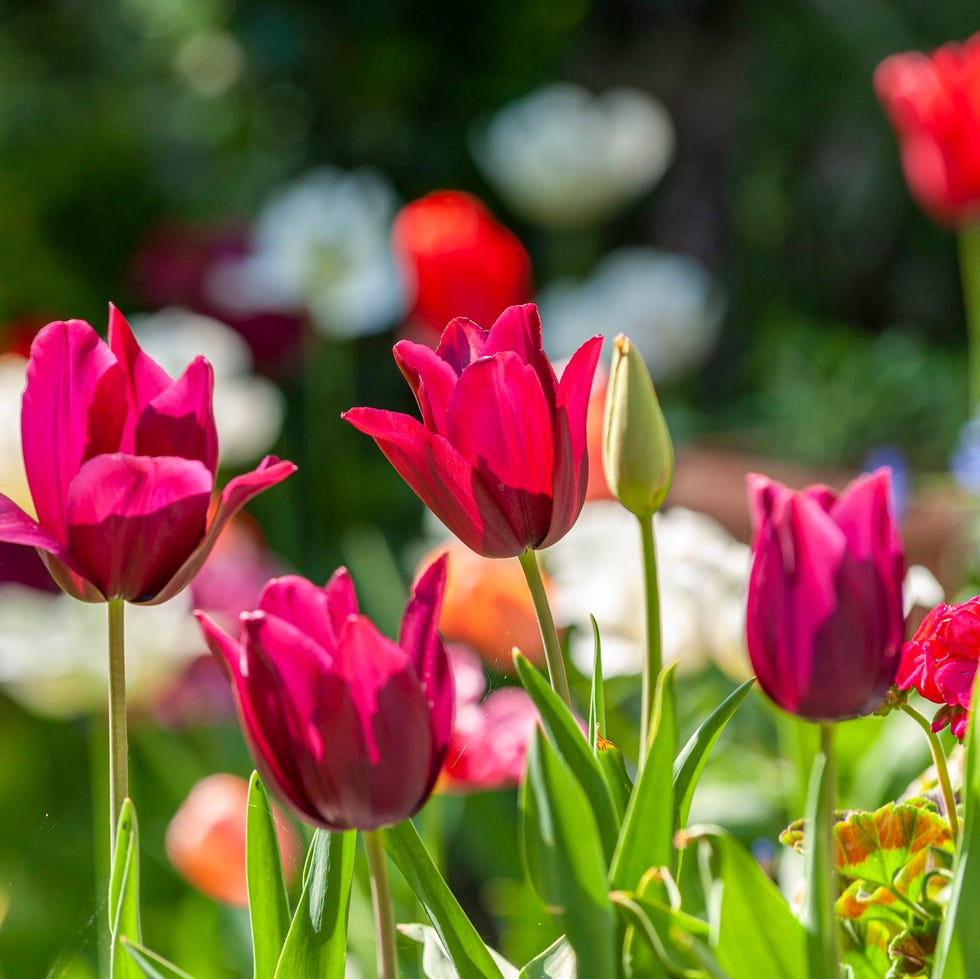
© Ian Laker Photography//Getty Images
Pots are the exception. Containers rely entirely on us, so I prefer drought-tolerant perennials and sub-shrubs over thirsty annuals. One favourite is Erigeron karvinskianus, which works beautifully alone or spilling over the edges of a pot.
Simple plantings, fewer interventions and knowing when a to-do can become a not-to-do—that’s what May in the garden is for me.
Gardening must-haves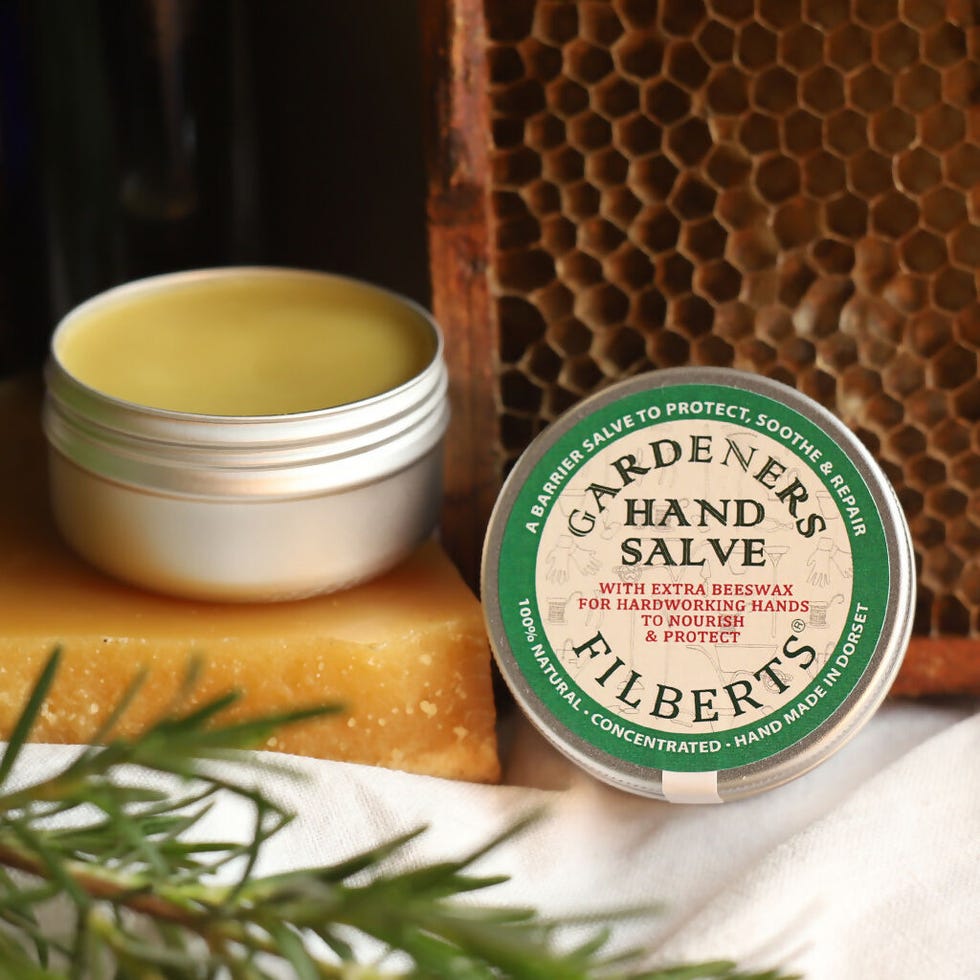 Filberts of Dorset Gardeners Hand Salve
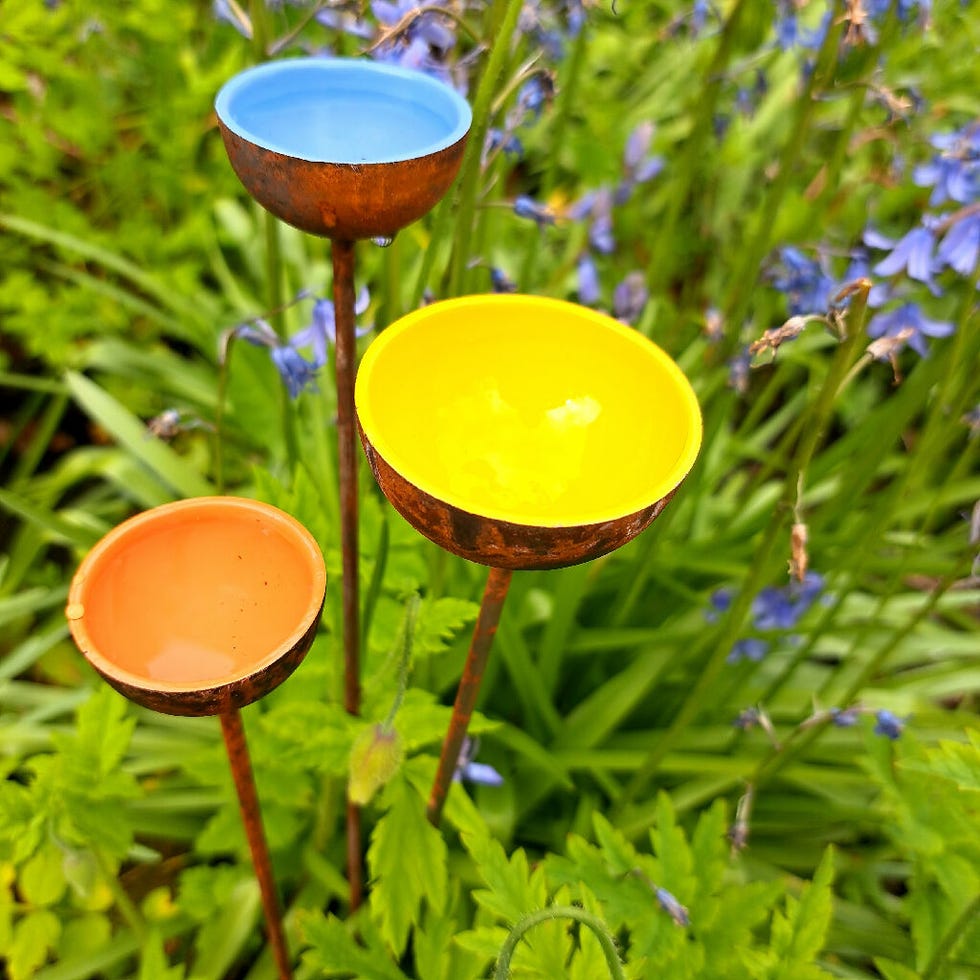 Haywards Garden Bee and Butterfly Water Stations, Garden Décor, set of three colourful bee water cups .
Now 17% Off
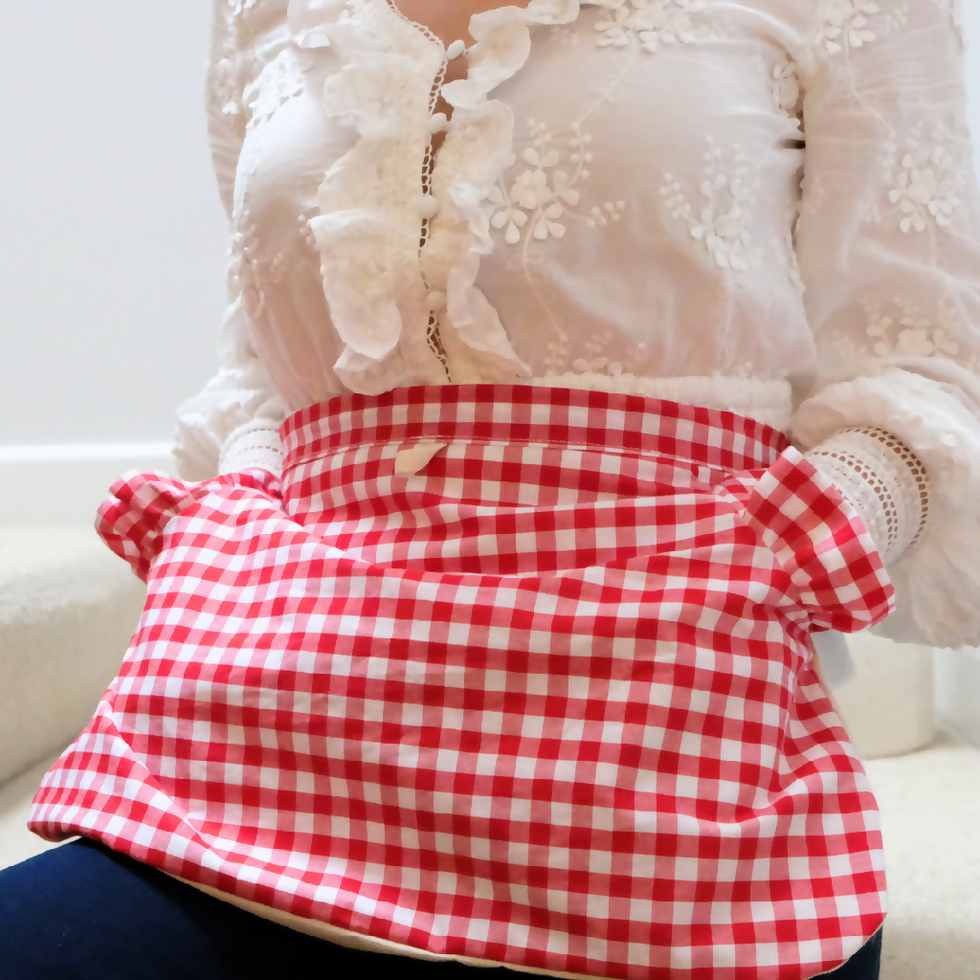 Home Sussex Handmade Peg Apron
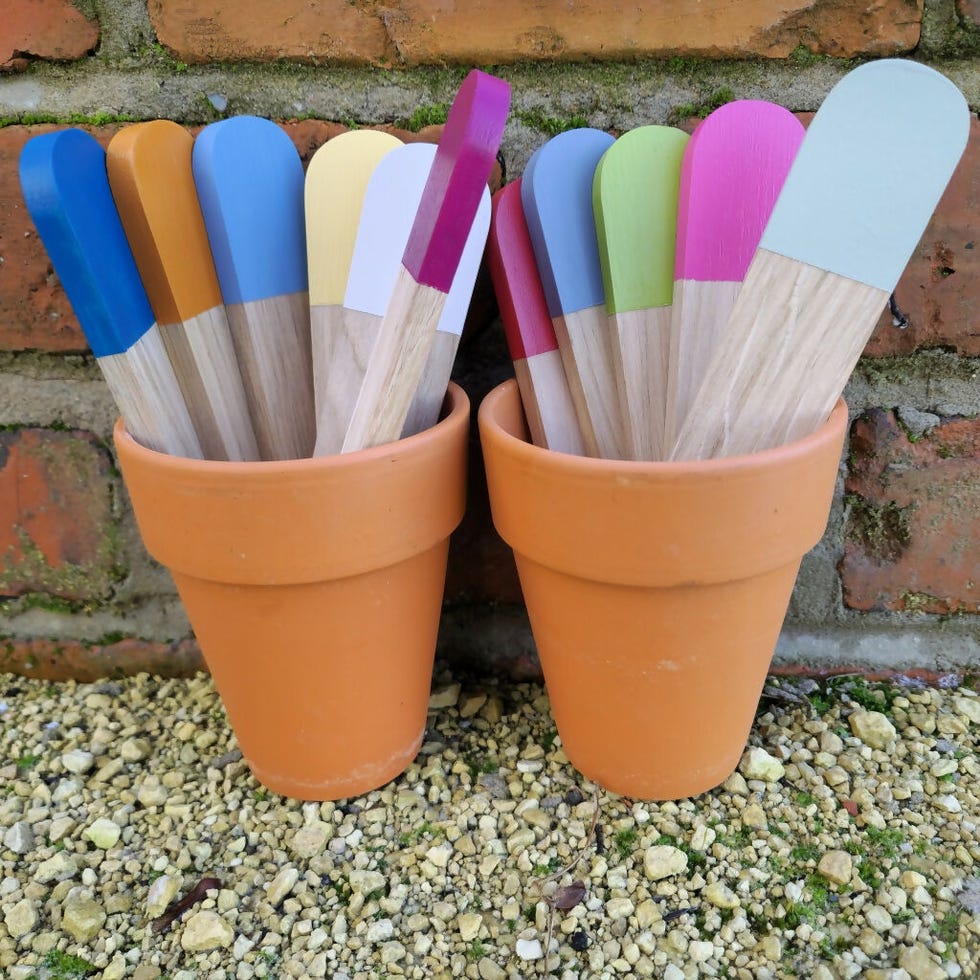 Painted Garden Label/Marker
 The Fae Potter Wild Bird Feeder ceramic hanging
 WhinnyPoo WhinnyPoo Box of 3 Plant Feed
Comments are closed.