
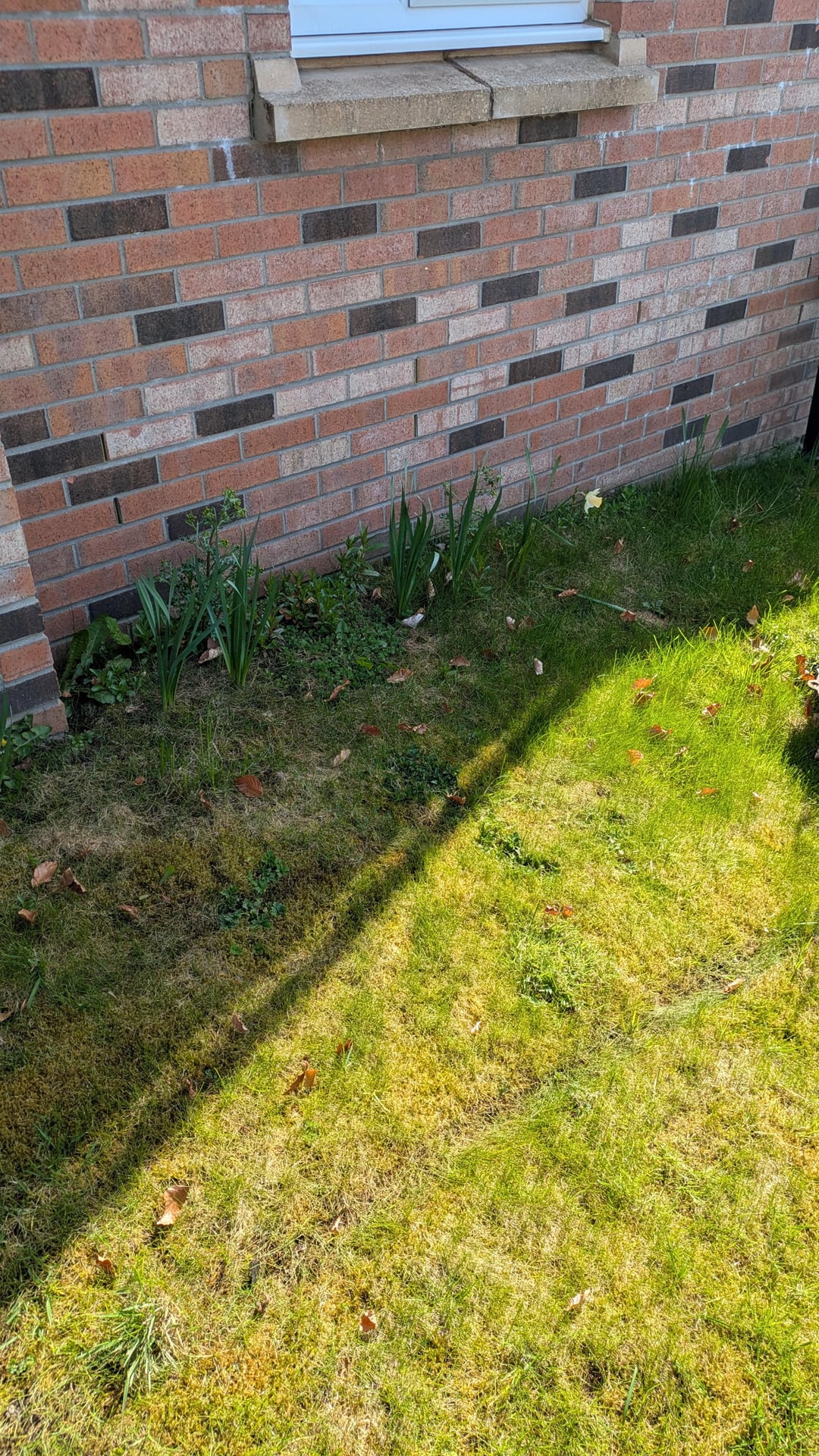
Hello! Our front yard really needs some love and attention, see picture 1.
We planted some daffodils a few years ago, or more emphasis on "tried" really. The house is a new build and… When you start digging you just encounter a whole bunch of rock/stones, let's just say the ground isn't fantastic.
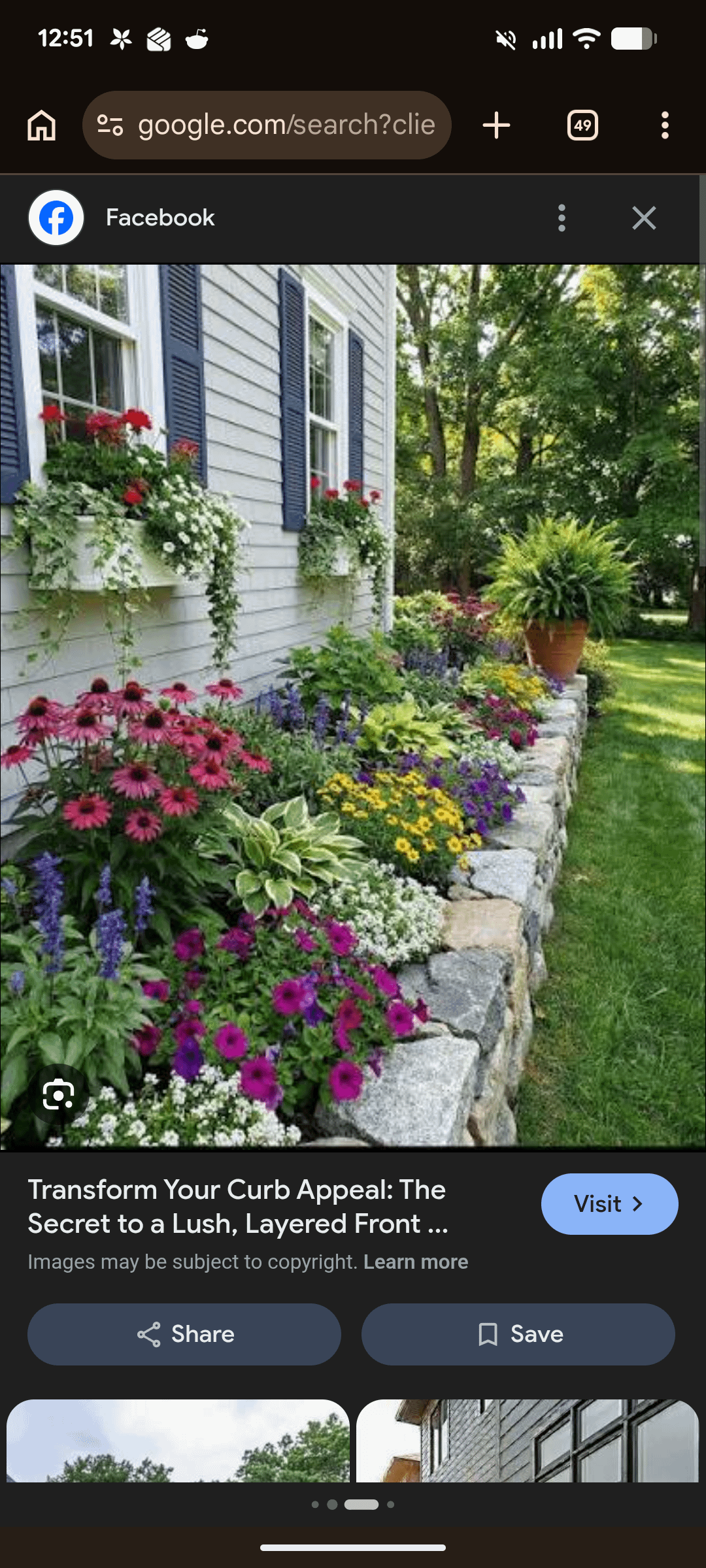
I'm thinking of making a raised bed with stones, see picture 2 for the inspo.
What my thoughts are:
– dig out the grass as best as I can
– Lay cardboard on top to hopefully start a new "fresh" layer
– start stacking stones in a desireable shape and add easy cement in-between the stones so it stays, 4-5 stone rows high
– add in fresh compost
– add plants/flowers that are shade and wind resistant
Am I crazy to think I can do this as someone who has never done any landscaping before?
Thoughts are oh so welcome!
by BitterListen9969
11 Comments
Adding windows and siding over your brick will be the most difficult part. Make sure there’s sufficient drainage and moisture barrier if you do it against the brick against the house like that.
You are not crazy for wanting this but your current plan will cause property damage and look like garbage after one winter. Do not pile dirt against that brick wall above the foundation line or weep holes. If you raise the soil level against the house you are inviting trapped moisture and pests straight into your framing. You need to keep the soil graded away from the siding or build a freestanding wall with a gap between the bed and the house.
Next skip the easy cement and do not build a wall directly on top of dirt. The ground moves and your cemented wall will crack and fall apart immediately. You have to dig a trench and put down a compacted base of crushed stone before stacking anything. Honestly dry stacking heavier natural stone without mortar is much more forgiving for a beginner and drains water naturally. Also do not fill a bed with straight compost because it will just shrink and disappear as it breaks down. Get a proper mix of screened topsoil and compost.
When you get to the plants look closely at your inspiration picture. It works because the plants are grouped in wide sweeping masses that weave together into a single structural texture. Buy multiples of the same shade tolerant plants and group them tight so they cover the ground completely. If you just buy one of everything and scatter them around you will end up with a restless polka dot mess instead of a lush landscape.
You cant build up that high around your foundation. You could make something that looks similar to this if you just use edging instead of a stone wall
Why not build some larger planter boxes and install them level in the ground below the windows? That way you’ll still have cool plants growing while not messing with your foundation. Mulch bed if you want and plant some bushes below it
You have the right idea but you don’t want to pile dirt against your brick wall (not to mention, raised beds require fair amount of dirt). Dig down instead, and just use a single row of landscaping brick to separate it from the lawn. Add a little compost/potting soil on top.
I’d highly recommend starting with wildflower seed that is meant for your zone. It’s cheap, it looks good on year one, and you’ll end up with at least a few perennials like coneflower and black-eyed susans that will come back. On year two, start to move things around and fill in gaps with other types of perennials and the occasional annual.
The biggest thing with gardening is understanding how to succession plant, in other words put flowers next to each other that have different seasons so there’s never a gap in the garden. This takes time but learning is half the fun.
You can definitely do that! Good luck with your project and keep us posted
Lots of manual labor lugging in the stones and the dirt plus the stone wall assembly. The plants will be easier but you need to move fast to put in what you show in the second photo. Good luck!
If you keep a 12” to 18” drainage gap right up against the house, yes you can do that. It helps if you have a slope away from the home.
I have had these exact kind of Flower beds in my back yard without issue for 16 years, but we also have French drains along the back yard to make 100% sure no water pools back there.
Also just came to add that the picture you’re looking at is AI. Echinacea & hostas won’t look perfect together, one is going to suffer because they have drastically different sun needs. I keep some hostas in my full sun beds as filler, but expect them to be burnt almost all the time. And echinacea self seeds into my shade beds but hardly blooms at all there where the hosta are happy.
Looking at the moss and unblooming daffodils in the spot you’re looking to put this in, it seems like you may have mostly shade. If this is the case, you do have to be selective with plants if you want a full blooming garden. Wild columbine, woodland phlox, heuchera & tiarella, woodland stonecrop, white wood aster, goatsbeard & astilbe, and of course hosta & other shade or mostly shade plants would probably work well. I think you could do this with paver bricks or some other sort of edging, just making it a garden bed instead of a wall to avoid an excessive amount of dirt against your house. Good luck!
This is one of my 6 raised beds. The other 5 I have added the past couple years. This one is 60 years old. I did have to empty and replace the soil about 5 years ago.
https://preview.redd.it/eqo2d5t5sqxg1.jpeg?width=4032&format=pjpg&auto=webp&s=75f21e697a8a6b368956f349e0c264c80c51cc90
These plants in the photos are both sun and shade plants (which means the sun ones will not thrive here). E.g. the echinacea needs full sun. Directly next to it is a hosta, I think, and it needs shade. You will not have all this color in a shade garden. Best to use varying colors of leaves, and varying heights. Also keep in mind some of these are perennials and will die back in the winter, so you’ll want to think about what it will look like for a few to several months out of the year.