
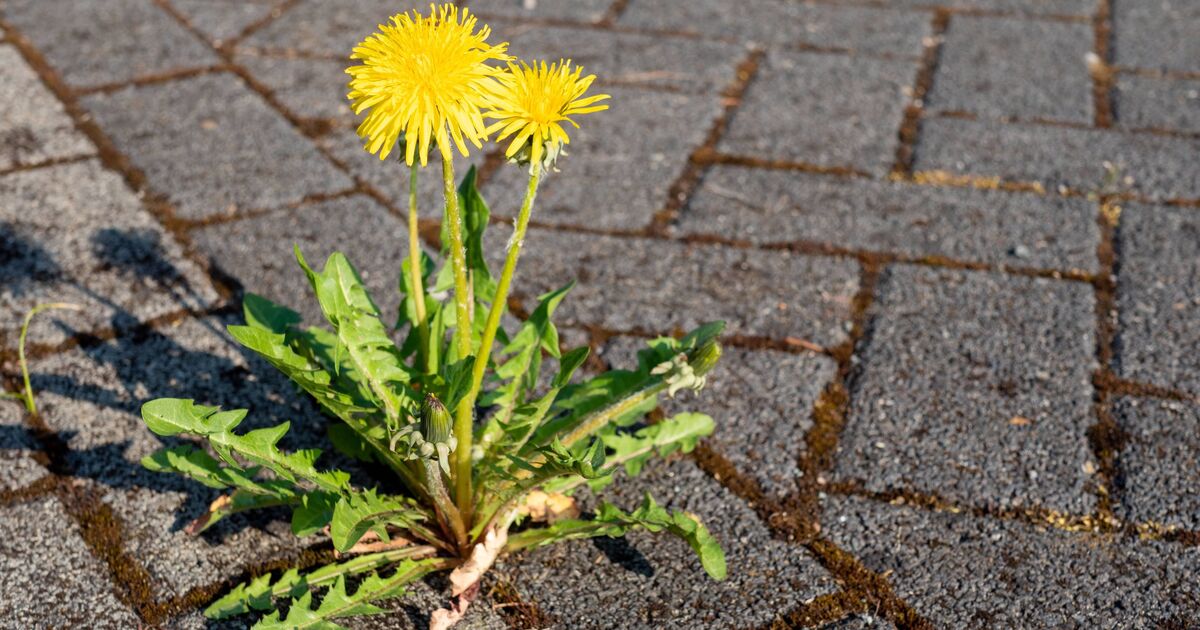
Weeds could be gone in 24 hours (Image: Animaflora via Getty Images)
Weeds can be a real headache on gravelled surfaces and patios, with a host of unwelcome intruders ranging from grassy varieties to stubborn woody species such as broadleaf, henbit, purslane, chickweed, and dandelions taking root amongst the stones.
Looking for ways to rid your gravel of these unwanted plants?
Total eradication remains difficult as weed seeds travel through the air or via birds and insects, germinating wherever soil, water, and light come together.
Nevertheless, you can still tackle these weeds as they emerge, ensuring they die off swiftly.
On the Gardening Hint and Tips Facebook page, one keen gardening enthusiast revealed a weed-elimination technique she had discovered and tried herself, achieving impressive results, reports the Liverpool Echo.
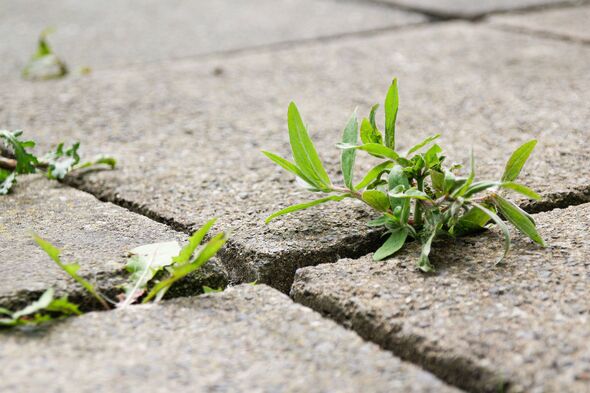
You’ll have this item in your kitchen cupboard (Image: Getty)
Ditching shop-bought chemical weed treatments, Trudy Hurd turned to two kitchen cupboard staples: salt and boiling water.
Her post said: “Someone on here said about killing gravel weeds with boiling water with salt and yes in less than 24 hours the weeds are wilting just thought I’d share.”
In a follow-up comment, Trudy pointed out while this method works wonderfully for gravel driveways and patios, care should be taken near flowers or grass to prevent unintended damage.
Specialists at John French Landscape Design, boasting an impressive 40 years of horticultural expertise, have offered gardeners guidance on the effectiveness of using salt and boiling water to combat troublesome weeds appearing between gravel and patio surfaces.
They shared: “Salt is most effective as a herbicide when it is mixed with water. The recommended strength of the saltwater mixture depends on where you plan to apply the herbicide.
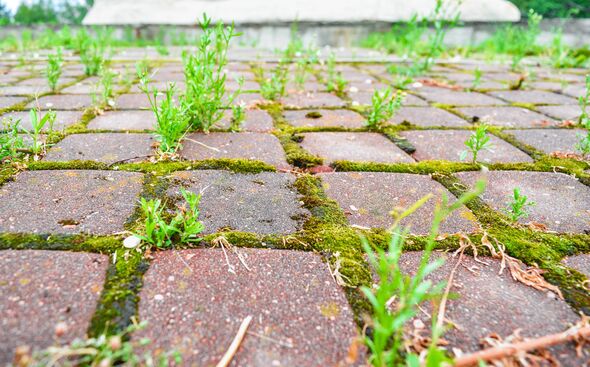
It’s a natural method for patios (Image: css0101 via Getty Images)
“If you are applying the salt in an area where the long-term health of the soil is not an issue a much stronger mixture can be made such as a two to one or three to one.”
This considerable amount of salt will slowly modify the soil’s pH levels, potentially rendering it entirely infertile.
Experts suggest targeting saltwater solutions directly at the weed’s foliage, while being careful not to drench the roots, in order to safeguard the surrounding earth.
The solution can be administered using either a spray bottle or poured straight from a container.
Should neighbouring plants be close by, give them a generous watering following application to counteract any stray saltwater that may have seeped into the adjacent soil.
Concerning the use of white vinegar against weeds, specialists said “it has been proven over time to be ineffective on its own”.
Nevertheless, when combined with salt and water, vinegar can prove to be a potent weed suppressant.
Similar to the saltwater solution, vinegar must be handled with caution as it can likewise disrupt the soil’s pH balance over time, potentially impeding the development of future plant growth.
Comments are closed.