
Hello!!
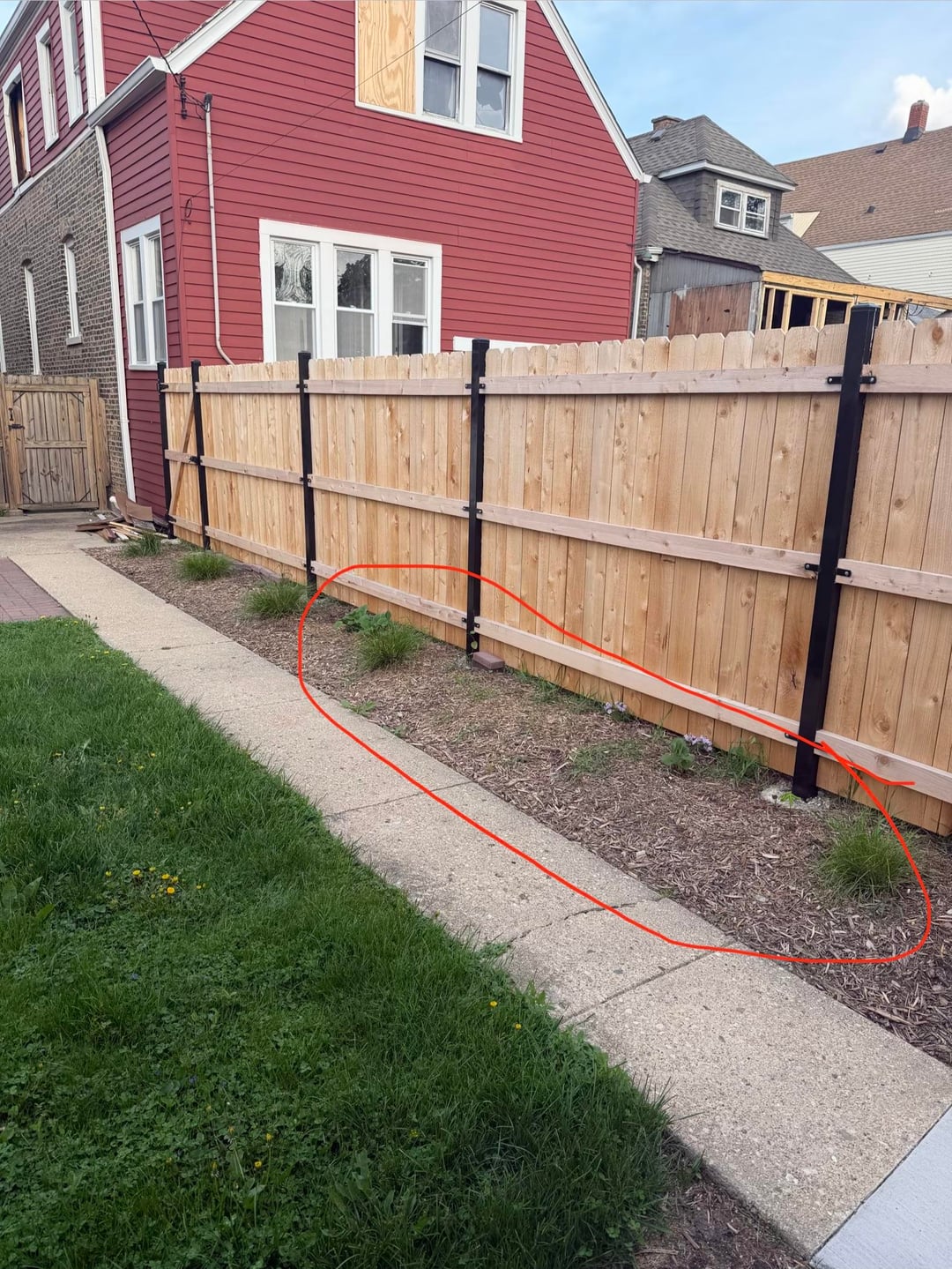
I am in the city of Chicago trying to figure out what to plant along this fence line (particularly where I circled with red). Hoping for trees/height if possible (obviously would have to be pretty narrow).
-zone 6a
-fence is on the south side of the property facing north.
-3ft 5 in depth.
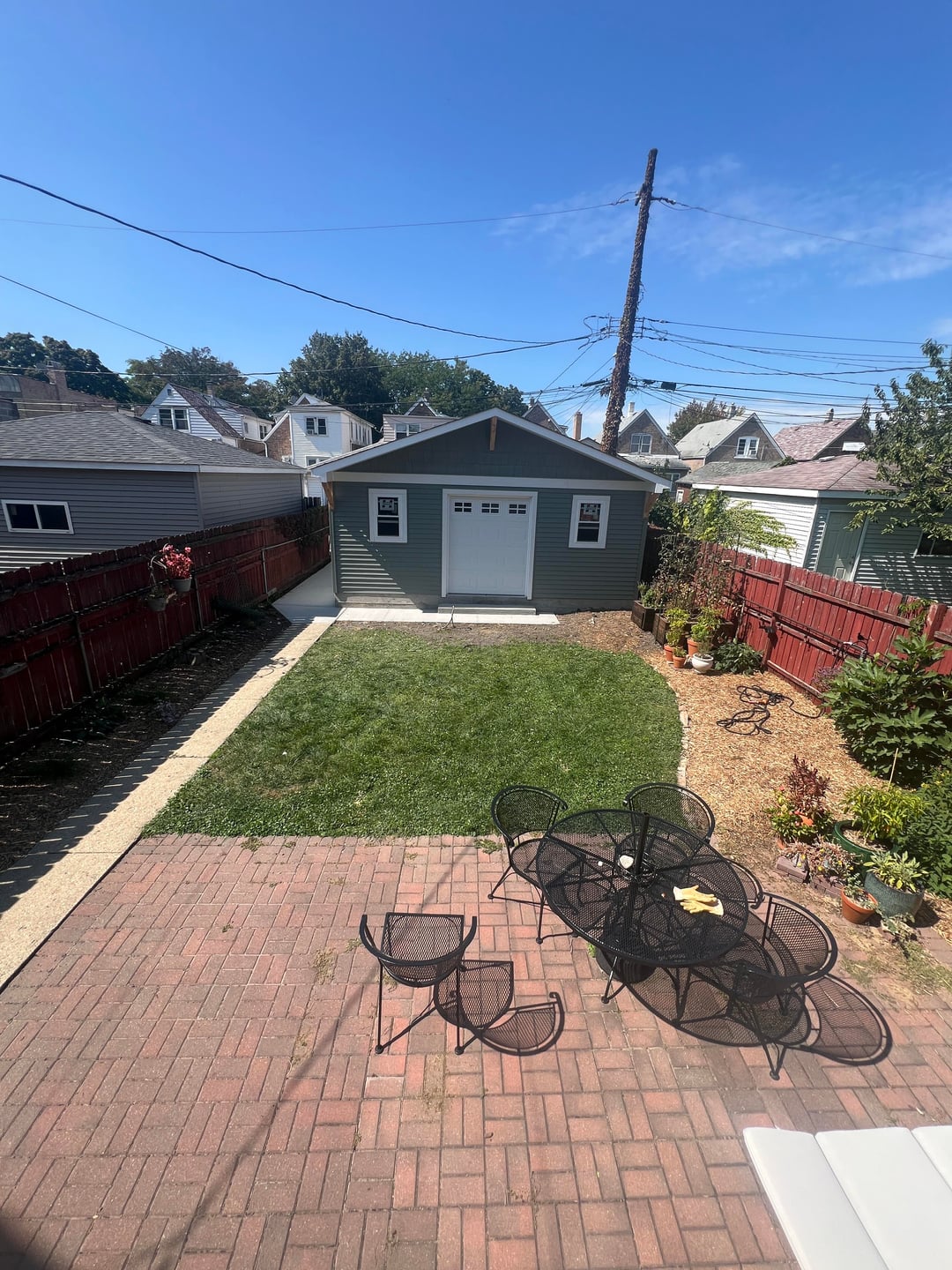
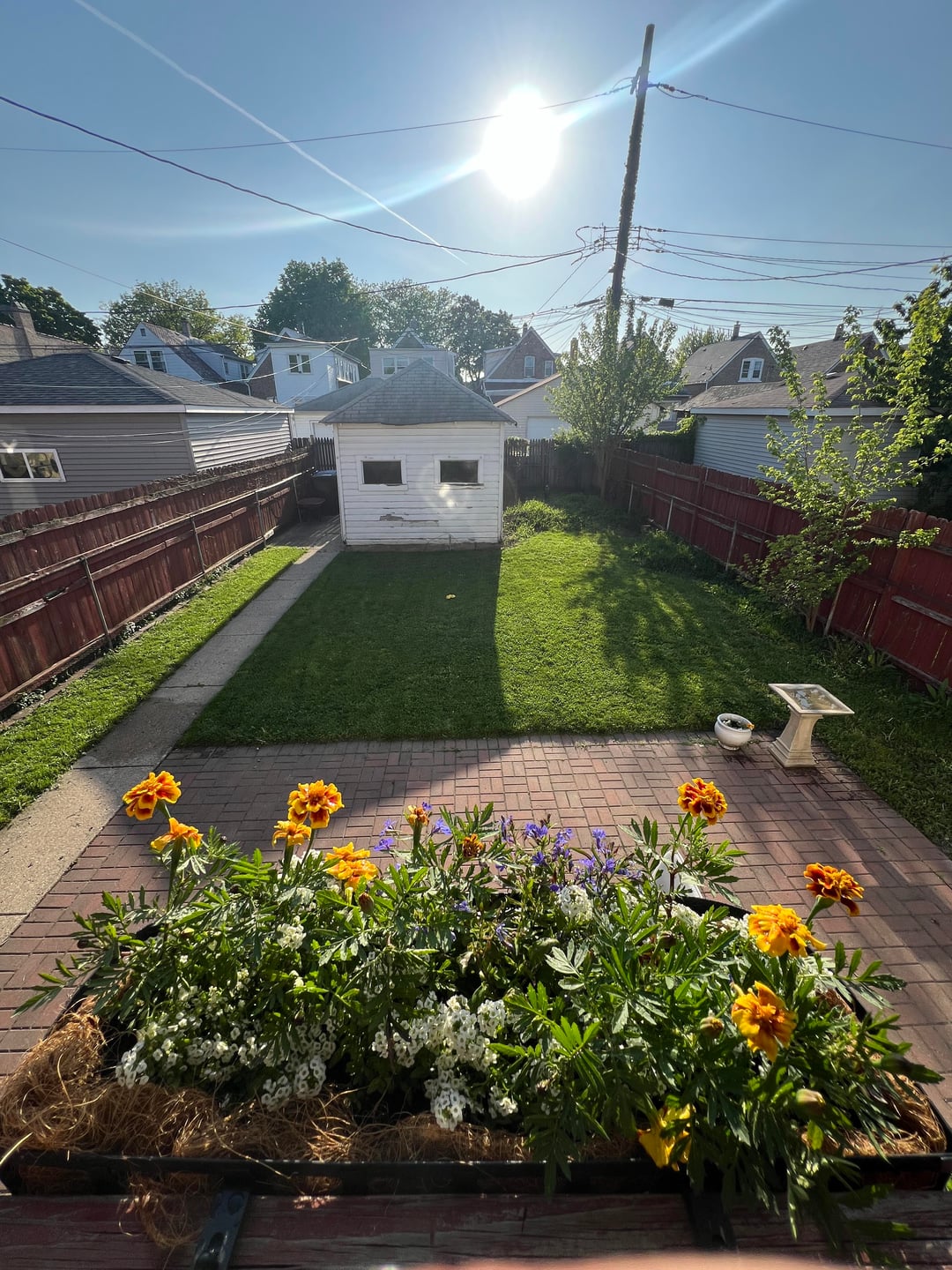
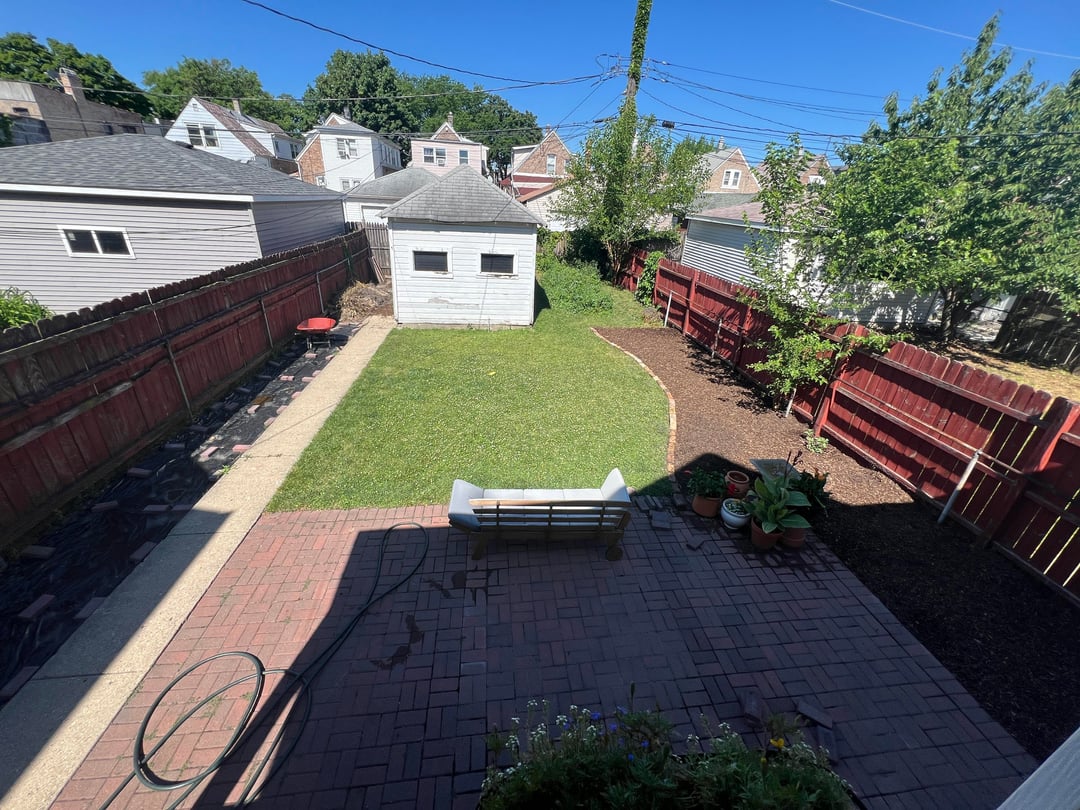
-pretty shady. Gets SOME full direct sun throughout the day, but a lot of shade. With that being said, we planted some jack in the pulpits over here last year that died from too much sun pretty quickly. So I’m confused! Added some pics I found through the years to show the sun at different times of the day.
-We’ve been hoping for tall thin evergreens of some sort (juniper or arborvitae? ) so that there is some green in the winter. But I fear it’s too shady for them? Any one have thoughts about that?
-Thought about yew but we have a dog and they are toxic.
-Hoping to stay native, but open minded!
-We have a ton of native tall grasses else where on the property and would like to change it up.
Okay with all that in mind, what would you plant here? Open to all your suggestions and thoughts!!
by DragonfruitTop7721
28 Comments
Hostas
Coral bells (Heuchera Americana) could be a native alternative to Hostas for this area!
Look at that narrow strip. You have about two feet of dirt trapped between a poured concrete walkway and a solid wood fence. If you jam upright arborvitae or junipers in there they are going to starve for light, thin out at the base, and eventually heave your concrete right up. The deep shade from the fence combined with random blasts of direct sun creates a weird microclimate that fries delicate woodland stuff like your jack in the pulpits. You need to abandon the tall evergreen screen idea for that specific spot because forcing tree roots into a tiny box always ends in expensive failure.
You need bulletproof structure that stays polite next to the walkway but fills out enough to look intentional rather than just random polka dot planting. Do a solid sweeping mass of native Christmas Ferns mixed with a tough native like Coral Bells. The ferns give you the winter green you want without the toxic dog risk of yews and the coral bells handle those weird tricky sun angles perfectly. Before you grab a shovel you should run a photo of that exact fence line through the GardenDream web app. It lets you overlay these exact plant masses right onto your picture so you can visualize how a continuous flowing texture works in that tight space before you waste money at the nursery.
Mayapple. [https://www.prairiemoon.com/podophyllum-peltatum-may-apple](https://www.prairiemoon.com/podophyllum-peltatum-may-apple)
It’s a native that that spreads well once established, highly shade tolerant but won’t drop dead on you if it gets kissed with some sun, likes that sorta area.
Bonus is that it has very large almost tropical looking foliage, flowers, and the ‘apples’ it makes are technically edible when processed (though the rest of the plant is toxic so eat with care).
It won’t stick around though, so you can still mix in other shade plants like more traditional hostas, because it won’t provide coverage on its own in a spot like that, but I would definitely throw in some low maintenance native shade loving ground covers as well.
Consider wild ginger as well [https://www.prairiemoon.com/asarum-canadense-wild-ginger](https://www.prairiemoon.com/asarum-canadense-wild-ginger)
Likewise a very shade tolerant native that grows a bit lower but very densely. It’s more picky about soil and water conditions than mayapple though.
If you want tall evergreens that tolerate part shade, opt for inkberry holly, japanese holly, european holly, boxwood, azaleas, or dwarf rhododendron.
Arborvitae and juniper require lots of sun.
I’d probably do a layered fence-line planting here:
Back layer: 3 narrow arborvitae like North Pole, DeGroot’s Spire, or Holmstrup
Middle layer: coral bells between them
Front edge: a drift of Pennsylvania sedge along the walk
this is based on your description of the space…
* this spot reads less like true deep shade and more like bright shade with bursts of hot sun, which explains why jack-in-the-pulpit fried
* juniper wants more sun, so I’d skip it here
* arborvitae is the better bet if you want narrow evergreen height and winter structure
* coral bells handle part shade well and add color so it’s not just a wall of green
* Pennsylvania sedge keeps the front edge soft and tidy without looking like more tall grass
Only caution: if it ends up being shadier than it looks, arborvitae may get a little thin over time. But for a tall, skinny, evergreen, dog-safer-than-yew option, this is where I’d start.
I have a great bed of ferns that comes back bigger every year in my North facing shady spot. It only gets full sun in the morning. Also an orange rhododendron.
Before planting, how’s your deer and rabbit situation?
Maybe inkberry holly or sky pencil.
Astible, liriope, columbine and monkey flowers
Bugloss, hydrangeas, sages,
ferns! ferns! ferns! native perennial ferns!
Hinoki Cypress could probably handle the shade okay. Same with hemlocks (Iseli grows dwarf varieties). I wouldn’t worry about the yew/dog issue unless your dog chews on random stuff a lot (mine doesn’t?).
Trumpet vines
Boxwoods
Alternating hydrangea and Karl forester grass
Honestly it’s just not a spot that is conducive to plant life. Whatever you put there may live, but it probably won’t thrive.
This would be a good spot for a raised planter. The height will push it out of that deep shade and away from the dog. You could plant some annuals for a fun pop of color and life. I would do some tuberous begonias, ferns, and hyacinth bean vine to climb the fence or a trellis for height. Maybe add a bench section in the middle to give you somewhere to sit while playing fetch with the pup.
I’ve had some luck with perennial ferns in raised planters as long as they are zone 3 hardy, I’m also a 6a. Maybe a combo of Japanese painted fern and Christmas fern. Both can handle a bit of light as long as they are watered well.
Spirea, hydrangea (there are native varieties), beauty berry (not sure about for your zone). All bushes that can get fairly tall, tolerate some shade. Not evergreen. Spirea is highly tolerant of being hacked back to keep it whatever size you want, and it blooms. Below that you can put a large variety of sun/shade tolerant plants: coral bells, astilbe, hellebores, some ferns (eg autumn fern is one of the more sun tolerant) , some hostas, etc.
You could also do a red bud is you want a small tree. They are native and spring flowring. They are an understory tree. Possibly red maple. Possibly cherry or crab apple as well.
I’m planning out a shaded space on the north side of my home. I was thinking a mix of maidenhair fern, ostrich fern, columbine, and Jacob ladder.
Dwarf mondo grass! Can handle full sun but will get browning on leaves. Loves filtered light conditions. Will slowly put out new plants. Stays all winter. Blue fescue grass is also hearty. If the bed looks deep enough, mondo would be a great edging either way the fescue behind it, and it will keep mulch from spilling over onto the walkway.
If you’d like arborvitae, look up the variety ‘Sting’. It is extremely narrow, 12ish inches wide. Ever since Proven Winners released them a few years ago I’ve been obsessed. ‘Thin Man’ and ‘North Pole’ are slightly wider at about 30ish inches wide. I think arborvitae is your best option for what you’d like to accomplish with a nativar.
Be advised that in dense shade, they will grow slower. I planted a 12” ‘Sting’ two years ago in pretty deep shade on the north side of my own house. It only gets direct sun for maybe an hour or so every day. It is now only about 2 feet tall. So if you’d like a faster effect, get large plants to start.
Strawberries? Maybe something that comes back every year snd you get to eat! I use strawberries to line my house and fencing
Hostas
Nepeta aka catmint. Deer dont eat them. They flower for a long time.
I’m a big fan of all the natives listed by others. In addition, if you want to add some texture, I’ve had good luck adding lungwort and chives and occasional hostas in with my natives (wild geranium, Pennsylvania sedge, wild strawberry, Columbine, wild ginger, trillium, bloodroot, jack in the pulpit, wild hyacinth, ramps, trout lily, maidenhair fern, etc). Also violets do great in such places too.
Aronia melanocarpa ‘Lowscape Mound’ if you want a native shrub that won’t get huge.
I like the idea of a mixed perennial planting that others have suggested. Keeping it low and not trying to compete with the height of the fence in a small space.
Geranium maculatum, Polystichum aristichoides, Poleminium reptans, Carex, Heuchera villosa for a coarser foliage against all the finer stuff.
Various hostas and native ferns. Wild American ginger makes a lovely ground cover. Mix in columbine, Soloman’s seal, and mayapple. Anise hyssop, astilbe, and foam flower for height.
Hosta,Colius.
For the first picture, look at Jack Frost Brunnera. No muss, no fuss. They die back in the winter but come back larger each year. Mine are in bloom now.
My recommendation is to contact Bluestone Perennials in Madison, Ohio.