
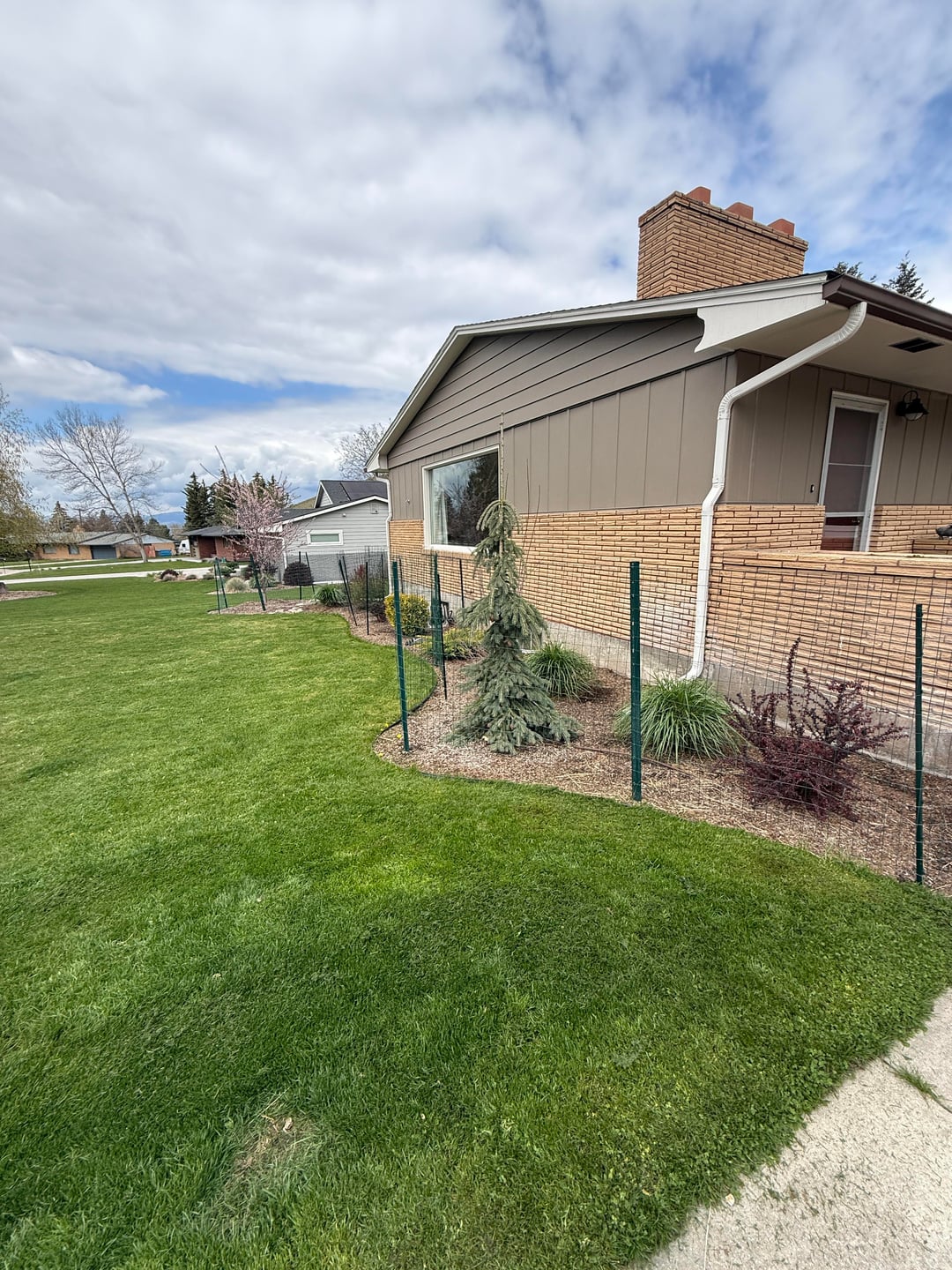
I’m increasingly interested in no-lawn or low-lawn options. We live in Montana, where it’s pretty dry, and I’d like to add more plants for pollinators. Everyone in our neighborhood loves their green lawns. They either pay for lawn services, use tru green, or treat their lawn as their hobby by mowing 2x a week and watering 2x per day.
My husband is on board for cutting down on our lawn. It takes a long time to mow, uses a lot of water, and it feels like a never ending battle of dirt spots, weeds, lumpy/sinking areas.
When I showed my husband some xeriscaping examples I was excited about, he seemed hesitant and said he doesn’t want a ton of extra work/ doesn’t want to haul rocks. When I suggested creating more landscaped zones for native plants, he stated it’s a lot of work to dig out grass.
We clearly aren’t on the same page with our ideas for the lawn… how can we approach no-lawn options that are less drastic to start? We already have a lot of unintentional clover patches mixed into our lawn
How
by karamizzle
8 Comments
Missoula, MT zone 4b
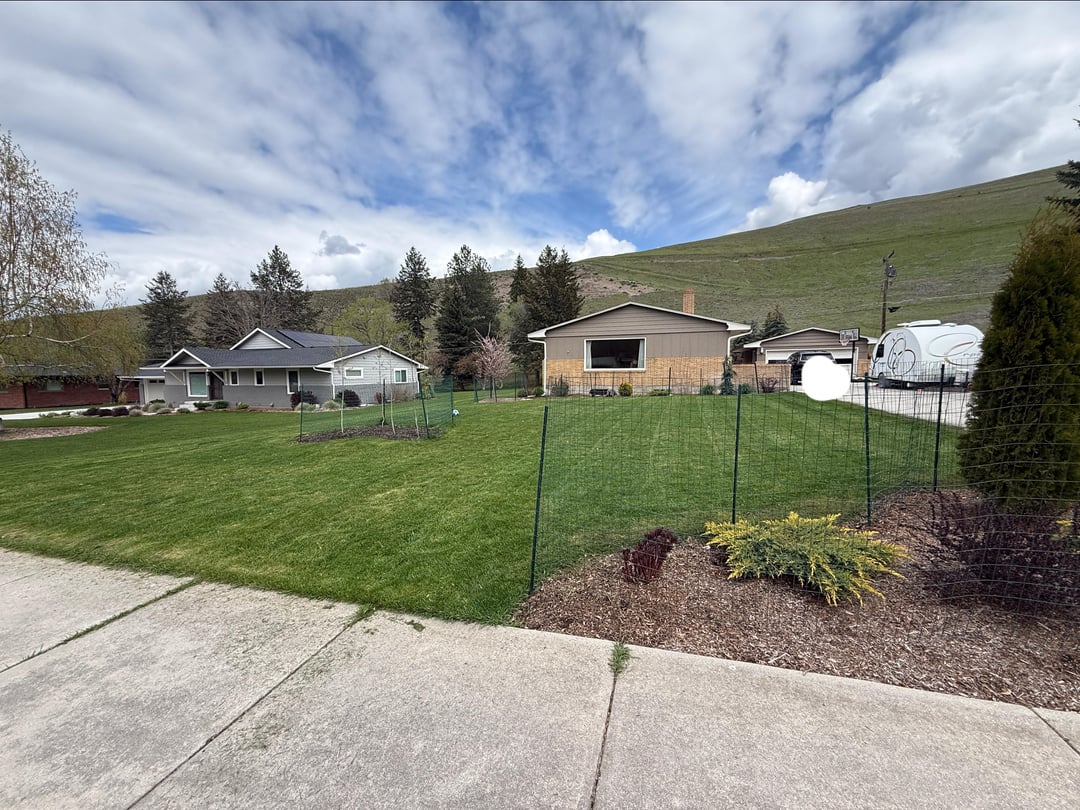
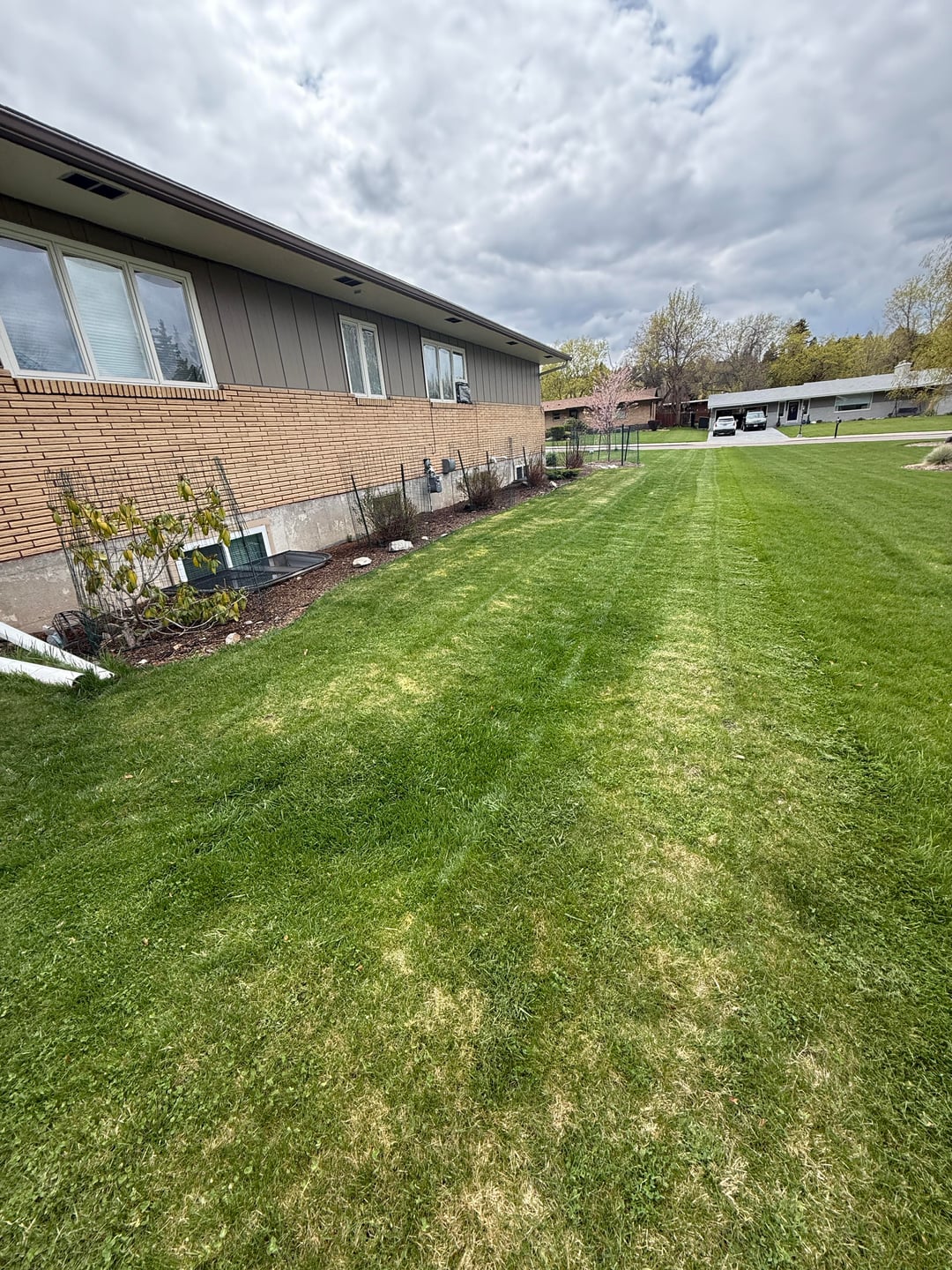
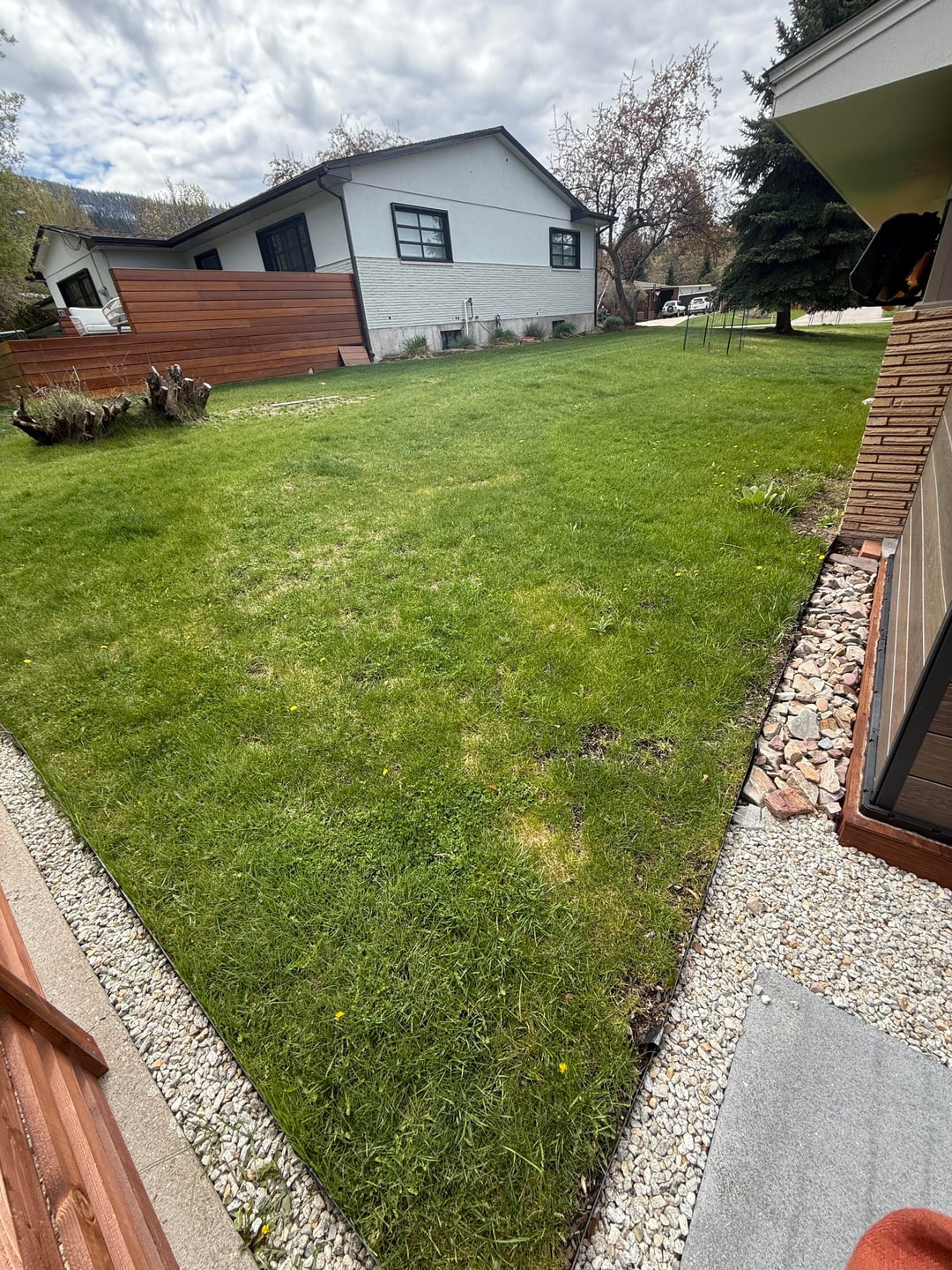
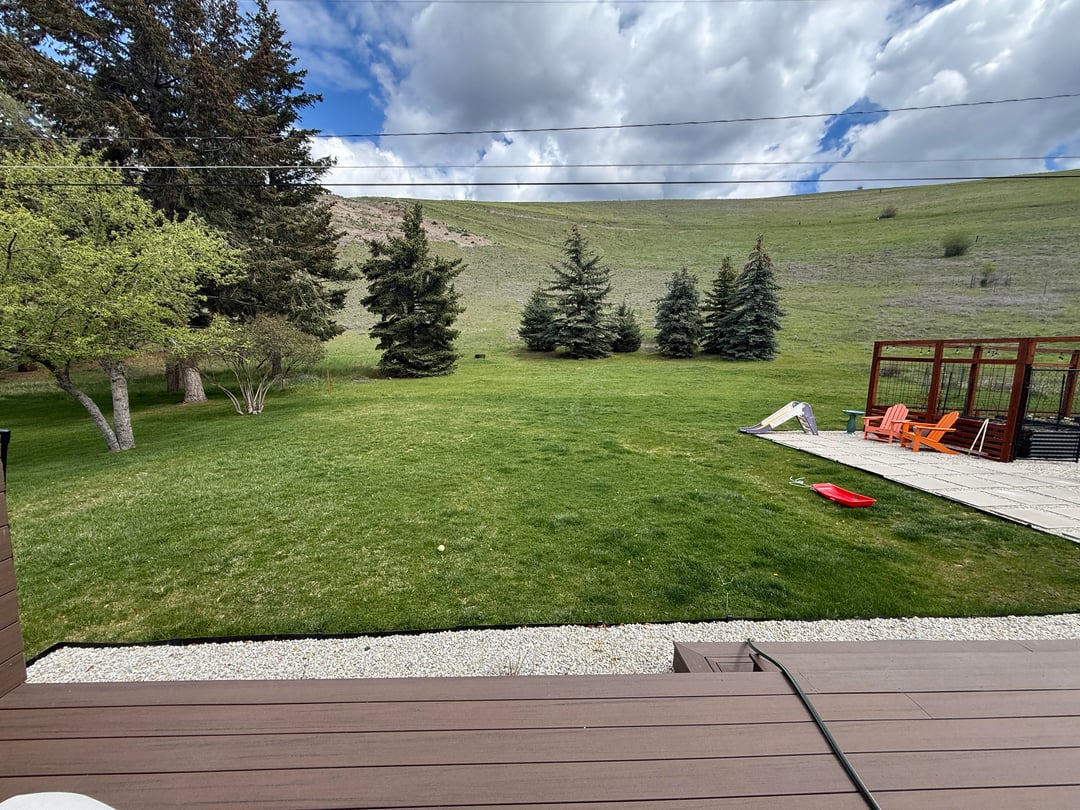
Images show our current lawn/landscaped areas. I am interested in finding a low/no mow alternative to our current grass, and would like to add landscaped areas (native garden/xeriscape areas bordering neighbors yards, or around garage/driveway area (image 3))
I removed my front lawn two years ago. I have never been happier. Especially with the drought where I live. I planted many natives and perennials in its place. It looks so neat and tidy and I have hummingbirds for the first time ever. Grass is such a waste of money, time, and energy. I have had neighbors say “I wish I would have done what you did”. It’s worth it.
i always start by putting down cardboard and wood chips to make bigger flower beds. as those beds are successful, i then can use them as nurseries for plants, and each year get more plants by dividing them up and extending the beds bit by bit. if Montana doesnt have a Extention, look at Colorado. there are a lot of similarities in climate- cold, dry, windy. lots of plant lists. High Country Garden in a mail order nursery with a lot of nice pictures and plants. a bit expensive, but lots of good ideas.
Yarrow is a native and hardy plant that will spread and take over.
You can mow it or let it grow mostly white flowers.
I’m new at this, but you don’t need to dig out grass! Watch YouTube videos about sheet mulching. You cut the grass short, lay cardboard over that, then ideally put some compost, dried leaves, etc, and then mulch on top of that. It takes 4-6 months but those areas will kill the grass and become just soil ready to be planted.
I think a lot of people start with parts of their yard. But others can speak to that much more than I can.
Start small. Pick your method and mark out the area. Once the grass is fully gone, make a clear border of some sort (rocks, logs, stuff from a garden store) so that the native plant bed immediately identifiable as being deliberate.
A small plot will give everyone a good sense of how much work is involved in the setup as well as a sample of how much work will ultimately be involved in maintenance.
The thing about lawncare is that it’s relatively mindless, and there’s lots of accessible advice on how to treat common issues. A bespoke native plant bed requires specific knowledge about what is and isn’t a weed, what conditions each plant species requires, etc. I bet that’s the part your spouse is skeptical about, especially if they are the one who does the lawn mowing.
I’d start with picture 3 and plant those stumps with natives
First steps would be to have a plan, you don’t want to grab a bunch of seeds that aren’t meant for an arid prairie region. there is probably a native plant society in your state if not local area who are great to reach out to. On a daily basis try and pay attention to the plants and landscape you see in wilderness areas or other local trails. Also see this subs FAQ page to see if there are guides for your region or state.
And generally first steps are doing things like stopping the use of all pesticides in your current space and over mowing. Over time once you know the types of plants you want to grow there, you can ‘weed out’ invasive, and native plants will eventually thrive with some encouragement.