
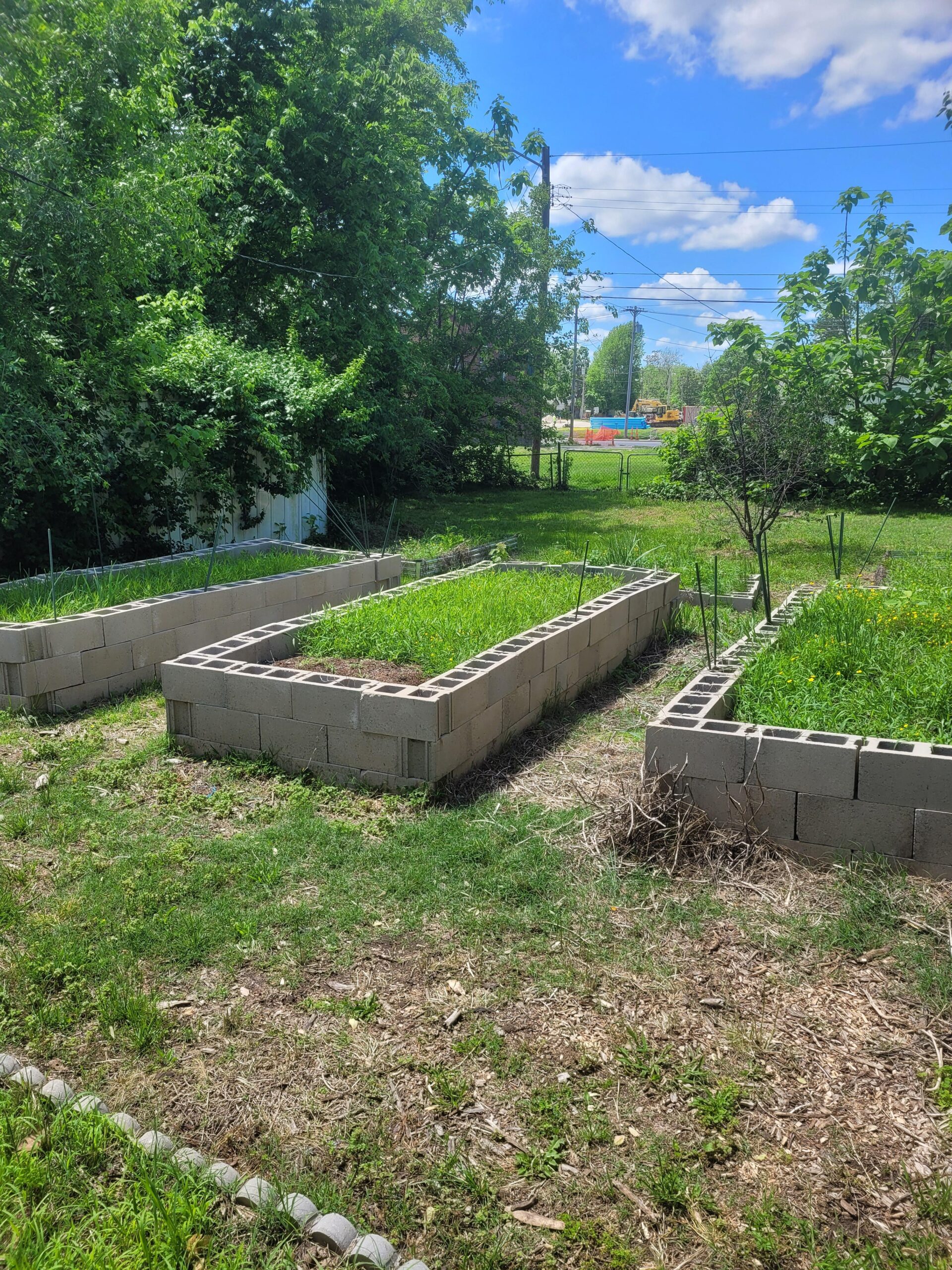
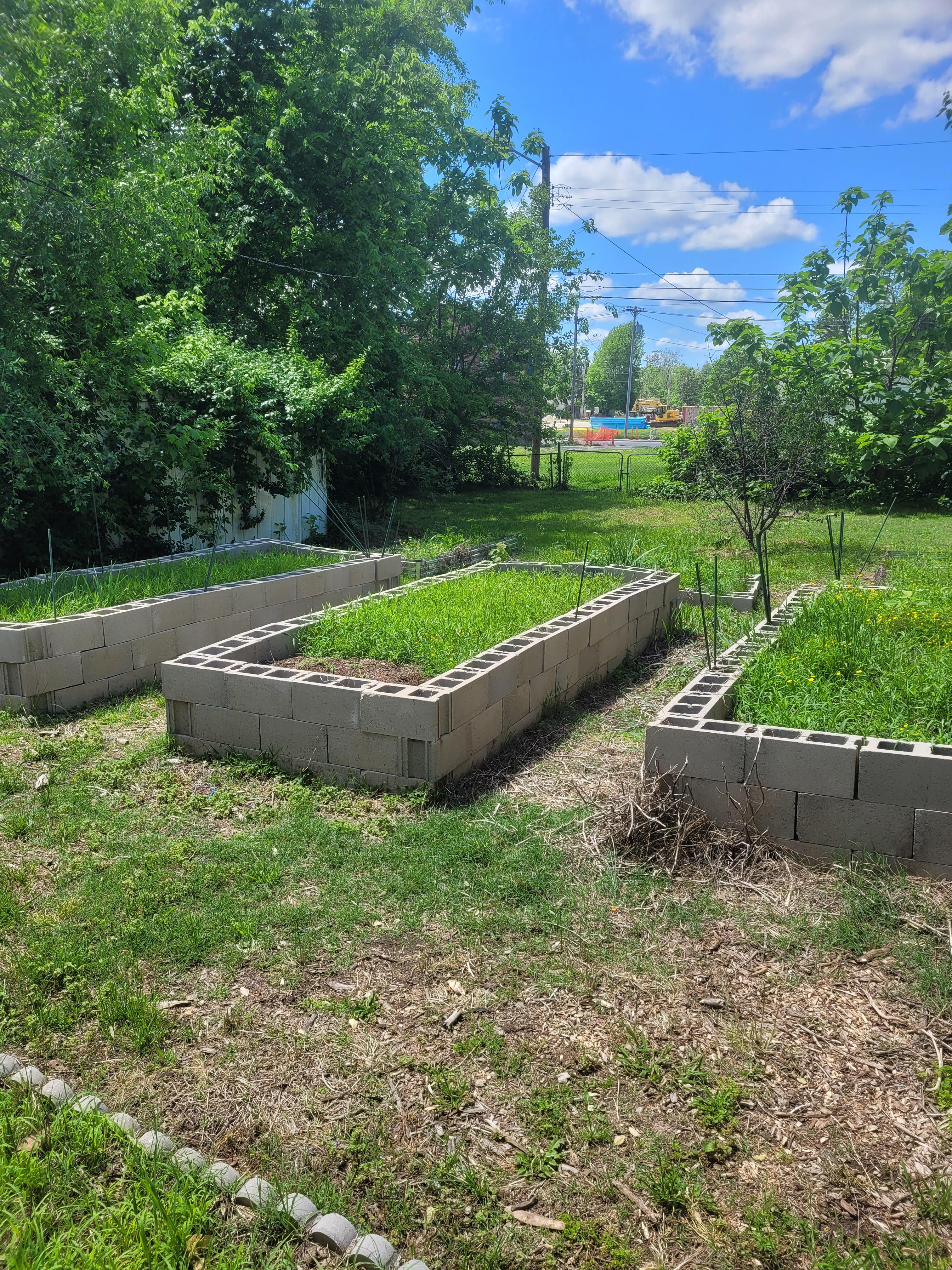
My house has these raised beds that are currently full of grass. I want to plant this year, but I've never done this before, and I'm not sure how to go about everything.
I was thinking I'd top the beds up with dirt and fertilizer and then cover it in mulch. When it comes time to plant (2ish weeks), I plan to make little holes in the mulch. Is this incredibly dumb? Is there a better way to remove the grass?
Thanks!
by AudaciousStitch
11 Comments
Layers of cardboard over the top, water it down, it will smother.
It depends on what kind of grass it is, really (I can’t tell in the pic).
Some kinds of grassy weeds are pretty easy to deal with (e.g. crabgrass, annual bluegrass), but others can be extremely difficult (e.g. bermuda, nutsedge) and the only realistic way is to use herbicide or remove soil, or maybe solarize in summer. Some that aren’t too difficult to pull or smother will leave a shitload of seeds, too, so that’s something to be mindful of.
It just depends.
If it were me, I’d dig out what you can of it, and then scalp at least a few inches of soil off the top (to get rid of the seeds that are surely there) for good measure.
[Actually…..*I’d* just spray it all with glyphosate first & wait a couple weeks, but I know most people on this sub aren’t willing to do that]
One thing I can tell you for sure — put in some good effort & do it properly at the start. If you half-ass it, you may come to regret it later (believe me, I speak from bitter experience 🤣)
Boiling water. Quite a bit of it in this case. Then compost and plant.
I would personally dig out as much as you can, till it then add compost/soil then Throw a tarp down till you’re ready to plant. I’ve also seen people dig it up and flip it which is an interesting idea but no idea how effective it is
Cardboard won’t break down in two weeks. I put cardboard down with mulch in October and that stuff was not even close to broken down when I checked in it in March.
The more work you put in now to get rid of it the less weeding you’ll have to do later down the line. Your plan will work well enough but I’m sure you’ll still get plenty that comes back..
Cut the grass (just leave the cutoffs there to decompose). Cover in overlapping brown non-glossy cardboard (remove metal clips, plastic tape etc), newspaper or other paper with safe inks – leave no cracks where light can come through. Water well. Cover in as much compost or other organic matter/mulch as you can get your hands on/afford. Water well.
Depending on what you want to plant and how much compost you’ve added, you either plant directly in the compost or you make a cut in the cardboard to let the roots travel deeper.
When/if any of the grass starts to break through, remove it immediately. Push compost/mulch aside and repair the damage cardboard with a new piece (well overlapping). Cover with compost/mulch again.
Have a look at Huw Richard’s youtube channel and Charles Dowding’s beginner’s playlist and you’ll know everything you need to start up.
Alternative method: Pull out the grass, including roots, plant, water – mulch heavily – weed as sson as you see any – then every 3-4 days until it starts to slow down, then weekly until it really slows down.
Enjoy!
You could cover them in plastic and cook them.
You want a pickaxe.
Hoes are for soil. This is clods of knotted grass. Swing the pickaxe into the dirt with the wide side and cut right through and under them. Then grab the clod with your hand, shake out as much good soil as you care to bother with, and toss it in a pile for compost.
Cardboard smothering, like all the above posters are saying, is a great way to smother the grass out. But its a long-term process, meaning that if you cardboard *this* year, it will be ready *next* year for planting.
But if you want to plant in that bed *this* year, simply treat it as if you had planted a cover crop last year. First, cut the grass as low as you can, and just leave the clippings. Mower, string trimmer, hand-shears – whatever works is OK.
After that, youll need to break up the roots and start to incorporate that organic matter back into the soil. I use a stirrup hoe, it’s excellent for getting to & breaking up roots, but there are several other tools that work. You want to really get in and break up those grass roots, working the entire bed with your preferred tool down like 1 – 2 inches in depth. You can just leave any roots/plant material on top of the bed, but get any roots up out of the ground.
Then, after another week or so, add an inch of compost (and any additional soil you need to top off the bed), and repeat the process of using the stirrup hoe through the whole bed again to break up any new growth or sprouts that survived, and to also work that compost/soil into the top layer bed’s soil. I also would recommend starting out with a soil test – and this is the time to amend the soil based on the test results.
Let it stew another week or so, pulling/hoeing any weeds/grass that may sprout up.
Ready for planting 🙂
That grass has been there long enough that it will have gone to seed. So you will be plucking seedlings for the forseeable future. But if you don’t let it get out of control, and if you mulch well, you should be able to keep it under control.
Since you’re working in raised beds, I’d recommend a hand-held warren hoe. It’s a hand tool with a sharp, triangular blade. It’s very good for ripping out grass roots and underground rhizomes. I’d never heard of this tool before, but someone gave me one, and I’ve never found anything better for immediately removing grasses from a confined area. Here’s what it looks like:
[https://www.bootstrapfarmer.com/cdn/shop/files/DIGGER_TRIANGLE_BLADE_5000x.jpg?v=1751468708](https://www.bootstrapfarmer.com/cdn/shop/files/DIGGER_TRIANGLE_BLADE_5000x.jpg?v=1751468708)
After removing the grass and rhizomes, you can top off the beds as you’ve planned. The most important part is pulling out ALL the underground part of the grass.
Chop it, drop it, then cover it. Beginnings of your best soil ever.
Scoop it out and use it as sod on the patchy grass areas. You need 12-18 depth for peppers, tomatoes, a lot of things, so covering and planting on rope will only work for herbs, and other things that only need 6” or so.