
 3 min read
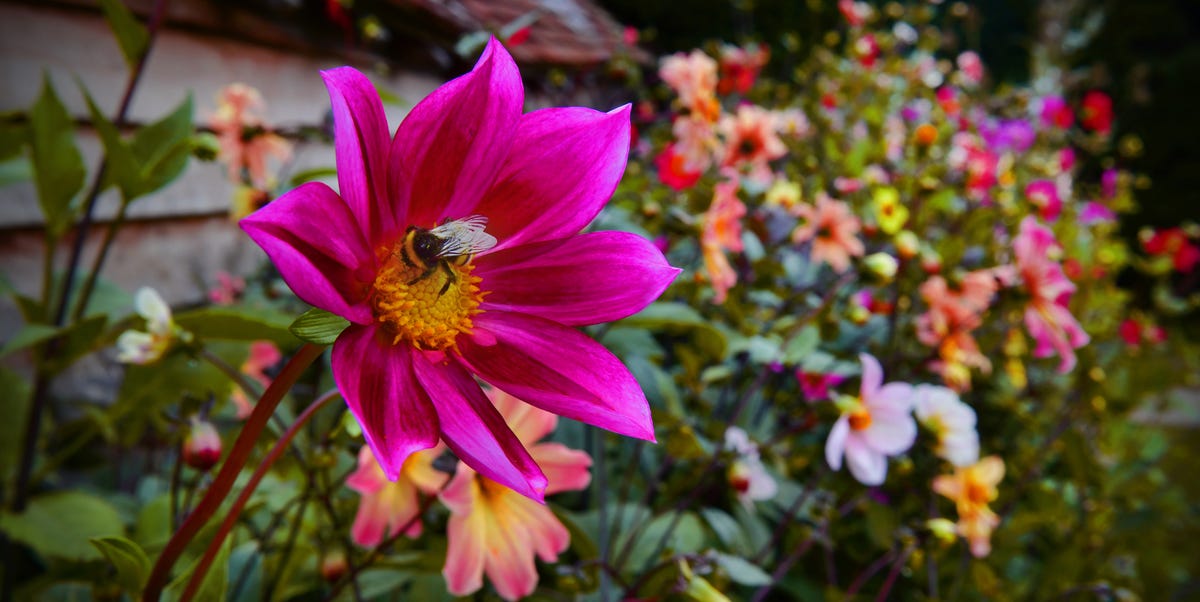
Many people don’t realize how essential bees are to the ecosystem. But if you want a healthy local habitat and a backyard full of blooms, one of the best things you can do is learn how to attract bees to your garden.
“Without bees and other pollinators, we wouldn’t have much of the floral or fruit diversity that we see in the world,” says Laura Leger, who has her Ph.D. in Entomology from UC Riverside. “Our diets would only consist of wind-pollinated products like grain. And our backyards would not be nearly as vibrant with all of the beautiful and diverse colors that flowering plants produce.”
How exactly does pollination work? According to the USDA, pollinators like bees visit flowers in search of food. As they move around, they end up depositing pollen from flower to flower, which allows the plant to produce a fruit or seed. Without pollinators, many plants would be unable to reproduce. As Leger notes, this would mean a much less diverse ecosystem.
Whether you’re a gardening pro or just getting started with a sustainable garden, there are a few easy things you can do to bring bees to your garden. Below, experts explain what you can do to support healthy habitats in your community.
1. Plant diverse flowers. 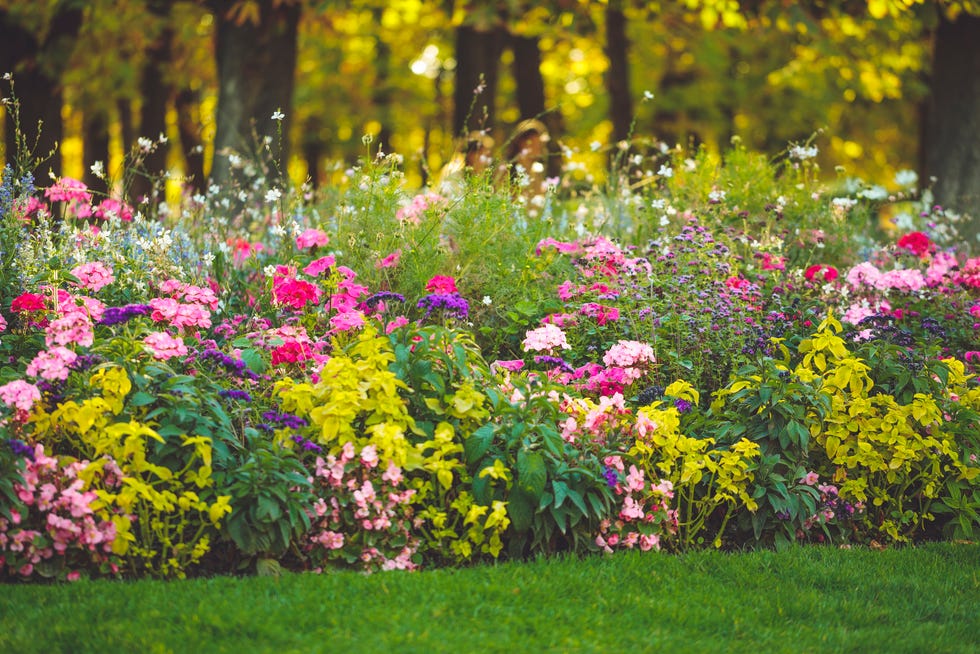
Eva-Katalin//Getty Images
Think flowers of all shapes, sizes and colors. The more you can plant, the better. “Flowers are food for bees! The more diverse your garden is, the more diverse your pollinators can be. Some flowers, like sunflowers, have even been shown to be helpful in preventing or treating certain diseases in bees,” says Leger.
2. Go native.
“Bees need nectar and pollen to feed themselves and their babies. Plant a variety of native flowering plants — trees, shrubs, annuals and perennials — that bloom throughout the growing season. In the spring, native oaks, maples and fruit trees can be a beautiful choice. One tree can have a meadow’s worth of flowers! In the late summer and fall, locally native asters and goldenrods can provide beautiful colors for your garden and food for many bees,” says Laura Rost, national coordinator at Bee City USA.
If you’re not sure which flowers to plant, Rost suggests checking out Xerces Society’s pollinator plant lists for every area of the country.
3. Garden with wildlife in mind.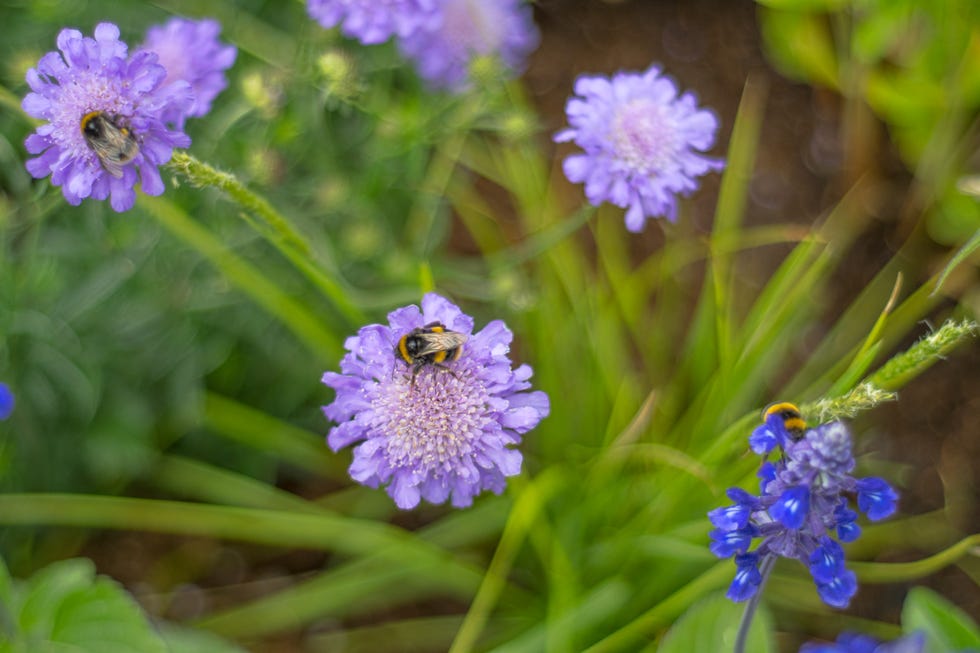
By Eve Livesey//Getty Images
Of course, you should feel proud of your garden and enjoy spending time out there, but it’s important to consider the bigger picture, too. Your garden should also serve pollinators and other wildlife as best it can, even if that means planting a few flowers or trees you wouldn’t normally choose.
Related Story4. Limit pesticides.
“Pesticides are one of the leading causes of bee declines. Pesticide residues can persist on plants and can affect bees long after their application,” says Leger. Still, it can be frustrating to see pests eating all of your fruits and veggies you worked hard to grow. Luckily, there are natural pesticide alternatives you can try instead.
“Embracing alternative pest control practices like encouraging natural enemies (ladybugs, praying mantises, etc.) and using insecticidal soap or cayenne pepper can help deter pests while keeping your plants safe for bees to feed from,” she says.
Related Story5. Provide a safe habitat. 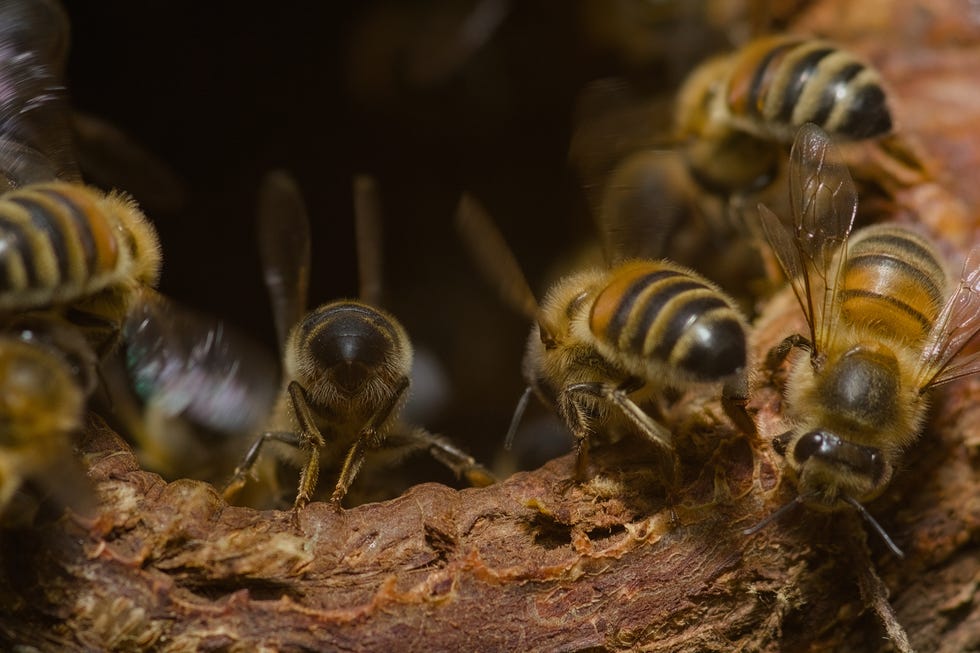
Patrice Skrzynski / 500px//Getty Images
While you might think all bees come home to a large nest after a long day of foraging, experts say that isn’t always the case.
“Bees nest in a diversity of ways. Some make nests in the soil, some in tree cavities and some are cavity nesters and use hollowed out branches or twigs to make their nests. Many of these bees are also solitary, meaning they do all the work of laying eggs, as well as providing shelter and food on their own. Providing bee hotels or leaving that pile of scrap wood in your yard can promote nesting. If they nest in your garden, they are likely pollinating your garden too,” says Leger.
6. Get your community involved.
While your own garden is a great place to start, spreading the word is the next step. “In order to save the bees, it’s important to get your community involved,” says Rost. Share your favorite native flowers with neighbors or put a yard sign encouraging others to create a pollinator habitat on their own property.

Laura Millar (she/her) is the assistant lifestyle editor for Good Housekeeping, where she covers home design. Prior to joining Good Housekeeping in 2024, she wrote for NBC’s TODAY.com, where she covered everything from entertainment news to pop culture updates.
Comments are closed.