
Zone 7A, NE Oklahoma USA.
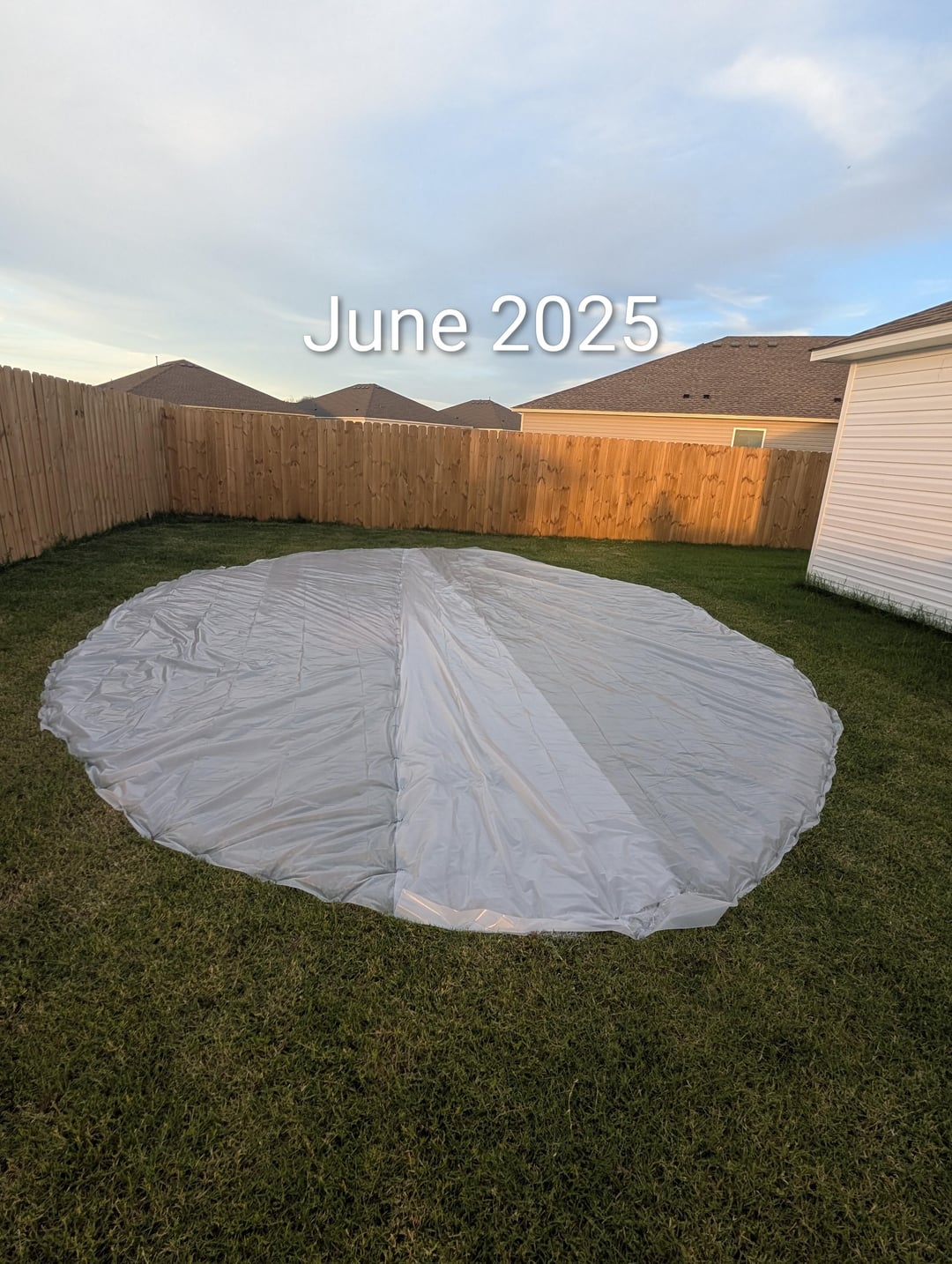
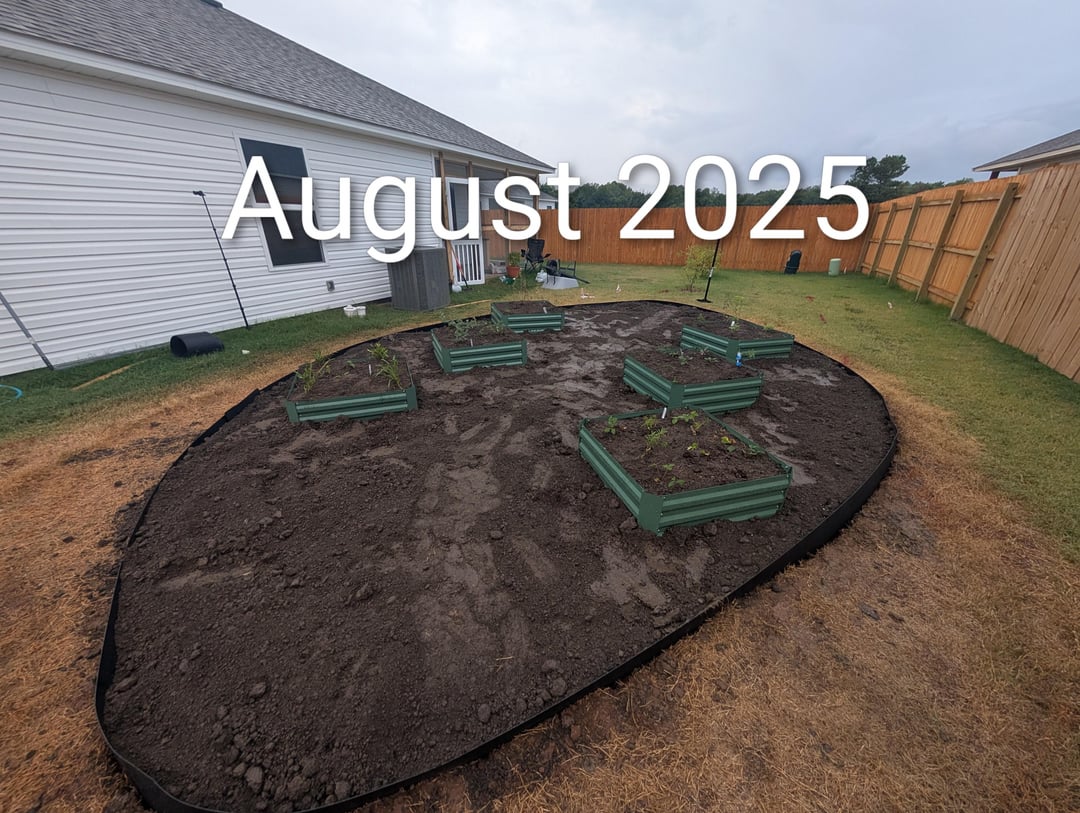
I jumped in on this garden last summer. Solarized it, spent too much $ on dirt and plants. I REALLY had to learn patience because my core garden is 99% native perennials that are sad looking their first year.
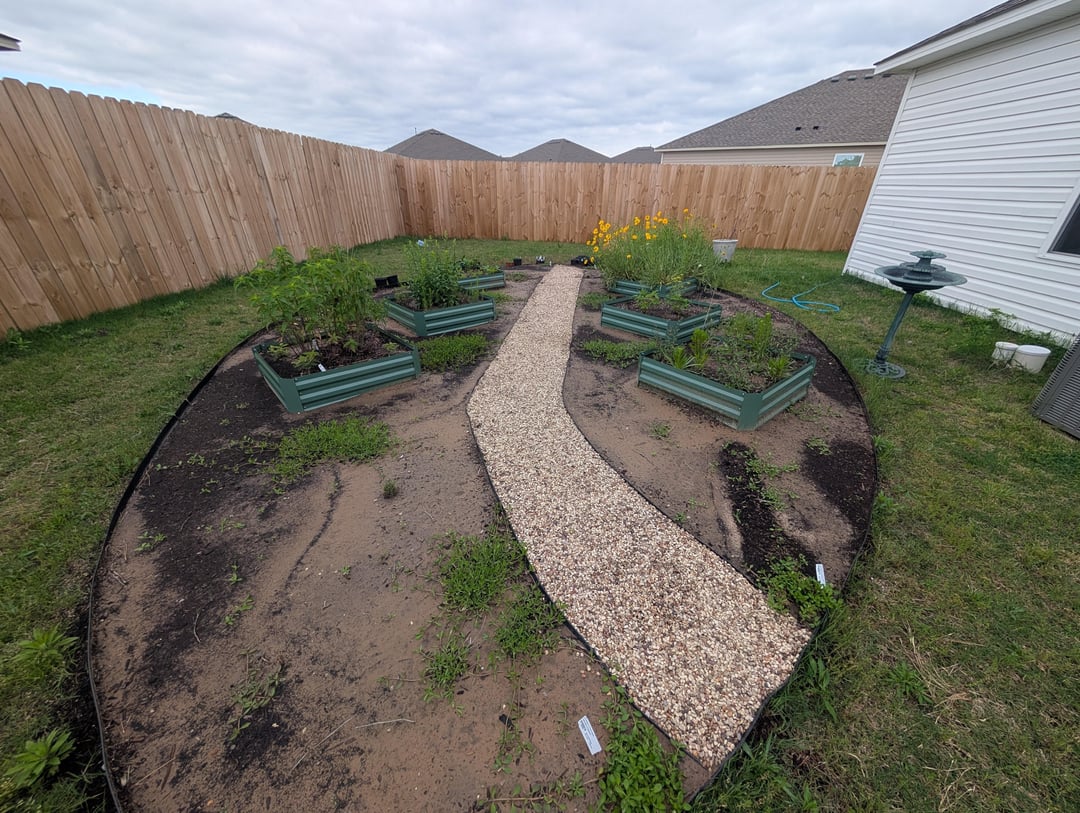
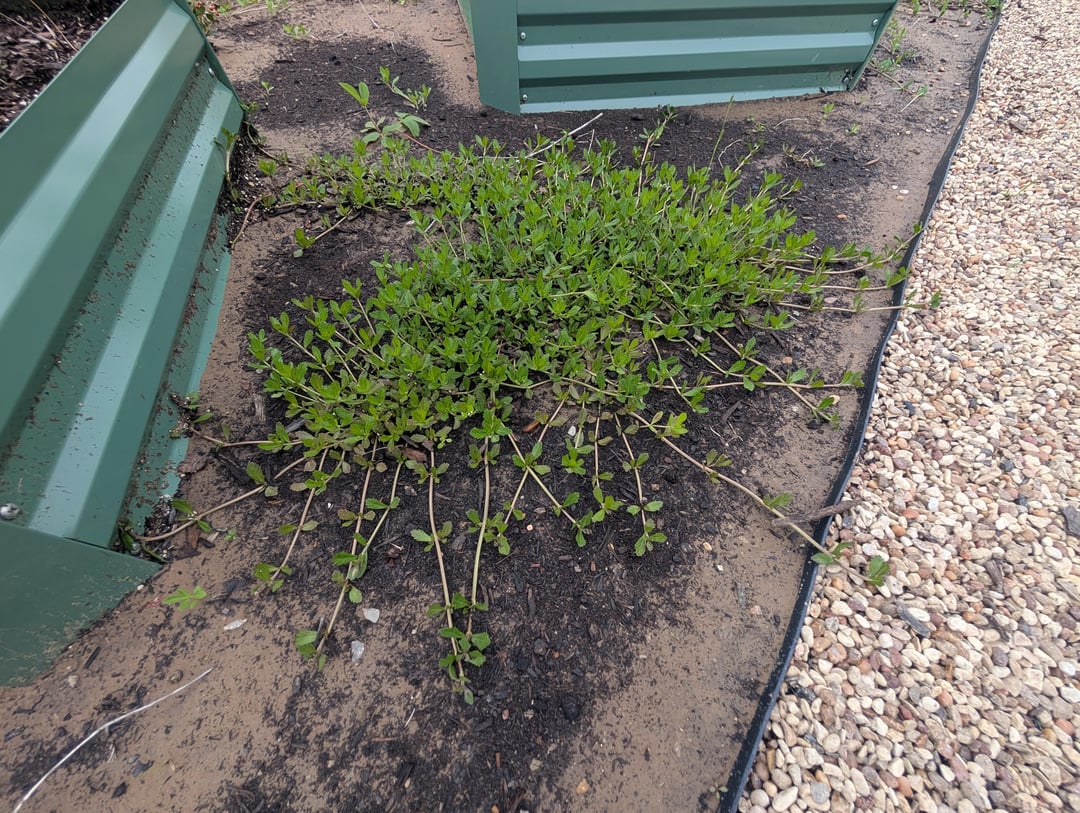
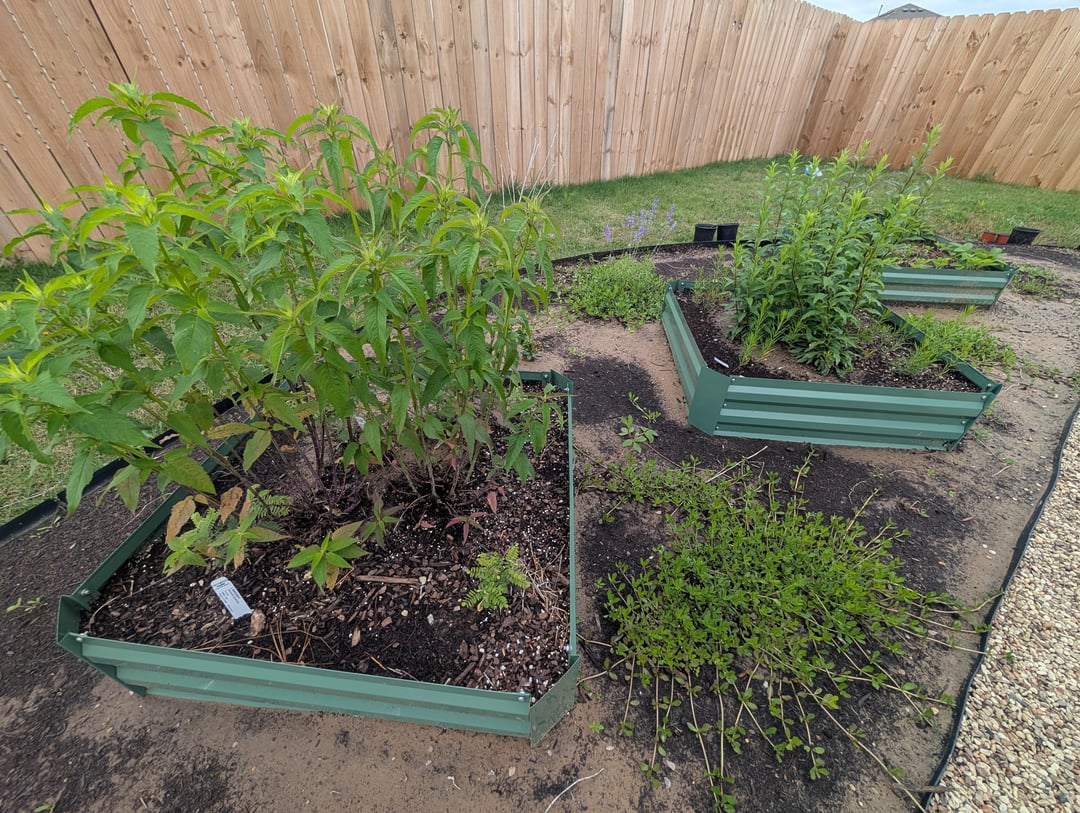
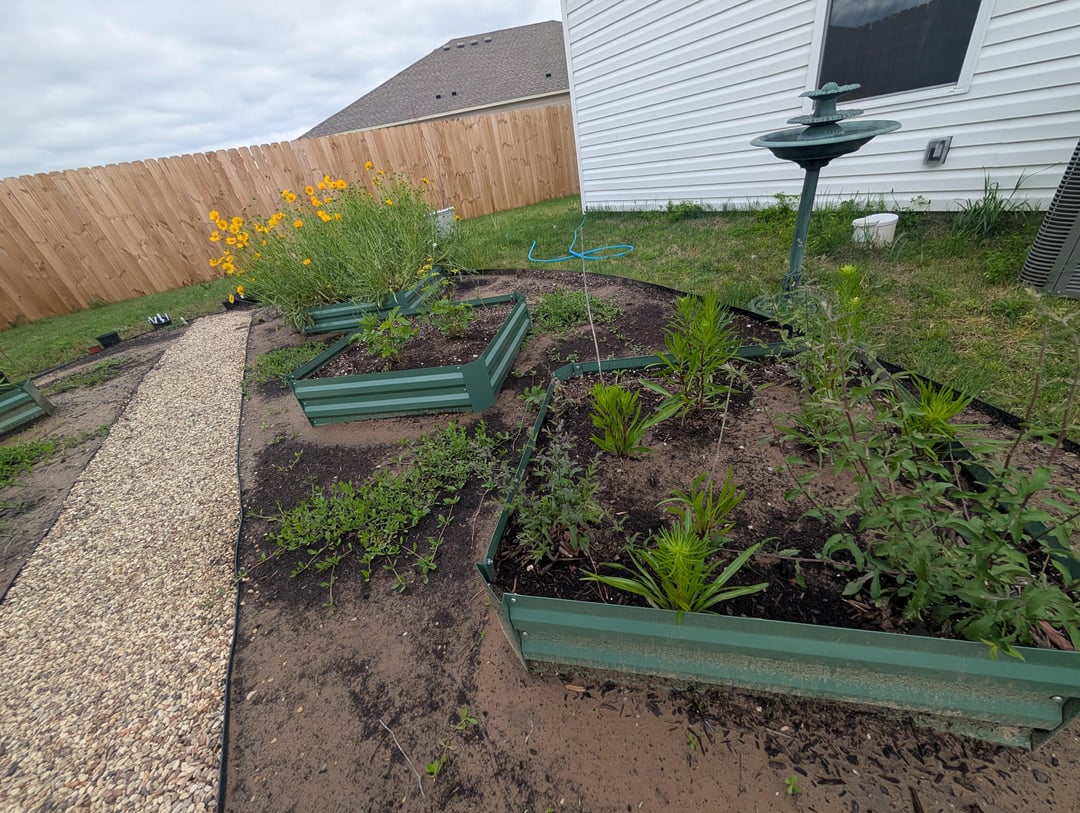
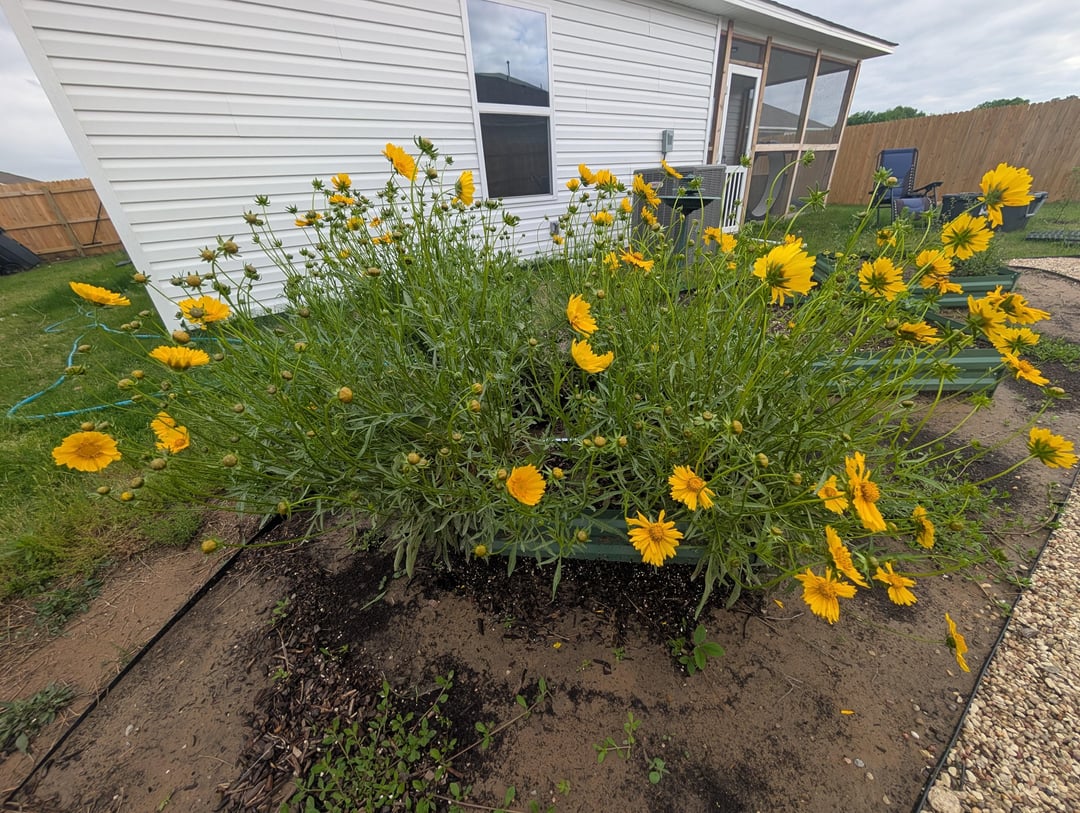
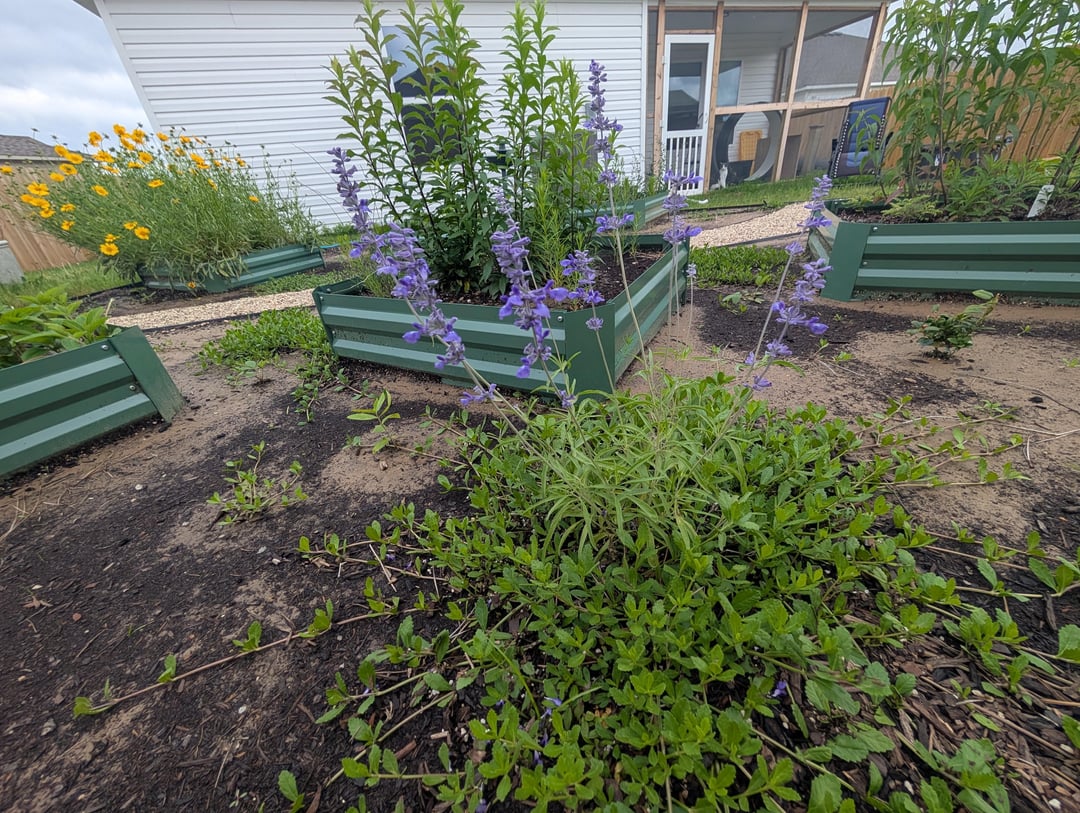
Between my milkweed quadrant and my quickly-spreading frog fruit ground cover, it's finally awake! My only issue is that my Lanceleaf coreopsis is so successful, it's starting to choke out my coneflowers! That mealy cup sage was not planned, it just showed up. I am hoping all of the dirt is covered by frog fruit by end of year.
For anyone that wants to do this, you need lots of patience, and large gardens cost a lot. It hurt my wallet last year. But worth it?
Plants pictured: bee balm, lead plant, pitcher sage, frog fruit, mealy cup sage, whorled milkweed, delicate goldenrod, green milkweed, butterfly milkweed, wild strawberry, swamp milkweed, Lanceleaf coreopsis, purple and pale purple coneflowers (for now lol), golden Alexanders, still dormant prairie petunias (might be dead), late purple aster, rough blazing star, dense blazing star (my only non native that I know of)
by Fish_Brownies
1 Comment
Hey NE Oklahoma neighbor! It’s looking good!
I am curious about the large areas of ground cover. Is it more for aesthetics or something else? You could easily fit more cool plants in the non-raised parts of the bed.
Also, if you’re looking to add more plants in the future, I highly recommend Bluestar (Amsonia illustris), it’s my favorite native plant that I’ve grown. Super well behaved, sort of a bush shape but not woody; if it gets too tall you can cut it back in June and it’ll stay shorter and get even more bushy. Seems very content with various sun amounts and water conditions. Very reliable perennial