
Weeds growing in mulch
While a more common contaminant in organic than inorganic mulches, all mulches carry some potential for weed introduction to the garden. If you are making your own compost, you can monitor it and make sure you are cooking it hot enough to kill weed seeds. If you buy from a reputable source, you’re usually safe. If somebody offers you a truckload of free mulch and a bridge in Brooklyn, probably best to pass on it.
How thick should my mulch be?
One of the key barriers to success with mulch is laying it on too thickly. No matter what product you use, the thicker you put it down, the more you impede water and air movement. Decreased rain/irrigation penetration and decreased gas exchange lead to a downward spiral of tree health.
Regardless of what mulch you use, a good goal is to maintain about a 2-inch-deep layer of mulch. That doesn’t mean add 2 inches of mulch each year. It means check what’s still there from the last application before you add anything new.
Organic mulch materials

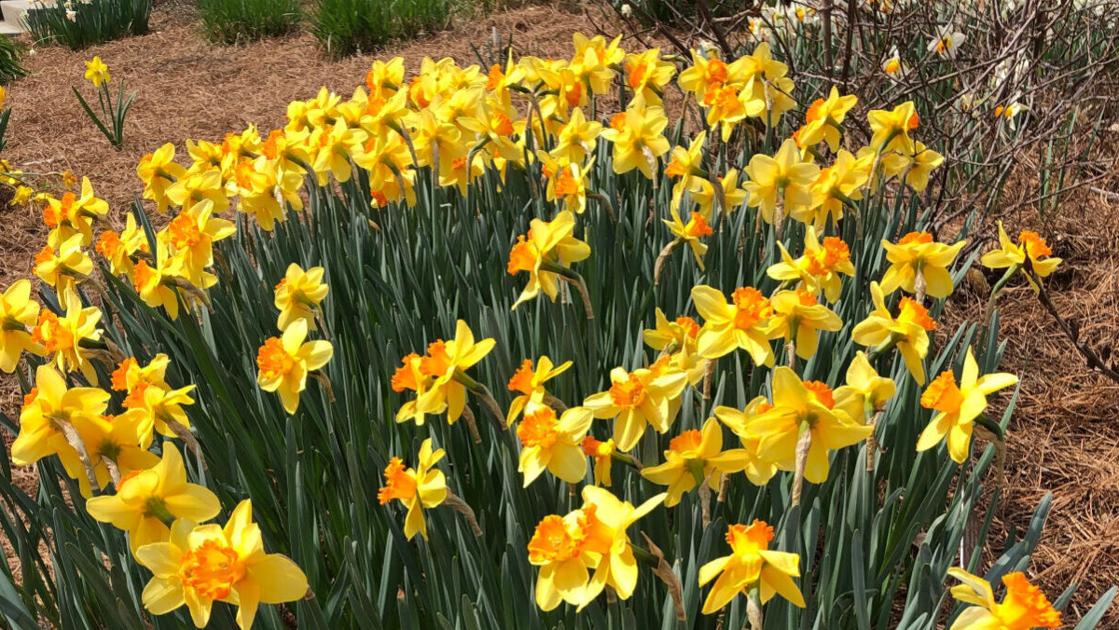
Pine straw mulch is easy to spread and good for roots and soil.
Yew Dell Botanical Gardens
Shredded hardwood bark: One of the most common mulches found in most parts of the United States, but it is not one of the best. It has a tendency to form a dense mat of fibrous material, which is great for discouraging weeds but becomes a barrier to water penetration. The more it is composted before use, the better.
Processed pine bark: A lumber industry by-product available in a range of sizes. The largest — chunks a few inches in size — are not particularly useful as mulch. They don’t hold in much soil moisture in summer, don’t keep weeds down and will float away in the gentlest of summer rains.
Comments are closed.