
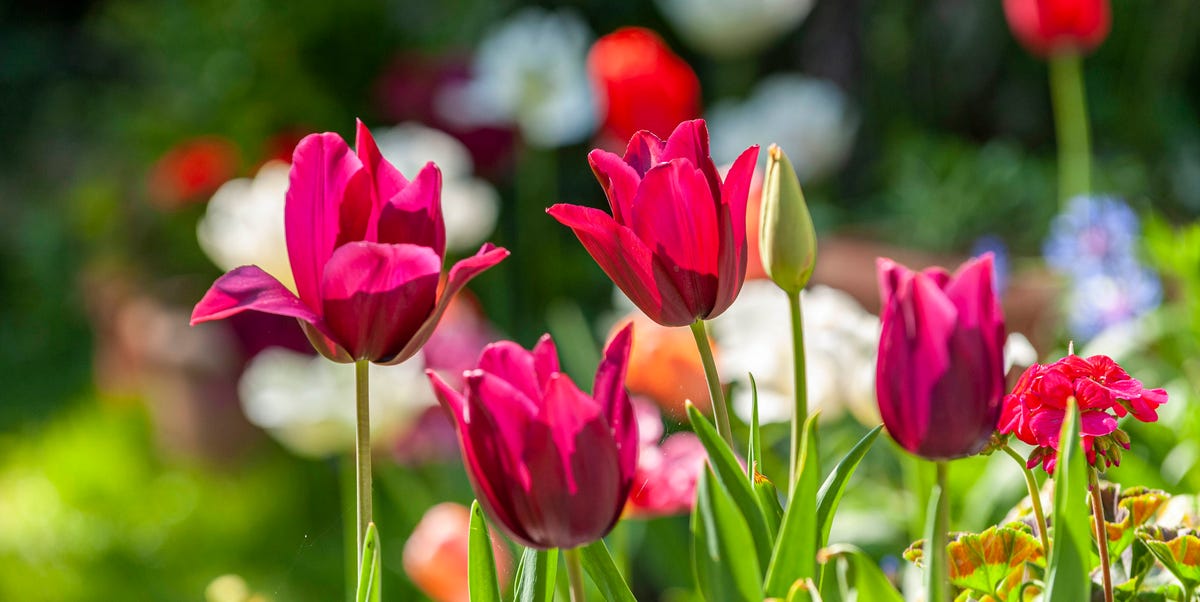
There are few things in the garden as satisfying as tulips at full tilt. You get a few weeks of colour and structure, then they’re gone almost as quickly as they arrived. What’s left is a patch of yellowing leaves and the question of what to do next.
That part matters more than most people realise. What you do in the six weeks after flowering decides whether you get a good display next spring – or nothing much at all.
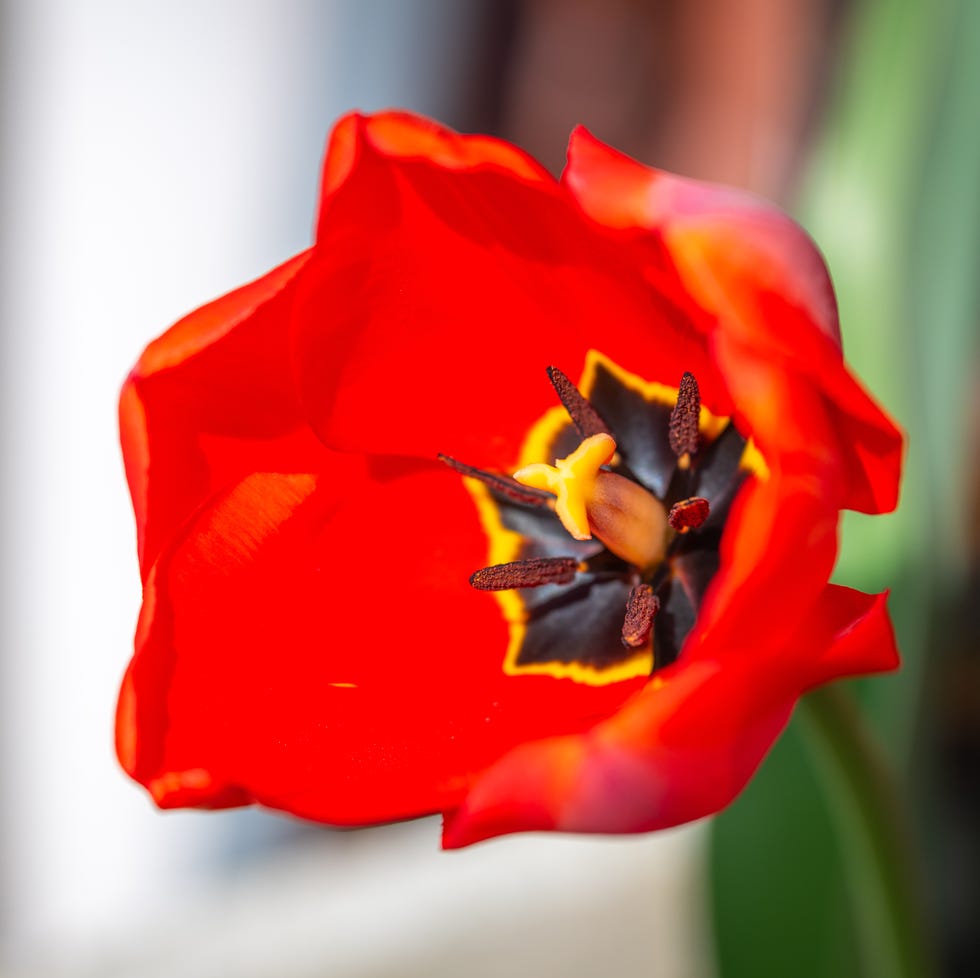

George Pachantouris//Getty Images
Deadhead tulips as soon as petals drop
As soon as petals start to fall, snip off the flower head just above the leaves. Once a seedhead starts forming, the plant shifts its energy into making seed instead of building the bulb back up.
As Monty Don puts it: “Deadhead them once they are past their best. This will stop the development of seed so that all the energy goes into forming new bulbs for next year’s flowers.”
Don’t cut the leaves back early
This is the bit most people get wrong. The foliage looks untidy and it’s tempting to clear it away, but cutting it back too soon shows up next spring.
Those yellowing leaves are still doing a job, sending energy back into the bulb while there’s any green left. As David Trinklein, horticulture specialist at the University of Missouri Extension, explains: “The plants are collecting the groceries for next year’s flower.”
The RHS advises waiting until the leaves have completely died back, which usually takes around six weeks after flowering. If there’s still green in them, leave them alone.
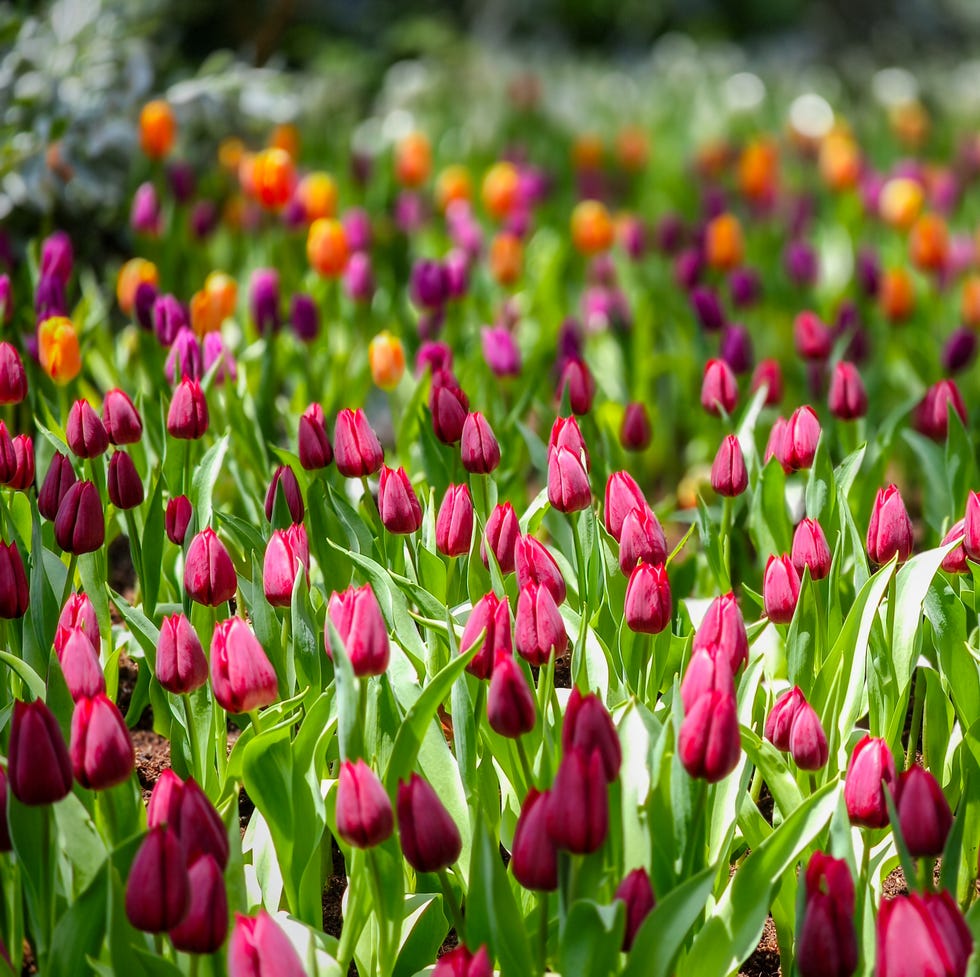
Prasit photo//Getty Images
Lift and store bulbs if you want reliable re-flowering
The RHS recommends lifting and storing bulbs if you can. It recreates the dry summer rest tulips need and improves your chances of getting flowers again.
Wait until the foliage has fully died back, then lift the bulbs, brush off the soil and get rid of anything soft or mouldy. Leave them somewhere dry until the skins turn papery, then store in a cool, ventilated space until autumn.
Not all tulips actually need to come up. Darwin hybrids and Kaufmanniana types are usually happy left where they are, particularly if your soil drains well. It’s really only heavy, waterlogged ground that causes problems, that’s what rots the bulbs over summer.
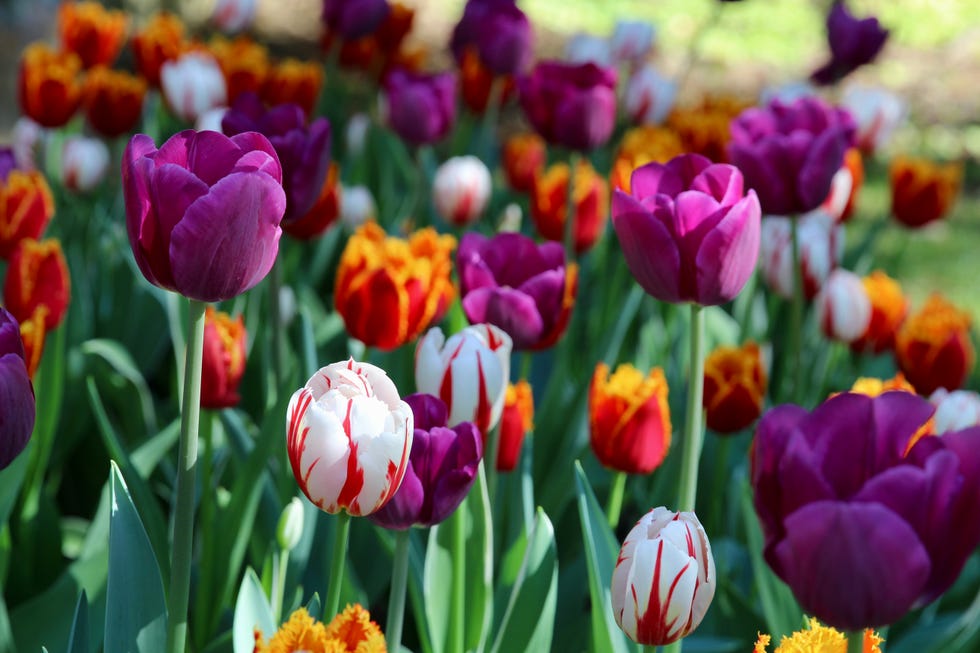
Cyndi Monaghan//Getty Images
Feed tulips while the leaves are still green
While the leaves are still active, give them a weekly liquid feed. Tomato feed works well because it’s high in potassium.
Keep going until the leaves start to yellow, then stop. If your tulips have been disappointing in previous years, this is often the missing step. The RHS says feeding at this stage boosts the nutrients returned to the bulb, helping to form flowers for the following year.
Gardening must-haves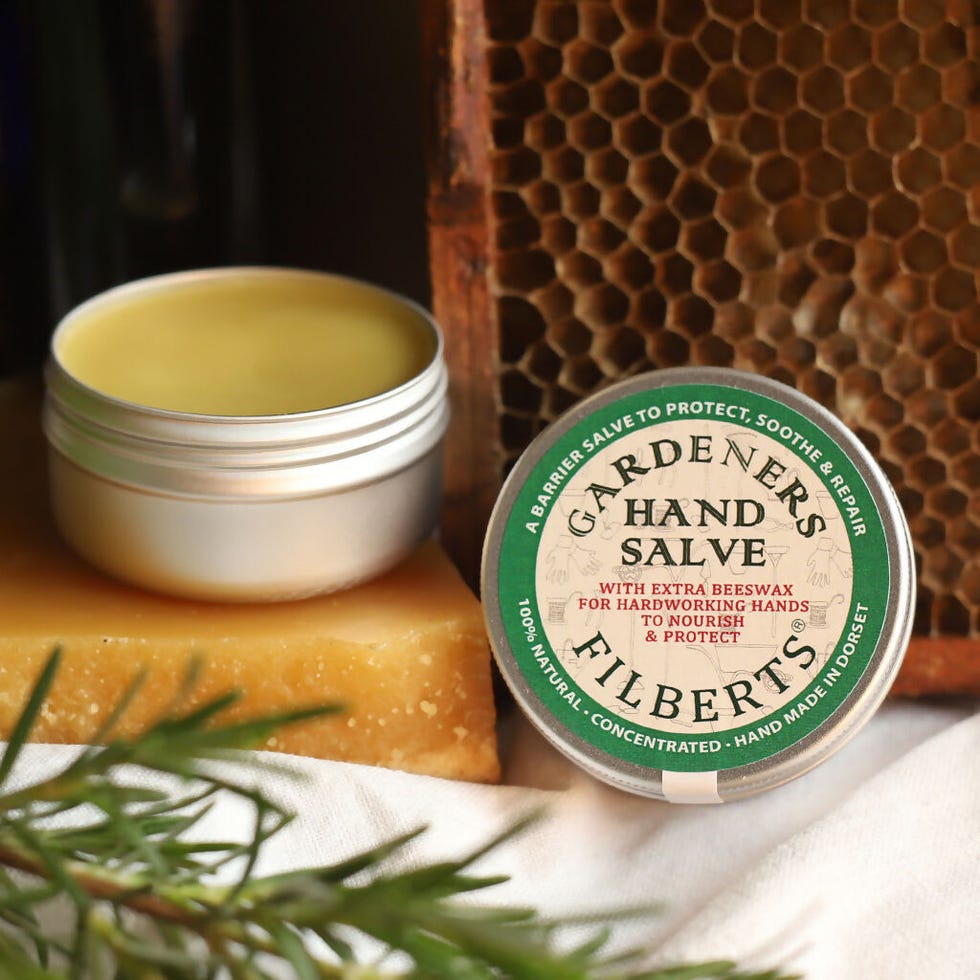 Filberts of Dorset Gardeners Hand Salve
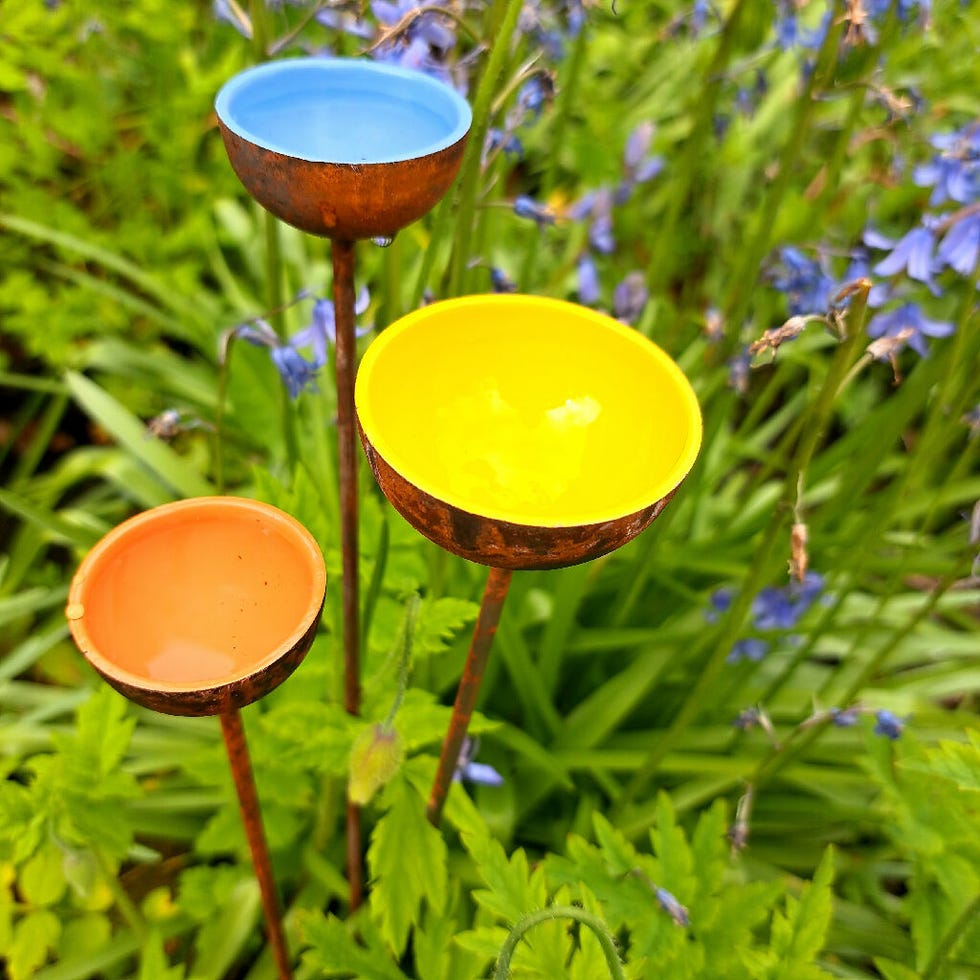 Haywards Garden Bee and Butterfly Water Stations, Garden Décor, set of three colourful bee water cups .
Now 17% Off
 Home Sussex Handmade Peg Apron
 Painted Garden Label/Marker
 The Fae Potter Wild Bird Feeder ceramic hanging
 WhinnyPoo WhinnyPoo Box of 3 Plant Feed
Comments are closed.