
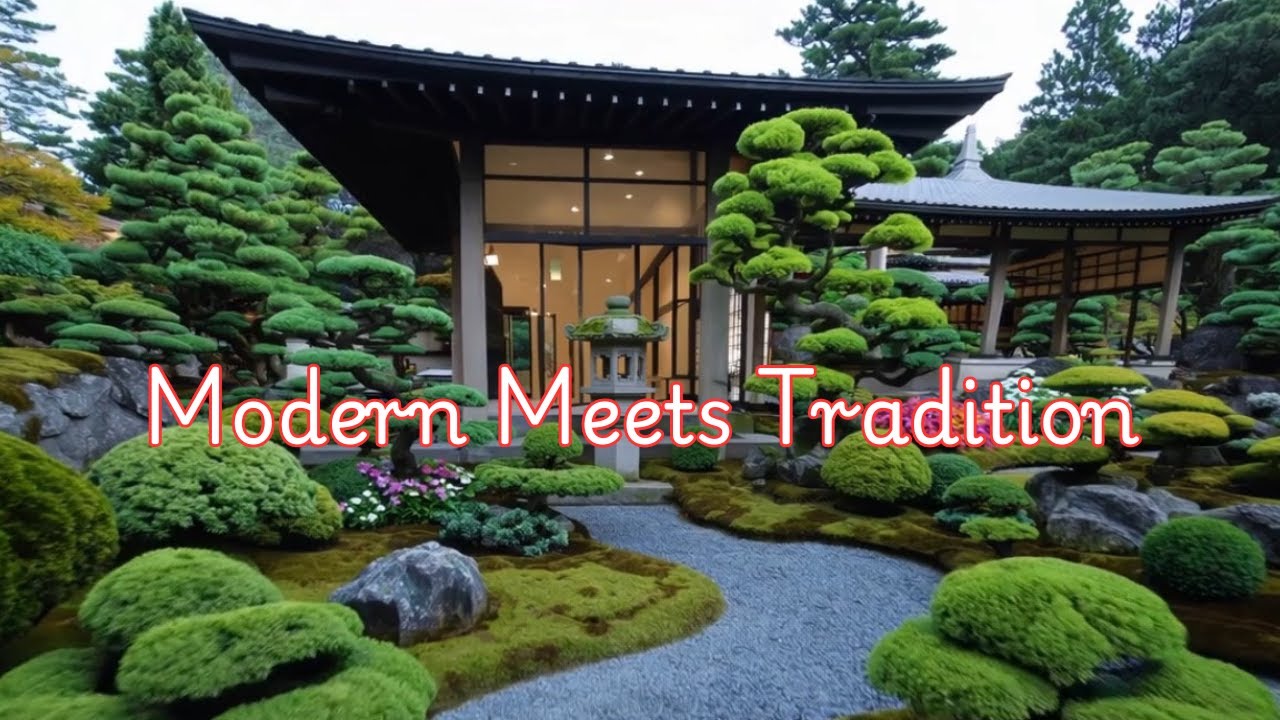
Explore Japan: Modern & Traditional Japanese Garden Architecture
📥Free PDF: Beginner’s Japanese Garden Guide → https://sakurandstone.systeme.io/beginnersgardenguide
Step into a first-person, 4K visual journey where architecture shapes serenity—traditional and modern tea houses, breezy pavilions, moon-viewing decks, water’s-edge rooms, refined sukiya-zukuri villas, shoin halls, and the covered walks that stitch scenes together. Watch how wood, glass, water, and shadow turn a garden into living chapters.
What you’ll see:
Traditional & modern tea houses (chashitsu / sukiya-style and glass-modern)
Pavilions (azumaya) for shade, breeze, and framed views
Moon-viewing decks (tsukimi-dai) with reflection shots and waterfall hush
Water’s-edge rooms that skim the rill for immersive soundscapes
Shoin viewing hall & Sukiya-zukuri villa details (engawa, joinery, textures)
Covered walks (kairō / engawa) that reveal the garden one scene at a time
Why it matters:
Japanese garden architecture isn’t decoration—it’s choreography. These structures guide pace, frame sightlines, and tune the sound of water and wind for calm, year-round.
If this helped you exhale, tap Like, Subscribe, and share it with a friend who loves Japanese gardens. Tell me your favorite structure in the comments!
#japanesegarden #gardentour #zengarden #landscapedesign #japanarchitecture
Music by Piotr Witowski from Pixabay
3 Comments
Beautiful inspiring film, I love zen gardens ❤
If a garden had chapters, these are its pages—tea houses old & new, pavilions, moon decks, water’s-edge rooms, a shoin, a sukiya-zukuri villa, and the covered walks that stitch them together. Which one stole your heart—Team Modern or Team Traditional? Tell me your favorite structure below! 🌙🏯💧
📥Free PDF: Beginner’s Japanese Garden Guide → https://sakurandstone.systeme.io/beginnersgardenguide
놀랍고 아름다운 정원입니다.