
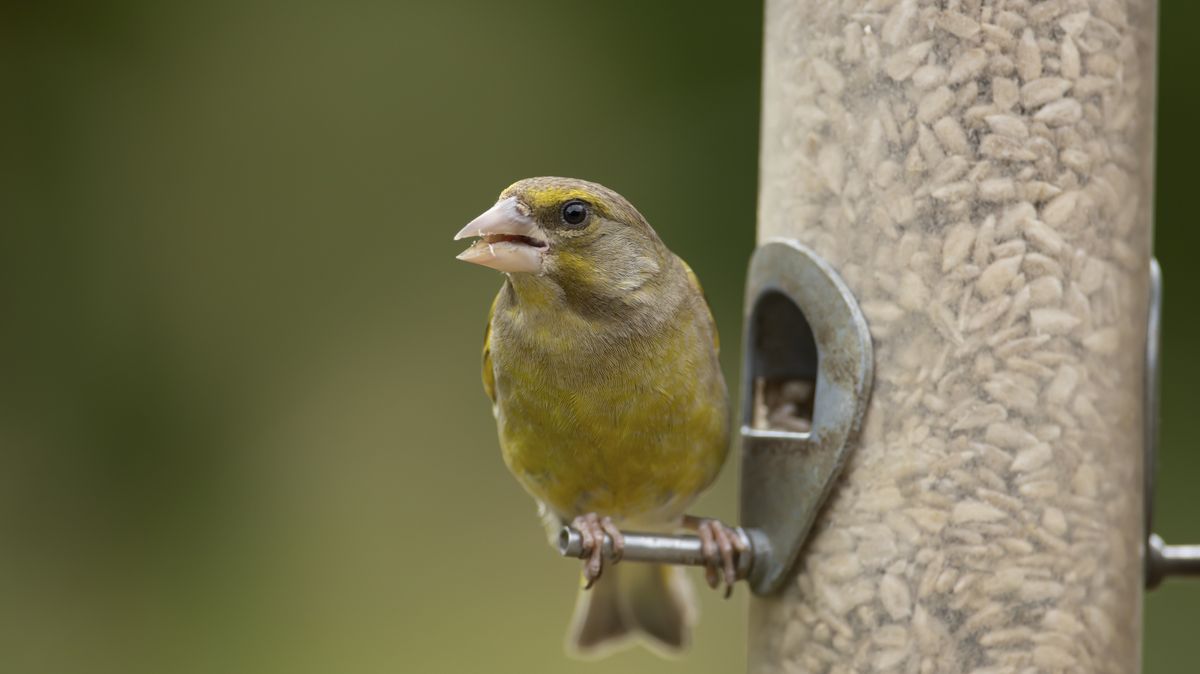
Bird experts are urging gardeners to clean feeders carefully after disease linked to declining greenfinch numbers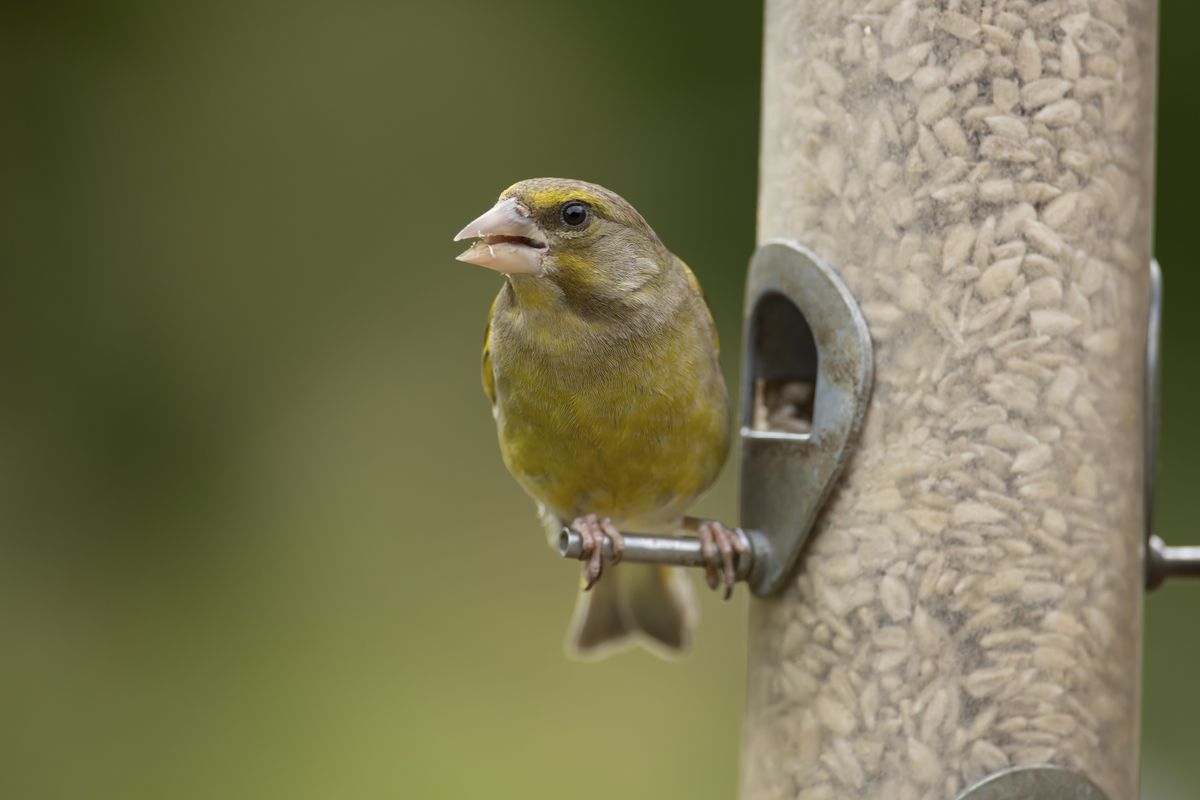
Bird experts are warning gardeners to take care with bird feeders due to risk of trichomonosis(Image: Getty Images)
Bird feeding experts are warning gardeners to take extra care with garden feeders after concerns from the RSPB about the spread of trichomonosis, a disease linked to sharp declines in some garden bird populations.
According to conservation data, greenfinches for example have fallen by more than 65 percent over the past three decades, with disease transmission at feeding stations believed to be a contributing factor.
Richard Green, a bird feeding specialist from Kennedy Wild Bird Food & Pet Supplies, has outlined the key warning signs a feeder may be contaminated and explained how gardeners can reduce the risk to visiting birds.
One of the most visible indicators is illness in finches, particularly eye infections.
“Finch eye conjunctivitis is a clear indicator that your bird feeder may be harbouring disease. Symptoms to watch for include birds with swollen, crusty eyes, difficulty seeing, and unusually subdued behaviour.”
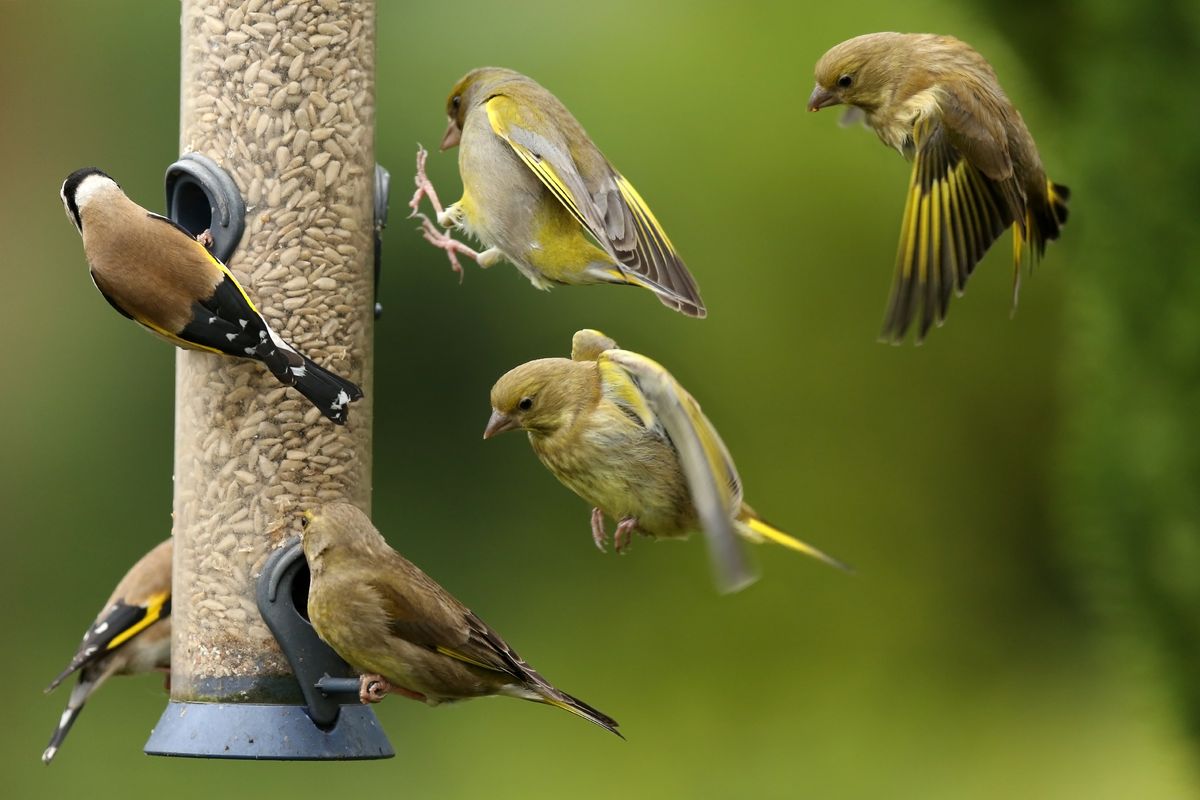
Bird feeding expert Richard Green has explained the signs of infected feeders and how to protect birds(Image: Getty Images)
He also warned food left on the ground can be a major source of infection spread, particularly with parasites such as trichomoniasis.
“Discarded food around the feeder can quickly become contaminated, especially with diseases like Trichomoniasis. Infected birds drop food with the parasite, which is then picked up by others, spreading the disease. If you see food left on the ground, it’s a sign the area may be spreading infection.”
Feeder hygiene is another key issue, with damp conditions and leftover waste creating an environment where bacteria and fungi can thrive.
“Bird feeders that are left damp or dirty can become breeding grounds for fungal infections like Aspergillosis and bacteria such as Salmonella. If you notice mouldy conditions or excessive droppings around the feeder, these are clear signs that your feeder is at risk of spreading disease.
“Regular cleaning to remove old food, droppings, and any standing water is important to prevent this.”
Food quality is also important, with experts warning that spoiled seed can quickly become harmful.
“Discard any food that smells musty or damp, and avoid using food with condensation inside the packaging. By making these small adjustments, you can create a safer feeding environment for birds and reduce the risk of disease.”
Seed should also be refreshed regularly, particularly during wet weather when mould growth is more likely.
“Birdseed should be replaced regularly, especially if it becomes wet. Wet seeds are prone to mold, which can be harmful to birds. If you notice that your feeder isn’t being visited frequently, try moving it to a new location or offering a different type of seed to attract more birds.”
Overcrowding at feeding stations is another factor increasing disease risk, as close contact allows parasites to spread more easily.
“Feeding stations that are overcrowded not only stress birds but can also make them more susceptible to disease. When birds are jostling for space, they are more likely to spread parasites like mites, lice, and ticks, which can cause further health complications.
“To reduce these risks, it’s a good idea to spread food across multiple feeders and avoid overcrowding in one area.”
Certain species are considered more vulnerable due to their behaviour and flocking habits.
“Certain birds such as Greenfinches, Chaffinches, Siskins, House Sparrows, and Collared Doves, are often more vulnerable to diseases. This is mainly because of their social nature and tendency to feed in flocks, which increases close contact and makes it easier for illnesses to spread.”
Cleaning routines are also crucial, with experts recommending careful disinfection to reduce the spread of infection.
“It’s important to use the right precautions to avoid health risks when cleaning your bird feeder. Wear disposable gloves and soak the feeder in a diluted bleach solution to thoroughly disinfect it. Be sure to rinse it well and allow it to dry completely before refilling it with seed.
“The amount of times you clean your bird feeder should be adjusted based on how often it’s used. For busy feeders, clean them every two to three seed refills. If you notice any signs of disease in the birds around your feeder, it’s important to clean and remove the feeder for at least two weeks to prevent further transmission.”
For those unable to maintain regular cleaning routines, alternatives can still support local wildlife safely.
“If you’re unable to clean your bird feeder regularly, consider alternative ways to support wildlife, such as installing nest boxes, planting native plants, or leaving natural areas in your garden undisturbed. These options provide birds with safe spaces without the risk of disease transmission.”
Comments are closed.