
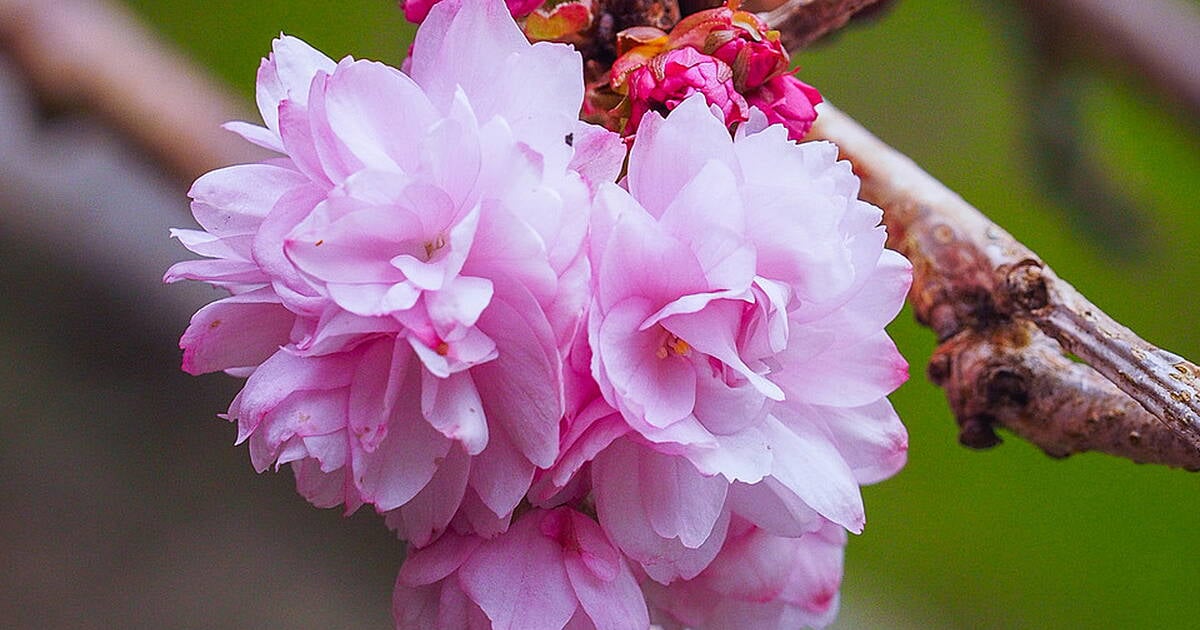

Magnolias and camellias are the early starters, that were flowering long before other trees and shrubs. In April, plenty of other trees start to catch up. Flowering cherry trees are a delight with their powder puff balls of flowers. They are popular additions to any garden and come in a range of flower forms and sizes. Blossom can be so profuse in a good year that it clothes all the bare branches.
Drive through a housing area of any town or city and you will enjoy the treat of some flowering cherry trees growing in the gardens and hanging over walls. Cherry blossom walks are planted in some formal gardens. Go and enjoy the sight where you can, and maybe you will be tempted to plant a flowering cherry in your garden. Buy one in a pot if planting at this time of year. It may well be in flower, so you don’t have to wait until next year for first blossom.
Some fresh things to eat
There may still be cabbages, spinach, kale, leeks, chard and salad leaves growing in your garden. And you may still have stores of potatoes, carrots, onions, garlic and other vegetables. These are all delicious and are some star performers through the winter. But there’s nothing quite like the first fresh new crops of the year as they come ready in April.
Purple sprouting broccoli is one of the star performers at this time of year. Plants can keep cropping over several weeks, provided you pick the shoots when they are big enough and before they flower. Sprouting broccoli can take a year from sowing to cropping, but it is so delicious that it is worth the time and small amount of effort. You won’t buy sprouting broccoli in shops, that is anywhere near the fresh-picked texture and taste. Give it a try – buy and sow seed now, so you can be sure of your own harvest next year.
Mangetout peas are the other delicious arrival of the season. If you sowed them in a polytunnel or greenhouse last autumn, or even under a cloche outdoors, they should have survived through the coldest weather and put on a spurt of growth with some spring warmth. Plants need support as they grow quite tall. They may be around 60-90cm or so at this stage and many varieties will double that before they are done.
There should be lots of flowers on plants now and also plenty of pea pods. Keep picking them while they are young and fresh – eat them raw in salads or lightly stir fried.
Note: Mangetout peas are usually eaten while pods are flat. If left to swell peas, these turn starchy quite fast. Sugar pod or sugar snap varieties are eaten as whole pods, but usually when the peas inside have swelled to sweet balls. Both are delicious. I find mangetout are slightly more winter hardy than sugar snaps, although both can do well in a polytunnel or greenhouse in an average winter.
 Mangetout peas ready to pick.
Climbing beans
This is a good time to sow runner and climbing French beans. It’s best to sow in pots under cover at this stage, as both these beans can be killed by frost. Young plants can be planted out when temperatures are more settled. If you want to try sowing direct outdoors, you may get a good early crop, but you also run the risk of losing plants if there are hard frosts at the time when the young plants emerge. Cover the row with crop cover, or horticultural fleece, to provide an extra layer of protection.
Harden off tomato plants
I usually plant out tomatoes at the end of the month. Plants that have been raised in a propagator, or with extra heat, should be hardened off over the next week or two. This can be as simple as moving pots out of the heated environment during the day and replacing them at night. Or you may just provide extra covers at night without adding extra heat.
The aim is to avoid shock to young plants, which may halt growth, while also acclimatising them to their future growing conditions.
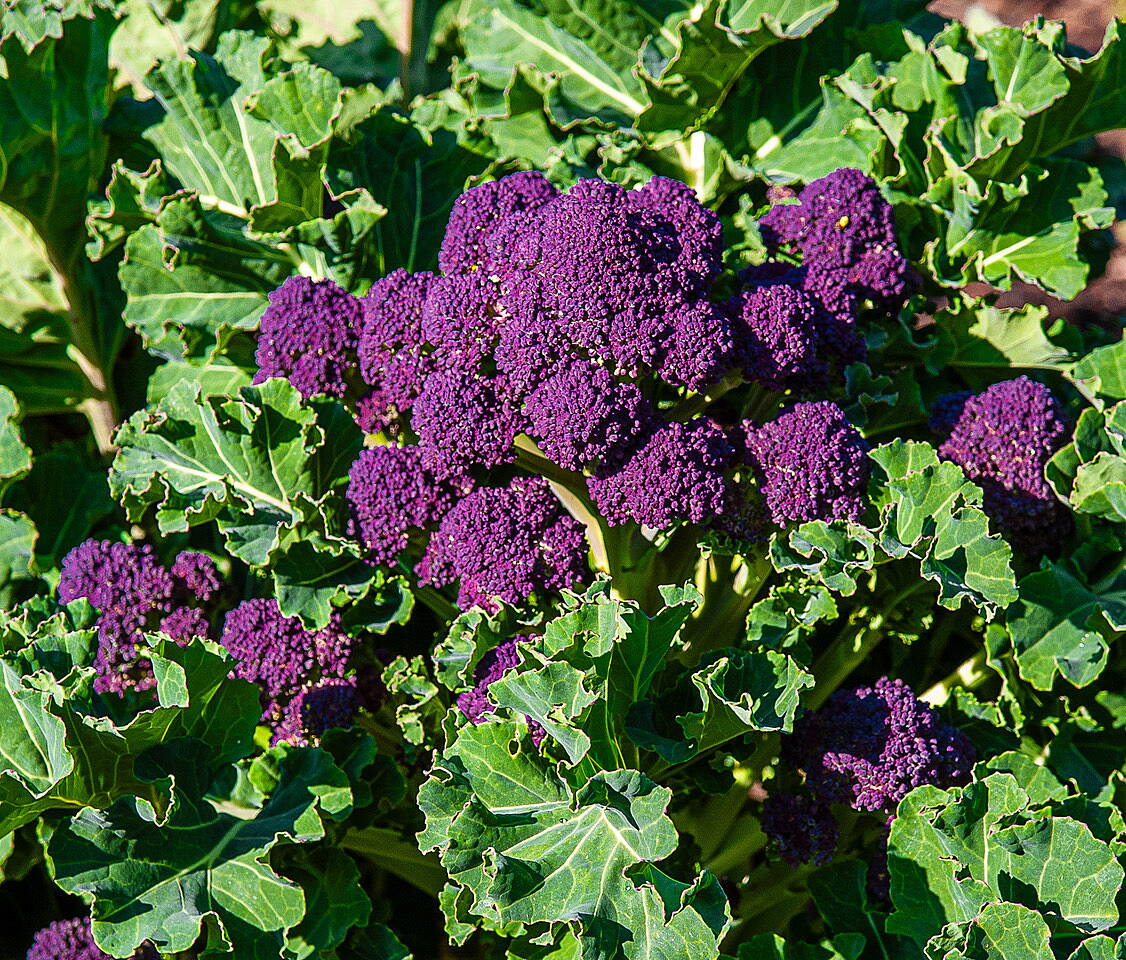 Sprouting broccoli is a delicious treat.
A note on ants
These can be a real problem in a warm, dry, growing space. Large colonies can form under heat mats and propagators before you notice they are there. Ants seem to love tunnelling in the compost of tomato pots. Pick up the pots and check for signs. You may have to tip the root-ball out to find tunnels. Ants love dry soil, and they avoid wet conditions, so be sure to soak everything well in order to drive the pests away.
Plants can fail if ants aerate the roots too much. These pests also support greenfly colonies, which bring a whole different lot of problems.
Comments are closed.