
Garden season is officially in full swing — and with it comes a fresh crop of missteps that make local landscapers wince. We asked gardening and landscaping pros around town what they really dislike seeing in a yard, and what homeowners can do to avoid the same pitfalls. Here’s what they told us.
Mary Deweese, principal landscape architect, Acorn Landscape Architecture
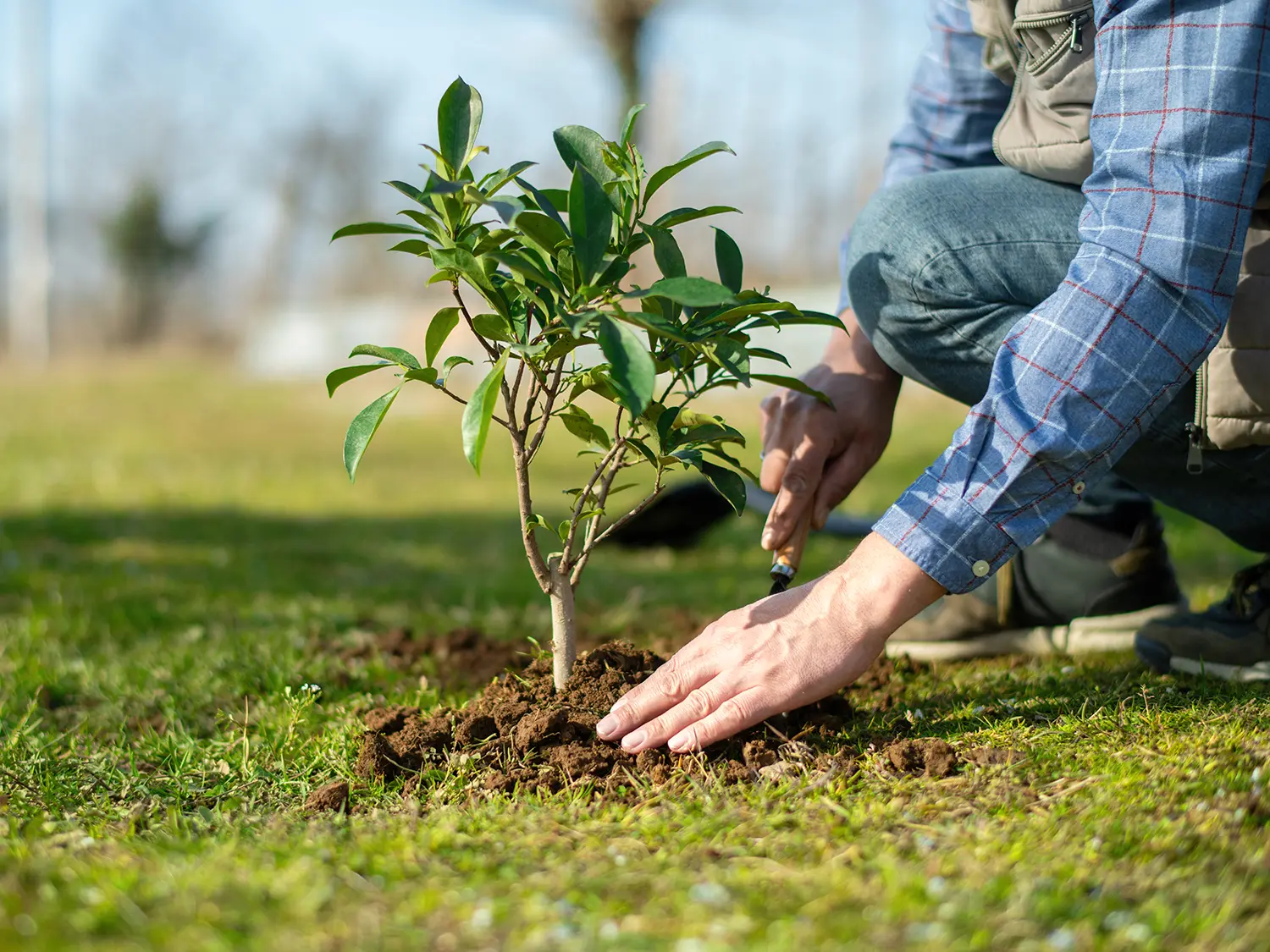
“Most trees are planted too deep. If it looks like a pencil sticking out of the ground, it means you probably planted too deep because there is supposed to be a root flare at the base [the area between the trunk and the roots]. If anything, a tree should be planted a little bit high. Planting too deep shortens the average life of the tree, it can cause girdling roots and other problems down the line.”
When removing new trees from nursery pots for planting, Deweese recommends pulling all the dirt away from the trunk until the root flare is exposed. This provides a visual cue during the planting process. Mounding mulch against tree trunks is also a common mistake and a secondary pet peeve.
“Mulch should be more like a donut, where it doesn’t really touch the bark and it lets the root flare be exposed. It covers the root ball, but you really don’t want it to cover any part of the trunk.”
Get a weekly dose of home and style inspiration
Subscribe to the St. Louis Design+Home newsletter to explore the latest stories from the local interior design, fashion, and retail scene.
We will never send spam or annoying emails. Unsubscribe anytime.
This site is protected by reCAPTCHA and the Google Privacy Policy and Terms of Service apply.
Ethan Wise, owner/horticulturist, The Flora Foundry
“My biggest frustration will always be improper chemical use or blindly using chemicals, whether it’s pesticides or fertilizers. Over-application of fertilizers can cause problems that take longer to fix than the problem you may have been trying to solve in the first place. When I’m asked to identify issues in people’s lawns or garden beds, I almost always encourage and explain the benefits of performing a soil analysis test. The results help identify problem areas, and specifically focus on those as opposed to a blanket application of fertilizers that may be hindering instead of helping.”
Wise warns that pesticides are even more dangerous, specifically insecticides, which can be detrimental to pollinators like bees and butterflies. “These products do, almost always, have fine print that state the danger to pollinators, but often people don’t read those labels thoroughly. The chemical(s) like imidacloprid get into the flower pollen and nectar and become hazardous to the pollinators visiting the flower when the person who applied the chemical only wanted to harm the chewing insect that was damaging the foliage of their plant.”
If you plan to use a chemical in your garden, Wise advises being safe and asking a professional prior to application.
Kim Reiss, general manager, Sugar Creek Gardens
“One of the things we hate to see in gardens is the Bradford Pear, Pyrus calleryana ‘Bradford.’ It’s a pretty tree with a great shape, but unfortunately it’s also super invasive. You can spot them in spring blooming along the side of the highway – a great swath of white flowering trees. These kinds of invasive plants choke out native plants and impact food for birds, bees, and butterflies. Bradford Pear not only made it on the Missouri Invasive Plant Council’s list of invasives, but also they’ve started a Buy Back program where homeowners cut down one of their Bradford Pears and receive a free native tree.”
Paola Behner, landscape designer, Frisella Landscape Group
“One of the most common issues is plants being installed too close together or too close to the home. For example, arborvitae and similar plantings need proper spacing to allow for airflow—when they’re too tight, it can lead to dead spots and poor health. It also often results in plants encroaching on the house, which then requires awkward pruning to keep them in check.”
Another pet peeve, says Behner, is when homeowners forget to consider maintenance, especially in turf areas. “Bed lines should be designed in a way that allows for easy mowing and upkeep. If they’re too tight or irregular, routine maintenance becomes much more difficult, and the lawn won’t look great.”
Kyle West, owner and director, West Design
“Nothing undermines a beautiful space faster than containers too small to hold their own against the architecture of a home or building. A grand entry with tiny containers feels like a whisper when it should be a warm embrace. A wide terrace dotted with undersized containers or groupings without cohesion feels undecided and incomplete. Containers should anchor a space, not apologize for being there. My rule is to go bigger, go fewer, and give them main character energy with simple, but show-stopping plant selections.”
As a landscape designer, West also finds is particularly bothersome when he sees sun-loving perennials tucked into deep shade, or a moisture-sensitive shrub struggling in poorly drained soil. “Unlike furniture and accessories, plants aren’t interchangeable decor,” he says. “They have very specific needs when it comes to light, water, and room to grow. Ignoring those doesn’t just limit their success, it often leads to replacements and a garden that never quite settles in to perform.”
Comments are closed.