
1Old Gardening Tools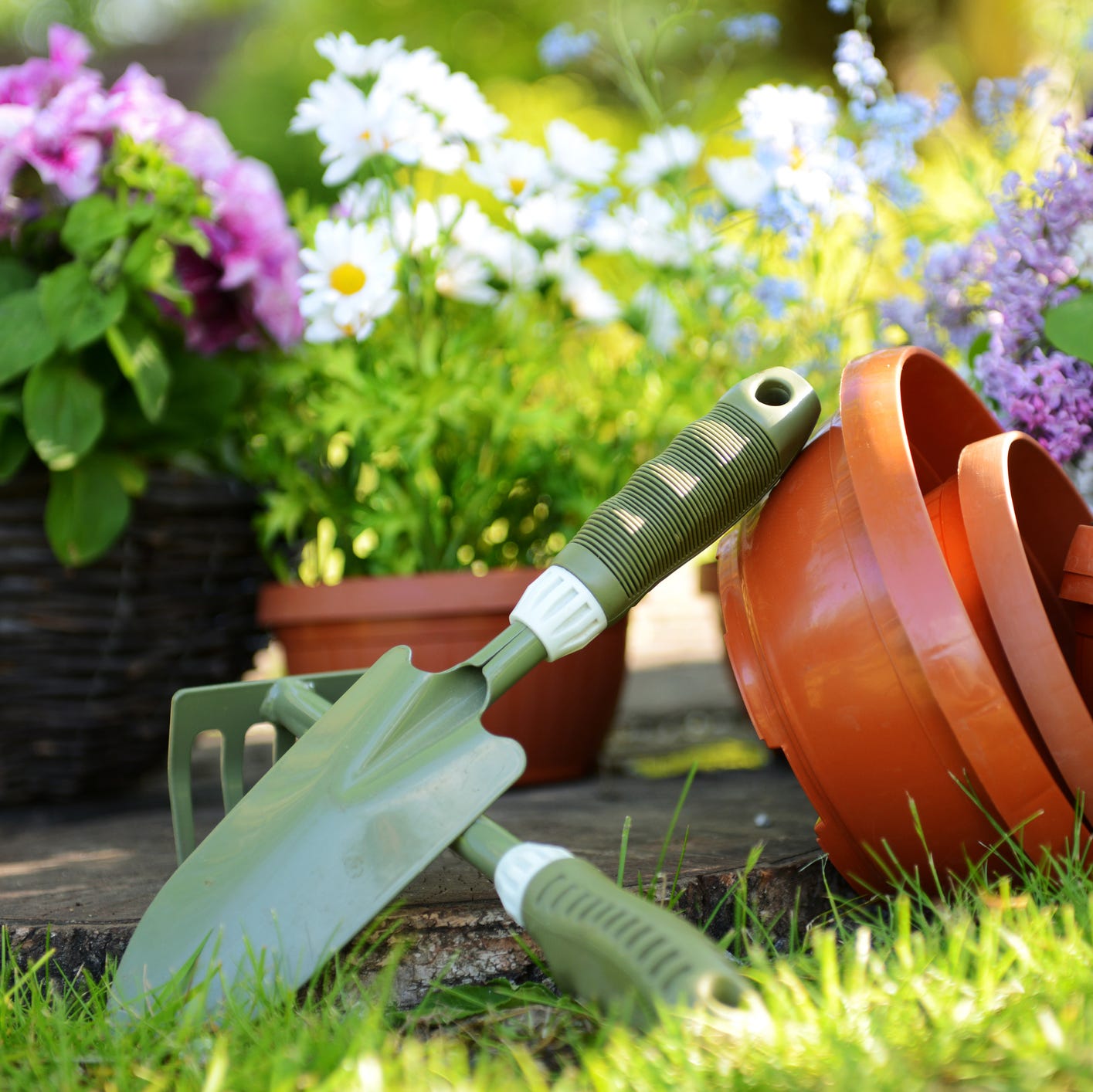 Elena Leonova / Getty Images
If you have old, broken, or unused gardening tools in your backyard shed, Christian Pfeiffer, a professional organizer and the owner of Valley Organizing, says it’s time to toss and replace them. “We often save tools we might use one day but if they are old, chances are you are going to want something new,” Pfeiffer says.
2Expired Products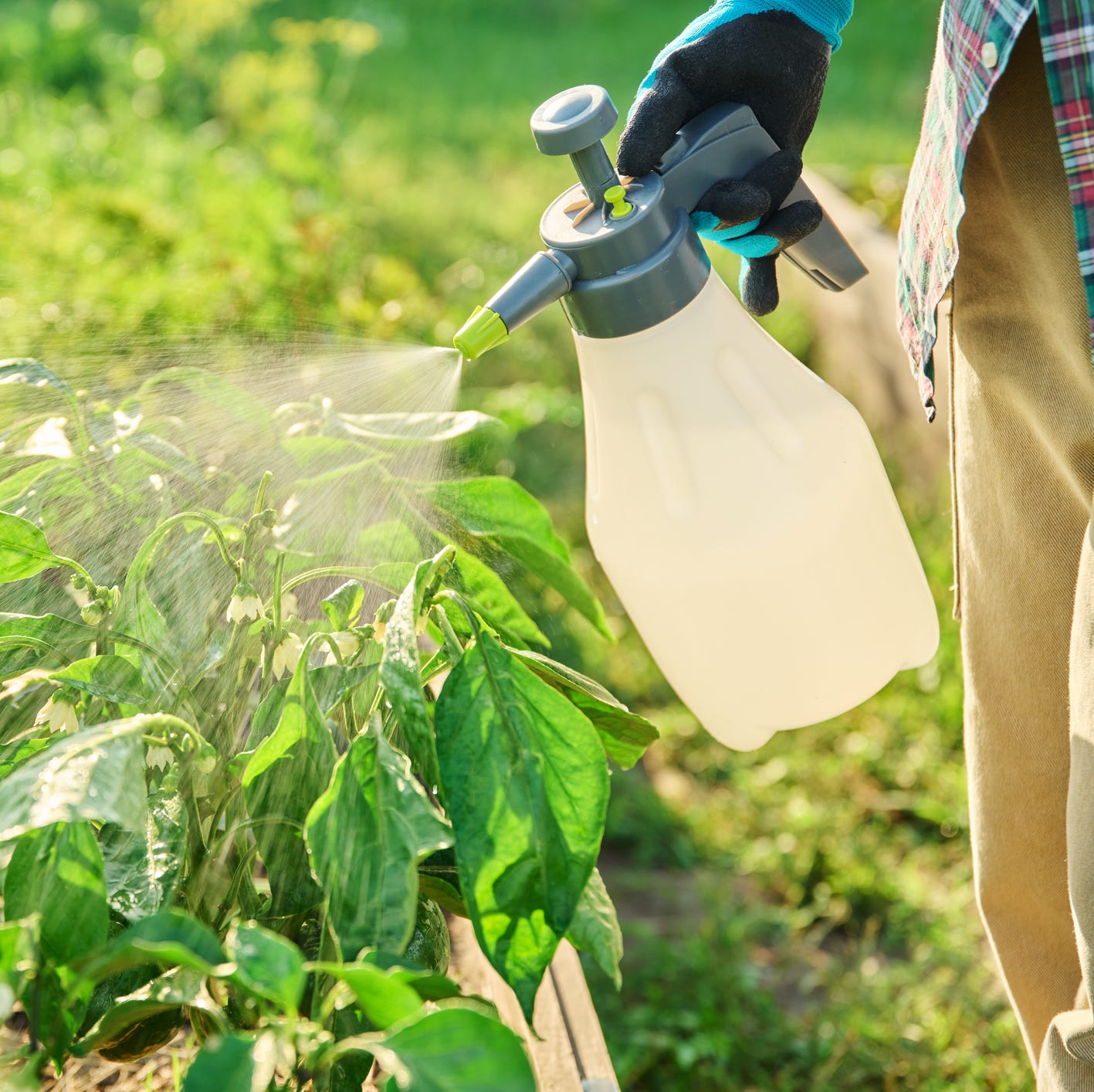 Valeriy_G / Getty Images
“Most pesticides, fertilizers, and garden food have a shelf life of three to five years,” says Martha-Carol Stewart, a professional organizer and the founder of Chaos Organizing. Get rid of expired items and if the labels are faded, Stewart says the product must go! “If you don’t know what it is and you haven’t used it in three to five years, you definitely don’t need it,” she says.
Advertisement – Continue Reading Below
3Dried Out Paint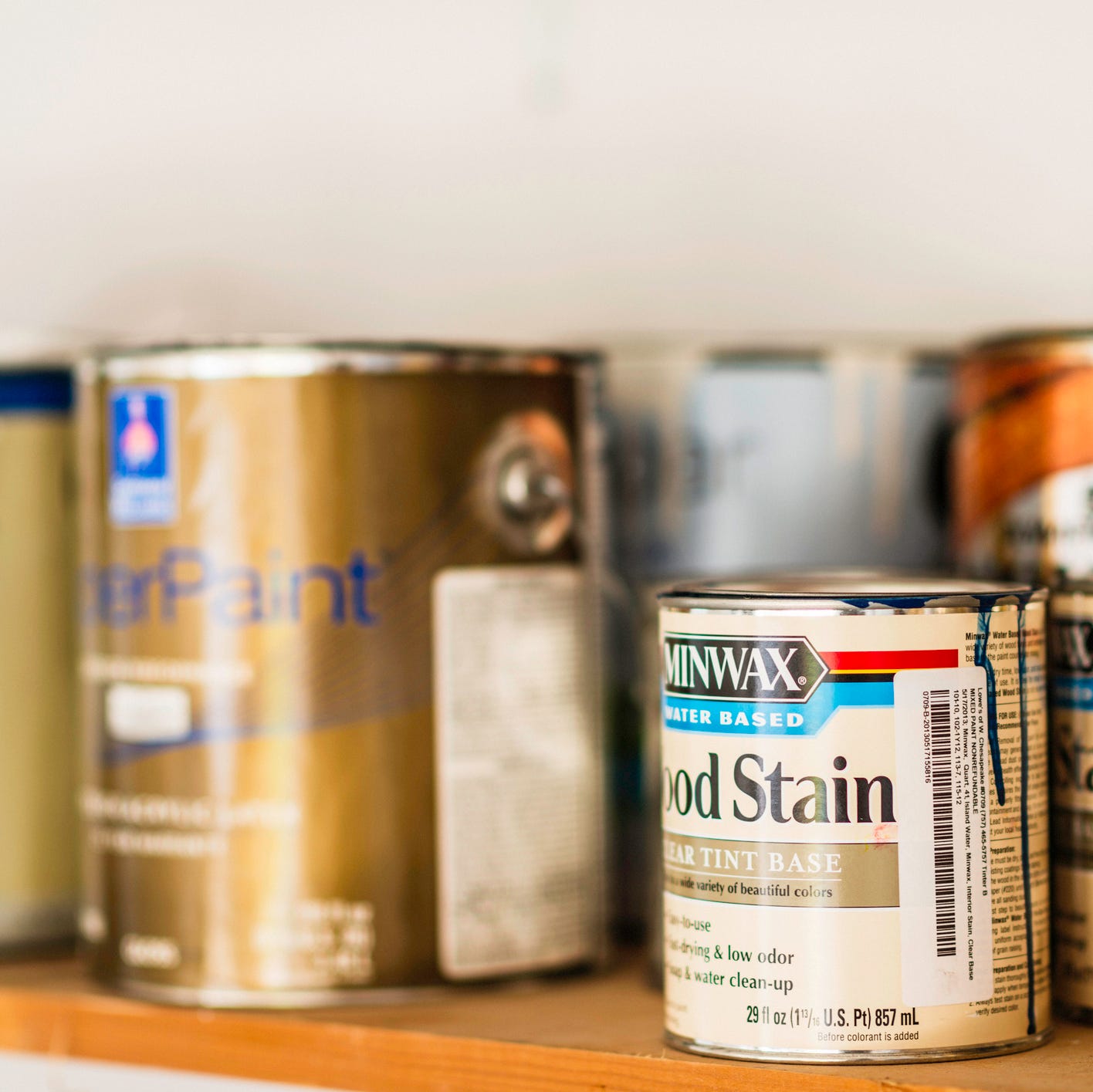 CatLane / Getty Images
Take Pfeiffer’s advises throwing out paint that’s expired, dried out, or no longer matches anything. If you’re only holding onto the paint cans to remember the names of the various shades you’ve used, the organizer has a better method: “I suggest taking pictures of all the current color codes and saving them in a specific folder on your phone.”
4Defective Lawn Equipment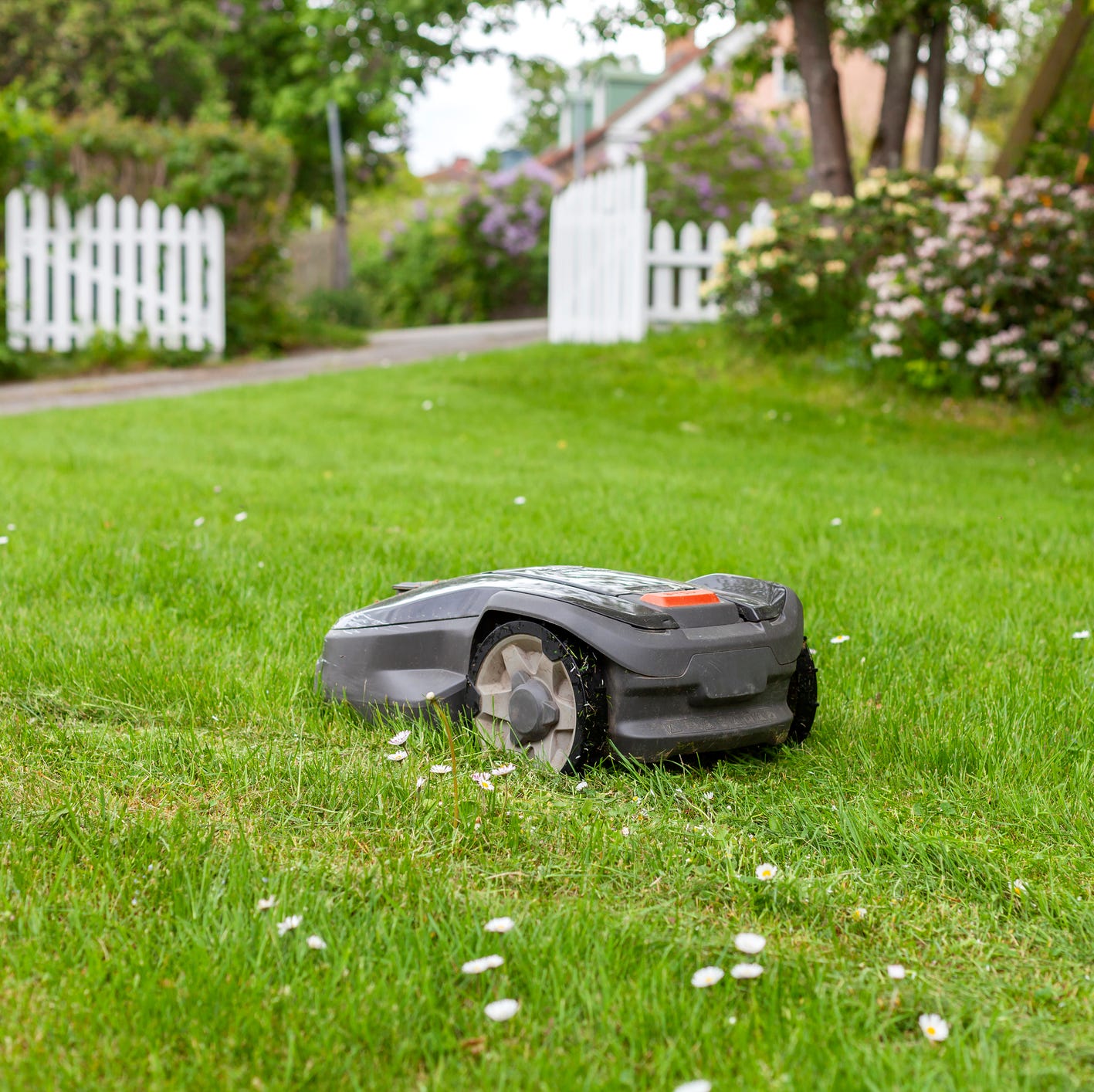 Johner Images / Getty Images
Damaged lawn equipment is another top item to remove from your shed. “Maybe the mower, edger, or weed eater has been broken for a while, and the intention was to get it fixed, but instead it has stayed broken and takes up prime real estate in the shed,” Jordan shares. The reality is that if it wasn’t fixed last year, chances are it won’t get fixed this year either. “Junk removal companies can help if you’re unable to take the larger equipment away yourself,” the organizer adds.
Advertisement – Continue Reading Below
5Materials Left Over From Past House Projects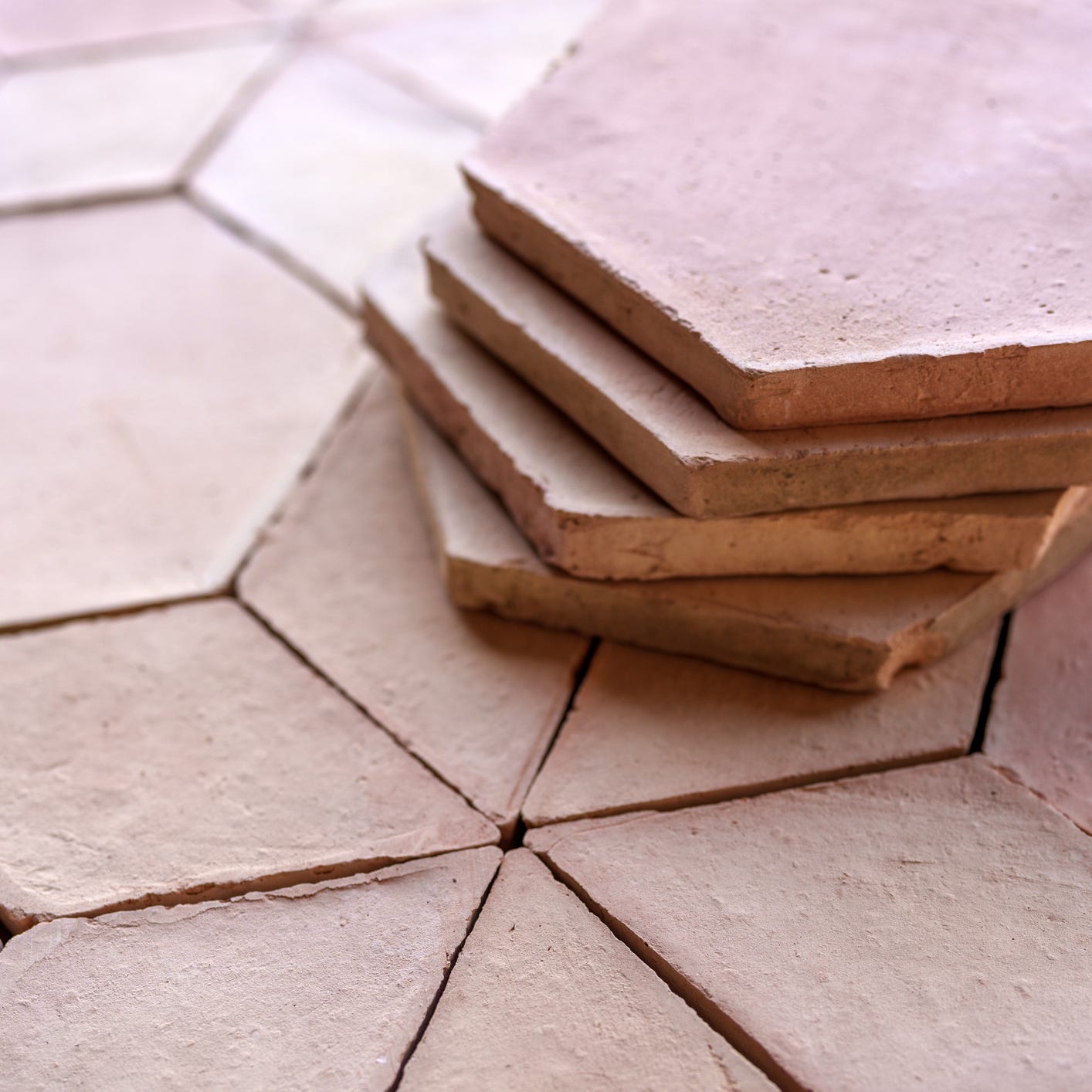 Javier Zayas Photography / Getty Images
Declutter your backyard shed by throwing out excess house materials such as tile, grout, and wood planks that you’ve been holding onto “just in case”. If it’s left over from past projects with no future use planned, Pfeiffer says it’s time to let it go. “I’d suggest keeping a handful of tiles but not any excess materials!”
RELATED: 10 “Just In Case” Things Pro Organizers Want You to Ditch
6Damaged Hoses and Ropes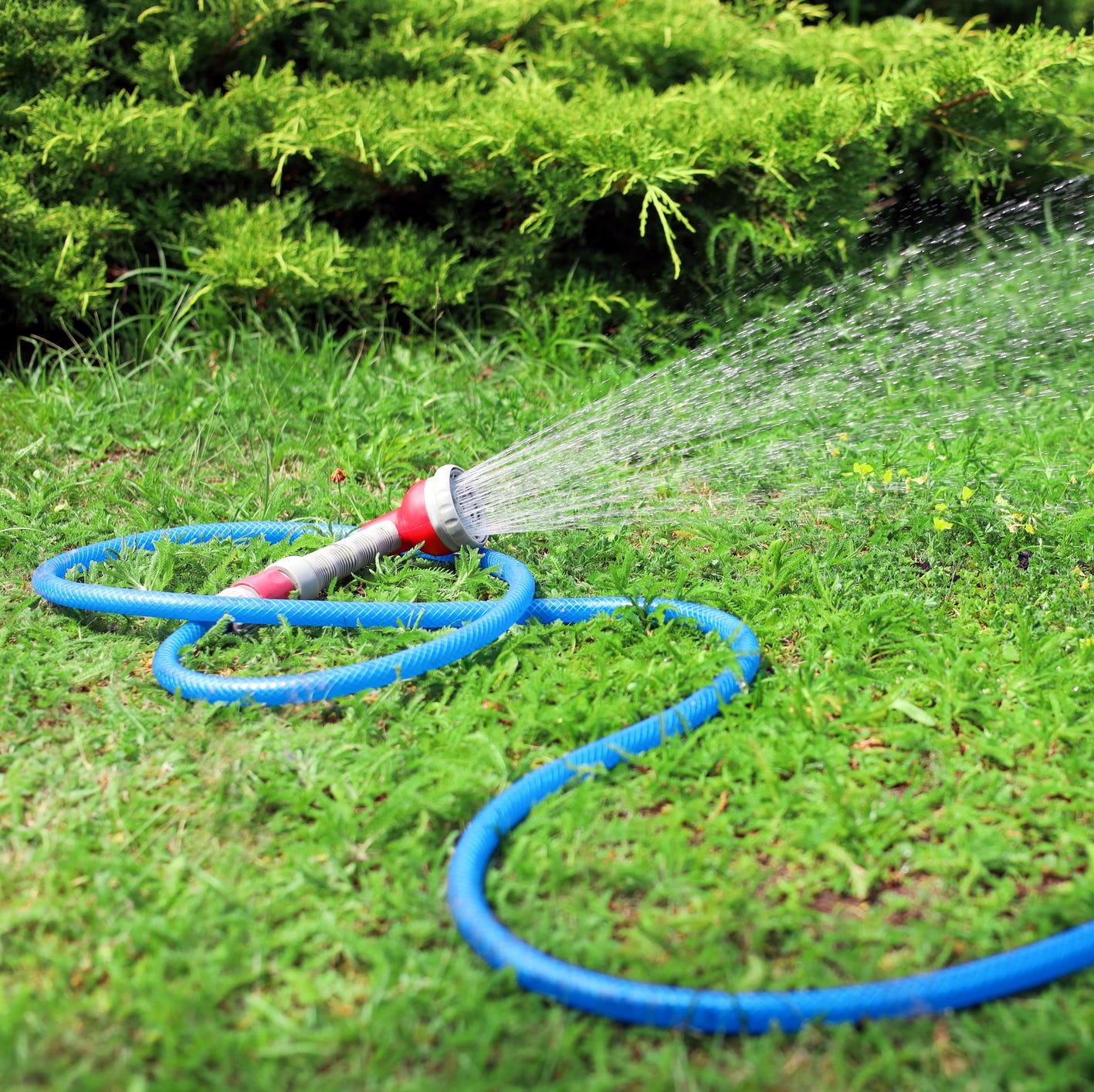 Liudmila Chernetska / Getty Images
While you’re going through the backyard shed, get rid of any garden hoses that are damaged or leak, as well as any dry rotted ropes. “These items collect easily in crates and in corners going completely unnoticed,” Jordan says. Tossing them now will save you the frustration later when you go to use the items only to find they are damaged and need to be replaced.
Advertisement – Continue Reading Below
7Flower Pots That Have Gone Unused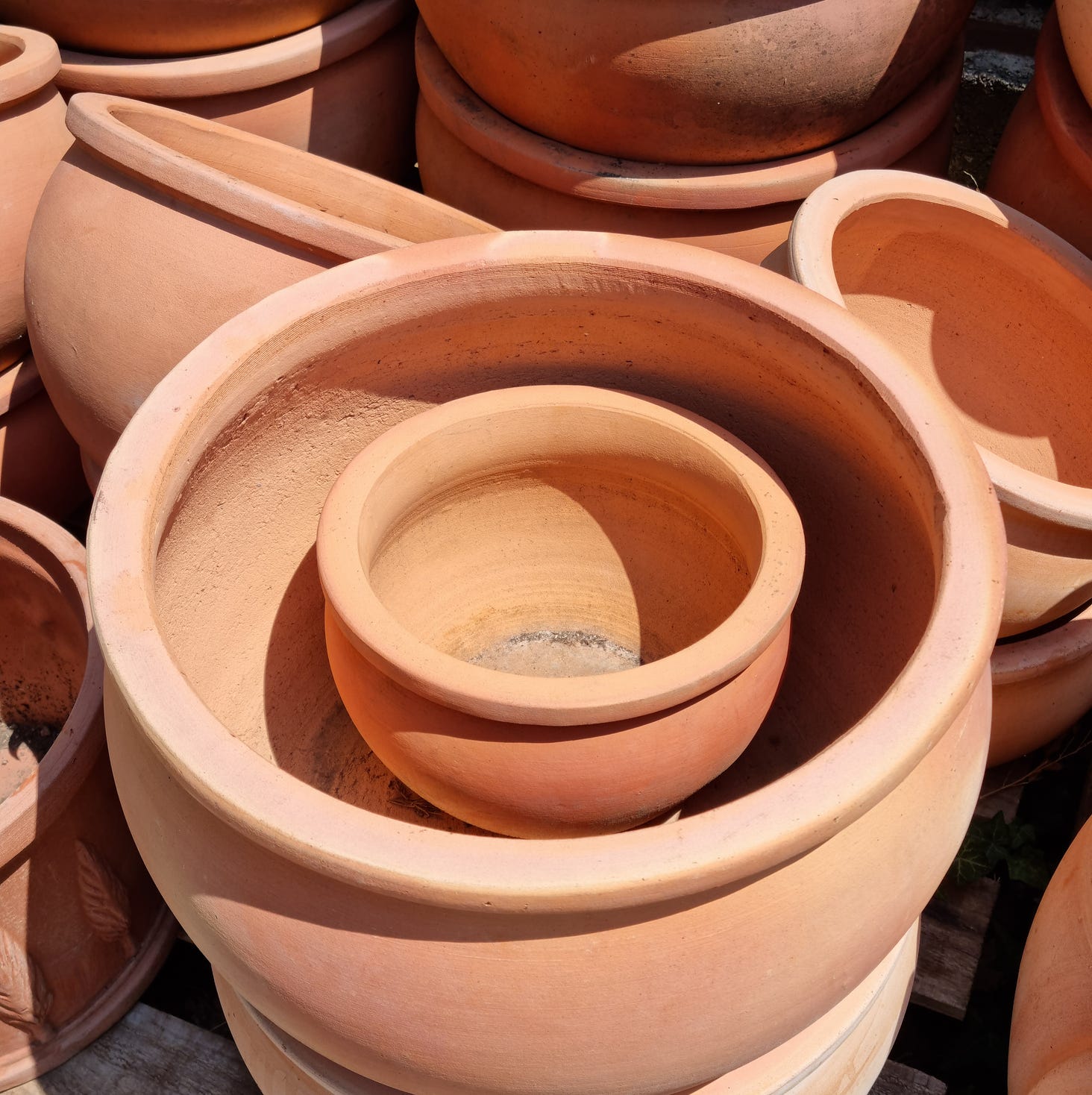 Nahhan / Getty Images
“I can’t tell you how many sheds I’ve opened where there’s a stack of old flower pots sitting in the corner, many of them cracked or never used,” Jordan says. If you have a collection of flower pots sitting in your shed, the organizer recommends getting rid of them to free up valuable space for what you actually need to store in the shed this season. If you’re feeling crafty, though, you can reuse them to make everything from a bird bath to plant labels.
RELATED: 7 Surprising Uses for Old Flower Pots Around Your Home
8Old Extension Cords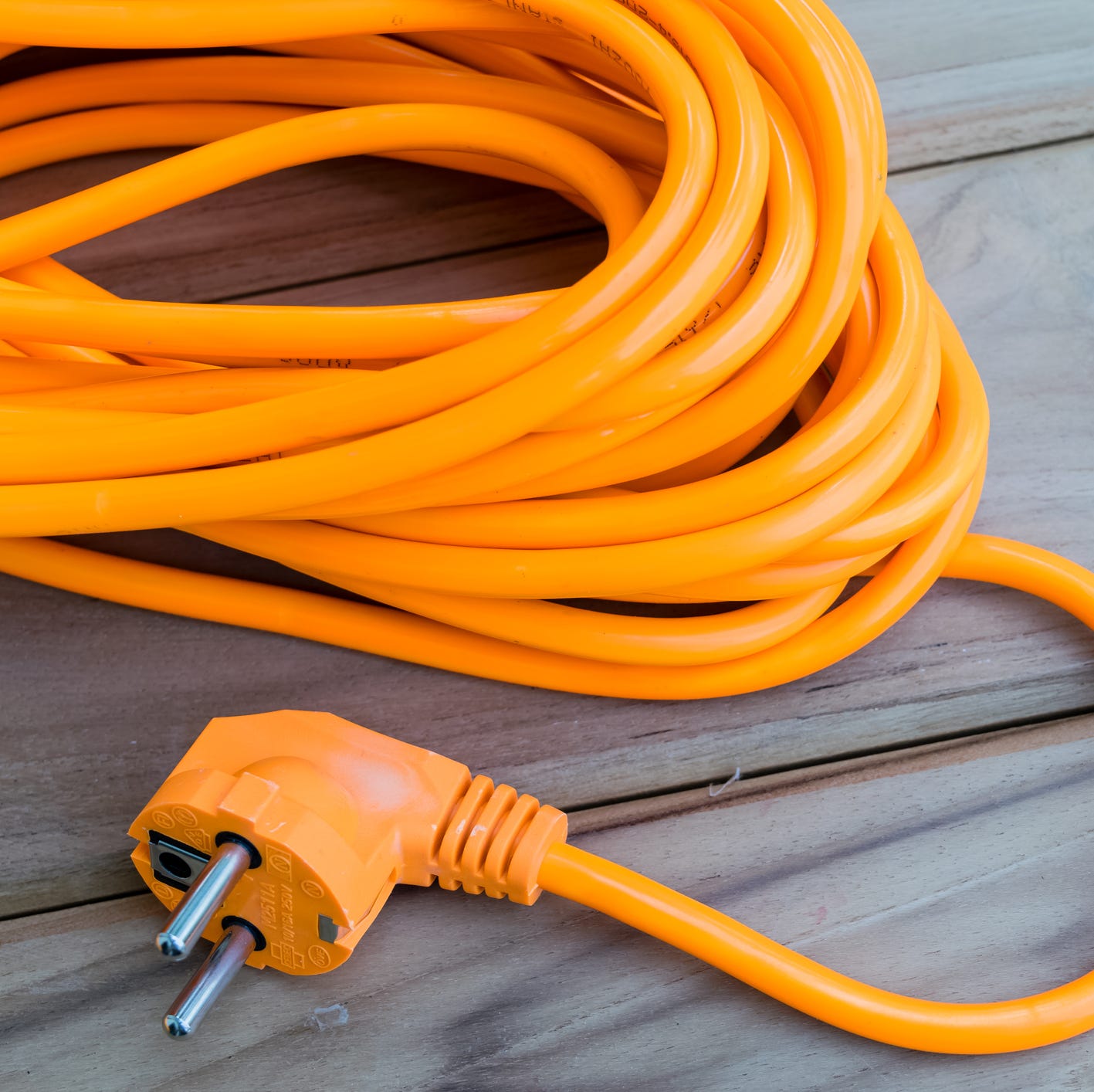 naramit / Getty Images
Old extension cords that have piled up and become tangled should make their way out of the shed this season. Heat, humidity, and outdoor pests can damage the cords, causing them to become a potential fire hazard. Homeowners are often surprised to find there’s a pile of extension cords, hoses, or ropes taking up room in the shed that could be better used for something else.
Advertisement – Continue Reading Below
9Duplicates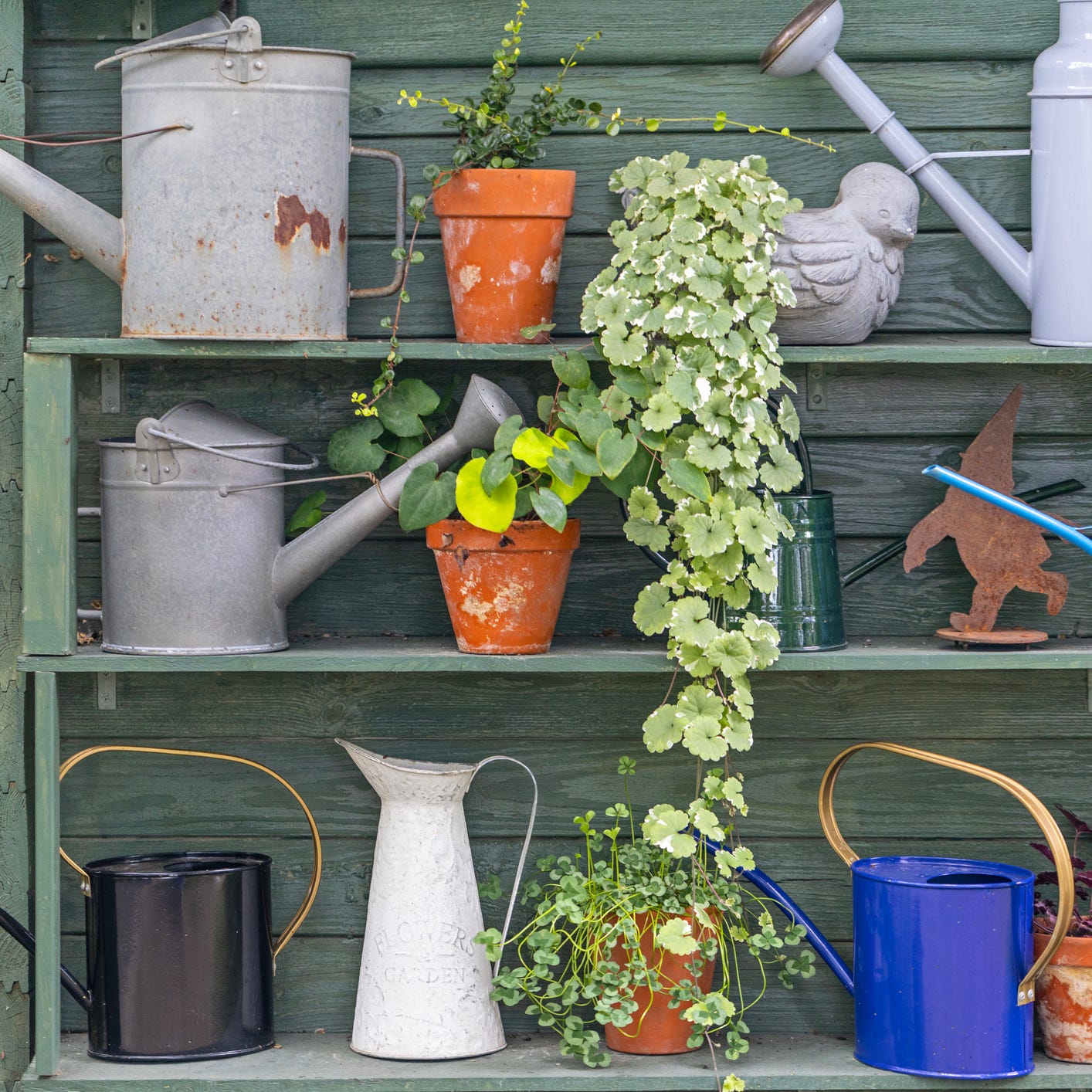 twomeows / Getty Images
Jordan shares that in addition to seeing many backyard sheds filled with broken and rusty tools, there are also lots of duplicates. “The best practice is to keep only tools that are in good working condition,” the organizer says. Instead of holding onto old items “just in case” even though you’ve already purchased new ones, get rid of them. “This makes it so much easier to find what you need quickly and frees up space in both the toolbox and shed,” Jordan says.
RELATED: 20 Things Professional Organizers Say You Don’t Need Multiples of in Your Home
10The Pile of Possibility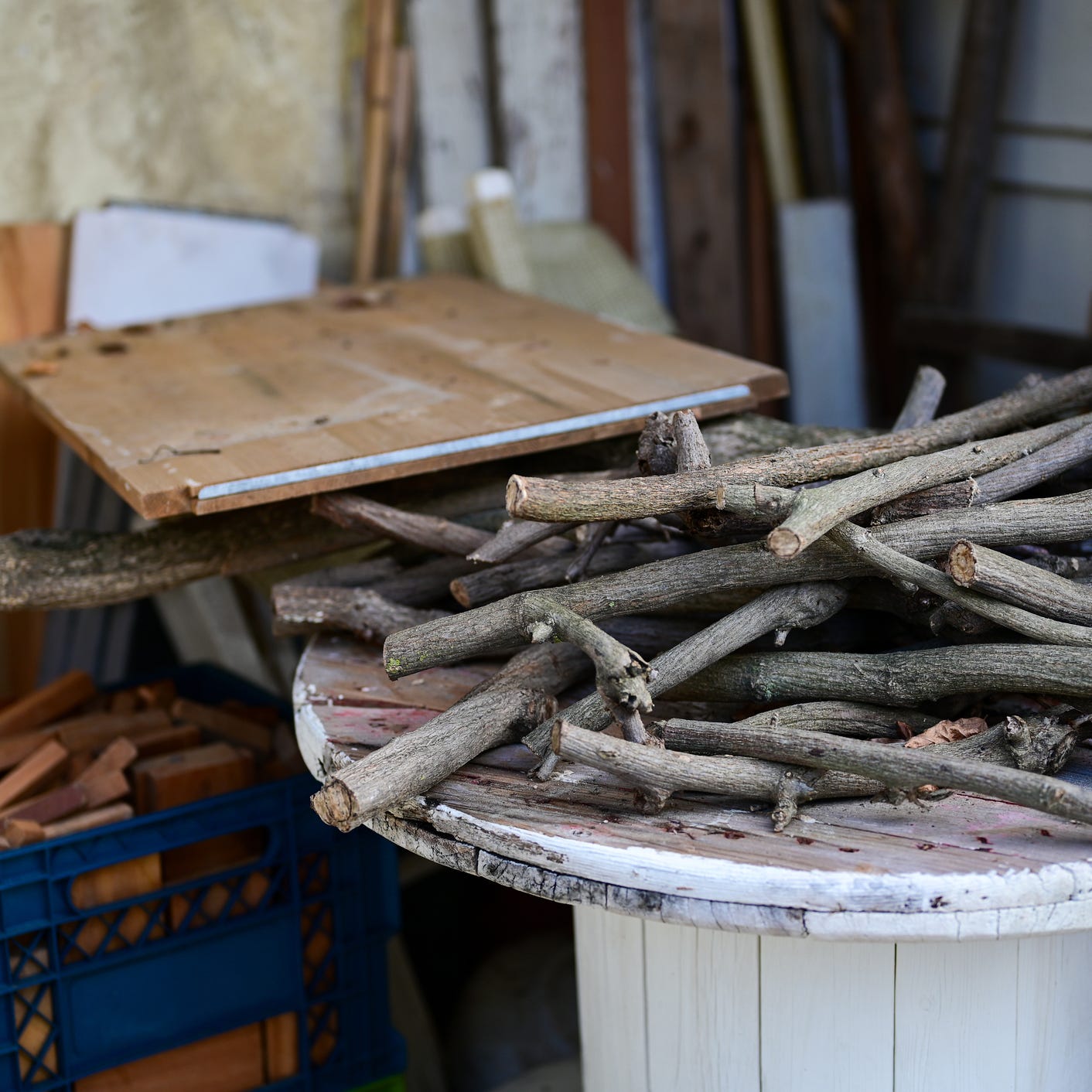 tabcreator / Getty Images
Lastly, throw out what Jordan refers to as the pile of possibility. “Most sheds I’ve worked in contain piles of items such as project materials that haven’t been used for their intended purposes—for example, piles of wood, random hardware, also pots with no plants,” the organizer says. She suggests assessing what items are being kept for “some day” projects, as you may find those plans are no longer a priority. “You can pare down these piles or purge them completely,” Jordan says.

Maria Sabella is a lifestyle writer with a passion for home and interiors — from paint colors and holiday decor to the latest design trends. Her work has appeared in outlets including Better Homes & Gardens, The Spruce, BuzzFeed and Bustle.
Advertisement – Continue Reading Below
Readers Also Read
Advertisement – Continue Reading Below
Advertisement – Continue Reading Below
Comments are closed.