
Key Points
Observe your garden’s light, textures, and natural features to design a space that is cohesive and inviting.
Layer plants of varying heights and bloom times to create depth, visual interest, and year-round beauty.
Thoughtful planning enhances your garden’s usability and ensures it thrives with minimal upkeep.
With spring upon us, it’s never been a better time to start thinking seriously about landscaping; this is the best time to give your outdoor space a refresh to prepare it for warmer days ahead.
If you’re looking to elevate your garden to professional levels without the hefty price tag there are a few simple but effective tips to know ahead of time.
Below, we asked a design expert what to know and consider before designing an elaborate garden.
Meet the Expert
Nina Lichtenstein is the founder and principal home designer of her eponymous firm, Nina Lichtenstein Custom Home Design, where she designs interiors and outdoor spaces.
Pay Attention to Your Surroundings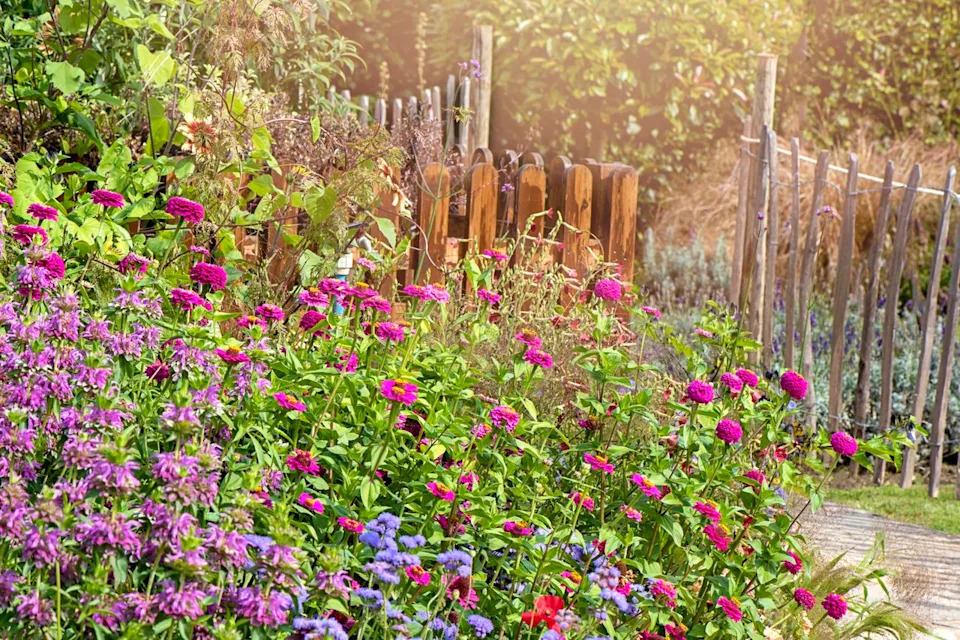
Credit: Jacky Parker Photography / Getty Images
Before any elaborate plans are made, you should start by stepping outside and listening to your space. Notice how your space feels at different times of the day, paying attention to where the light lands in the morning versus the afternoon.
By taking the time to listen and feel your space as opposed to just looking at it, you can learn about the all the little nooks and crannies that will make you want to pause and enjoy your garden.
“The most successful gardens aren’t designed from a catalog. They are shaped by the conditions that already exist,” says designer Nina Lichtenstein.
Work From The Ground Up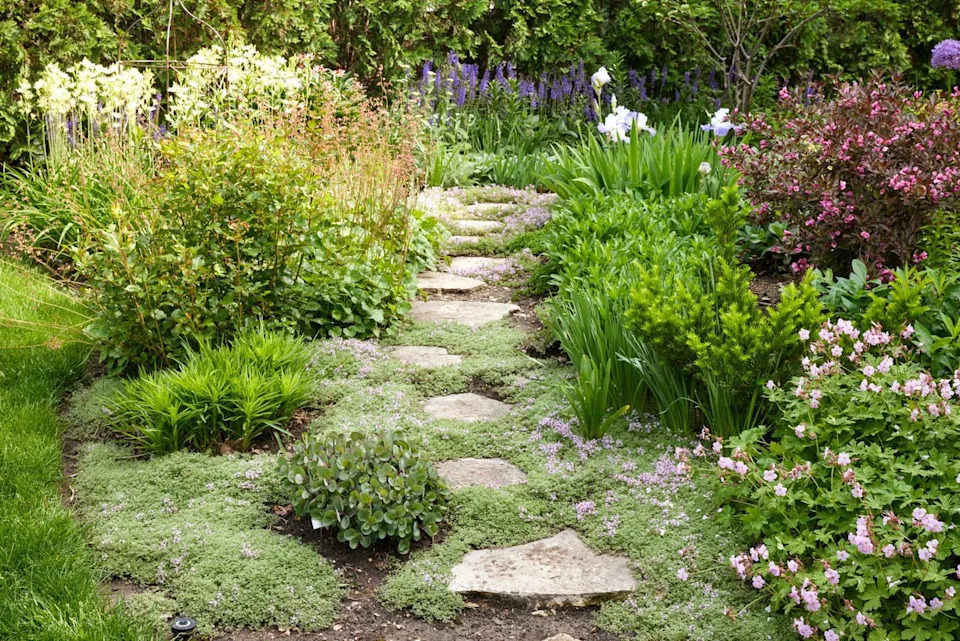
Credit: The Spruce / Grant Webster
The surface beneath your feet matters more than most people think. What you choose to lay on the ground—whether its gravel, stone, lawn, or planted ground cover—will create a unique experience.
“A garden that feels good underfoot becomes a place people naturally want to spend time,” Lichtenstein says.
Think about which material best suits your needs.
Layer With Intention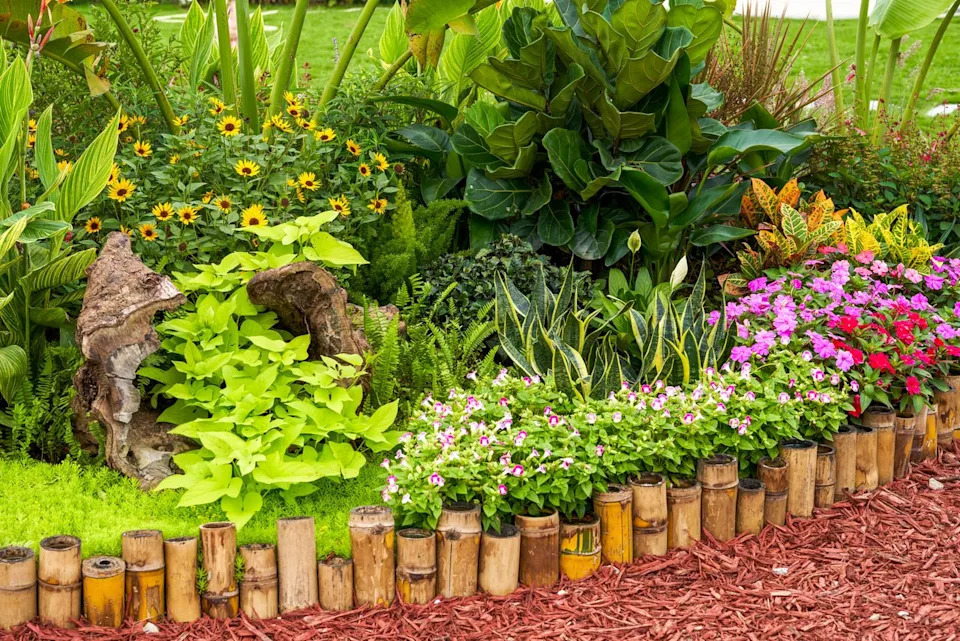
Credit: Qin Ningzhen / Getty Images
When it comes to designing a garden, think in three dimensions. Make sure to incorporate layers into your space to add depth. This can include textured ground covers, mid-height perennials, and shrubs, all of which will work together to create a visually interesting landscape.
“When everything is the same height, the garden reads flat. When it’s layered, it feels immersive,” Lichtenstein says.
Mid-level planting can fill and soften the space, while lower layers tie everything together.
“Without this hierarchy, even the most beautiful plants can feel disjointed,” Lichtenstein says.
Consider Bloom Times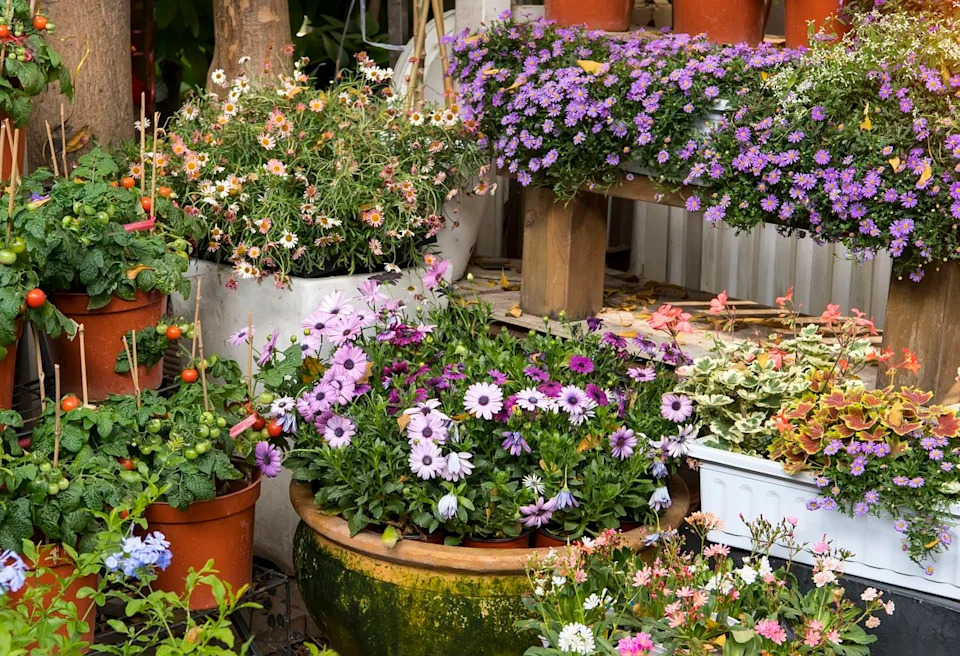
Credit: kynny / Getty Images
When planning an elaborate garden, it’s key to remember that a garden will never be static. It will change over the course of a day, season, and year, and bloom times are one of the most important considerations.
The goal is continuity, so that there is always something quietly happening that can spark visual interest.
“You want a sequence, not a single peak,” says Lichtenstein.
There should be early spring bulbs, followed by late spring perennials, summer blooms, and then fall blooms. Even winter should be considered through bark, seed heads, and evergreen forms.
Think Carefully About Maintenance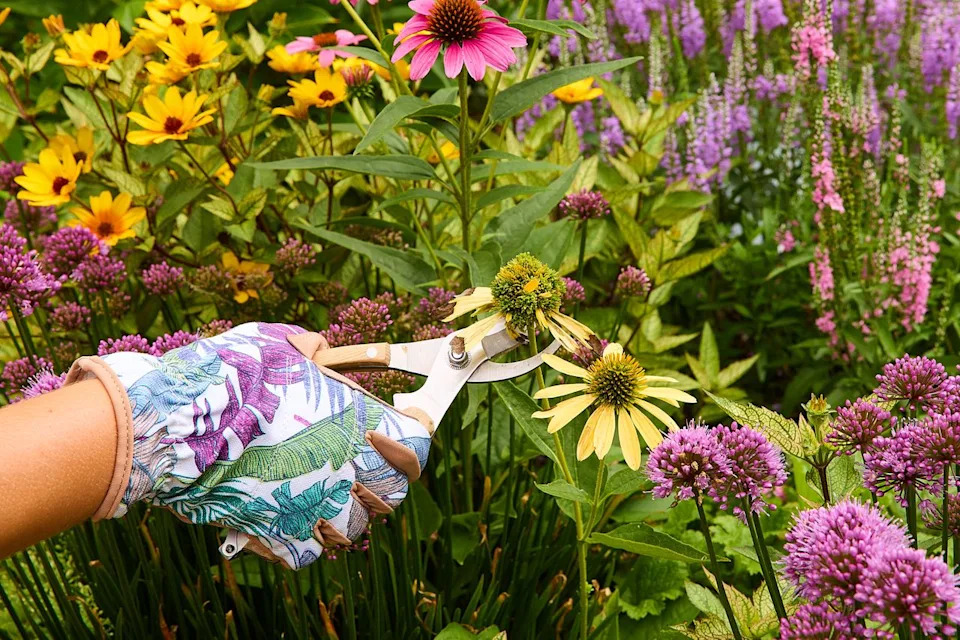
Credit: The Spruce / Jacob Fox
When it comes to planting, remember to follow the light; base your plant and floral sequences not on where you’d like to see them, but where they would benefit the most.
Consider if your plants need full sun, partial shade, or deep shade, and plant them according to their needs.
Also consider the amount of upkeep they’re willing to invest in their garden. Some gardens are highly manicured and require constant intervention, while others are designed to support themselves over time.
“There is no right answer, but it should match how you actually live,” Lichtenstein says.
Stick to Natural Floral Combinations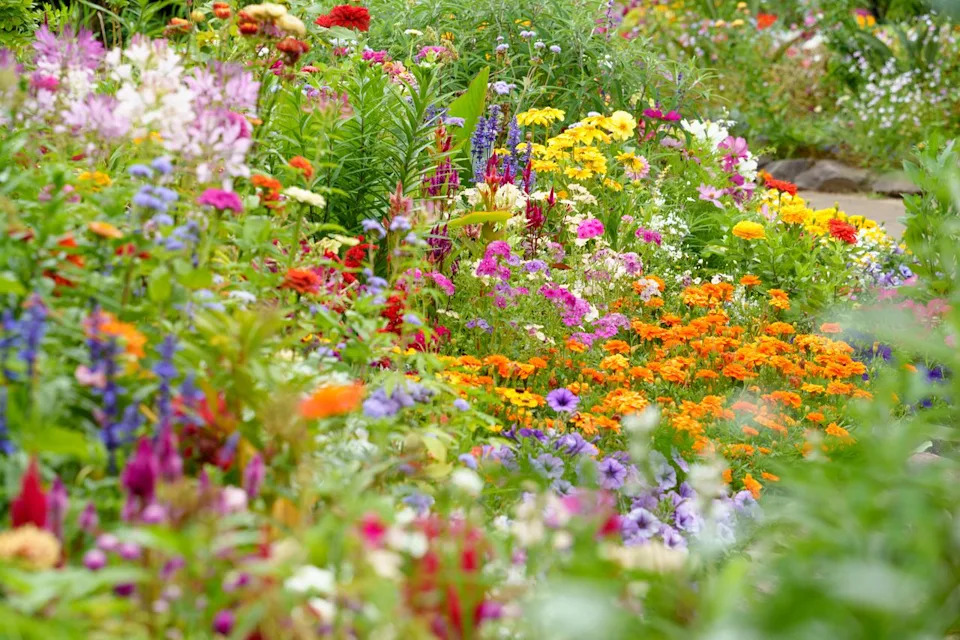
Credit: nukopic / Getty Images
Lichtenstein prefers floral combinations that feel as if they could have happened on their own. Here are a few of her favorite combinations:
Hydrangea paniculata paired with ornamental grasses like Panicum virgatum or Miscanthus creates a beautiful balance of structure and movement. “The hydrangea provides a steady presence, while the grasses soften and animate the space,” Lichtenstein says.
Boxwood or other evergreen structure combined with looser, more seasonal planting. These work well in transitional settings, as the evergreen anchors the design while the surrounding plants allow it to feel relaxed rather than rigid.
Lavender with roses. This is a classic combination for a reason. The structure of the rose paired with the softness and fragrance of lavender creates a heady mix grounded in the visual and sensory. “It’s not just about how it looks, but how it feels to be near it,” she says.
Ferns layered beneath trees with filtered light. This helps to create a calming, immersive environment. Pair the ferns with hosta plants for texture and depth. The varying leaf sizes will achieve this without needing to add color.
Coneflower, black-eye Susan, and native grasses. These native plant groupings are easy to take care of because they share similar needs and natural rhythms. They also have the added benefit of looking and feeling cohesive.
Sometimes Less is More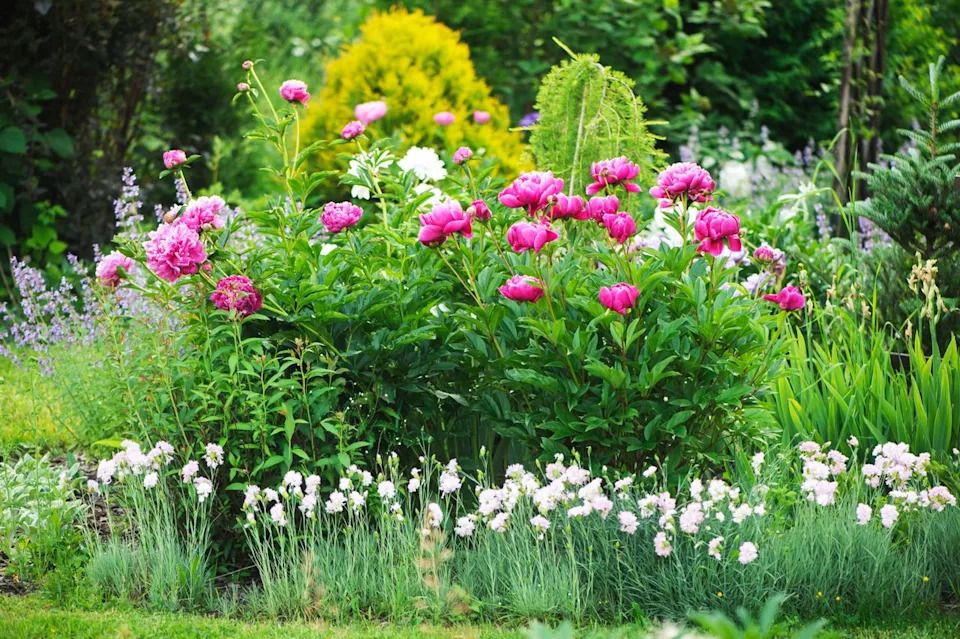
Credit: Mkovalevskaya / Getty Images
If you’re looking for more of a minimalist look or want to keep your garden as simple as possible, single planting, repeated, works incredibly well. A broad sweep of just one plant can look and feel grounding. Sometimes doing less reaps bigger benefits.
At the end of the day, the combinations that work the best are the ones that feel connected to their environment.
“When plants are chosen not just for how they look, but for how they live together, the garden starts to feel whole,” Lichtenstein says.
Read the original article on The Spruce
Comments are closed.