SERIES 37 | Episode 05
Dr Grey Copeland, a Restoration Ecologist uses the Miyawaki method to plant dense, fast-growing urban forests in Perth, creating habitat, increasing canopy cover, and engaging communities in citizen science.
Perth has the lowest urban canopy cover of any Australian capital, sitting at just 16%, which contributes to heat island effects, treeless streetscapes, and limited wildlife habitat. Dr Grey Copeland, a restoration ecologist from Murdoch University, is adapting the Japanese Miyawaki method to rapidly create small, dense forests in urban spaces. By planting 3–5 native trees per square metre with soil remediation and moisture-retention techniques, these micro-forests can grow into functional ecosystems within 10–20 years.
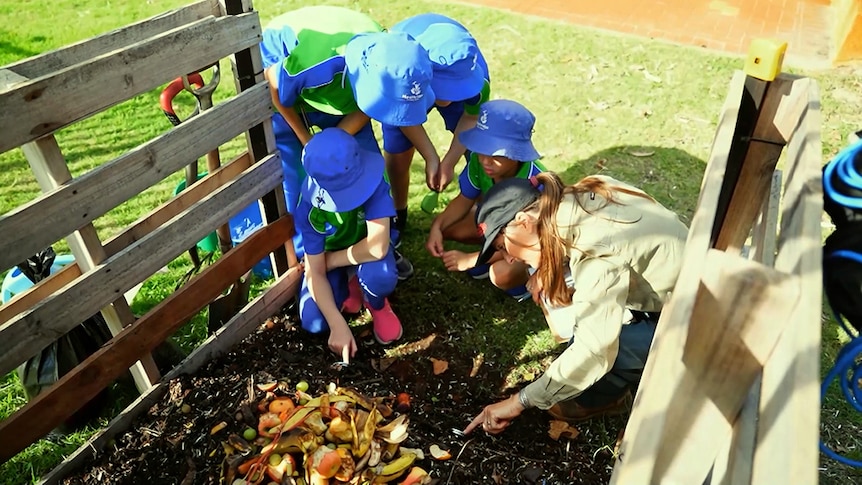
The forests are planted in available urban pockets such as schoolyards, public reserves, and small vacant lots. Local community groups and students participate in planting and monitoring, connecting with the ecology firsthand as citizen scientists. Features such as bee hotels and lizard platforms enhance habitat value, while careful species selection and soil preparation allow native plants to thrive in sandy, nutrient-poor soils. Control plots illustrate the stark contrast, with plants spaced traditionally growing slower and less vigorously, showing the effectiveness of the Miyawaki approach.
Over the past five years, Grey has established 15 forests, with six more planned. The dense plantings attract birds, insects, and small native mammals almost immediately, creating microhabitats, increasing biodiversity, and demonstrating that even small-scale interventions can have significant ecological and social impact.
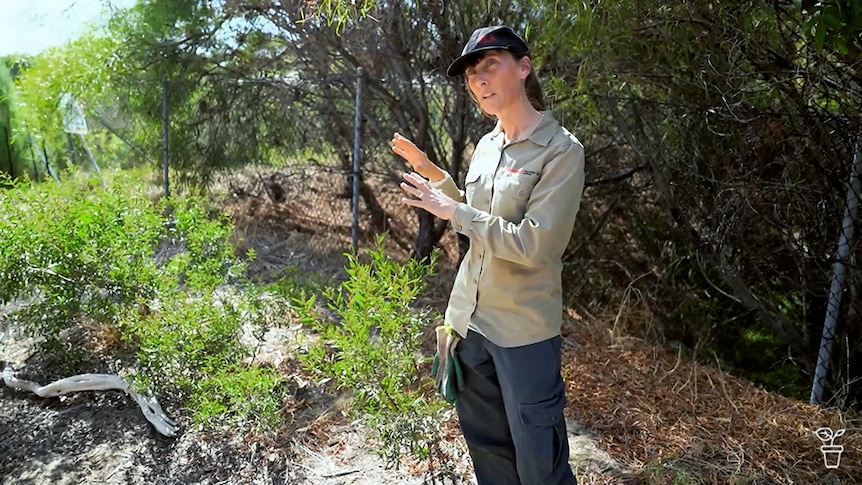
Featured Plant RIGID WATTLEAcacia cochlearis
Filmed on Whadjuk Country | Perth, WA

Comments are closed.