
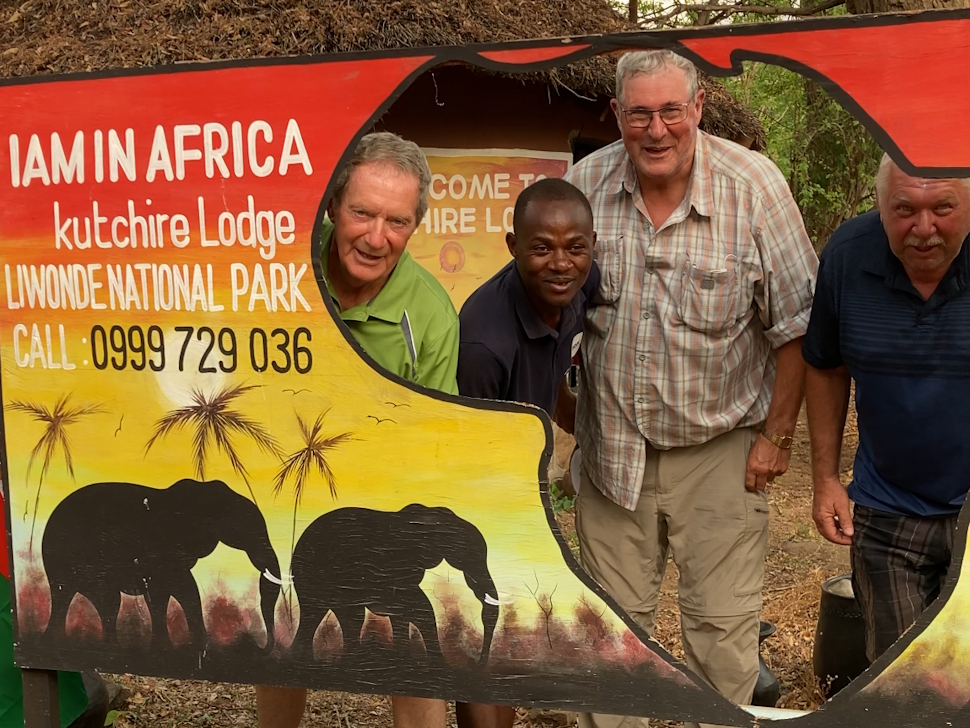
In parts of eastern Africa, families go eight months without rain.
“No rain,” said Harry Dalke. “And four months of some rain.”
For many, that means uncertainty about what tomorrow’s meal will look like. That reality is what drives the Well of Plenty Foundation and what is behind an upcoming community fish fry at the Pembina Threshermen’s Museum on April 23.
“It’s a mission or a project of helping Africans to grow food,” Dalke said. “It’s very simple. Yeah, grow food and get a different line of food into their diet.”
From bare survival to fresh produce
Dalke has travelled to Africa and seen the conditions himself. Before the introduction of gardens and irrigation, many families relied on one basic staple.
“They’ve mostly, they’re used to eating mashed up dry corn that they add water to and it’s kind of pasty and kind of straight,” he said. “It’s some energy, but it’s not a lot of protein.”
The need is immediate.
“They’re very ambitious,” Dalke said. “They’re in survival mode.”
Without reliable water and training, parents often do not know what they will feed their children the next day. That is why wells and demonstration gardens are central to the project.
Today, the difference is visible.
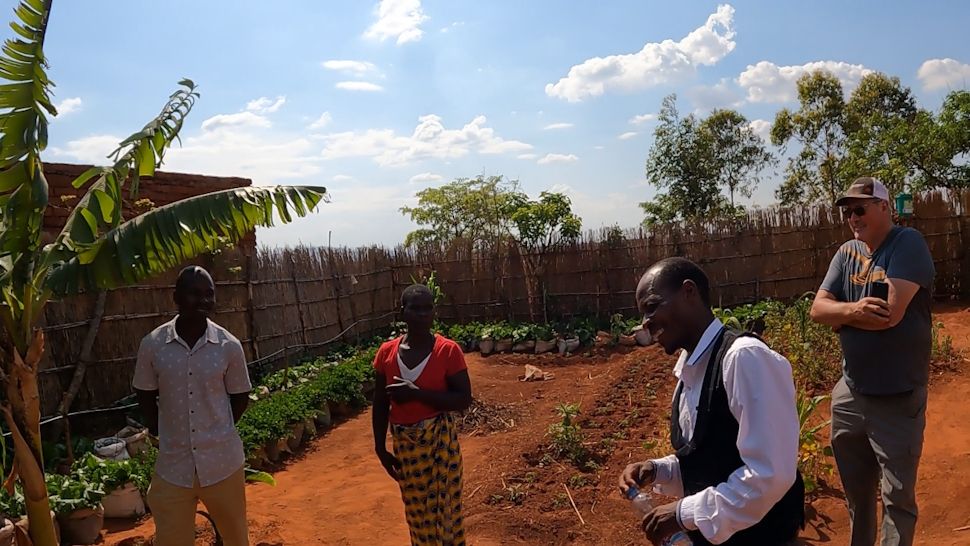
“Now they’ve added stuff like lettuce and kale and spinach and cabbage and peas and beans, like regular vegetables that we’re used to in our gardens,” Dalke said.
He still remembers what struck him most.
“I saw it with my own eyes, the beautiful amount of produce,” he said. “I couldn’t believe the carrots, how big their carrots are.”
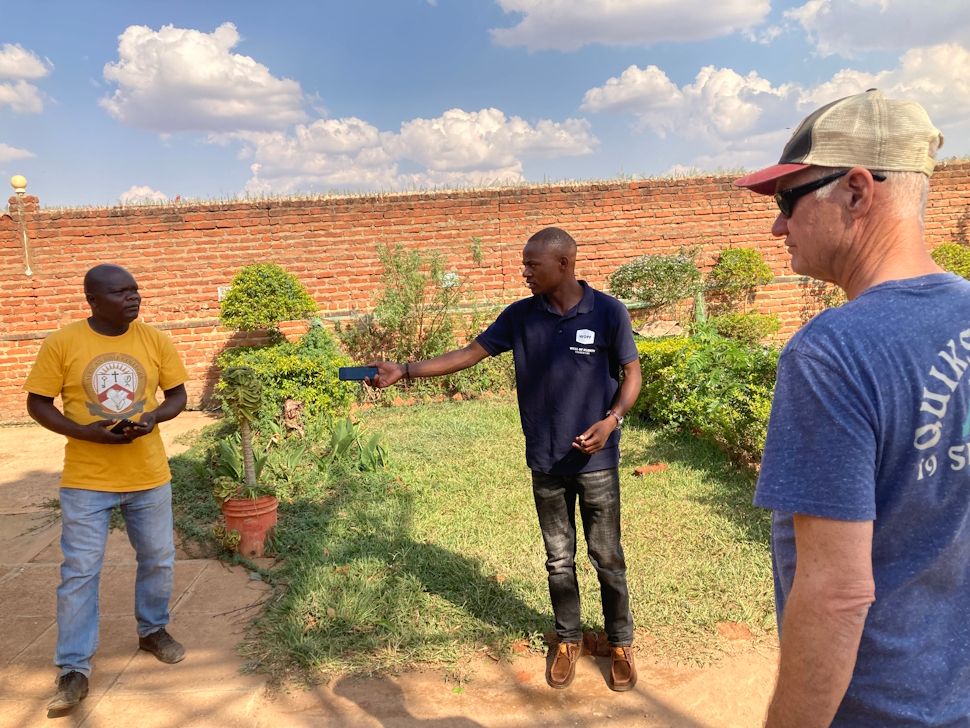
Drilling wells that change communities
The foundation partners with local churches and communities to secure land and drill deep wells.
“Firstly, we have to find water there,” Dalke explained. “So we go about 50 to 60 meters deep.”
With guidance from geologists in Canada and Africa, the results have been remarkable.
“Out of the wells we’ve punched hole like these six inch bore wells, we’ve batted 100 percent,” Dalke said. “Like that is amazing.”
Each well opens the door to drip irrigation systems and training plots where people learn to grow food sustainably.
“They come to these demonstration gardens and they learn for a couple weeks how to do it,” he said. “And then they’re given some portion of that plot to take care of those rows.”
In climates without frost, the potential is enormous.
“Because they have no frost weather, they can grow crops year round,” Dalke said. “So they’re harvesting the same week as they’re seeding.”
Since launching in 2019, the project has expanded beyond Malawi into the Democratic Republic of Congo and Burundi, with plans to reach Kenya.
“We’re just amazed and astonished,” Dalke said. “We’re just putting praise to God for how he’s multiplied this whole project because we only started in 2019.”
Adding protein through the bunny project
Beyond vegetables, Well of Plenty is also addressing protein shortages through a rabbit initiative.
“Rabbits multiply really quickly,” Dalke said. “They have large litters, like eight kind of bunnies come out of one gestation.”
The animals also provide fertilizer to enrich the soil.
“Now they have turds like dung from the rabbits that they can put in amongst their soil to get to fertilize,” he said.
Supporters can contribute directly to that effort.
“Ten dollars buys money to reproduce lots of bunnies,” Dalke said.
Related stories:
How you can help
On April 23, the community has an opportunity to turn a simple meal into tangible impact.
“The fish fry fundraiser is at the Pembina Thresherman’s Museum,” Dalke said.
Lunch orders are available for workplaces and must be placed in advance.
“If there’s a corporate places that want to buy a lunch together and have lunch at work, you can put an order in by nine o’clock the 23rd of April at nine in the morning,” he said.
Supper will be served as a drive by meal later in the day.
“We’ll package that up for your businesses or your workplaces,” Dalke added. “And you can enjoy walleye fish, which comes out of our beautiful Lake Winnipeg with lots of good walleye there.”
For Dalke, the connection between a plate of Manitoba walleye and a garden half a world away is simple. Reliable water changes everything. Training changes everything. A single well can shift a community from surviving to growing.
The April 23 fish fry offers a practical way for the Pembina Valley to be part of that change.
Comments are closed.